HTML SitemapExplore
Find Things to DoFind The Best Restaurants

Salinas de la Ramona — Attraction in Calasparra

Name
Salinas de la Ramona
Description
Nearby attractions
Nearby restaurants
Nearby hotels
Related posts
Keywords
Salinas de la Ramona tourism.Salinas de la Ramona hotels.Salinas de la Ramona bed and breakfast. flights to Salinas de la Ramona.Salinas de la Ramona attractions.Salinas de la Ramona restaurants.Salinas de la Ramona travel.Salinas de la Ramona travel guide.Salinas de la Ramona travel blog.Salinas de la Ramona pictures.Salinas de la Ramona photos.Salinas de la Ramona travel tips.Salinas de la Ramona maps.Salinas de la Ramona things to do.
Salinas de la Ramona things to do, attractions, restaurants, events info and trip planning
Salinas de la Ramona
SpainRegion of MurciaCalasparraSalinas de la Ramona

Basic Info

Salinas de la Ramona

30420 Calasparra, Murcia, Spain
4.0(21)
Open 24 hours
Save
spot

Ratings & Description

Info

Outdoor
Scenic
attractions: , restaurants:
logoLearn more insights from Wanderboat AI.

Plan your stay

hotel
Pet-friendly Hotels in Calasparra
Find a cozy hotel nearby and make it a full experience.
hotel
Affordable Hotels in Calasparra
Find a cozy hotel nearby and make it a full experience.
hotel
The Coolest Hotels You Haven't Heard Of (Yet)
Find a cozy hotel nearby and make it a full experience.
hotel
Trending Stays Worth the Hype in Calasparra
Find a cozy hotel nearby and make it a full experience.

Reviews

Get the Appoverlay
Get the AppOne tap to find yournext favorite spots!
Wanderboat LogoWanderboat

Your everyday Al companion for getaway ideas

CompanyAbout Us
InformationAI Trip PlannerSitemap
SocialXInstagramTiktokLinkedin
LegalTerms of ServicePrivacy Policy

Get the app

© 2025 Wanderboat. All rights reserved.

Posts

Vanlife With JoyVanlife With Joy
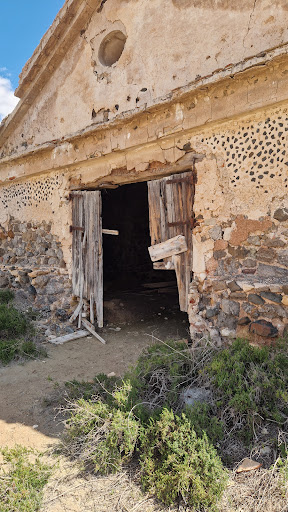
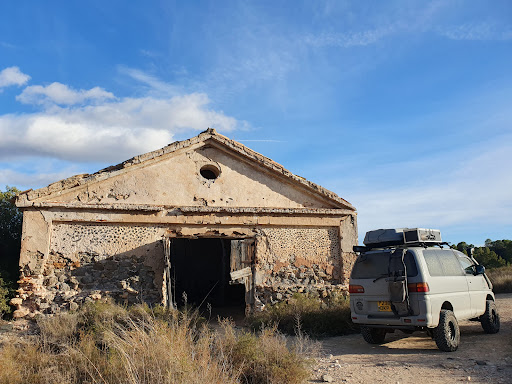
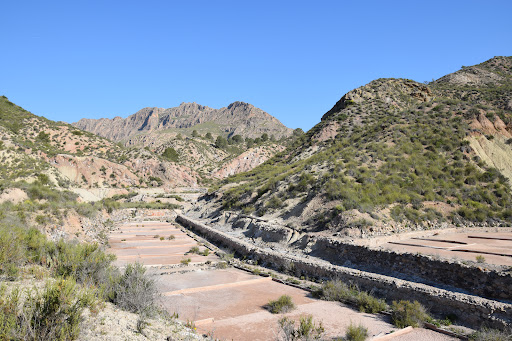
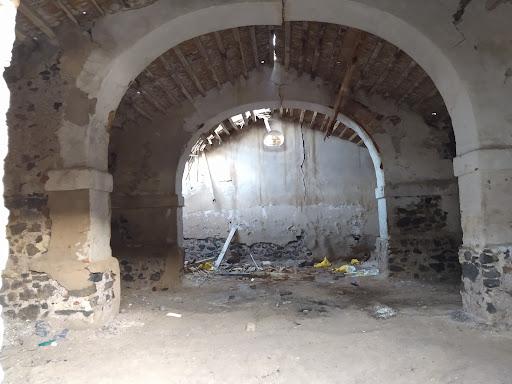
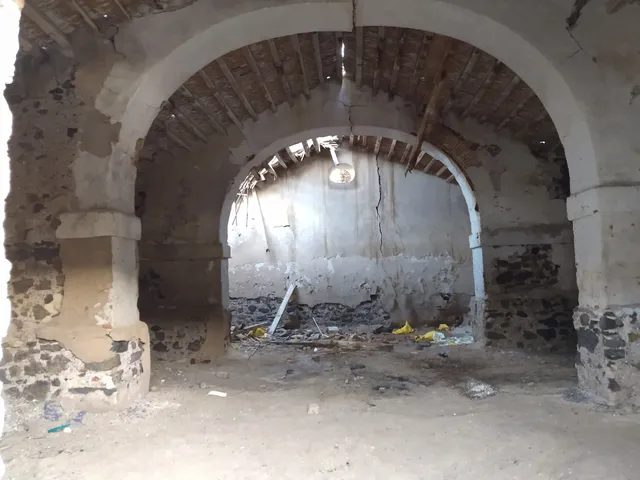
Salinas de la ramona These are the ruins of a salt mine and a saltwater spring at the beginning of the Barranco del Salero ravine. When the salt mines were still in operation, the water was collected in various mines and transported through underground pipes to a small irrigation ditch. The channel ran parallel to the ravine, along the right bank, until it split to supply the four ponds or cauldrons with water. The water from the ponds flowed to the threshing floors or threshing platforms (where it evaporated more easily) and from there the salt was collected. The production of this took 21 days and was only possible at a temperature of 35-40 degrees. The warehouse was located next to the main house of the salt workers, on a higher level. Calasparra salt was sold to factories that produced pig feed and to livestock farms. Small quantities were also used for human consumption, for which the salt was first ground. From the 16th to the 18th century, the salt mines were considered the main economic engine of the city, even more important than silk and rice. I have not been able to find out until what period the mines were in use.
suzana rsuzana r
Very old saline. Interesting to visit. The remaining buildings are not in a good state but it is worthy to see them.
María José LMaría José L
Es un lugar de interés histórico sobre el oficio de evaporar agua salada de un manantial para obtener sal de mesa. Ahora mismo está abandonada pero se observan todavía las balsas de evaporación, las canalizaciones, el nacimiento del manantial... Su dueño, José el salero, es de Calasparra y se dedicó a ello hasta su jubilación.
See more posts
See more posts
hotel
Find your stay

Pet-friendly Hotels in Calasparra

Find a cozy hotel nearby and make it a full experience.

Salinas de la ramona These are the ruins of a salt mine and a saltwater spring at the beginning of the Barranco del Salero ravine. When the salt mines were still in operation, the water was collected in various mines and transported through underground pipes to a small irrigation ditch. The channel ran parallel to the ravine, along the right bank, until it split to supply the four ponds or cauldrons with water. The water from the ponds flowed to the threshing floors or threshing platforms (where it evaporated more easily) and from there the salt was collected. The production of this took 21 days and was only possible at a temperature of 35-40 degrees. The warehouse was located next to the main house of the salt workers, on a higher level. Calasparra salt was sold to factories that produced pig feed and to livestock farms. Small quantities were also used for human consumption, for which the salt was first ground. From the 16th to the 18th century, the salt mines were considered the main economic engine of the city, even more important than silk and rice. I have not been able to find out until what period the mines were in use.
Vanlife With Joy

Vanlife With Joy

hotel
Find your stay

Affordable Hotels in Calasparra

Find a cozy hotel nearby and make it a full experience.

Get the Appoverlay
Get the AppOne tap to find yournext favorite spots!
Very old saline. Interesting to visit. The remaining buildings are not in a good state but it is worthy to see them.
suzana r

suzana r

hotel
Find your stay

The Coolest Hotels You Haven't Heard Of (Yet)

Find a cozy hotel nearby and make it a full experience.

hotel
Find your stay

Trending Stays Worth the Hype in Calasparra

Find a cozy hotel nearby and make it a full experience.

Es un lugar de interés histórico sobre el oficio de evaporar agua salada de un manantial para obtener sal de mesa. Ahora mismo está abandonada pero se observan todavía las balsas de evaporación, las canalizaciones, el nacimiento del manantial... Su dueño, José el salero, es de Calasparra y se dedicó a ello hasta su jubilación.
María José L

María José L

See more posts
See more posts

Reviews of Salinas de la Ramona

4.0
(21)
avatar
3.0
38w

Salinas de la ramona

These are the ruins of a salt mine and a saltwater spring at the beginning of the Barranco del Salero ravine.

When the salt mines were still in operation, the water was collected in various mines and transported through underground pipes to a small irrigation ditch. The channel ran parallel to the ravine, along the right bank, until it split to supply the four ponds or cauldrons with water.

The water from the ponds flowed to the threshing floors or threshing platforms (where it evaporated more easily) and from there the salt was collected. The production of this took 21 days and was only possible at a temperature of 35-40 degrees.

The warehouse was located next to the main house of the salt workers, on a higher level. Calasparra salt was sold to factories that produced pig feed and to livestock farms. Small quantities were also used for human consumption, for which the salt was first ground.

From the 16th to the 18th century, the salt mines were considered the main economic engine of the city, even more important than silk and rice.

I have not been able to find out until what period the mines...

   Read more
avatar
5.0
2y

Very old saline. Interesting to visit. The remaining buildings are not in a good state but it is worthy...

   Read more
avatar
5.0
3y

Es un lugar de interés histórico sobre el oficio de evaporar agua salada de un manantial para obtener sal de mesa. Ahora mismo está abandonada pero se observan todavía las balsas de evaporación, las canalizaciones, el nacimiento del manantial... Su dueño, José el salero, es de Calasparra y se dedicó a ello hasta...

   Read more
Page 1 of 6
Previous
Next