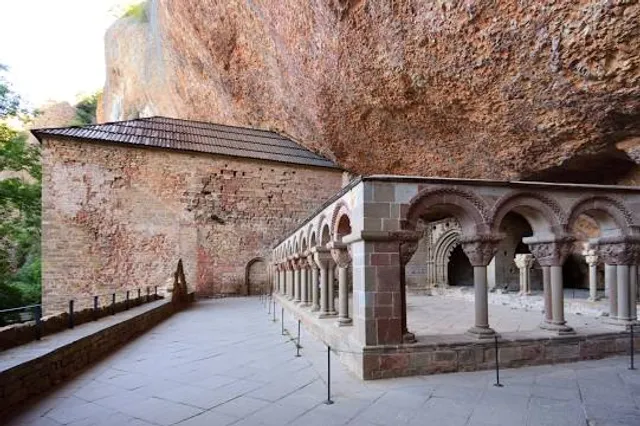
Cuenta la leyenda que un joven noble de nombre Voto (en algunas versiones, Oto) vino de caza por estos parajes cuando avistó un ciervo. El cazador corrió tras la presa, pero esta era huidiza y al llegar al monte Pano, se despeñó por el precipicio. Milagrosamente su caballo se posó en tierra suavemente. Sano y salvo en el fondo del barranco, vio una pequeña cueva en la que descubrió una ermita dedicada a San Juan Bautista y, en el interior, halló el cadáver de un ermitaño llamado Juan de Atarés. Impresionado por el descubrimiento, fue a Zaragoza, vendió todos sus bienes y junto a su hermano Félix se retiró a la cueva, donde iniciaron una vida eremítica.
Este sería el inicio del Monasterio del que escribía don Miguel de Unamuno:
"...la boca de un mundo de peñascos espirituales revestidos de un bosque de leyenda, en el que los monjes benedictinos, medio ermitaños, medio guerreros, verían pasar el invierno, mientras pisoteaban la nieve jabalíes de carne y hueso, salidos de los bosques, osos, lobos y otros animales salvajes."
Se habitan estas montañas poco después de la conquista musulmana, al construir el castillo de Pano, destruido en el año 734. El origen legendario del Reino de Aragón también encuentra en el monasterio cueva de San Juan de la Peña su propia historia, cuando reunidos los guerreros cristianos junto a Voto y Félix deciden por aclamación nombrar a Garci Ximénez su caudillo que les conducirá a la batalla por reconquistar tierras de Jaca y Aínsa, lugar este donde se produjo el milagro de la cruz de fuego sobre la carrasca del Sobrarbe.
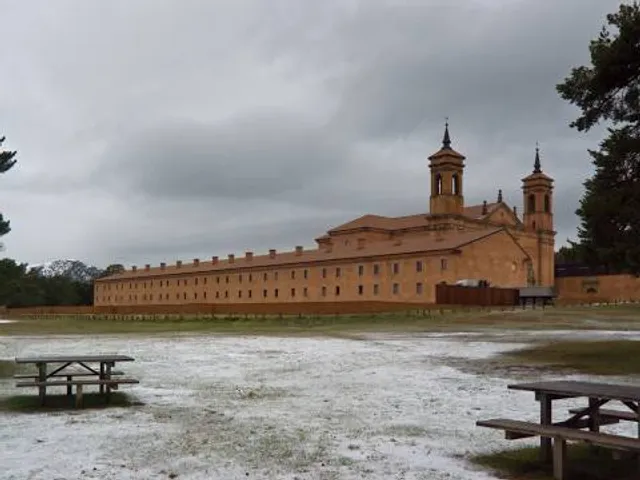
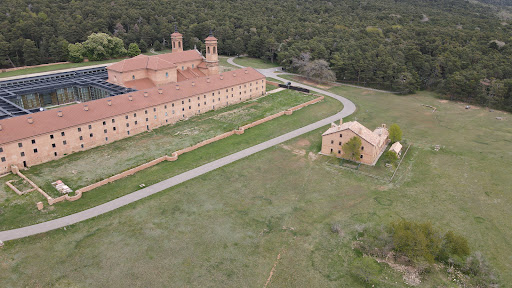
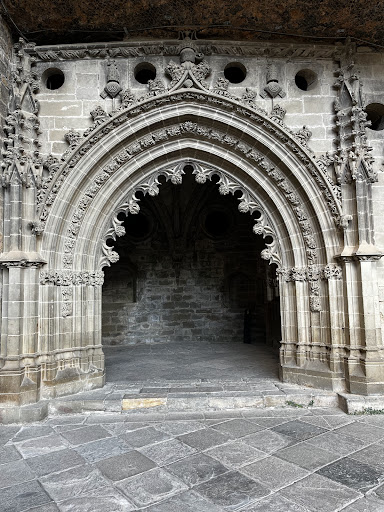
Probablemente existiera algún tipo de cenobio anterior al siglo XI, pero la construcción de mayor importancia empieza el año 1026 por iniciativa de Sancho el Mayor de Pamplona. En el año 1071 el rey Sancho Ramírez cede el conjunto existente a los monjes cluniacenses y favorece su reforma. En este momento se levanta el conjunto que hoy queda, en mayor o menor medida. La reforma benedictina de Cluny no podía obviar la construcción de un claustro que se finalizará ya entrado el siglo XII.
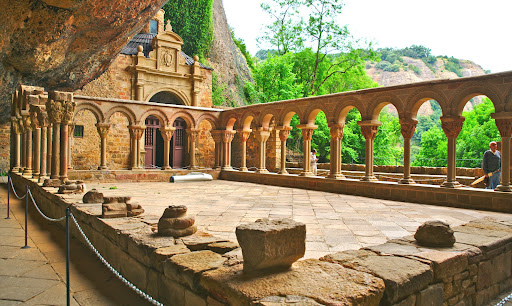
A finales del siglo XI son un conjunto de capiteles de influencia jaquesa del claustro con temas de animales fantásticos y algunos motivos geométricos y vegetales donde destacan los roleos. Un segundo grupo, formado por veinte capiteles, fue encargado en el último tercio del siglo XII al llamado maestro de San Juan de la Peña, autor anónimo, también conocido como Maestro de Agüero, probablemente para sustituir otro anterior. El pequeño recinto ofrecía un cerramiento diáfano en forma de arcadas separadas por columnas. Los arcos se veían rematados con cenefas con el típico taqueado jaqués.
En San Juan de la Peña, los reyes de Aragón fueron sepultados en tumbas de piedra colocadas en tres órdenes superpuestos, desde la roca hacia afuera, presentando a la vista solo los pies del féretro. El panteón real ocupa las dependencias de la antigua sacristía de la iglesia alta, que data del siglo XI; fue reformado por Carlos III en 1770, siguiendo las indicaciones de don José Nicolás de Azara y del conde de Aranda, quien quiso ser enterrado en el atrio. La reforma solo afectó a la decoración, quedando los sepulcros en el mismo lugar; se levantó delante de ellos una pared en la que se colocaron láminas de bronce con las inscripciones correspondientes, se distribuyó por la sala profusión de estucos y mármoles, colocando en la pared frontera unos medallones con relieves que representan escenas de legendarias batallas.
Alberga los restos de algunos monarcas navarros que reinaron en Aragón, de los primeros condes aragoneses y de los tres reyes iniciales de la dinastía ramirense, Ramiro I, Sancho Ramírez, Pedro I, junto con...
Read more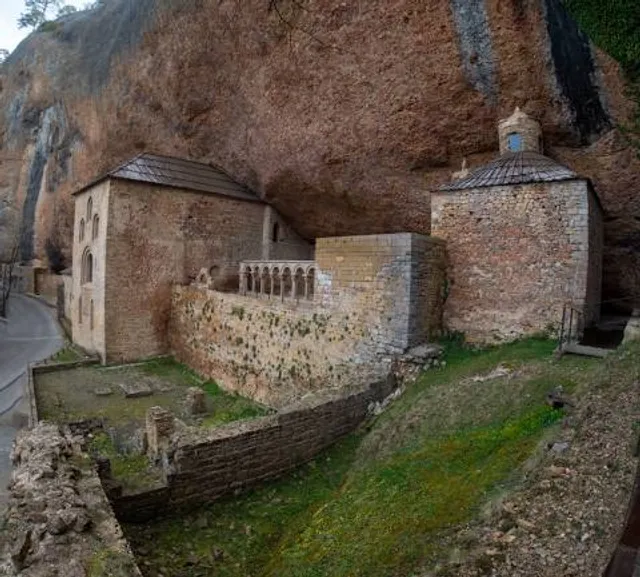
 Learn more insights from Wanderboat AI.