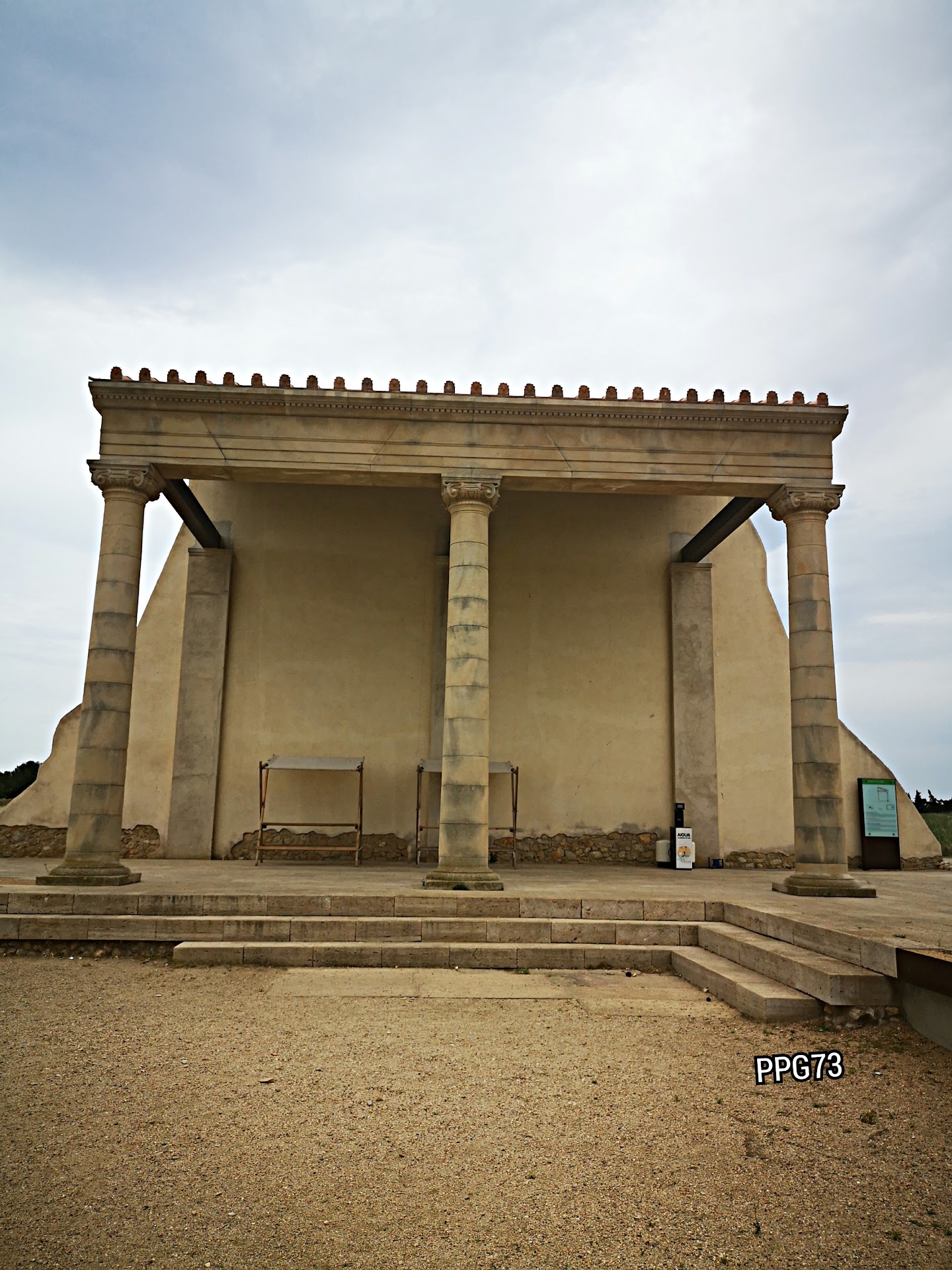
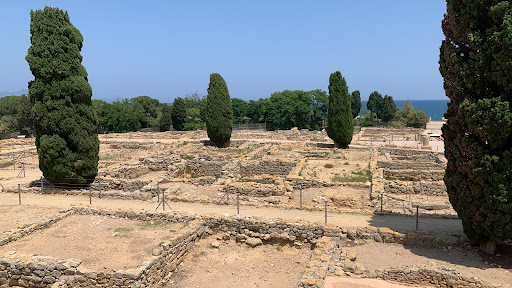
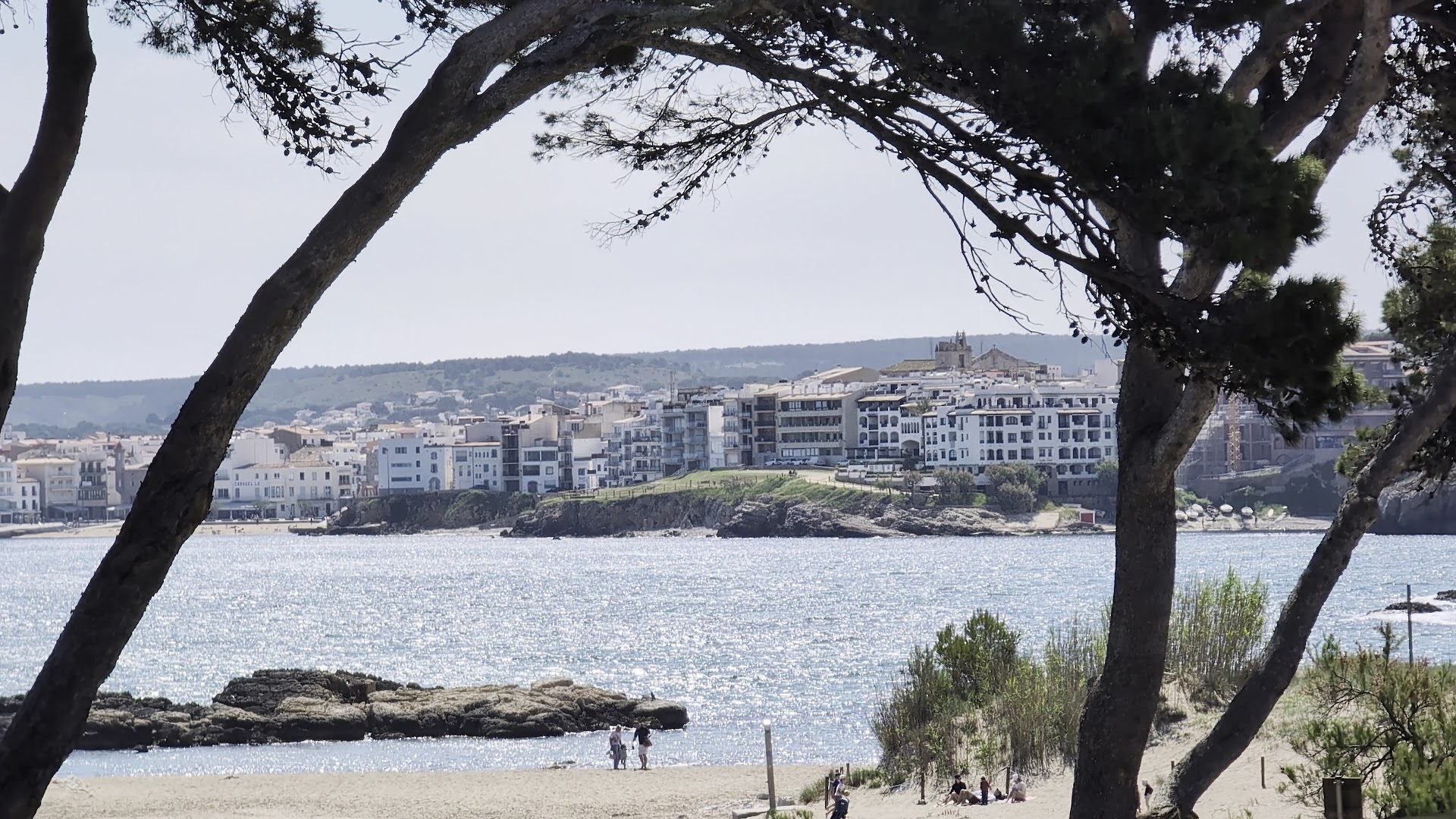
Archeology Museum Empúries things to do, attractions, restaurants, events info and trip planning
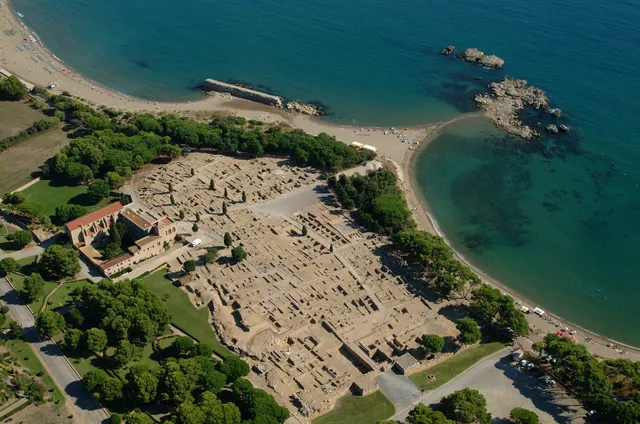
Basic Info
Archeology Museum Empúries
C/ Puig i Cadafalch, s/n, 17130 L'Escala, Girona, Spain
4.6(4.5K)
Closed

tickets
Save
spot
spot
Ratings & Description
Info
Cultural
Scenic
Outdoor
Family friendly
Accessibility
attractions: Moll Grec, El Portitxol, Platja del Convent, Platja d'Empúries, restaurants: Restaurant Bretta, Restaurant @ Hostal Empuries, L'Esculapi, Mesón del Conde, Gambo, Beach Bar Gambo, Emporion, La Terrassa d'Empúries, Bistró del Mar, Can Coll, local businesses: Les Muscleres Beach, Empúries Archaeology Museum (MAC), Ruïnes d'Empúries, Platja del Rec del Molí
 Learn more insights from Wanderboat AI.
Phone
+34 972 77 02 08
Website
mac.cat
Open hoursSee all hours
Sun10 AM - 5 PMClosed
Plan your stay

Pet-friendly Hotels in l'Escala
Find a cozy hotel nearby and make it a full experience.

Affordable Hotels in l'Escala
Find a cozy hotel nearby and make it a full experience.

The Coolest Hotels You Haven't Heard Of (Yet)
Find a cozy hotel nearby and make it a full experience.

Trending Stays Worth the Hype in l'Escala
Find a cozy hotel nearby and make it a full experience.
Reviews
Live events
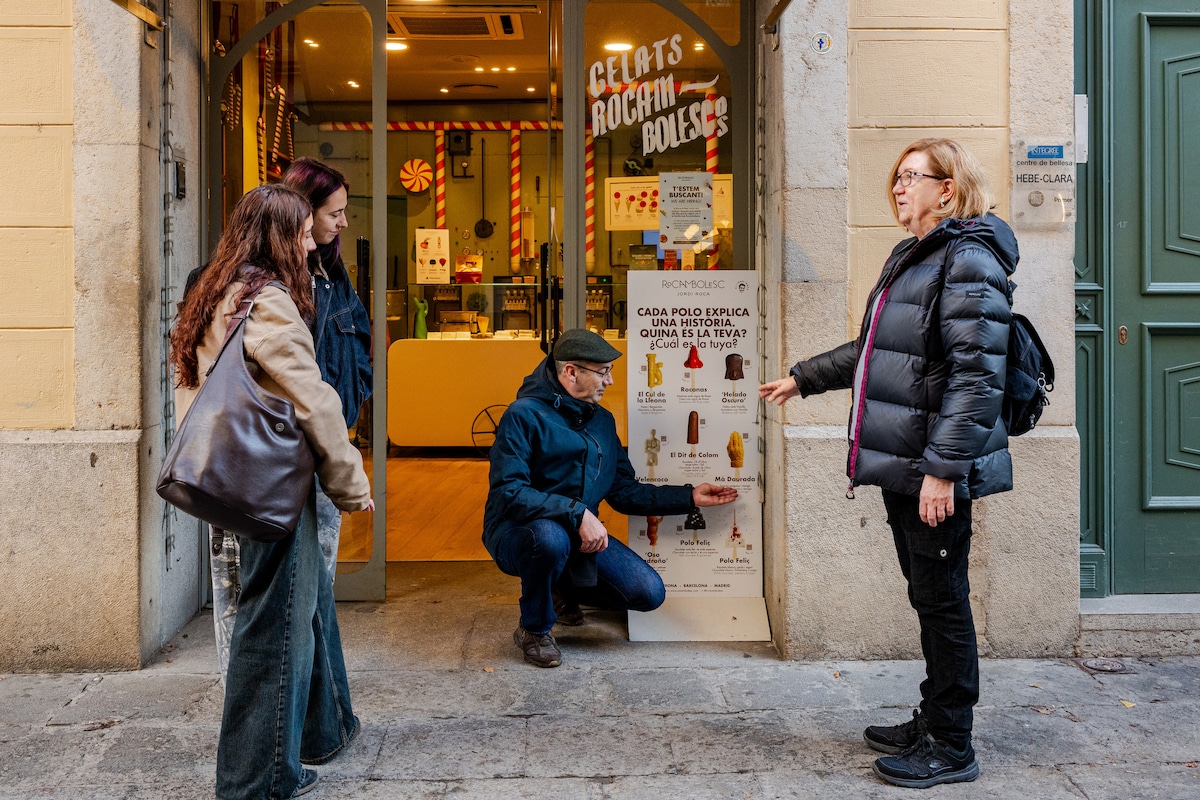
Discover Girona with a Local Guide
Sun, Feb 22 • 9:30 AM
17004, Girona, Catalonia, Spain
View details
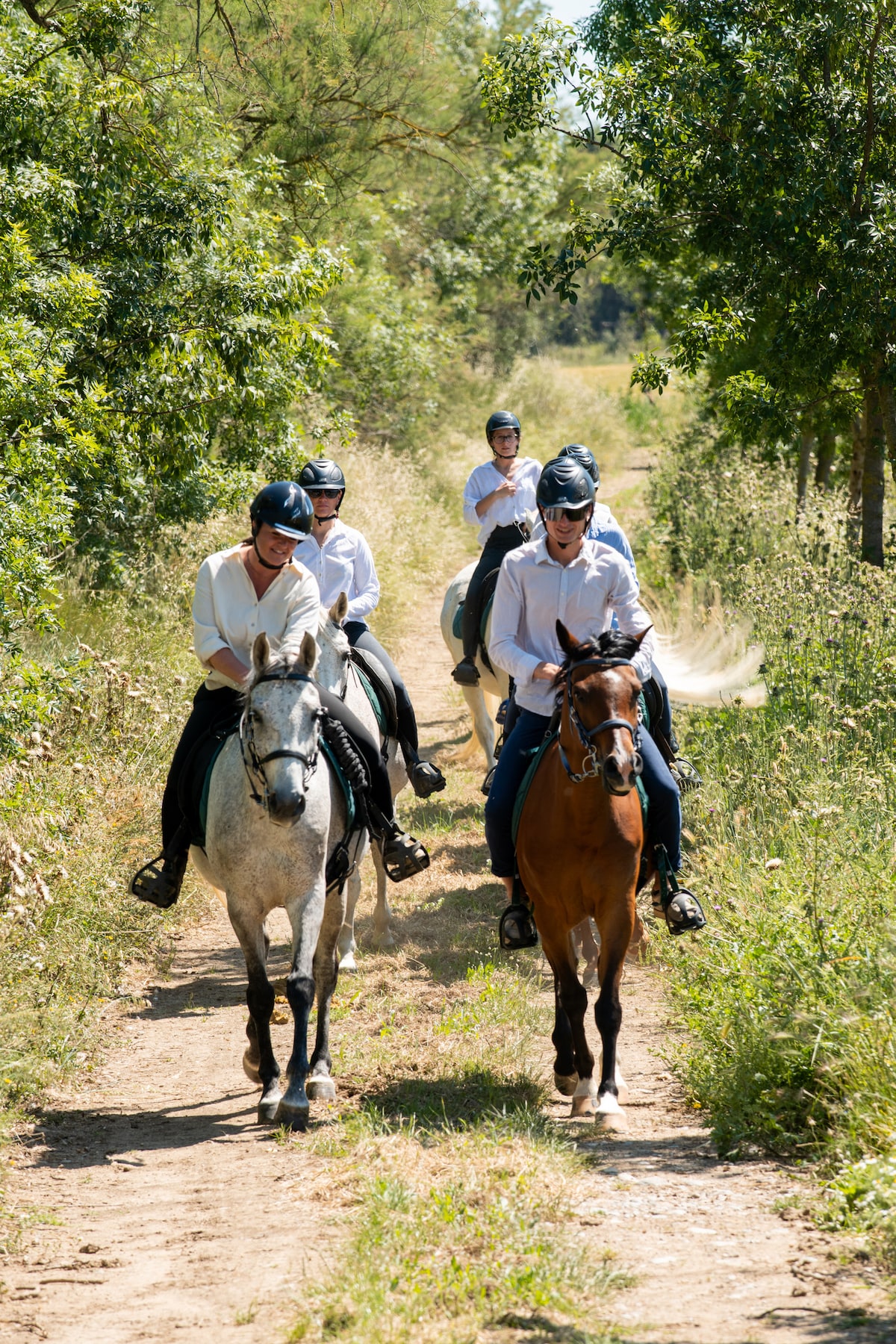
Horseback riding through the landscapes of Alt Empordà
Sun, Feb 22 • 10:00 AM
17469, Siurana, Catalunya, Spain
View details
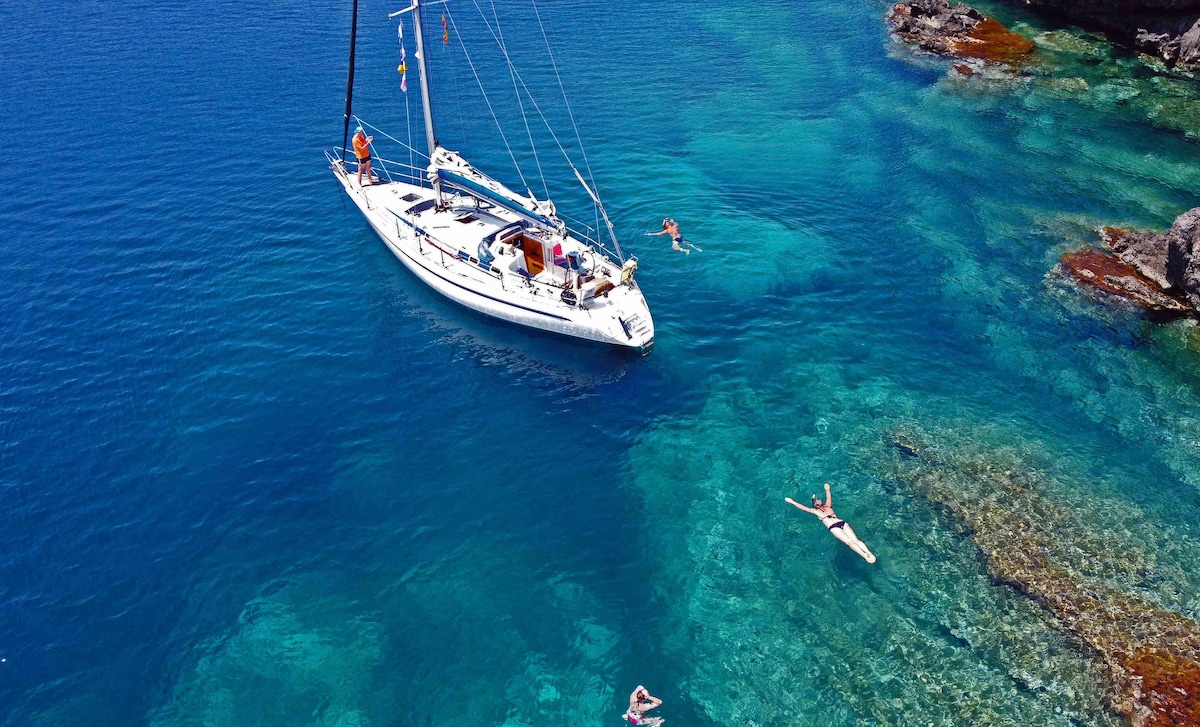
Sail the Costa Brava with a ships captain
Sun, Feb 22 • 1:00 PM
17480, Girona, Catalonia, Spain
View details
Nearby attractions of Archeology Museum Empúries
Moll Grec
El Portitxol
Platja del Convent
Platja d'Empúries
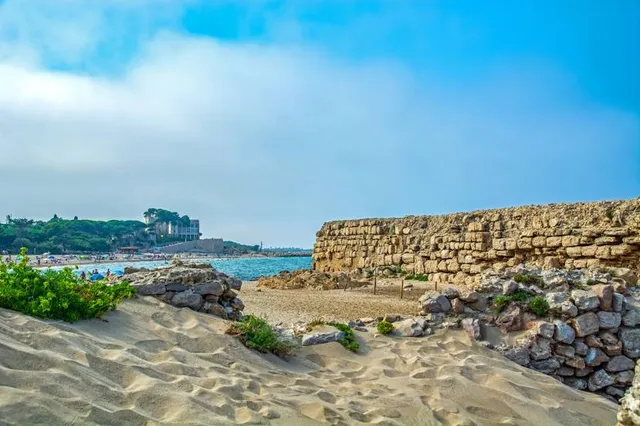
Moll Grec
4.7
(226)
Open until 12:00 AM
Click for details
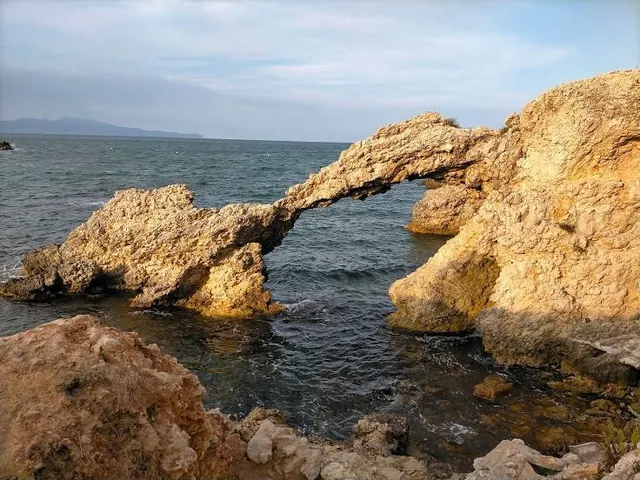
El Portitxol
4.7
(144)
Open 24 hours
Click for details
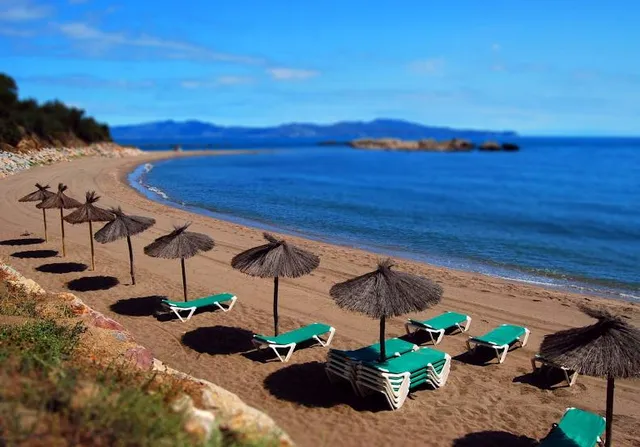
Platja del Convent
4.6
(13)
Open 24 hours
Click for details
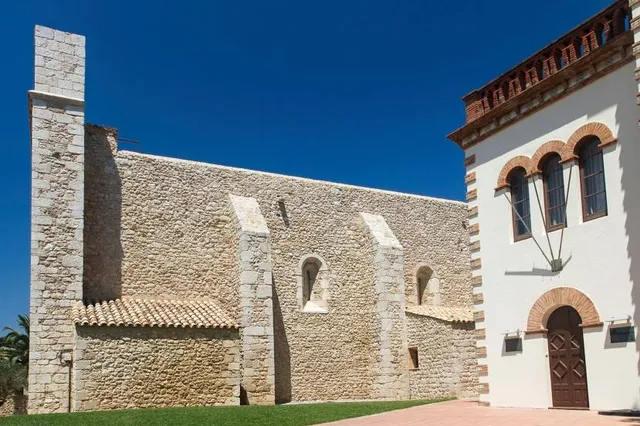
Platja d'Empúries
4.6
(676)
Open 24 hours
Click for details
Nearby restaurants of Archeology Museum Empúries
Restaurant Bretta
Restaurant @ Hostal Empuries
L'Esculapi
Mesón del Conde
Gambo
Beach Bar Gambo
Emporion
La Terrassa d'Empúries
Bistró del Mar
Can Coll
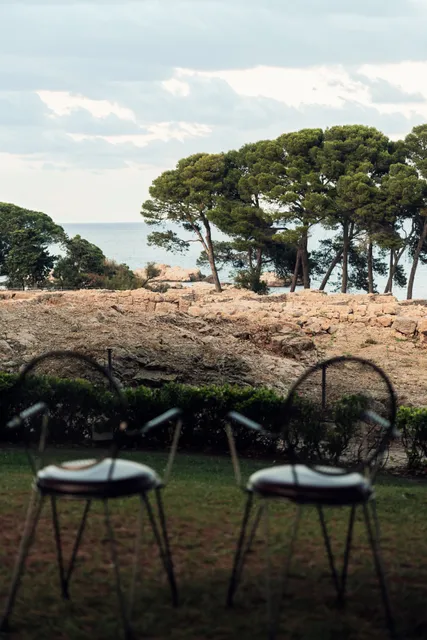
Restaurant Bretta
4.2
(231)
Click for details
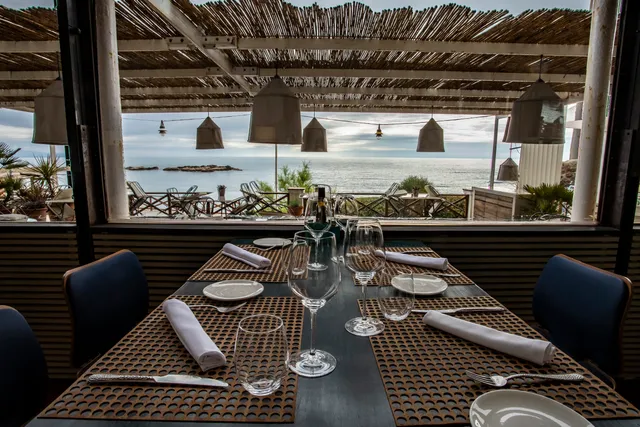
Restaurant @ Hostal Empuries
4.3
(272)
Closed
Click for details
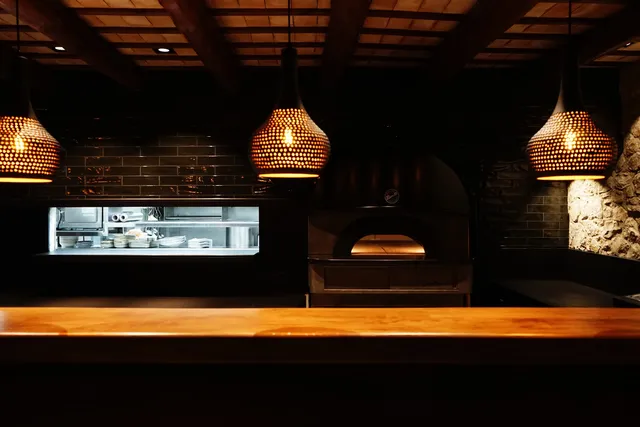
L'Esculapi
4.3
(1.6K)
Click for details
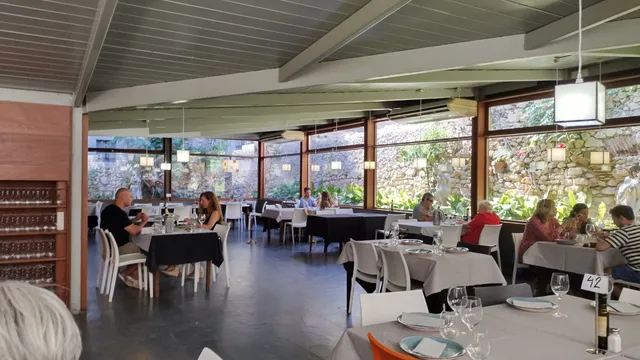
Mesón del Conde
4.5
(1.5K)
Closed
Click for details
Nearby local services of Archeology Museum Empúries
Les Muscleres Beach
Empúries Archaeology Museum (MAC)
Ruïnes d'Empúries
Platja del Rec del Molí
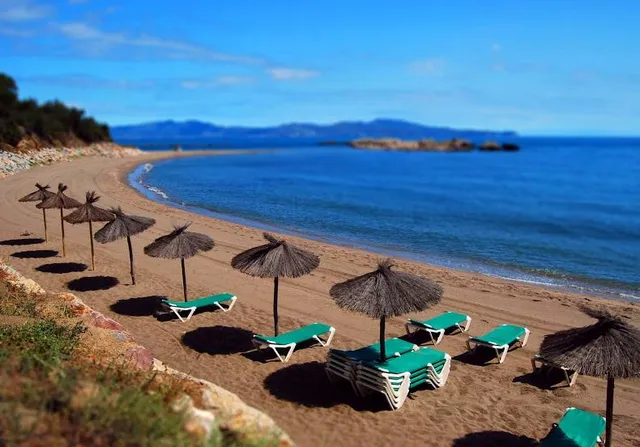
Les Muscleres Beach
4.5
(196)
Click for details
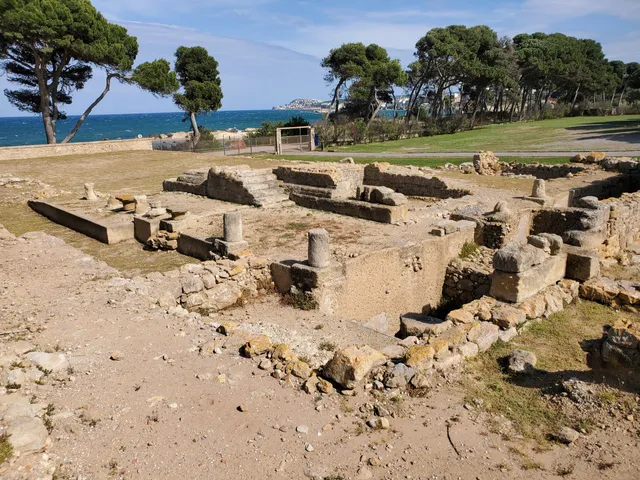
Empúries Archaeology Museum (MAC)
4.8
(136)
Click for details
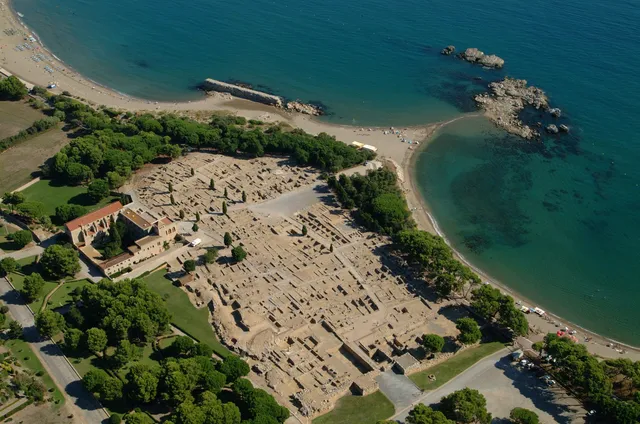
Ruïnes d'Empúries
4.6
(3.6K)
Click for details
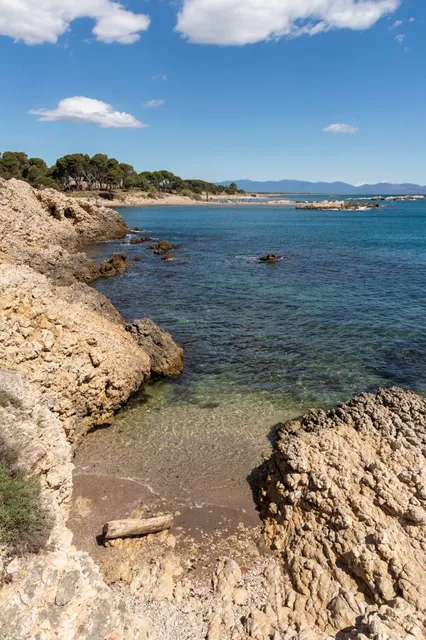
Platja del Rec del Molí
4.2
(600)
Click for details