Last summer, we embarked on a road trip across northern Spain, a journey we had yearned for years to undertake. Our aim was to explore the breathtaking landscapes of Asturias, Cantabria, and the Basque Country.
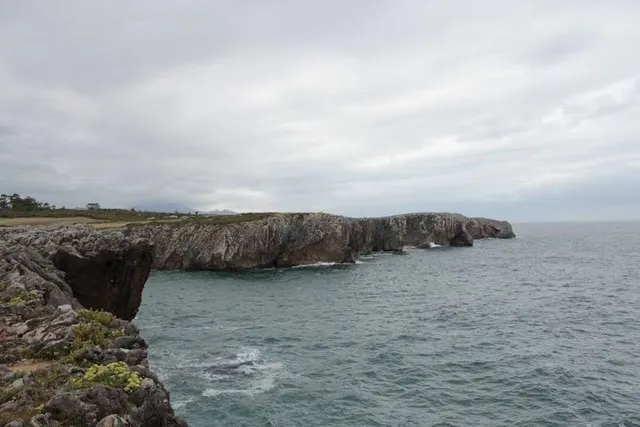
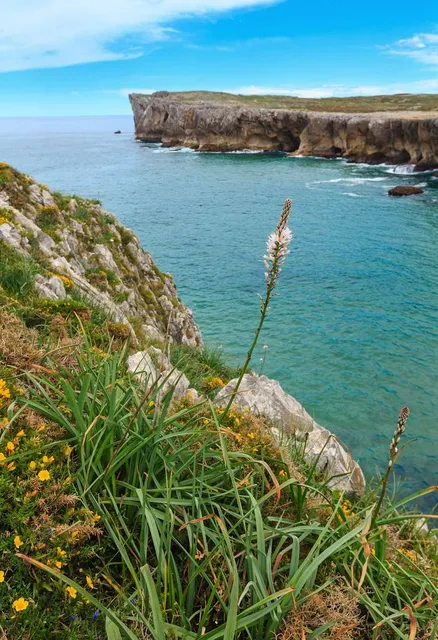
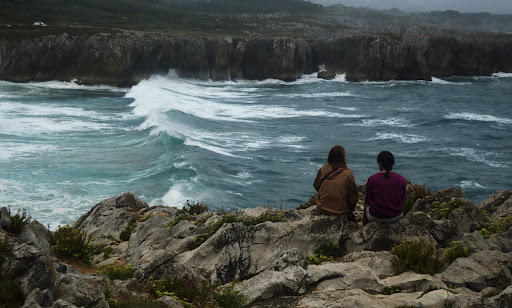
One of our most memorable stops was at Los Bufones de Pria. Nestled in Asturias, this natural marvel is renowned for its unique geological formations. Historically, the area has been shaped by the relentless forces of nature, where the Cantabrian Sea meets the rugged Asturian coast. On the day of our visit, rain was falling, and the tide was violently crashing against the porous cliffs, a testament to the dynamic interplay between land and sea that has sculpted this landscape over millennia.
As we wandered around the headlands, we experienced the dramatic phenomenon for which Los Bufones de Pria is famous. The pressure created by the turbulent seas forces air up through the caverns in the ground, resulting in spectacular spouts of water and air, akin to geysers. These natural blowholes are a geological rarity, formed by the erosion of limestone cliffs over countless years. The sudden rush of cold air erupting from beneath our feet was both startling and awe-inspiring.
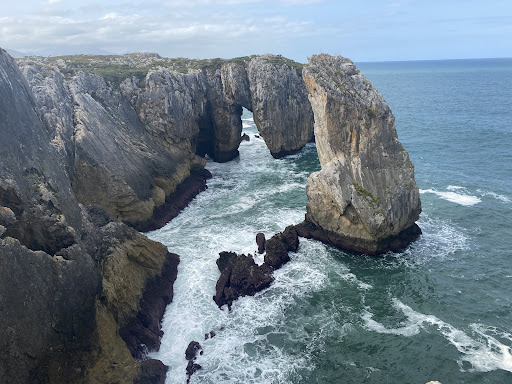
Despite the initial surprise, we found the landscape otherworldly. It features jagged-edged rocks and towering cliffs that loom majestically over the sea. The thrashing waves create a sonic backdrop that drowns out all other sounds, adding to the surreal atmosphere.
For anyone planning a visit to Asturias, Los Bufones de Pria is an unmissable destination. It's a place where nature's raw power is on full display, offering a glimpse into the ancient geological processes that have shaped the Earth's surface.
This mesmerizing experience was captured through the lens of photographer Pierre Austin, whose images vividly convey the rugged beauty of this...
Read moreVisited during a somewhat dark and cloudy day in late February and almost at the end of the day. Was cold but pleasant to walk around. I could hardly see past 40 meters ahead (130 feet) but it was a lovely walk. Cars are only allowed about 10 minutes away walking to the Bufones. During rainy and cold days it can be wet, muddy and there is a significant amount of poop (probably from local horses or cows). Wear something comfortable but I wouldn’t take my best shoes (next time at least). Once you reach the area of the Bufones you will first notice the different rock formations around the floor. Be VERY careful on where you step as some of the rocks are slippery and there are lots of inconvenient places you don’t want to fall to. I first noticed the holes in the ground when hearing the sea and water sound coming from them. It’s something different. Unfortunately I didn’t get to see water spilling up from them but would return to see it in action. I also took the time to enjoy the local surroundings. Time well spent even though it was...
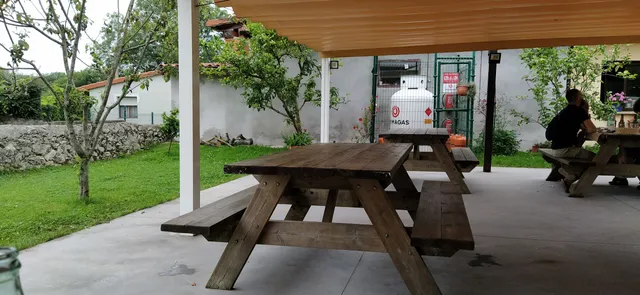
Read moreA wonderful place to spend a half-day or day at. It is very special to see it in all weather conditions. When it's warm and sunny, you enjoy views and walk on the top of the cliffs, you can have a BBQ on the BBQ ready there for you, sitting on the benches at the table and enjoy the views, sun and sounds of the sea. You can have a nice walk to Ribadesella. In the Autumn and Winter, when the weather turns to be rough, you can experience the 'bufones' at their strongest, watching the streams of water rushing out of the deep inside of the rocky cliff and appearing somewhere where you wouldn't expect them, with a big impressive puff! Do not look into the holes! And enjoy the lovely experience. It's is one of the places we love to return, over...
Read more