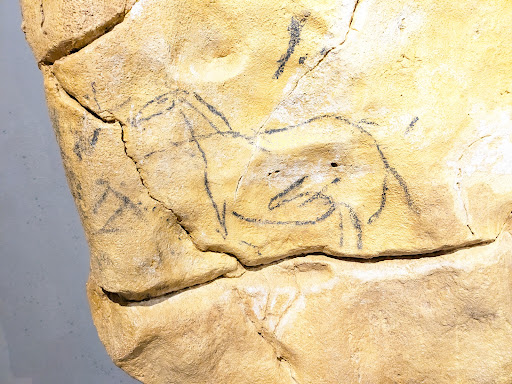
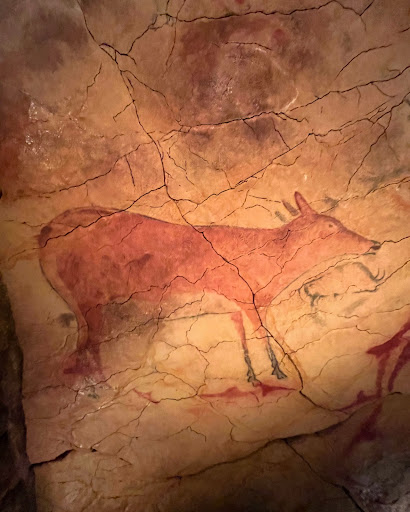
The Cave of Altamira and Paleolithic Cave Art of Northern Spain, a UNESCO World Heritage Site, is a treasure trove of ancient art that provides a captivating window into the lives and creativity of our prehistoric ancestors. Located in Cantabria, Spain, this site is renowned for its remarkably preserved cave paintings that date back thousands of years.
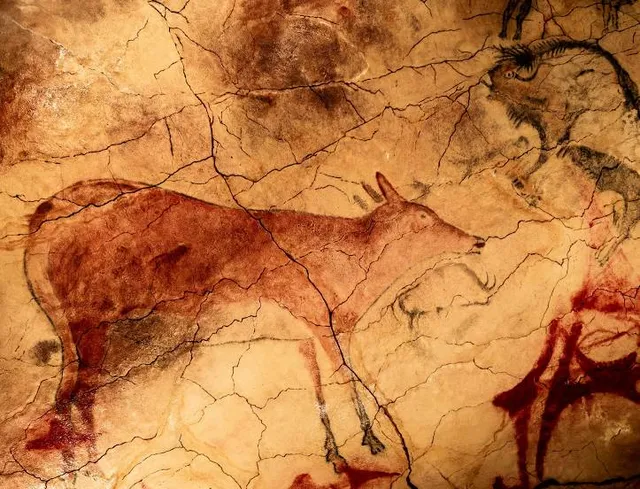
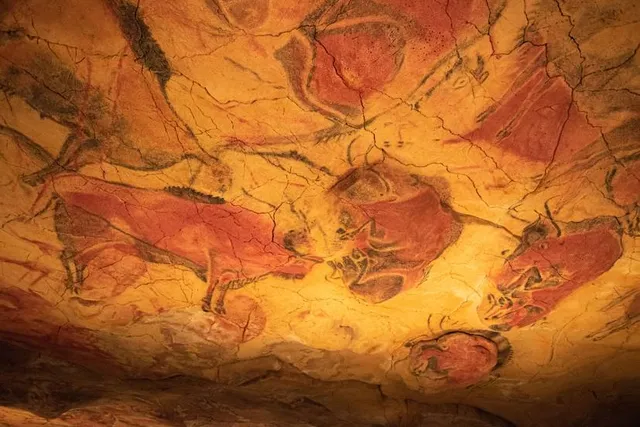
Stepping into the Cave of Altamira is like entering a time capsule. The awe-inspiring beauty of the rock art instantly transports visitors to an era long gone. The intricate paintings, created by our Paleolithic ancestors, depict a rich tapestry of animals, human figures, and enigmatic symbols. The vibrant colors, the meticulous details, and the sheer artistic skill exhibited in these works of art are nothing short of extraordinary.
As I explored the cave, accompanied by knowledgeable guides, I marveled at the complexity and sophistication of the artwork. The use of natural pigments, such as iron oxide and charcoal, combined with the play of light and shadow, creates a mesmerizing effect. The artists' ability to capture movement, anatomical accuracy, and a sense of life in their depictions of animals is truly remarkable.
The preservation efforts at the Cave of Altamira are exemplary. Due to the fragility of the paintings and the potential damage caused by human presence, access to the original cave is limited. However, a meticulously recreated replica known as Altamira Museum and Neocave offers visitors a chance to experience the art in a controlled environment. The replica faithfully reproduces the cave's contours, textures, and paintings, allowing for an immersive and informative encounter with this ancient art.
The Altamira Museum provides invaluable insights into the archaeological discoveries and the techniques employed by our ancestors to create these masterpieces. Informative exhibits, multimedia presentations, and interactive displays elucidate the context, symbolism, and significance of the cave art, deepening our understanding of the lives and beliefs of our ancient predecessors.
Beyond the Cave of Altamira, the region of Northern Spain is dotted with other Paleolithic cave art sites, collectively forming a rich cultural landscape. Visitors have the opportunity to explore caves such as El Castillo, Las Monedas, and Tito Bustillo, each offering its own unique collection of ancient art. The combined experience of witnessing the diverse styles, themes, and artistic expressions across these sites provides a comprehensive glimpse into the prehistoric artistry of the region.
The Cave of Altamira and Paleolithic Cave Art of Northern Spain stands as a testament to the artistic achievements of our ancient ancestors. It is a site of universal importance that showcases the timeless human quest for creativity and expression. A visit to this extraordinary place is an awe-inspiring journey through time, connecting us to our shared human heritage and igniting a deep appreciation for the artistic genius of those who...
Read moreMixed experience. Ticket lady very impatient and frankly directly rude and sour. I understand that there is a lot of people going through every day. Must have been 8 people in line to get tickets and that must have been the reason for them behaving like that being just two people to take payment from all 4 couples. Maybe it would be better if their webpage explain that they have no interest in outside people visiting their precious cave, and that travelers money is better spent elsewhere. Because i felt very unwelcome. If you want a chance to enter the real cave, bring passport or driver's license. Doesn't say on their webpage, but any photo ID won't be sufficient. Clearly they have a problem with people falsifying identities to get into the cave. The tour of the "new" cave, or replica, was a nice experience, with a good guide that took time to explain and show the children some extra attention so they were also able to see the outline of the carvings and paintings. Also other staff in the museum was forthcoming and helpful. With one exception. The lady at the shop was not fond of her job and another rude and sour person. Maybe they would prefer to be unemployed and rid of tourism. I don't know. But i was waiting for my girlfriend to finish hoarding books and items from the shop, and i was observing the interaction with customers, and i was appalled. I decided that if she behaved like that to me, i would shut her down and tell her off, but when we payed she restricted herself to be very short. Upon asking if a picture was available in a bigger size anywhere, she replied no before the question was asked, and offered nothing but a rather toxic stare. As i said, mixed experience, and all in all their behaviour dampened the overall day significantly, and I'm sorry to say that the 100 euro we spent on items perhaps would be better spent elsewhere. Such a shame that in places where outside money is the very reason they have a job, they will employ these people that repell and make tourists and travellers feel unwelcome and like unwanted intruders into their lives. As if they have a chip on their shoulder towards you. Sad and unnecessary. Local people we spoke to in town were lovely and helpful. I'm sorry for leaving a bad review, but if no one says anything, nothing...
Read moreWhat you will see is a replica because the cova is permanently closed. The Altamira cave is a natural cavity in the rock in which one of the most important pictorial and artistic cycles of prehistory is preserved. It is part of the Altamira cave and Paleolithic cave art of the Cantabrian coast, declared a World Heritage Site by the UNESCO. It is located in the Spanish municipality of Santillana del Mar, in Cantabria, about two kilometers from the city center, in a meadow from which it took its name. Since its discovery, in 1868, by Modesto Cubillas and its subsequent study by Marcelino Sanz de Sautuola, it has been excavated and studied by the main prehistorians of each of the periods, once its attribution to the Paleolithic was admitted. The paintings and engravings of the cave belong mainly to the Magdalenian and Solutrean periods and, some others, to the Gravettian and the beginning of the Aurignacian, the latter according to tests using uranium series. In this way it can be ensured that the cave was used during several periods, adding 22,000 years of occupation, from about 36,500 to 13,000 years ago, when the main entrance of the cave was sealed by a landslide, all within the Paleolithic higher. The style of much of his work is part of the so-called "Franco-Cantabrian school", characterized by the realism of the figures represented. It contains polychrome paintings, engravings, black, red and ocher paintings that represent animals, anthropomorphic figures, abstract and non-figurative drawings. As for its polychrome ceiling, it has received qualifications such as the "Sistine Chapel" of cave art; "... the most extraordinary manifestation of this Paleolithic art...", "... the first decorated cave discovered and which continues to be the most splendid" and "...if [Paleolithic] cave painting is an example of great artistic ability, the Altamira cave represents his most outstanding work" indicate the great quality and beauty of the work of the Magdalenian man in this enclosure. It was declared a World Heritage Site by UNESCO in 1985. In 2008, the nomination was extended to other caves in the Basque Country, Asturias and Cantabria itself, renaming the group "Altamira Cave and Palaeolithic Cave Art". from the...
Read more