Tabernas Castle things to do, attractions, restaurants, events info and trip planning
Basic Info
Tabernas Castle
C. Cv del Castillo, 04200 Tabernas, Almería, Spain
4.0(369)
Open 24 hours
Save
spot
spot
Ratings & Description
Info
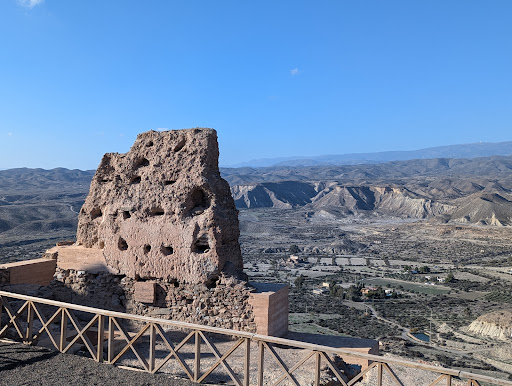
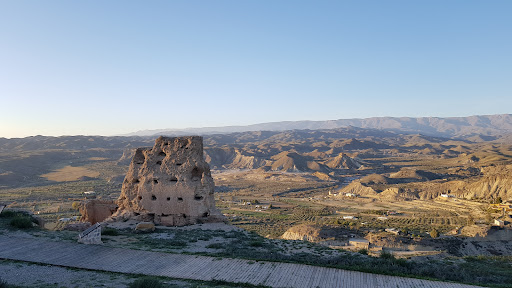
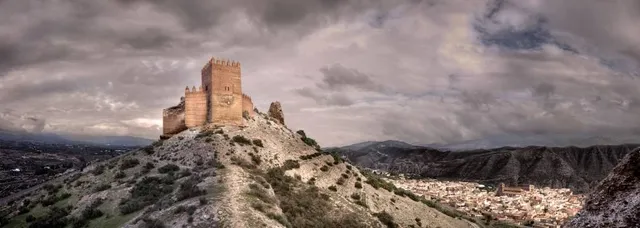
Castillo de Tabernas is a ruined castle on the outskirts of the municipality of Tabernas, Almería province, in the autonomous community of Andalusia, Spain. It was built in the 11th century during the time of Arab domination. It is of Moorish style and is situated on top of a hill.
Cultural
Outdoor
Scenic
attractions: Centro de Interpretación Terrera Ventura y Desierto de Tabernas, restaurants: La Dalía Gastrobar, Bar El Portichuelo, La Frontera, BAR C&C, Pub terraza cayo coco, DeLorean Coffee & Drinks, Granka, Café Bar La Plaza, WESTERN KITCHEN, Círculo de los Amigos, local businesses:
 Learn more insights from Wanderboat AI.
Website
tabernas.es
Plan your stay

Pet-friendly Hotels in Tabernas
Find a cozy hotel nearby and make it a full experience.

Affordable Hotels in Tabernas
Find a cozy hotel nearby and make it a full experience.

The Coolest Hotels You Haven't Heard Of (Yet)
Find a cozy hotel nearby and make it a full experience.

Trending Stays Worth the Hype in Tabernas
Find a cozy hotel nearby and make it a full experience.
Reviews
Live events

Candlelight: Queen vs. ABBA
Sat, Feb 14 • 5:00 PM
P.o de Almería, 56, Almería, 04001
View details
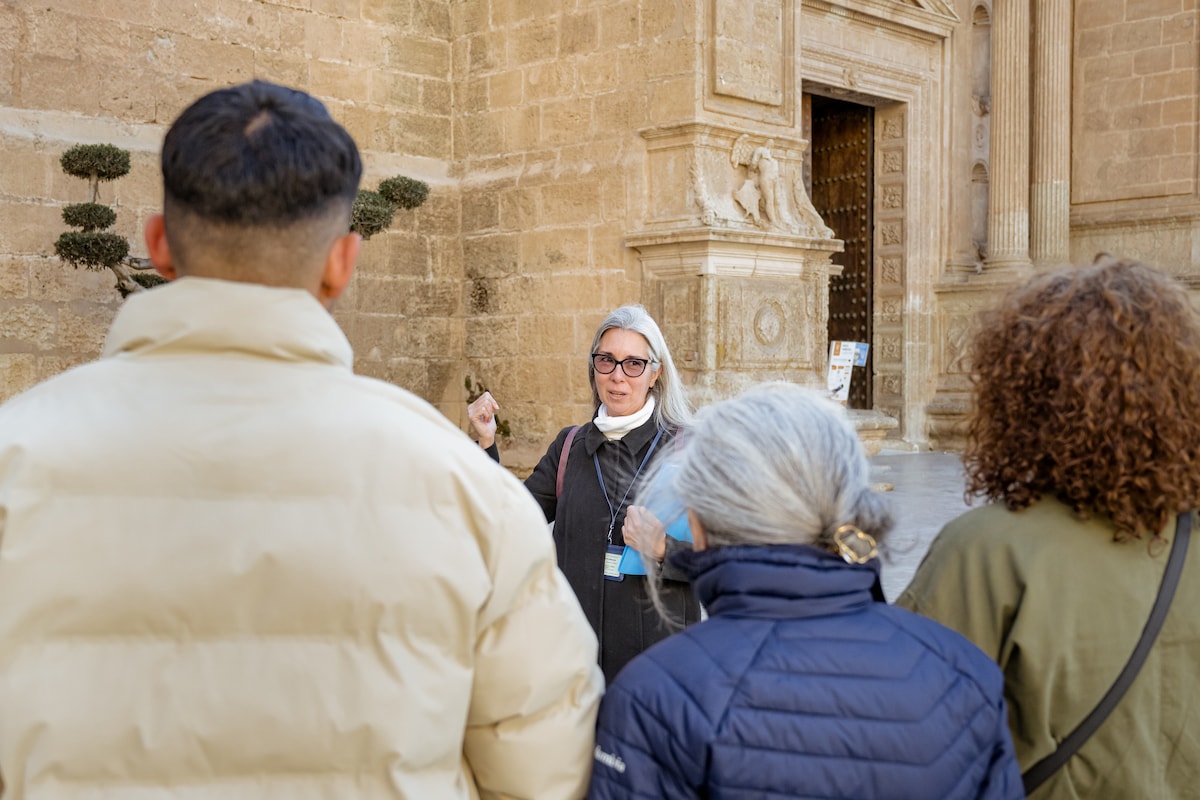
Guided tour of Almerías Old Town
Tue, Feb 10 • 10:00 AM
04001, Almería, Andalusia, Spain
View details

Language Exchange / Tandem Wednesdays in Almería
Wed, Feb 11 • 6:00 PM
36 Avenida de Cabo de Gata Entrance from the seafront. Entrada desde el paseo marítimo. 04007 Almería
View details
Nearby attractions of Tabernas Castle
Centro de Interpretación Terrera Ventura y Desierto de Tabernas
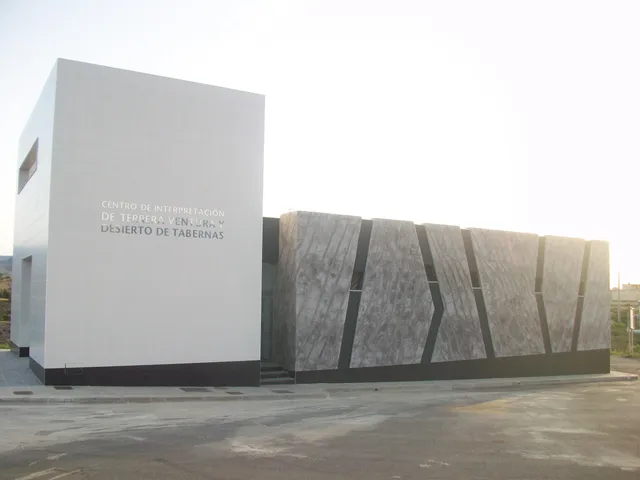
Centro de Interpretación Terrera Ventura y Desierto de Tabernas
3.6
(35)
Open until 12:00 AM
Click for details
Nearby restaurants of Tabernas Castle
La Dalía Gastrobar
Bar El Portichuelo
La Frontera
BAR C&C
Pub terraza cayo coco
DeLorean Coffee & Drinks
Granka
Café Bar La Plaza
WESTERN KITCHEN
Círculo de los Amigos
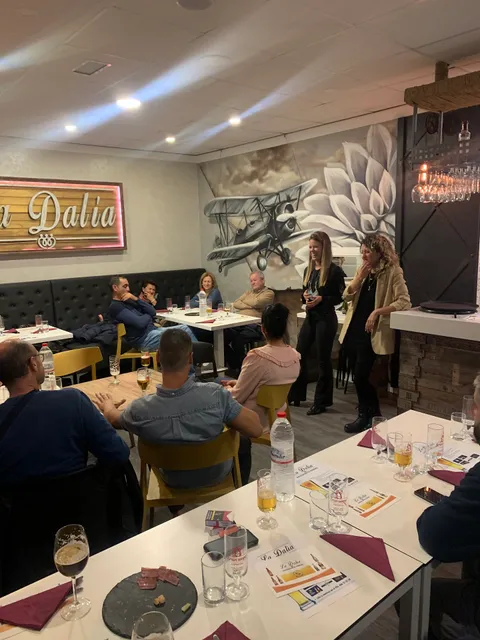
La Dalía Gastrobar
4.6
(439)
Open until 12:00 AM
Click for details
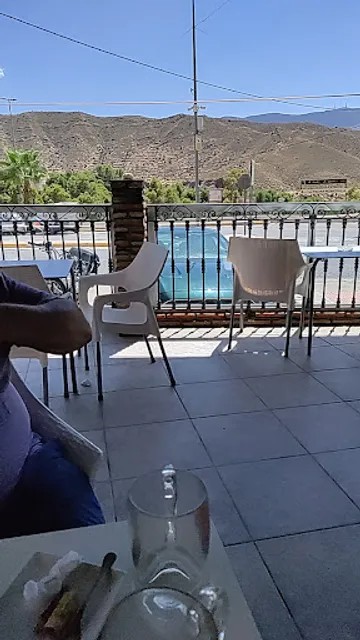
Bar El Portichuelo
4.4
(200)
Open until 12:00 AM
Click for details
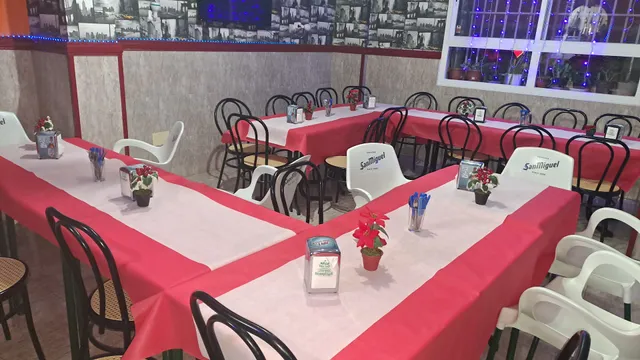
La Frontera
4.5
(116)
Closed
Click for details
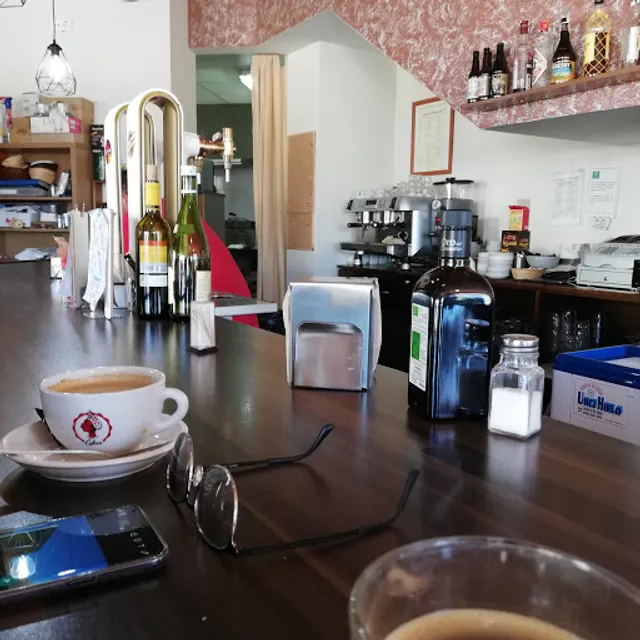
BAR C&C
4.4
(135)
Closed
Click for details