HTML SitemapExplore
logo
Find Things to DoFind The Best Restaurants

The Ferreres Aqueduct — Attraction in Tarragona

Name
The Ferreres Aqueduct
Description
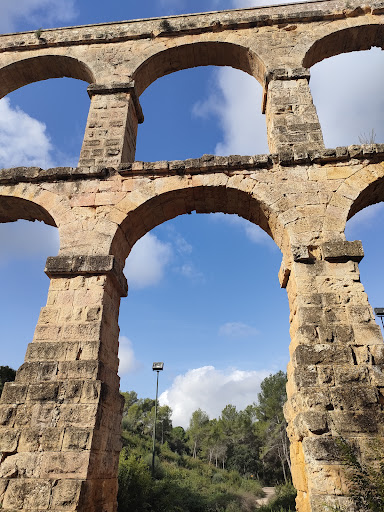
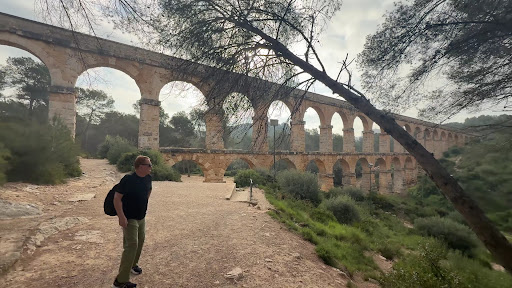
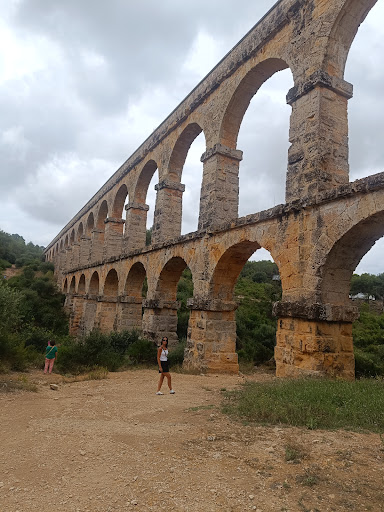
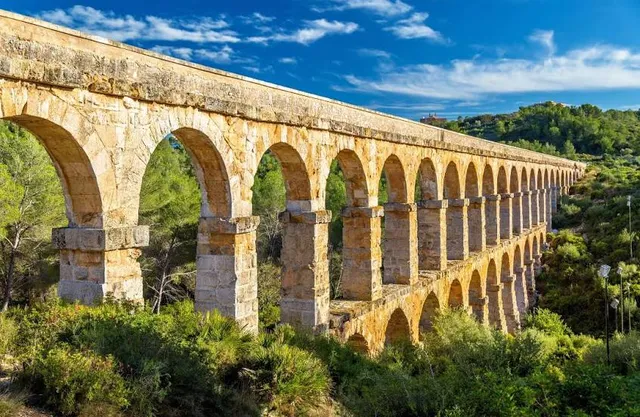
The Ferreres Aqueduct, also known as the Pont del Diable, is an ancient bridge, part of one of the Roman aqueducts that supplied water to the ancient city of Tarraco, today Tarragona in Catalonia, Spain. The bridge is located 4 km north of the city and is part of the Archaeological Ensemble of Tarraco.
Nearby attractions
Nearby restaurants
Restaurant el Pont del Diable
N-240, 3, 43130 Tarragona, Spain
Related posts
Keywords
The Ferreres Aqueduct tourism.The Ferreres Aqueduct hotels.The Ferreres Aqueduct bed and breakfast. flights to The Ferreres Aqueduct.The Ferreres Aqueduct attractions.The Ferreres Aqueduct restaurants.The Ferreres Aqueduct travel.The Ferreres Aqueduct travel guide.The Ferreres Aqueduct travel blog.The Ferreres Aqueduct pictures.The Ferreres Aqueduct photos.The Ferreres Aqueduct travel tips.The Ferreres Aqueduct maps.The Ferreres Aqueduct things to do.
The Ferreres Aqueduct things to do, attractions, restaurants, events info and trip planning
The Ferreres Aqueduct
SpainCataloniaTarragonaThe Ferreres Aqueduct

Basic Info

The Ferreres Aqueduct

43007 Tarragona, Spain
4.6(3.8K)
Open until 12:00 AM
Save
spot

Ratings & Description

Info

The Ferreres Aqueduct, also known as the Pont del Diable, is an ancient bridge, part of one of the Roman aqueducts that supplied water to the ancient city of Tarraco, today Tarragona in Catalonia, Spain. The bridge is located 4 km north of the city and is part of the Archaeological Ensemble of Tarraco.

Cultural
Outdoor
Family friendly
attractions: , restaurants: Restaurant el Pont del Diable
logoLearn more insights from Wanderboat AI.
Phone
+34 675 85 37 22
Website
tarragona.cat
Open hoursSee all hours
FriOpen 24 hoursOpen

Plan your stay

hotel
Pet-friendly Hotels in Tarragona
Find a cozy hotel nearby and make it a full experience.
hotel
Affordable Hotels in Tarragona
Find a cozy hotel nearby and make it a full experience.
hotel
The Coolest Hotels You Haven't Heard Of (Yet)
Find a cozy hotel nearby and make it a full experience.
hotel
Trending Stays Worth the Hype in Tarragona
Find a cozy hotel nearby and make it a full experience.

Reviews

Things to do nearby

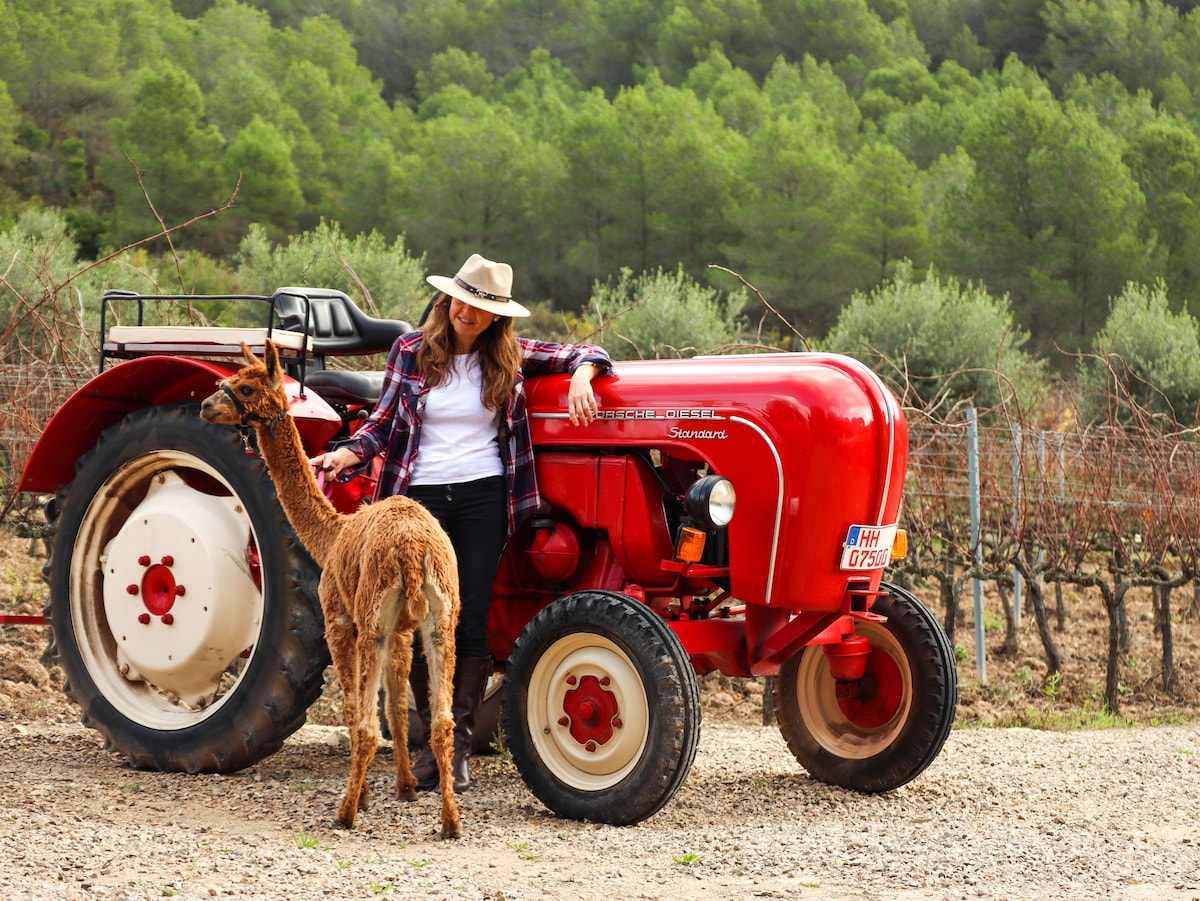
Wine tasting and alpacas in Can Marlès
Thu, Dec 4 • 11:00 AM
43812, Can Ferrer de la Cogullada, Catalonia, Spain
View details
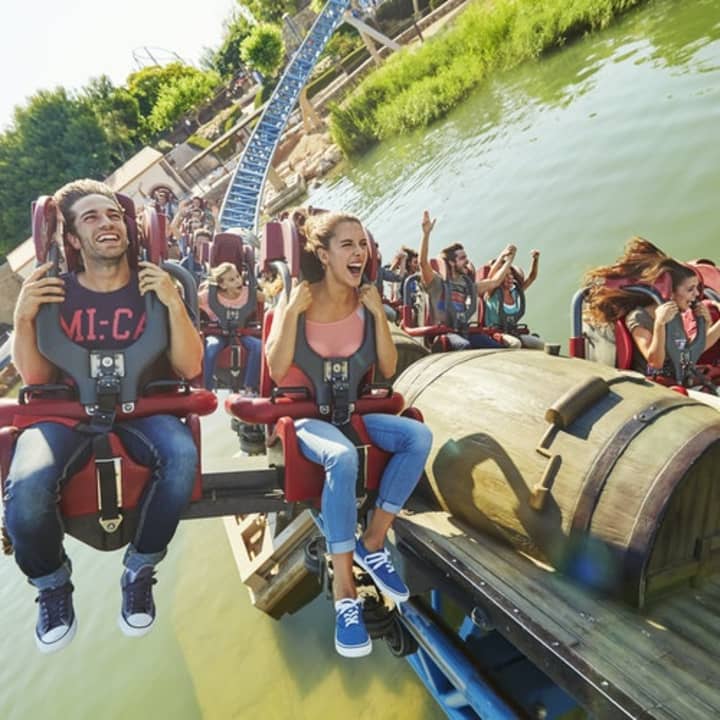
Entradas PortAventura Park en Tarragona
Thu, Dec 4 • 12:00 AM
Av. Pere Molas, Km 2,Tarragona, 43480
View details
Investigate Mediterranean olive oil
Sun, Dec 7 • 10:30 AM
43330, Riudoms, Catalonia, Spain
View details

Nearby restaurants of The Ferreres Aqueduct

Restaurant el Pont del Diable

Restaurant el Pont del Diable

Restaurant el Pont del Diable

3.9

(316)

Click for details
Get the Appoverlay
Get the AppOne tap to find yournext favorite spots!
Wanderboat LogoWanderboat

Your everyday Al companion for getaway ideas

CompanyAbout Us
InformationAI Trip PlannerSitemap
SocialXInstagramTiktokLinkedin
LegalTerms of ServicePrivacy Policy

Get the app

© 2025 Wanderboat. All rights reserved.
logo

Reviews of The Ferreres Aqueduct

4.6
(3,798)
avatar
5.0
3y

Definitely worth a visit if you are staying in Tarragona.

Really fantastic aqueduct. And when we visited it was quiet, though it was around 10am in the morning. It's in a wooded area and so there is shade. Would recommend going earlier in the day as it would be pretty hot later. Especially if you want to walk along the viaduct.

Getting there if you don't have a car means you have to take a bus. It took some figuring out but we managed to work it out. We took the number 5 bus from Tarragona to St Salvador (but you can also take the 85 as well) both of which takes you directly to the aqueduct. Takes about 7-8 mins .

Be warned the stop is on a dual carriageway, so keep an eye on the next stop that is on a digital scrolling sign at the front of the bus. The aqueduct park is directly accessible from the bus stop.

On your return go back to the bus stop that you got off at. There isn't a stop on the other side of the road and even if there was one, it would be impossible to get to it over 4 lanes of traffic and a central reservation.

We got on the 85 bus which was going to St Salvador and asked the driver to go to Tarragona - he said ok and indicated to stay on the bus. The bus then seems to head in the wrong direction but it simply goes to St Salvador goes around the town for a bit and then heads back out to Tarragona. Not sure if the number 5 bus does this but suspect it does, though maybe on a different route though St Salvador.

Going back took longer but it worked and we were back in Tarragona in 20 mins or so. I think it was about 3 euros for a single trip so very cost effective.

You can walk to the aqueduct, we saw some some signs at the park to say it was 4.5km back to Tarragona, but it would be pretty hard work in 30...

   Read more
avatar
5.0
34w

Review of Ferreres Aqueduct The Ferreres Aqueduct, also known as Pont del Diable or Devil's Bridge, is a remarkable piece of Roman engineering and a must-visit if you're in the Tarragona area. Built during the time of Augustus, this aqueduct spans a length of 217 meters and stands at a height of 27 meters, offering a breathtaking view of the surrounding landscape.

Atmosphere: The atmosphere around the aqueduct is serene and awe-inspiring. Surrounded by lush greenery, it provides a perfect backdrop for photography enthusiasts. The peaceful environment makes it an ideal spot for a leisurely walk or a quiet picnic.

Historical Significance: The aqueduct is a testament to the advanced engineering and architectural skills of the Romans. It's fascinating to think about how it was used to supply water to the ancient city of Tarraco, demonstrating the importance of infrastructure even in ancient times.

Accessibility: The site is easily accessible, with a clearly marked path leading up to the structure. There is also adequate signage providing historical context and information, which enhances the experience for visitors.

Recommendations: I highly recommend visiting during the early morning or late afternoon to avoid crowds and enjoy the tranquility of the surroundings. Bringing a guidebook or using a mobile app to learn more about the history and significance of the aqueduct can also enrich your visit.

Rating: 4.5 out of 5 stars. The Ferreres Aqueduct is not only a marvel of ancient engineering but also a peaceful retreat from the bustling city life. It's a perfect blend of history,...

   Read more
avatar
5.0
1y

El Pont del Diable de Tarragona es una obra maestra arquitectónica que se erige majestuosamente sobre el río Francolí, en la pintoresca ciudad catalana de Tarragona, España. Este puente, también conocido como el Puente del Diablo, ha sido testigo de la historia y ha resistido el paso del tiempo con una elegancia impresionante.

Historia y Arquitectura: Construido en el siglo I a.C., durante la época romana, el Pont del Diable es un monumento a la habilidad y visión de los ingenieros de la antigüedad. Su propósito inicial era proporcionar una vía de comunicación crucial entre la ciudad de Tarraco (la actual Tarragona) y otras partes del imperio. La estructura está compuesta por bloques de piedra que se entrelazan con una precisión asombrosa, mostrando la destreza técnica y la dedicación de los constructores romanos.

A lo largo de los siglos, el puente ha experimentado varias modificaciones y restauraciones para adaptarse a las necesidades cambiantes, pero su esencia y majestuosidad han perdurado. La arquitectura romana se revela en cada arco y piedra, recordándonos la ingeniería avanzada que existía en ese período. Anécdotas y Leyendas El Pont del Diable está imbuido de historias y leyendas que han pasado de generación en generación. Una de las más conocidas es la leyenda que atribuye la construcción del puente al diablo en persona. Se cuenta que los habitantes de Tarraco luchaban por completar la obra cuando un extraño hombre se presentó ofreciendo ayuda a cambio de la primera alma que cruzara el puente. Los ciudadanos aceptaron, pero engañaron al diablo enviando un perro en lugar de un ser humano. Enfurecido, el diablo trató de destruir el puente, dejando la marca de su garra en una de las piedras, lo que explica la apariencia peculiar de una de las rocas en la estructura.

Otra anécdota fascinante se relaciona con el período medieval, cuando el Pont del Diable fue clave para proteger a Tarragona de invasiones. Se dice que durante la Reconquista, las tropas cristianas defendieron la ciudad desde el puente, otorgándole un estatus mítico como defensora de la libertad y resistencia.

Consejos para Visitantes: Si planeas visitar el Pont del Diable, te recomendaría explorar sus alrededores a pie. Las orillas del río Francolí ofrecen vistas impresionantes del puente desde diferentes ángulos, permitiéndote apreciar su grandeza arquitectónica. Además, no te pierdas la oportunidad de cruzar el puente y sumergirte en la sensación única de estar conectado con la historia.

Para obtener una experiencia más completa, visita el Centro de Interpretación del Puente del Diablo, que ofrece información detallada sobre la historia, la arquitectura y las leyendas asociadas con esta joya arqueológica. Aquí, podrás sumergirte en la rica historia del puente a través de exhibiciones interactivas y material educativo.

No olvides llevar tu cámara, ya que el Pont del Diable es un escenario fotográfico espectacular, especialmente al atardecer, cuando la luz tenue resalta los detalles de la piedra y crea una atmósfera mágica. Además, respeta el entorno y sigue las indicaciones para preservar este patrimonio histórico para las generaciones futuras.

En conclusión, el Pont del Diable de Tarragona no es simplemente un puente, sino un testamento tangible de la habilidad humana y la grandeza arquitectónica que perdura a través de los siglos. Su historia, anécdotas y consejos para visitantes se entrelazan para ofrecer una experiencia única que deja una impresión duradera en todos los que tienen el privilegio de contemplar esta...

   Read more
Page 1 of 7
Previous
Next

Posts

Joanne MorleyJoanne Morley
Definitely worth a visit if you are staying in Tarragona. Really fantastic aqueduct. And when we visited it was quiet, though it was around 10am in the morning. It's in a wooded area and so there is shade. Would recommend going earlier in the day as it would be pretty hot later. Especially if you want to walk along the viaduct. Getting there if you don't have a car means you have to take a bus. It took some figuring out but we managed to work it out. We took the number 5 bus from Tarragona to St Salvador (but you can also take the 85 as well) both of which takes you directly to the aqueduct. Takes about 7-8 mins . Be warned the stop is on a dual carriageway, so keep an eye on the next stop that is on a digital scrolling sign at the front of the bus. The aqueduct park is directly accessible from the bus stop. On your return go back to the bus stop that you got off at. There isn't a stop on the other side of the road and even if there was one, it would be impossible to get to it over 4 lanes of traffic and a central reservation. We got on the 85 bus which was going to St Salvador and asked the driver to go to Tarragona - he said ok and indicated to stay on the bus. The bus then seems to head in the wrong direction but it simply goes to St Salvador goes around the town for a bit and then heads back out to Tarragona. Not sure if the number 5 bus does this but suspect it does, though maybe on a different route though St Salvador. Going back took longer but it worked and we were back in Tarragona in 20 mins or so. I think it was about 3 euros for a single trip so very cost effective. You can walk to the aqueduct, we saw some some signs at the park to say it was 4.5km back to Tarragona, but it would be pretty hard work in 30 degrees heat.
Maria BaerenrodtMaria Baerenrodt
Review of Ferreres Aqueduct The Ferreres Aqueduct, also known as Pont del Diable or Devil's Bridge, is a remarkable piece of Roman engineering and a must-visit if you're in the Tarragona area. Built during the time of Augustus, this aqueduct spans a length of 217 meters and stands at a height of 27 meters, offering a breathtaking view of the surrounding landscape. Atmosphere: The atmosphere around the aqueduct is serene and awe-inspiring. Surrounded by lush greenery, it provides a perfect backdrop for photography enthusiasts. The peaceful environment makes it an ideal spot for a leisurely walk or a quiet picnic. Historical Significance: The aqueduct is a testament to the advanced engineering and architectural skills of the Romans. It's fascinating to think about how it was used to supply water to the ancient city of Tarraco, demonstrating the importance of infrastructure even in ancient times. Accessibility: The site is easily accessible, with a clearly marked path leading up to the structure. There is also adequate signage providing historical context and information, which enhances the experience for visitors. Recommendations: I highly recommend visiting during the early morning or late afternoon to avoid crowds and enjoy the tranquility of the surroundings. Bringing a guidebook or using a mobile app to learn more about the history and significance of the aqueduct can also enrich your visit. Rating: 4.5 out of 5 stars. The Ferreres Aqueduct is not only a marvel of ancient engineering but also a peaceful retreat from the bustling city life. It's a perfect blend of history, nature, and beauty.
Oscar TarracoOscar Tarraco
El Pont del Diable de Tarragona es una obra maestra arquitectónica que se erige majestuosamente sobre el río Francolí, en la pintoresca ciudad catalana de Tarragona, España. Este puente, también conocido como el Puente del Diablo, ha sido testigo de la historia y ha resistido el paso del tiempo con una elegancia impresionante. Historia y Arquitectura: Construido en el siglo I a.C., durante la época romana, el Pont del Diable es un monumento a la habilidad y visión de los ingenieros de la antigüedad. Su propósito inicial era proporcionar una vía de comunicación crucial entre la ciudad de Tarraco (la actual Tarragona) y otras partes del imperio. La estructura está compuesta por bloques de piedra que se entrelazan con una precisión asombrosa, mostrando la destreza técnica y la dedicación de los constructores romanos. A lo largo de los siglos, el puente ha experimentado varias modificaciones y restauraciones para adaptarse a las necesidades cambiantes, pero su esencia y majestuosidad han perdurado. La arquitectura romana se revela en cada arco y piedra, recordándonos la ingeniería avanzada que existía en ese período. Anécdotas y Leyendas El Pont del Diable está imbuido de historias y leyendas que han pasado de generación en generación. Una de las más conocidas es la leyenda que atribuye la construcción del puente al diablo en persona. Se cuenta que los habitantes de Tarraco luchaban por completar la obra cuando un extraño hombre se presentó ofreciendo ayuda a cambio de la primera alma que cruzara el puente. Los ciudadanos aceptaron, pero engañaron al diablo enviando un perro en lugar de un ser humano. Enfurecido, el diablo trató de destruir el puente, dejando la marca de su garra en una de las piedras, lo que explica la apariencia peculiar de una de las rocas en la estructura. Otra anécdota fascinante se relaciona con el período medieval, cuando el Pont del Diable fue clave para proteger a Tarragona de invasiones. Se dice que durante la Reconquista, las tropas cristianas defendieron la ciudad desde el puente, otorgándole un estatus mítico como defensora de la libertad y resistencia. Consejos para Visitantes: Si planeas visitar el Pont del Diable, te recomendaría explorar sus alrededores a pie. Las orillas del río Francolí ofrecen vistas impresionantes del puente desde diferentes ángulos, permitiéndote apreciar su grandeza arquitectónica. Además, no te pierdas la oportunidad de cruzar el puente y sumergirte en la sensación única de estar conectado con la historia. Para obtener una experiencia más completa, visita el Centro de Interpretación del Puente del Diablo, que ofrece información detallada sobre la historia, la arquitectura y las leyendas asociadas con esta joya arqueológica. Aquí, podrás sumergirte en la rica historia del puente a través de exhibiciones interactivas y material educativo. No olvides llevar tu cámara, ya que el Pont del Diable es un escenario fotográfico espectacular, especialmente al atardecer, cuando la luz tenue resalta los detalles de la piedra y crea una atmósfera mágica. Además, respeta el entorno y sigue las indicaciones para preservar este patrimonio histórico para las generaciones futuras. En conclusión, el Pont del Diable de Tarragona no es simplemente un puente, sino un testamento tangible de la habilidad humana y la grandeza arquitectónica que perdura a través de los siglos. Su historia, anécdotas y consejos para visitantes se entrelazan para ofrecer una experiencia única que deja una impresión duradera en todos los que tienen el privilegio de contemplar esta maravilla romana.
See more posts
See more posts
hotel
Find your stay

Pet-friendly Hotels in Tarragona

Find a cozy hotel nearby and make it a full experience.

Definitely worth a visit if you are staying in Tarragona. Really fantastic aqueduct. And when we visited it was quiet, though it was around 10am in the morning. It's in a wooded area and so there is shade. Would recommend going earlier in the day as it would be pretty hot later. Especially if you want to walk along the viaduct. Getting there if you don't have a car means you have to take a bus. It took some figuring out but we managed to work it out. We took the number 5 bus from Tarragona to St Salvador (but you can also take the 85 as well) both of which takes you directly to the aqueduct. Takes about 7-8 mins . Be warned the stop is on a dual carriageway, so keep an eye on the next stop that is on a digital scrolling sign at the front of the bus. The aqueduct park is directly accessible from the bus stop. On your return go back to the bus stop that you got off at. There isn't a stop on the other side of the road and even if there was one, it would be impossible to get to it over 4 lanes of traffic and a central reservation. We got on the 85 bus which was going to St Salvador and asked the driver to go to Tarragona - he said ok and indicated to stay on the bus. The bus then seems to head in the wrong direction but it simply goes to St Salvador goes around the town for a bit and then heads back out to Tarragona. Not sure if the number 5 bus does this but suspect it does, though maybe on a different route though St Salvador. Going back took longer but it worked and we were back in Tarragona in 20 mins or so. I think it was about 3 euros for a single trip so very cost effective. You can walk to the aqueduct, we saw some some signs at the park to say it was 4.5km back to Tarragona, but it would be pretty hard work in 30 degrees heat.
Joanne Morley

Joanne Morley

hotel
Find your stay

Affordable Hotels in Tarragona

Find a cozy hotel nearby and make it a full experience.

Get the Appoverlay
Get the AppOne tap to find yournext favorite spots!
Review of Ferreres Aqueduct The Ferreres Aqueduct, also known as Pont del Diable or Devil's Bridge, is a remarkable piece of Roman engineering and a must-visit if you're in the Tarragona area. Built during the time of Augustus, this aqueduct spans a length of 217 meters and stands at a height of 27 meters, offering a breathtaking view of the surrounding landscape. Atmosphere: The atmosphere around the aqueduct is serene and awe-inspiring. Surrounded by lush greenery, it provides a perfect backdrop for photography enthusiasts. The peaceful environment makes it an ideal spot for a leisurely walk or a quiet picnic. Historical Significance: The aqueduct is a testament to the advanced engineering and architectural skills of the Romans. It's fascinating to think about how it was used to supply water to the ancient city of Tarraco, demonstrating the importance of infrastructure even in ancient times. Accessibility: The site is easily accessible, with a clearly marked path leading up to the structure. There is also adequate signage providing historical context and information, which enhances the experience for visitors. Recommendations: I highly recommend visiting during the early morning or late afternoon to avoid crowds and enjoy the tranquility of the surroundings. Bringing a guidebook or using a mobile app to learn more about the history and significance of the aqueduct can also enrich your visit. Rating: 4.5 out of 5 stars. The Ferreres Aqueduct is not only a marvel of ancient engineering but also a peaceful retreat from the bustling city life. It's a perfect blend of history, nature, and beauty.
Maria Baerenrodt

Maria Baerenrodt

hotel
Find your stay

The Coolest Hotels You Haven't Heard Of (Yet)

Find a cozy hotel nearby and make it a full experience.

hotel
Find your stay

Trending Stays Worth the Hype in Tarragona

Find a cozy hotel nearby and make it a full experience.

El Pont del Diable de Tarragona es una obra maestra arquitectónica que se erige majestuosamente sobre el río Francolí, en la pintoresca ciudad catalana de Tarragona, España. Este puente, también conocido como el Puente del Diablo, ha sido testigo de la historia y ha resistido el paso del tiempo con una elegancia impresionante. Historia y Arquitectura: Construido en el siglo I a.C., durante la época romana, el Pont del Diable es un monumento a la habilidad y visión de los ingenieros de la antigüedad. Su propósito inicial era proporcionar una vía de comunicación crucial entre la ciudad de Tarraco (la actual Tarragona) y otras partes del imperio. La estructura está compuesta por bloques de piedra que se entrelazan con una precisión asombrosa, mostrando la destreza técnica y la dedicación de los constructores romanos. A lo largo de los siglos, el puente ha experimentado varias modificaciones y restauraciones para adaptarse a las necesidades cambiantes, pero su esencia y majestuosidad han perdurado. La arquitectura romana se revela en cada arco y piedra, recordándonos la ingeniería avanzada que existía en ese período. Anécdotas y Leyendas El Pont del Diable está imbuido de historias y leyendas que han pasado de generación en generación. Una de las más conocidas es la leyenda que atribuye la construcción del puente al diablo en persona. Se cuenta que los habitantes de Tarraco luchaban por completar la obra cuando un extraño hombre se presentó ofreciendo ayuda a cambio de la primera alma que cruzara el puente. Los ciudadanos aceptaron, pero engañaron al diablo enviando un perro en lugar de un ser humano. Enfurecido, el diablo trató de destruir el puente, dejando la marca de su garra en una de las piedras, lo que explica la apariencia peculiar de una de las rocas en la estructura. Otra anécdota fascinante se relaciona con el período medieval, cuando el Pont del Diable fue clave para proteger a Tarragona de invasiones. Se dice que durante la Reconquista, las tropas cristianas defendieron la ciudad desde el puente, otorgándole un estatus mítico como defensora de la libertad y resistencia. Consejos para Visitantes: Si planeas visitar el Pont del Diable, te recomendaría explorar sus alrededores a pie. Las orillas del río Francolí ofrecen vistas impresionantes del puente desde diferentes ángulos, permitiéndote apreciar su grandeza arquitectónica. Además, no te pierdas la oportunidad de cruzar el puente y sumergirte en la sensación única de estar conectado con la historia. Para obtener una experiencia más completa, visita el Centro de Interpretación del Puente del Diablo, que ofrece información detallada sobre la historia, la arquitectura y las leyendas asociadas con esta joya arqueológica. Aquí, podrás sumergirte en la rica historia del puente a través de exhibiciones interactivas y material educativo. No olvides llevar tu cámara, ya que el Pont del Diable es un escenario fotográfico espectacular, especialmente al atardecer, cuando la luz tenue resalta los detalles de la piedra y crea una atmósfera mágica. Además, respeta el entorno y sigue las indicaciones para preservar este patrimonio histórico para las generaciones futuras. En conclusión, el Pont del Diable de Tarragona no es simplemente un puente, sino un testamento tangible de la habilidad humana y la grandeza arquitectónica que perdura a través de los siglos. Su historia, anécdotas y consejos para visitantes se entrelazan para ofrecer una experiencia única que deja una impresión duradera en todos los que tienen el privilegio de contemplar esta maravilla romana.
Oscar Tarraco

Oscar Tarraco

See more posts
See more posts