Monastery of Santa María de Villanueva de Oscos things to do, attractions, restaurants, events info and trip planning
Basic Info
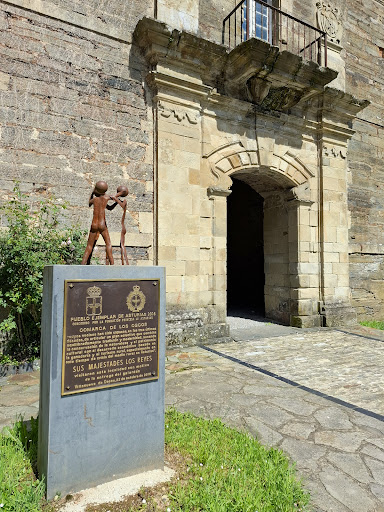
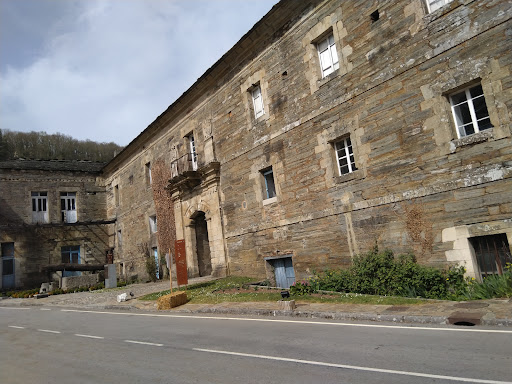
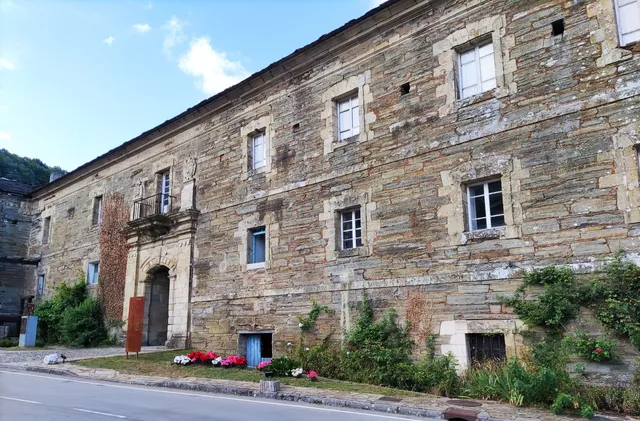
Monastery of Santa María de Villanueva de Oscos
Poblado Villanueva de Oscos, 23A, 33777 Villanueva de Oscos, Asturias, Spain
4.2(180)
Open 24 hours
Save
spot
spot
Ratings & Description
Info
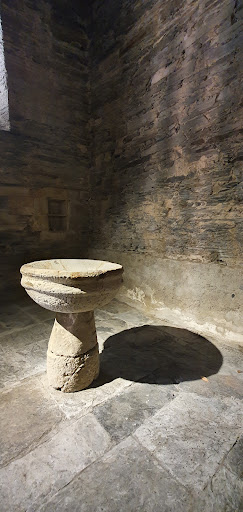
Monasterio de Santa María de Villanueva de Oscos is a monastery in Asturias, Spain. It was founded in the 12th century as a Benedictine house. The monastic community was closed by the ecclesiastical confiscations of Mendizábal. The church has remained in use as a parish church.
Cultural
Scenic
Family friendly
Accessibility
attractions: , restaurants: Casa Perales, local businesses:
 Learn more insights from Wanderboat AI.
Phone
+34 679 24 11 69
Website
facebook.com
Plan your stay

Pet-friendly Hotels in Villanueva de Oscos
Find a cozy hotel nearby and make it a full experience.

Affordable Hotels in Villanueva de Oscos
Find a cozy hotel nearby and make it a full experience.

The Coolest Hotels You Haven't Heard Of (Yet)
Find a cozy hotel nearby and make it a full experience.

Trending Stays Worth the Hype in Villanueva de Oscos
Find a cozy hotel nearby and make it a full experience.
Reviews
Live events
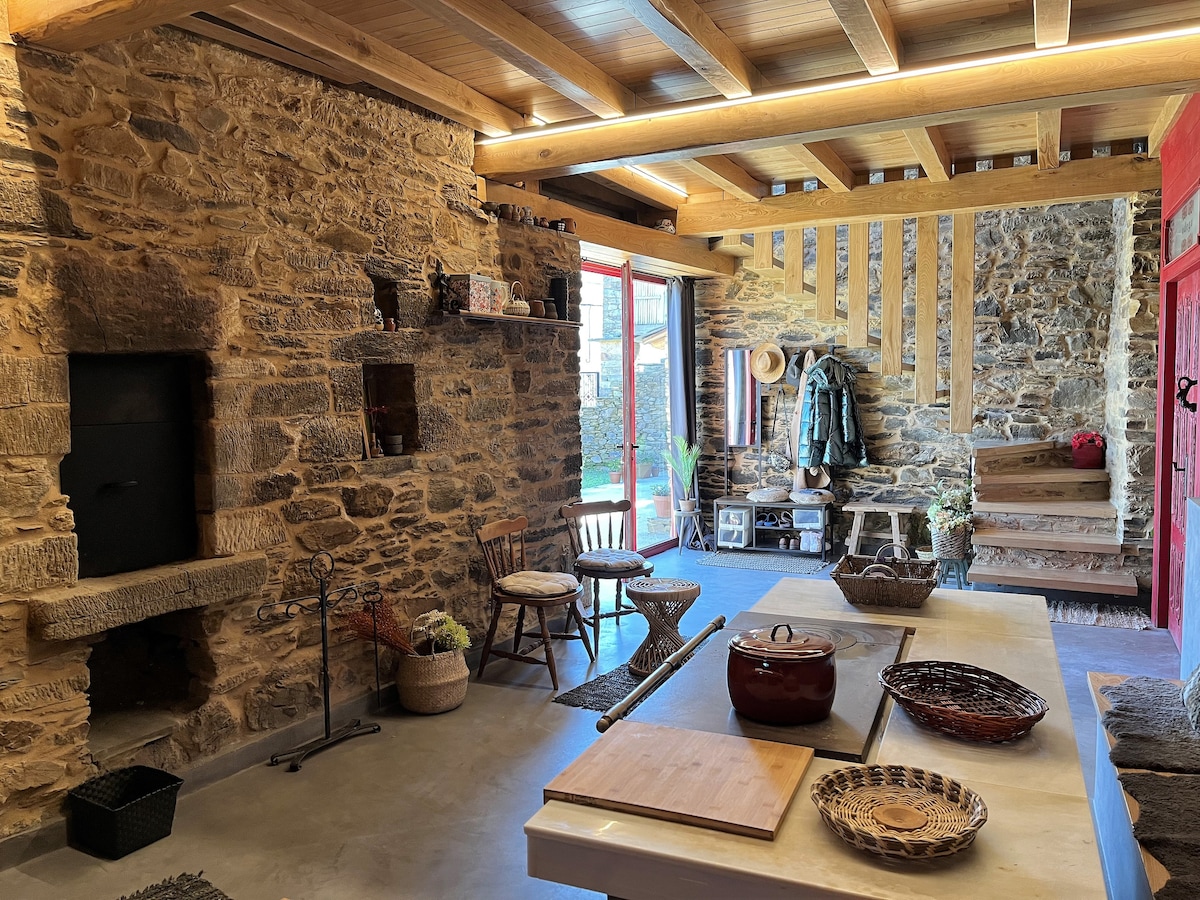
Visit and Tasting at the Adega Pedro Leivas Cider Mill
Sat, Feb 14 • 12:15 PM
27744, Riotorto, Galicia, Spain
View details
Nearby restaurants of Monastery of Santa María de Villanueva de Oscos
Casa Perales
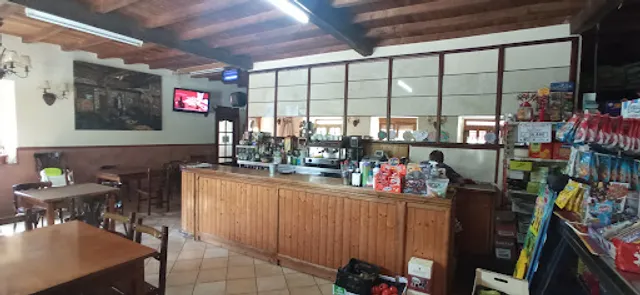
Casa Perales
4.4
(84)
Open until 10:00 PM
Click for details