HTML SitemapExplore
logo
Find Things to DoFind The Best Restaurants

Hakgala Botanical Garden — Attraction in Central Province

Name
Hakgala Botanical Garden
Description
Hakgala Botanical Garden is one of the five botanical gardens in Sri Lanka. The other four are Peradeniya Botanical Garden, Henarathgoda Botanical Garden, Mirijjawila Botanical Garden and Seetawaka Botanical Garden. It is the second largest botanical garden in Sri Lanka.
Nearby attractions
Nearby restaurants
Nearby hotels
Meena Ella Colonial Bungalow
Peradeniya-Badulla-Chenkaladi Hwy, Nuwara Eliya 22208, Sri Lanka
Homestead Villa
WRGG+24H, Nuwara Eliya, Sri Lanka
Wonder hills
No 54 near temple hakgala, Nuwara Eliya 22208, Sri Lanka
Mount Crest Holiday Bungalow
Nuwara Eliya, Sri Lanka
Related posts
The Most Worthwhile Places to Visit in Sri Lanka--Nuwara Eliya
Keywords
Hakgala Botanical Garden tourism.Hakgala Botanical Garden hotels.Hakgala Botanical Garden bed and breakfast. flights to Hakgala Botanical Garden.Hakgala Botanical Garden attractions.Hakgala Botanical Garden restaurants.Hakgala Botanical Garden travel.Hakgala Botanical Garden travel guide.Hakgala Botanical Garden travel blog.Hakgala Botanical Garden pictures.Hakgala Botanical Garden photos.Hakgala Botanical Garden travel tips.Hakgala Botanical Garden maps.Hakgala Botanical Garden things to do.
Hakgala Botanical Garden things to do, attractions, restaurants, events info and trip planning
Hakgala Botanical Garden
Sri LankaCentral ProvinceHakgala Botanical Garden

Basic Info

Hakgala Botanical Garden

WRGC+JJJ, Peradeniya-Badulla-Chenkaladi Hwy, Hakgala, Sri Lanka
4.5(3.2K)
Open 24 hours
Save
spot

Ratings & Description

Info

Hakgala Botanical Garden is one of the five botanical gardens in Sri Lanka. The other four are Peradeniya Botanical Garden, Henarathgoda Botanical Garden, Mirijjawila Botanical Garden and Seetawaka Botanical Garden. It is the second largest botanical garden in Sri Lanka.

Outdoor
Relaxation
Family friendly
attractions: , restaurants:
logoLearn more insights from Wanderboat AI.
Phone
+94 522 222 182
Website
botanicgardens.gov.lk

Plan your stay

hotel
Pet-friendly Hotels in Central Province
Find a cozy hotel nearby and make it a full experience.
hotel
Affordable Hotels in Central Province
Find a cozy hotel nearby and make it a full experience.
hotel
The Coolest Hotels You Haven't Heard Of (Yet)
Find a cozy hotel nearby and make it a full experience.
hotel
Trending Stays Worth the Hype in Central Province
Find a cozy hotel nearby and make it a full experience.

Reviews

Things to do nearby

Ella One Day Tour by Tuk-Tuk or Mini van
Sun, Dec 7 • 9:00 AM
Ella, Uva Province 90090, Sri Lanka
View details
Ride a day trip to Ellas hidden places on Jeep
Sun, Dec 7 • 9:30 AM
Ella, Uva Province -, Sri Lanka
View details
Get the Appoverlay
Get the AppOne tap to find yournext favorite spots!
Wanderboat LogoWanderboat

Your everyday Al companion for getaway ideas

CompanyAbout Us
InformationAI Trip PlannerSitemap
SocialXInstagramTiktokLinkedin
LegalTerms of ServicePrivacy Policy

Get the app

© 2025 Wanderboat. All rights reserved.
logo

Reviews of Hakgala Botanical Garden

4.5
(3,166)
avatar
2.0
36w

A symphony of neglect, a testament to nature's untamed chaos – this is not a garden, but a wilderness masquerading as one. Where once vibrant blooms might have danced, now only skeletal remains of withered stalks claw at the sky, like the brittle fingers of a forgotten ghost. The earth, once fertile and inviting, is now a cracked and barren landscape, a parched canvas upon which weeds, those tenacious squatters, have painted their unruly dominion. The promise of fragrant herbs and sun-kissed vegetables has decayed into a fetid miasma, a pungent reminder of unfulfilled potential. Rotting fruit, fallen and forgotten, breeds swarms of buzzing insects, their droning a morbid chorus in this desolate space. The once-pristine garden path, now obscured by a thicket of thorny vines and invasive creepers, is a treacherous obstacle course, a testament to the gardener’s abandoned aspirations. The skeletal frame of a rusted garden tool lies half-buried in the overgrown grass, a silent monument to lost ambition. A broken terracotta pot, its once-vibrant glaze now chipped and faded, spills its dried-out contents onto the barren soil, a miniature graveyard of forgotten seedlings. The remnants of a tattered garden flag, its colors bleached by the relentless sun, flap listlessly in the breeze, a forlorn banner of a defeated enterprise. This is not a space of tranquility, but a battlefield where nature’s raw, untamed forces have triumphed over human intention. The carefully laid plans, the hopeful seeds, the whispered promises of blossoming beauty – all have surrendered to the relentless march of entropy. The air, thick with the musty scent of decay and the cloying sweetness of rotting vegetation, hangs heavy, a palpable manifestation of neglect. Yet, even in this tableau of ruin, there is a strange, unsettling beauty. The tenacity of the weeds, their ability to thrive in the face of adversity, speaks to the raw, unyielding power of nature. The skeletal branches of the forgotten shrubs, silhouetted against the fading light, create a stark, haunting landscape. The very chaos of the overgrown foliage, the tangled web of vines and thorns, possesses a wild, untamed energy. This bad garden is not merely a failure, but a stark reminder of the delicate balance between human aspiration and nature's indifferent force. It is a cautionary tale, a testament to the ephemeral nature of beauty, and a poignant reflection on the consequences of neglect. While it may be a tragedy for the gardener, it is also a reminder that nature will always reclaim what is left unattended, and that even in decay, a strange and unsettling form of beauty can persist.A symphony of neglect, a testament to nature's untamed chaos – this is not a garden, but a wilderness masquerading as one. Where once vibrant blooms might have danced, now only skeletal remains of withered stalks claw at the sky, like the brittle fingers of a forgotten ghost. The earth, once fertile and inviting, is now a cracked and barren landscape, a parched canvas upon which weeds, those tenacious squatters, have painted their unruly dominion. The promise of fragrant herbs and sun-kissed vegetables has decayed into a fetid miasma, a pungent reminder of unfulfilled potential. Rotting fruit, fallen and forgotten, breeds swarms of buzzing insects, their droning a morbid chorus in this desolate space. The once-pristine garden path, now obscured by a thicket of thorny vines and invasive creepers, is a treacherous obstacle course, a testament to the gardener’s abandoned aspirations. The skeletal frame of a rusted garden tool lies half-buried in the overgrown grass, a silent monument to lost ambition. A broken terracotta pot, its once-vibrant glaze now chipped and faded, spills its dried-out contents onto the barren soil, a miniature graveyard of forgotten seedlings. The remnants of a tattered garden flag, its colors bleached by the relentless sun, flap listlessly in the breeze, a forlorn banner of a defeated enterprise. This is not a space of tranquility, but a battlefield where nature’s raw,...

   Read more
avatar
5.0
1y

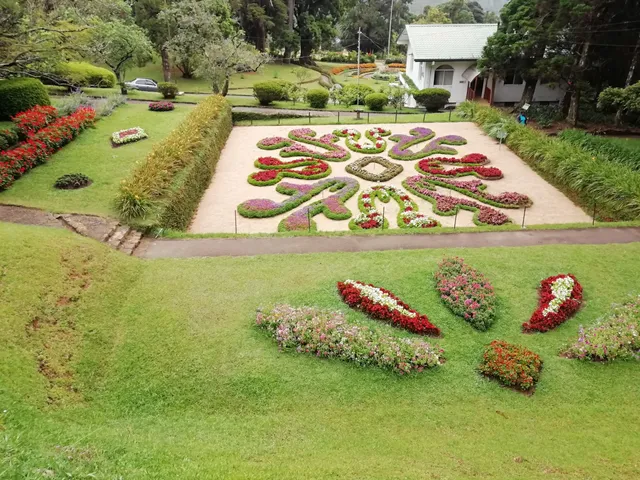
Nestled in the central highlands of Sri Lanka, Hakgala Botanical Garden stands as a horticultural masterpiece, captivating visitors with its diverse flora, scenic landscapes, and rich historical significance. Situated near Nuwara Eliya, this enchanting garden unfolds its beauty over 28 hectares, making it one of the island's most celebrated botanical treasures.

Established in 1861 by the British colonial government, Hakgala Botanical Garden was initially conceived as an experimental cultivation site for temperate zone plants. Its location, perched at an elevation of 1,746 meters above sea level, provides a unique climate suitable for a wide array of plant species, both indigenous and exotic.

One of the garden's prime attractions is its collection of roses. Hakgala is renowned for hosting a spectacular rose garden that boasts numerous varieties, colors, and fragrances. Visitors are treated to a sensory delight as they meander through this floral haven, with each bloom contributing to the garden's vibrant tapestry. The meticulous planning and care that go into maintaining the rose collection have earned Hakgala Botanical Garden a reputation as a premier destination for rose enthusiasts.

Beyond roses, the garden showcases a diverse range of plant life, including towering conifers, vibrant orchids, and a plethora of medicinal herbs. The terraced layout of Hakgala accentuates its topographical diversity, with each section offering a unique botanical experience. The picturesque charm of the garden is enhanced by meandering pathways, crystal-clear streams, and strategically placed benches that invite visitors to linger and savor the natural beauty.

Hakgala is not only a haven for plant enthusiasts but also a sanctuary for birdwatchers. The lush greenery and diverse vegetation provide an ideal habitat for various bird species, making it a rewarding destination for those keen on observing and photographing avian life. The harmonious coexistence of flora and fauna adds to the garden's allure, creating a holistic experience for nature lovers.

Adding an element of historical intrigue, Hakgala Botanical Garden is situated in proximity to Hakgala Strict Nature Reserve, believed to be the site of the legendary Ashok Vatika from the Hindu epic Ramayana. The intertwining of cultural myths with the botanical marvels further enhances the garden's allure, making it a site of interest for those fascinated by the intersection of history and nature.

In conclusion, Hakgala Botanical Garden stands as a botanical gem within the scenic landscapes of Sri Lanka. Its diverse plant collections, including the renowned rose garden, coupled with the tranquil ambiance and historical resonance, make it a must-visit destination for tourists and nature enthusiasts alike. Whether strolling along the terraced pathways, marveling at the vibrant blooms, or immersing oneself in the avian symphony, a visit to Hakgala Botanical Garden is a sensory journey that celebrates the splendor of Sri Lanka's...

   Read more
avatar
5.0
2y

Botanic Gardens Hakgala was established in 1861 by Sir George Henry Kendric Thawaites for experimental cultivation of Cinchona used forextracting quinine used in the cure of malaria and a native plant of Colombia, Ecuador, Peru Bolivia and grows at altitudes 1600-2700

The garden of occupies 28 hectares and has an elevation of 1745 meters and at the background we see the Hukgala rock which is estimated to be 220 metres high. The garden offers some excellent views of the Indian Madulsima and Namunukula range of mountains which can be seen in the background

The basic individual gardens that we visited are as  shown in pictures and videos and the visit in end July does not do justice to the gardens as the season is from March April when the flowers are in fullbloom.

The important garden categories are the Rose gardens and this garden is famous for its rose collection and most are imported from United Kingdom and USA in the 1960. The fernery is and can be important for the gardens and provides a cool and shielded atmosphere and the important exhibit woolly tree ferns like Dicksonia antartica rare native tree fern of Sri Lanka which grows to nearly 40 feet height. The Rock garden is characterised by natural springs which add to the beauty of surrounding Japanese Garden and Rock Gardena specimen ofChinchonia is seen in this garden. The glass house is mainly used for indoor plants and is located long exit route and the displays areshown in the pictures enclosed. The Arboretum is important section which displays native and as well as species imported from abroad including Assam tea hybrid brought to SriLanka in 1867 for distributions to tea plantations in the formative years of the Hakgala gardens

As explained to us the best time to see the gardens is during the Nuwara Eliya season in the month of April and it is at this time that the gardens in all its colourful glory and beauty specially foliage and roses are in full colour and bloom at this time The Garden occupies a large area and it is best to use the services of a golf cart available and visit the most important gardens and exhibits. The charges for foreigners for entrance is Sri Lanka Rs 2000 and the golf cart service is Sri Lanka Rs 1000.

This is definitely a garden worth visiting no matter what season one happens to be in...

   Read more
Page 1 of 7
Previous
Next

Posts

The Most Worthwhile Places to Visit in Sri Lanka--Nuwara Eliya
CharlesCharles
The Most Worthwhile Places to Visit in Sri Lanka--Nuwara Eliya
star primiumstar primium
A symphony of neglect, a testament to nature's untamed chaos – this is not a garden, but a wilderness masquerading as one. Where once vibrant blooms might have danced, now only skeletal remains of withered stalks claw at the sky, like the brittle fingers of a forgotten ghost. The earth, once fertile and inviting, is now a cracked and barren landscape, a parched canvas upon which weeds, those tenacious squatters, have painted their unruly dominion. The promise of fragrant herbs and sun-kissed vegetables has decayed into a fetid miasma, a pungent reminder of unfulfilled potential. Rotting fruit, fallen and forgotten, breeds swarms of buzzing insects, their droning a morbid chorus in this desolate space. The once-pristine garden path, now obscured by a thicket of thorny vines and invasive creepers, is a treacherous obstacle course, a testament to the gardener’s abandoned aspirations. The skeletal frame of a rusted garden tool lies half-buried in the overgrown grass, a silent monument to lost ambition. A broken terracotta pot, its once-vibrant glaze now chipped and faded, spills its dried-out contents onto the barren soil, a miniature graveyard of forgotten seedlings. The remnants of a tattered garden flag, its colors bleached by the relentless sun, flap listlessly in the breeze, a forlorn banner of a defeated enterprise. This is not a space of tranquility, but a battlefield where nature’s raw, untamed forces have triumphed over human intention. The carefully laid plans, the hopeful seeds, the whispered promises of blossoming beauty – all have surrendered to the relentless march of entropy. The air, thick with the musty scent of decay and the cloying sweetness of rotting vegetation, hangs heavy, a palpable manifestation of neglect. Yet, even in this tableau of ruin, there is a strange, unsettling beauty. The tenacity of the weeds, their ability to thrive in the face of adversity, speaks to the raw, unyielding power of nature. The skeletal branches of the forgotten shrubs, silhouetted against the fading light, create a stark, haunting landscape. The very chaos of the overgrown foliage, the tangled web of vines and thorns, possesses a wild, untamed energy. This bad garden is not merely a failure, but a stark reminder of the delicate balance between human aspiration and nature's indifferent force. It is a cautionary tale, a testament to the ephemeral nature of beauty, and a poignant reflection on the consequences of neglect. While it may be a tragedy for the gardener, it is also a reminder that nature will always reclaim what is left unattended, and that even in decay, a strange and unsettling form of beauty can persist.A symphony of neglect, a testament to nature's untamed chaos – this is not a garden, but a wilderness masquerading as one. Where once vibrant blooms might have danced, now only skeletal remains of withered stalks claw at the sky, like the brittle fingers of a forgotten ghost. The earth, once fertile and inviting, is now a cracked and barren landscape, a parched canvas upon which weeds, those tenacious squatters, have painted their unruly dominion. The promise of fragrant herbs and sun-kissed vegetables has decayed into a fetid miasma, a pungent reminder of unfulfilled potential. Rotting fruit, fallen and forgotten, breeds swarms of buzzing insects, their droning a morbid chorus in this desolate space. The once-pristine garden path, now obscured by a thicket of thorny vines and invasive creepers, is a treacherous obstacle course, a testament to the gardener’s abandoned aspirations. The skeletal frame of a rusted garden tool lies half-buried in the overgrown grass, a silent monument to lost ambition. A broken terracotta pot, its once-vibrant glaze now chipped and faded, spills its dried-out contents onto the barren soil, a miniature graveyard of forgotten seedlings. The remnants of a tattered garden flag, its colors bleached by the relentless sun, flap listlessly in the breeze, a forlorn banner of a defeated enterprise. This is not a space of tranquility, but a battlefield where nature’s raw, untamed forces
milan sandaruwanmilan sandaruwan
Nestled in the central highlands of Sri Lanka, Hakgala Botanical Garden stands as a horticultural masterpiece, captivating visitors with its diverse flora, scenic landscapes, and rich historical significance. Situated near Nuwara Eliya, this enchanting garden unfolds its beauty over 28 hectares, making it one of the island's most celebrated botanical treasures. Established in 1861 by the British colonial government, Hakgala Botanical Garden was initially conceived as an experimental cultivation site for temperate zone plants. Its location, perched at an elevation of 1,746 meters above sea level, provides a unique climate suitable for a wide array of plant species, both indigenous and exotic. One of the garden's prime attractions is its collection of roses. Hakgala is renowned for hosting a spectacular rose garden that boasts numerous varieties, colors, and fragrances. Visitors are treated to a sensory delight as they meander through this floral haven, with each bloom contributing to the garden's vibrant tapestry. The meticulous planning and care that go into maintaining the rose collection have earned Hakgala Botanical Garden a reputation as a premier destination for rose enthusiasts. Beyond roses, the garden showcases a diverse range of plant life, including towering conifers, vibrant orchids, and a plethora of medicinal herbs. The terraced layout of Hakgala accentuates its topographical diversity, with each section offering a unique botanical experience. The picturesque charm of the garden is enhanced by meandering pathways, crystal-clear streams, and strategically placed benches that invite visitors to linger and savor the natural beauty. Hakgala is not only a haven for plant enthusiasts but also a sanctuary for birdwatchers. The lush greenery and diverse vegetation provide an ideal habitat for various bird species, making it a rewarding destination for those keen on observing and photographing avian life. The harmonious coexistence of flora and fauna adds to the garden's allure, creating a holistic experience for nature lovers. Adding an element of historical intrigue, Hakgala Botanical Garden is situated in proximity to Hakgala Strict Nature Reserve, believed to be the site of the legendary Ashok Vatika from the Hindu epic Ramayana. The intertwining of cultural myths with the botanical marvels further enhances the garden's allure, making it a site of interest for those fascinated by the intersection of history and nature. In conclusion, Hakgala Botanical Garden stands as a botanical gem within the scenic landscapes of Sri Lanka. Its diverse plant collections, including the renowned rose garden, coupled with the tranquil ambiance and historical resonance, make it a must-visit destination for tourists and nature enthusiasts alike. Whether strolling along the terraced pathways, marveling at the vibrant blooms, or immersing oneself in the avian symphony, a visit to Hakgala Botanical Garden is a sensory journey that celebrates the splendor of Sri Lanka's botanical heritage.
See more posts
See more posts
hotel
Find your stay

Pet-friendly Hotels in Central Province

Find a cozy hotel nearby and make it a full experience.

The Most Worthwhile Places to Visit in Sri Lanka--Nuwara Eliya
Charles

Charles

hotel
Find your stay

Affordable Hotels in Central Province

Find a cozy hotel nearby and make it a full experience.

Get the Appoverlay
Get the AppOne tap to find yournext favorite spots!
A symphony of neglect, a testament to nature's untamed chaos – this is not a garden, but a wilderness masquerading as one. Where once vibrant blooms might have danced, now only skeletal remains of withered stalks claw at the sky, like the brittle fingers of a forgotten ghost. The earth, once fertile and inviting, is now a cracked and barren landscape, a parched canvas upon which weeds, those tenacious squatters, have painted their unruly dominion. The promise of fragrant herbs and sun-kissed vegetables has decayed into a fetid miasma, a pungent reminder of unfulfilled potential. Rotting fruit, fallen and forgotten, breeds swarms of buzzing insects, their droning a morbid chorus in this desolate space. The once-pristine garden path, now obscured by a thicket of thorny vines and invasive creepers, is a treacherous obstacle course, a testament to the gardener’s abandoned aspirations. The skeletal frame of a rusted garden tool lies half-buried in the overgrown grass, a silent monument to lost ambition. A broken terracotta pot, its once-vibrant glaze now chipped and faded, spills its dried-out contents onto the barren soil, a miniature graveyard of forgotten seedlings. The remnants of a tattered garden flag, its colors bleached by the relentless sun, flap listlessly in the breeze, a forlorn banner of a defeated enterprise. This is not a space of tranquility, but a battlefield where nature’s raw, untamed forces have triumphed over human intention. The carefully laid plans, the hopeful seeds, the whispered promises of blossoming beauty – all have surrendered to the relentless march of entropy. The air, thick with the musty scent of decay and the cloying sweetness of rotting vegetation, hangs heavy, a palpable manifestation of neglect. Yet, even in this tableau of ruin, there is a strange, unsettling beauty. The tenacity of the weeds, their ability to thrive in the face of adversity, speaks to the raw, unyielding power of nature. The skeletal branches of the forgotten shrubs, silhouetted against the fading light, create a stark, haunting landscape. The very chaos of the overgrown foliage, the tangled web of vines and thorns, possesses a wild, untamed energy. This bad garden is not merely a failure, but a stark reminder of the delicate balance between human aspiration and nature's indifferent force. It is a cautionary tale, a testament to the ephemeral nature of beauty, and a poignant reflection on the consequences of neglect. While it may be a tragedy for the gardener, it is also a reminder that nature will always reclaim what is left unattended, and that even in decay, a strange and unsettling form of beauty can persist.A symphony of neglect, a testament to nature's untamed chaos – this is not a garden, but a wilderness masquerading as one. Where once vibrant blooms might have danced, now only skeletal remains of withered stalks claw at the sky, like the brittle fingers of a forgotten ghost. The earth, once fertile and inviting, is now a cracked and barren landscape, a parched canvas upon which weeds, those tenacious squatters, have painted their unruly dominion. The promise of fragrant herbs and sun-kissed vegetables has decayed into a fetid miasma, a pungent reminder of unfulfilled potential. Rotting fruit, fallen and forgotten, breeds swarms of buzzing insects, their droning a morbid chorus in this desolate space. The once-pristine garden path, now obscured by a thicket of thorny vines and invasive creepers, is a treacherous obstacle course, a testament to the gardener’s abandoned aspirations. The skeletal frame of a rusted garden tool lies half-buried in the overgrown grass, a silent monument to lost ambition. A broken terracotta pot, its once-vibrant glaze now chipped and faded, spills its dried-out contents onto the barren soil, a miniature graveyard of forgotten seedlings. The remnants of a tattered garden flag, its colors bleached by the relentless sun, flap listlessly in the breeze, a forlorn banner of a defeated enterprise. This is not a space of tranquility, but a battlefield where nature’s raw, untamed forces
star primium

star primium

hotel
Find your stay

The Coolest Hotels You Haven't Heard Of (Yet)

Find a cozy hotel nearby and make it a full experience.

hotel
Find your stay

Trending Stays Worth the Hype in Central Province

Find a cozy hotel nearby and make it a full experience.

Nestled in the central highlands of Sri Lanka, Hakgala Botanical Garden stands as a horticultural masterpiece, captivating visitors with its diverse flora, scenic landscapes, and rich historical significance. Situated near Nuwara Eliya, this enchanting garden unfolds its beauty over 28 hectares, making it one of the island's most celebrated botanical treasures. Established in 1861 by the British colonial government, Hakgala Botanical Garden was initially conceived as an experimental cultivation site for temperate zone plants. Its location, perched at an elevation of 1,746 meters above sea level, provides a unique climate suitable for a wide array of plant species, both indigenous and exotic. One of the garden's prime attractions is its collection of roses. Hakgala is renowned for hosting a spectacular rose garden that boasts numerous varieties, colors, and fragrances. Visitors are treated to a sensory delight as they meander through this floral haven, with each bloom contributing to the garden's vibrant tapestry. The meticulous planning and care that go into maintaining the rose collection have earned Hakgala Botanical Garden a reputation as a premier destination for rose enthusiasts. Beyond roses, the garden showcases a diverse range of plant life, including towering conifers, vibrant orchids, and a plethora of medicinal herbs. The terraced layout of Hakgala accentuates its topographical diversity, with each section offering a unique botanical experience. The picturesque charm of the garden is enhanced by meandering pathways, crystal-clear streams, and strategically placed benches that invite visitors to linger and savor the natural beauty. Hakgala is not only a haven for plant enthusiasts but also a sanctuary for birdwatchers. The lush greenery and diverse vegetation provide an ideal habitat for various bird species, making it a rewarding destination for those keen on observing and photographing avian life. The harmonious coexistence of flora and fauna adds to the garden's allure, creating a holistic experience for nature lovers. Adding an element of historical intrigue, Hakgala Botanical Garden is situated in proximity to Hakgala Strict Nature Reserve, believed to be the site of the legendary Ashok Vatika from the Hindu epic Ramayana. The intertwining of cultural myths with the botanical marvels further enhances the garden's allure, making it a site of interest for those fascinated by the intersection of history and nature. In conclusion, Hakgala Botanical Garden stands as a botanical gem within the scenic landscapes of Sri Lanka. Its diverse plant collections, including the renowned rose garden, coupled with the tranquil ambiance and historical resonance, make it a must-visit destination for tourists and nature enthusiasts alike. Whether strolling along the terraced pathways, marveling at the vibrant blooms, or immersing oneself in the avian symphony, a visit to Hakgala Botanical Garden is a sensory journey that celebrates the splendor of Sri Lanka's botanical heritage.
milan sandaruwan

milan sandaruwan

See more posts
See more posts