Sita Eliya or Sita Kovil area is known as Seetha Eliya in Sinhala. It means cold open area!
This area is associated with the battle of Rama-Ravana which is believed to have taken place between 6000 and 7000 years ago.
According to the story, Ravana ruled over South India and expressed his love for his sister Lakshman or Rama's brother whom he had appointed for South India.
Ravana came to South India in search of his brother as she had just told him that he had insulted her and cut off her nose saying that she was a monkey due to her black body color.
Ravana Lakshman returned to Sri Lanka with her elder brother's wife Seetha as they could not be found.
However, Rawana retains Sita with all the amenities of this Sita Eliya area or the Royal Garden in the Ashoka Garden, located in his Lankapura, close to that hill station.
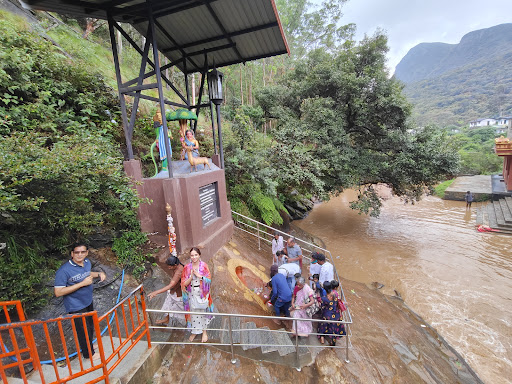
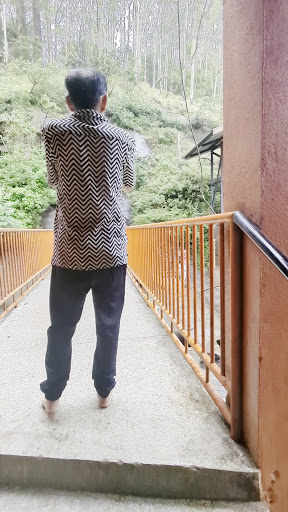
This temple is believed to be the place where she used to bathe.
This is where Hanuman or the semi-dwarf man finds her.
However, during the Rama-Ravana war, Vibheeshna was betrayed by Ravana's younger brother (which was said to be the result of a local power struggle) due to the local power struggle between the Yaksha Raksha Deva and the Naga tribes.
Ravana is defeated in this war. He also loses his two sons.
However, Rama, the son of a North Indian ruler, lost his kingdom due to a power struggle within his family and was deported to southern India, where his younger brother Bharatha became king.
In the meanwhile Rama finally liberated South India and handed over the kingdom of Ceylon from Ravana to Vibhishana and returned to North India to regain the throne.
This conflict is reminiscent of the current world political conflict and the tactics used in connection with it.
Today, however, Rama is regarded as the god of Vishnu, and as Sita and Lakshmi, and Lakshman and Hanumantha as Vibhishana.
Vibhishanas are considered deities only in his mother's area of Colombo near Kelaniya.
This Sita Eliya area is located at a distance of about 2 km close to the Nuwara Eliya area, about three to four kilometers closer to the Ragala hills and at a distance of about 5 km near the yahangala area. Yahangala is considered to be the place where Ravana was buried after regaining consciousness.
Nearby are the Knuckles Range, which is considered to be the location of Ravana's Lankapura, and the Badulla District of Matale.
2500 years ago, the expulsion of the Yaksha tribes from the Mahiyangana area or the Hillcuntry deportation to Malaya, who were protesting against the arrival of the Supreme Buddha in Ceylon.
As well as other things related to their iron extraction technology being reported from the central highlands near Balangoda.
Here, the Supreme Buddha welcomes the local ruler named Saman, who later became the local ruler of the Sabaragamuwa region as the god Saman based in Sri Padasthana.
2500y before the origin of the Sinhalese
Vijaya came and married the then ruler of Sri Lanka, the Yaksha tribe Kuveni, inheriting the sovereignty of Sri Lanka.
Later his great grandson Pandukabhaya combined these four tribes with the local Yaksha tribal blood heritage to form the Sivu Hela or Sinhala.
That is how the Sinhala monarchy originated from the Kingdom of...
Read moreA Divine Journey into the Ramayana
Visiting the Seetha Amman Temple in Nuwara Eliya is a profound experience, especially for those acquainted with the epic Ramayana. This temple is steeped in mythological significance, as it is believed to be the site of Ashok Vatika, where Sita Mata was held captive by Ravana. The very air of this place seems to echo the ancient tales of love, devotion, and bravery.
Mythological Significance
According to the Ramayana, Ravana, the demon king of Lanka, abducted Sita Mata and brought her to Ashok Vatika. This garden, filled with lush greenery and beautiful flowers, was said to be her place of confinement. It was here that Lord Hanuman, sent by Lord Rama, found Sita Mata and assured her of her rescue.
The temple itself is built at the location believed to be Ashok Vatika. The stream flowing nearby is thought to be where Sita Mata bathed during her stay. What makes this even more fascinating are the footprints found on the rocks near the stream, believed to belong to Lord Hanuman himself when he first arrived in Lanka.
The Temple’s Features
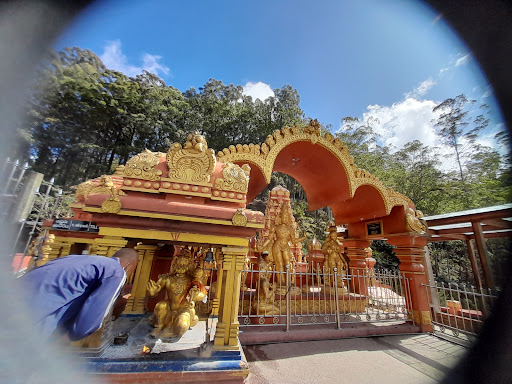
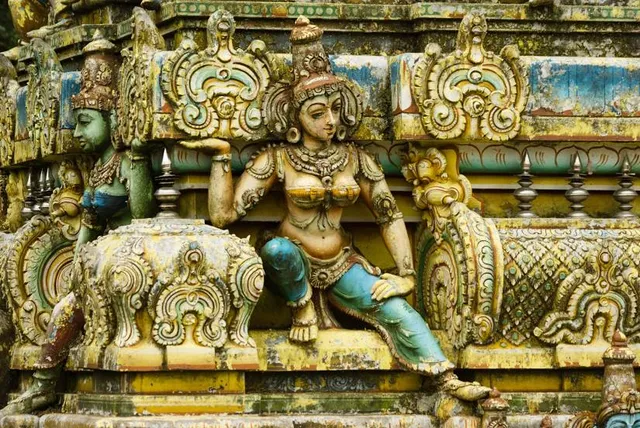
The Seetha Amman Temple is adorned with depictions of the Ramayana, including sculptures of Lord Rama, Sita Mata, Lakshmana, and Lord Hanuman. The architecture is simple yet captivating, with vibrant colors and intricate carvings that narrate key moments from the epic. The serene surroundings of the temple, with its hilly terrain and lush greenery, create a tranquil environment that feels sacred and timeless.
Spiritual Experience
The temple priests are well-versed in the stories of the Ramayana and generously share these legends with visitors, making the experience more meaningful. Special prayers and rituals are conducted daily, and many devotees visit the temple to seek blessings for marital harmony and familial happiness, inspired by the unbreakable bond of love and faith between Lord Rama and Sita Mata.
Nearby Ramayana Sites
For those interested in further exploring the Ramayana trail in Sri Lanka, nearby sites include:
Ravana Falls: Believed to be part of the route Ravana took while abducting Sita Mata.
Hakgala Botanical Garden: Said to be the location of the Ashok Vatika where Sita Mata was kept.
Ravana Cave: A cave system linked to Ravana’s kingdom and his network of tunnels.
Final Thoughts
The Seetha Amman Temple is not just a place of worship; it is a bridge to an ancient world of stories and devotion. For anyone following the Ramayana or looking to connect with its profound spiritual and cultural heritage, this temple is a must-visit. The serene beauty of Nuwara Eliya combined with the mythological significance of the temple creates an unforgettable journey into one of the greatest epics of all time.
Tip: Visit during aarti (prayer) for a truly mesmerizing experience, and take some time to explore the natural beauty surrounding the temple, as it complements the divine essence...
Read moreSeetha Amman Kovil, also known as Seetha Eliya or Seetha Temple, is a Hindu temple located in the village of Seetha Eliya (also spelled Sita Eliya) in Nuwara Eliya district, Sri Lanka. The temple is associated with the Hindu epic Ramayana and is believed to be the spot where Sita, the consort of Lord Rama, was held captive by the demon king Ravana.
According to the Ramayana, Sita was abducted by Ravana and brought to Sri Lanka. She was kept captive in the area now known as Seetha Eliya. The temple was built to commemorate this event and is considered a sacred pilgrimage site for Hindus.
Key features of Seetha Amman Kovil:
Temple Architecture: The temple features traditional South Indian architectural elements. It is adorned with colorful sculptures and intricate carvings that depict scenes from the Ramayana.
Sita Devi's Footprint: One of the main attractions of the temple is a rock with a footprint, believed to be that of Sita Devi. According to legend, Sita left her footprint on this rock while she was held captive by Ravana.
Sita Tear Pond: Adjacent to the temple, there is a small pond called the Sita Tear Pond. It is believed that Sita used to bathe in this pond during her captivity, and the pond's water is said to have healing properties.
Hanuman Temple: Near the main temple, there is also a Hanuman temple. Hanuman, the monkey god and a loyal devotee of Lord Rama, played a significant role in the rescue of Sita from Ravana's captivity.
Pilgrimage Site: Seetha Amman Kovil attracts Hindu devotees from Sri Lanka and other countries who come to pay their respects to Sita and seek blessings. It is a place of prayer, meditation, and reflection for many visitors.
Nuwara Eliya Surroundings: The temple is situated in the picturesque hill country of Nuwara Eliya, surrounded by lush greenery, tea plantations, and beautiful landscapes, making it an even more serene and spiritual destination.
When visiting Seetha Amman Kovil, it's essential to be respectful of the religious significance of the site. Observing local customs, removing footwear before entering the temple premises, and maintaining a quiet and peaceful demeanor are some of the etiquettes to follow while visiting this sacred place.
Moreover, you can also witness the mountain (Opposite side of temple) that look like lord hanuman. It was little tricky to identify but once you notice it was amazing to view that. Overall, the experience and place...
Read more