HTML SitemapExplore

Kanniya Hot Water Springs — Attraction in Eastern Province

Name
Kanniya Hot Water Springs
Description
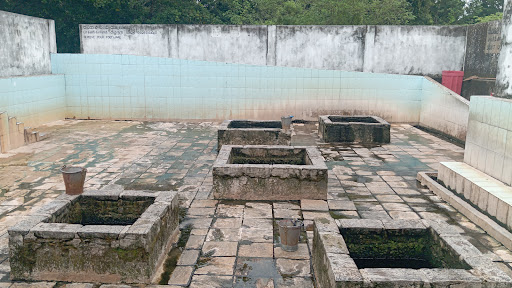
The Kanniya Hot Springs is a site with hot wells located in Trincomalee, Sri Lanka. There are seven wells in a square shape. Wells are only 3–4 feet deep and you can clearly see the bottom. The temperature is considerably high but vary slightly from one spring to another.
Nearby attractions
Nearby restaurants
Nearby local services
Nearby hotels
Related posts
Keywords
Kanniya Hot Water Springs tourism.Kanniya Hot Water Springs hotels.Kanniya Hot Water Springs bed and breakfast. flights to Kanniya Hot Water Springs.Kanniya Hot Water Springs attractions.Kanniya Hot Water Springs restaurants.Kanniya Hot Water Springs local services.Kanniya Hot Water Springs travel.Kanniya Hot Water Springs travel guide.Kanniya Hot Water Springs travel blog.Kanniya Hot Water Springs pictures.Kanniya Hot Water Springs photos.Kanniya Hot Water Springs travel tips.Kanniya Hot Water Springs maps.Kanniya Hot Water Springs things to do.
Kanniya Hot Water Springs things to do, attractions, restaurants, events info and trip planning
Kanniya Hot Water Springs
Sri LankaEastern ProvinceKanniya Hot Water Springs

Basic Info

Kanniya Hot Water Springs

J54C+5F9, Trincomalee, Sri Lanka
4.1(1.3K)
Open until 7:00 PM
Save
spot

Ratings & Description

Info

The Kanniya Hot Springs is a site with hot wells located in Trincomalee, Sri Lanka. There are seven wells in a square shape. Wells are only 3–4 feet deep and you can clearly see the bottom. The temperature is considerably high but vary slightly from one spring to another.

Outdoor
Relaxation
Family friendly
attractions: , restaurants: , local businesses:
logoLearn more insights from Wanderboat AI.
Phone
+94 263 266 151
Open hoursSee all hours
Tue7 AM - 7 PMOpen

Plan your stay

hotel
Pet-friendly Hotels in Eastern Province
Find a cozy hotel nearby and make it a full experience.
hotel
Affordable Hotels in Eastern Province
Find a cozy hotel nearby and make it a full experience.
hotel
The Coolest Hotels You Haven't Heard Of (Yet)
Find a cozy hotel nearby and make it a full experience.
hotel
Trending Stays Worth the Hype in Eastern Province
Find a cozy hotel nearby and make it a full experience.

Reviews

Get the Appoverlay
Get the AppOne tap to find yournext favorite spots!
Wanderboat LogoWanderboat

Your everyday Al companion for getaway ideas

CompanyAbout Us
InformationAI Trip PlannerSitemap
SocialXInstagramTiktokLinkedin
LegalTerms of ServicePrivacy Policy

Get the app

© 2025 Wanderboat. All rights reserved.

Reviews of Kanniya Hot Water Springs

4.1
(1,304)
avatar
5.0
2y

⭐⭐⭐⭐⭐ Nestled in the heart of Trincomalee, the Hot Water Springs stand as a testament to the natural wonders that abound in this picturesque region. Boasting seven wells, each with a distinct temperature, these thermal springs have become a cherished destination renowned for their believed health benefits and tranquil ambiance.

The allure of the Hot Water Springs lies not only in their thermal qualities but also in the surrounding lush greenery that enhances the sense of serenity. The thermal wells, each offering a unique temperature, range from comfortably warm to pleasantly hot. This diversity allows visitors to tailor their bathing experience, choosing a well that suits their preferences and comfort level.

Local beliefs hold that immersing oneself in the mineral-rich waters of these springs can have a positive impact on health. Whether it's soothing muscle tension, improving circulation, or simply promoting overall well-being, the therapeutic properties of the springs have attracted both locals and travelers seeking a natural remedy for relaxation and rejuvenation.

The seven wells are not just differentiated by temperature; they also contribute to the overall ambiance of the site. Some wells are nestled in shaded alcoves, offering a sense of privacy and intimacy, while others are surrounded by open spaces, allowing visitors to bask in the warmth of the sun during their soak. The thoughtful design enhances the overall experience, making it a holistic retreat for mind and body.

Visitors to the Hot Water Springs find more than just a place to bathe; they discover a sanctuary where the natural world intertwines with cultural practices. The site is often frequented by locals who, over generations, have woven traditions around the therapeutic benefits of these springs. The atmosphere is infused with a sense of community and shared appreciation for the healing powers of nature.

For those seeking a break from the hustle and bustle of daily life, the Hot Water Springs offer a tranquil escape. The serene surroundings, coupled with the believed health benefits, create an atmosphere conducive to relaxation and introspection. It's a destination that beckons you to slow down, immerse yourself in the soothing waters, and embrace the rejuvenating embrace of nature.

In conclusion, awarding the Hot Water Springs a five-star rating is a recognition not only of the natural beauty and thermal diversity but also of the cultural significance and well-being they bring to those fortunate enough to visit. It's an invitation to experience the intersection of tradition and nature, where the therapeutic embrace of the springs provides a timeless sanctuary for all who seek solace and rejuvenation. 🌿🌊 #HotWaterSprings #WellnessRetreat...

   Read more


avatar
5.0
2y

Kanniya Hot Springs is a site with hot water wells located in Eastern Province, Trincomalee District of Sri Lanka. The average temperature of these wells is 42 Celsius, and the temperature is slightly different from one another. Kanniya Hot Spring is a popular tourist destination in the Trincomalee district and both local & foreign travelers. Currently, this is managed by Pradeshiya Sabha (Local Council) of Trincomalee. People in this area believe that this hot water is good for some skin deceases and it has healing power for Arthritis and rheumatic.

Inscriptions reveal that the hot springs were reserved by the Buddhist Monks who were residing in the area during the Anuradhapura period. Kanniya Hot Spring site is protected monuments / site by Department of Archeological Sri Lanka. Even today, there are ancient ruins visible, but most of them were destroyed during the Sri Lankan war ended in 2009. According to the archeological analysis, these wells were probably a part of a pond complex used by Buddhist monks of Velgam Vehera Buddhist Monastery and a large number of remains of Buddhist building has been recovered around Kanniya Hot Spring site.

According to King Ravana , it says that King Ravana stuck the earth with his sword in several spots, and several fountains sprang from these points. The water was hot, and this was the beginning of these hot water springs. Therefore, this is one of the Ramayana Yatra related sites as well in Sri Lanka.

Geothermal springs are the natural springs that contain hot water. Hydro geothermal systems link the global lithosphere, hydrological, and atmospheric cycles of the environment. Generally, three important factors control the generation of hot springs, including heat sources, ground water, and reservoir rocks.

The surface temperatures of the Kinniya spring water range from 30 ºC to 37 ºC, all of which can be classified as warm springs. The spring water is classified as weakly basic, as indicated by the invariable pH from 6.7 to 7.3. Conductivity of the Kinniya hot springs at 25 ºC shows insignificant variation ranging from 288 to 428 μS/cm (Table 2). In the surface, temperatures of the Madunagala spring water range from 34 ºC to 46 ºC, all of which can be classified as warm thermal springs.

Further study reveals that due to increases of atmospheric precipitation decreases, the thermal temperature decreases, and a corresponding decrease atmospheric precipitation, which defines increases the thermal water. Therefore, there is an existing intimate relation between atmospheric precipitation and thermal groundwater. The chemical analysis results revealed that Kinniya spring water contains more HCO3, and Madunagala spring water contains...

   Read more
avatar
5.0
7y

The Kanniya Hot Springs (Sinhalese: කන්නියා උණුදිය ලිං, Tamil: கன்னியா வெந்நீரூற்று) is a site with hot wells located in Trincomalee, Sri Lanka. There are seven wells in a square shape. Wells are only 3–4 feet deep and you can clearly see the bottom. The temperature is considerably high but vary slightly from one spring to another.[1] Wells run out of water, when 10-15 buckets of water are taken out.

The old ruins of the monastery still visible over the area, but it seems that most of those artifacts were destroyed during the Sri Lankan Civil War.[3] On 9 September 2011, the seven hot water wells, Chaityamound and other scattered building ruins in the site were formally recognised by the Government as an archaeological protected site in Sri Lanka. The designation was declared under the government Gazette number 1723.

Religious Hindu rituals dedicated to lost loved ones are observed by the Sri Lankan Tamils at this site, believed in folklore to have been started by Ravana, antagonist of the epic Ramayana.[5] According to local folklore, is this site connected with the antagonist Ravana of the Hindu epic, Ramayana. Ravana and his mother worshipped Hindu God Shivaat the Koneswaram temple and the Hot springs of Kanniya. Ravana wanted to remove the temple of Koneswaram when his mother was in ailing health. Ravana was heaving the rock, Lord Shiva made him drop his sword. Ravanan mother heard that news and thought of unbeatable sorrow. When Ravana returns he found his beloved mother demise was disheartened. To do her mother's rites, Ravana stuck the earth with his sword in several spots and several fountains sprang from these points. The water was hot and this was the beginning of these hot water springs.[6]

Mahabharata, the Hindu epic notes that hot well is near Gokarna bay, in the middle of the ocean and is the island shrine of Uma's consort Shiva, known in the three worlds and worshipped by all peoples from the subcontinent, including the native tribes Naga, Deva and the Yaksha, the rivers, ocean and mountains.[7] It continues that the Koneshwara Temple and Hot water spring is the next pilgrimage spot for Hindus en route south following Kanyakumari of the early Pandyan kingdom and Tamiraparni island (Kudiramalai) and that worshippers should fast for three days at the temple.[8]

According to the local beliefs, the history of Kanniya hot water spring is dated back to the Ravana era and the first written references to a hot water spring near to Gokarna bay (Trincomalee) is said to be found in the epic Ramayana. However it is also believed that this wells were part of a Buddhist monastery and Buddhist monks used this place as a part of...

   Read more
Page 1 of 7
Previous
Next

Posts

Kavindu VihangaKavindu Vihanga
⭐⭐⭐⭐⭐ Nestled in the heart of Trincomalee, the Hot Water Springs stand as a testament to the natural wonders that abound in this picturesque region. Boasting seven wells, each with a distinct temperature, these thermal springs have become a cherished destination renowned for their believed health benefits and tranquil ambiance. The allure of the Hot Water Springs lies not only in their thermal qualities but also in the surrounding lush greenery that enhances the sense of serenity. The thermal wells, each offering a unique temperature, range from comfortably warm to pleasantly hot. This diversity allows visitors to tailor their bathing experience, choosing a well that suits their preferences and comfort level. Local beliefs hold that immersing oneself in the mineral-rich waters of these springs can have a positive impact on health. Whether it's soothing muscle tension, improving circulation, or simply promoting overall well-being, the therapeutic properties of the springs have attracted both locals and travelers seeking a natural remedy for relaxation and rejuvenation. The seven wells are not just differentiated by temperature; they also contribute to the overall ambiance of the site. Some wells are nestled in shaded alcoves, offering a sense of privacy and intimacy, while others are surrounded by open spaces, allowing visitors to bask in the warmth of the sun during their soak. The thoughtful design enhances the overall experience, making it a holistic retreat for mind and body. Visitors to the Hot Water Springs find more than just a place to bathe; they discover a sanctuary where the natural world intertwines with cultural practices. The site is often frequented by locals who, over generations, have woven traditions around the therapeutic benefits of these springs. The atmosphere is infused with a sense of community and shared appreciation for the healing powers of nature. For those seeking a break from the hustle and bustle of daily life, the Hot Water Springs offer a tranquil escape. The serene surroundings, coupled with the believed health benefits, create an atmosphere conducive to relaxation and introspection. It's a destination that beckons you to slow down, immerse yourself in the soothing waters, and embrace the rejuvenating embrace of nature. In conclusion, awarding the Hot Water Springs a five-star rating is a recognition not only of the natural beauty and thermal diversity but also of the cultural significance and well-being they bring to those fortunate enough to visit. It's an invitation to experience the intersection of tradition and nature, where the therapeutic embrace of the springs provides a timeless sanctuary for all who seek solace and rejuvenation. 🌿🌊 #HotWaterSprings #WellnessRetreat #TrincomaleeMagic
Sanjayan SharmaSanjayan Sharma
Kanniya Hot Springs is a site with hot water wells located in Eastern Province, Trincomalee District of Sri Lanka. The average temperature of these wells is 42 Celsius, and the temperature is slightly different from one another. Kanniya Hot Spring is a popular tourist destination in the Trincomalee district and both local & foreign travelers. Currently, this is managed by Pradeshiya Sabha (Local Council) of Trincomalee. People in this area believe that this hot water is good for some skin deceases and it has healing power for Arthritis and rheumatic. Inscriptions reveal that the hot springs were reserved by the Buddhist Monks who were residing in the area during the Anuradhapura period. Kanniya Hot Spring site is protected monuments / site by Department of Archeological Sri Lanka. Even today, there are ancient ruins visible, but most of them were destroyed during the Sri Lankan war ended in 2009. According to the archeological analysis, these wells were probably a part of a pond complex used by Buddhist monks of Velgam Vehera Buddhist Monastery and a large number of remains of Buddhist building has been recovered around Kanniya Hot Spring site. According to King Ravana , it says that King Ravana stuck the earth with his sword in several spots, and several fountains sprang from these points. The water was hot, and this was the beginning of these hot water springs. Therefore, this is one of the Ramayana Yatra related sites as well in Sri Lanka. Geothermal springs are the natural springs that contain hot water. Hydro geothermal systems link the global lithosphere, hydrological, and atmospheric cycles of the environment. Generally, three important factors control the generation of hot springs, including heat sources, ground water, and reservoir rocks. The surface temperatures of the Kinniya spring water range from 30 ºC to 37 ºC, all of which can be classified as warm springs. The spring water is classified as weakly basic, as indicated by the invariable pH from 6.7 to 7.3. Conductivity of the Kinniya hot springs at 25 ºC shows insignificant variation ranging from 288 to 428 μS/cm (Table 2). In the surface, temperatures of the Madunagala spring water range from 34 ºC to 46 ºC, all of which can be classified as warm thermal springs. Further study reveals that due to increases of atmospheric precipitation decreases, the thermal temperature decreases, and a corresponding decrease atmospheric precipitation, which defines increases the thermal water. Therefore, there is an existing intimate relation between atmospheric precipitation and thermal groundwater. The chemical analysis results revealed that Kinniya spring water contains more HCO3, and Madunagala spring water contains more Cl ions.
Rashmika De SivaRashmika De Siva
Kanniya Hot Water Springs, also known as Kanniya Sita Eliya, is a group of seven hot water springs located in the Trincomalee District of the Eastern Province of Sri Lanka. The springs are believed to have been discovered by the god Rama and his wife Sita during their exile in the forest, and are associated with the Hindu epic the Ramayana. The hot water springs are located in a lush and verdant forest setting, and are known for their therapeutic properties. Visitors to the springs can soak in the hot water and relax in the peaceful and serene atmosphere. The water is believed to have medicinal properties that can help to alleviate various ailments, such as joint pain and skin diseases. In addition to the hot water springs, the Kanniya Hot Water Springs site also contains a number of ancient ruins, including a temple and a palace, which are believed to date back to the Anuradhapura period (4th century BC to 11th century AD). Visitors to the site can also see the ancient stone inscriptions and carvings that adorn the walls and pillars of the temple and palace. The Kanniya Hot Water Springs are a popular tourist destination, attracting visitors from all over the world who come to experience the therapeutic properties of the hot water and the rich cultural and historical significance of the site.
See more posts
See more posts
hotel
Find your stay

Pet-friendly Hotels in Eastern Province

Find a cozy hotel nearby and make it a full experience.

⭐⭐⭐⭐⭐ Nestled in the heart of Trincomalee, the Hot Water Springs stand as a testament to the natural wonders that abound in this picturesque region. Boasting seven wells, each with a distinct temperature, these thermal springs have become a cherished destination renowned for their believed health benefits and tranquil ambiance. The allure of the Hot Water Springs lies not only in their thermal qualities but also in the surrounding lush greenery that enhances the sense of serenity. The thermal wells, each offering a unique temperature, range from comfortably warm to pleasantly hot. This diversity allows visitors to tailor their bathing experience, choosing a well that suits their preferences and comfort level. Local beliefs hold that immersing oneself in the mineral-rich waters of these springs can have a positive impact on health. Whether it's soothing muscle tension, improving circulation, or simply promoting overall well-being, the therapeutic properties of the springs have attracted both locals and travelers seeking a natural remedy for relaxation and rejuvenation. The seven wells are not just differentiated by temperature; they also contribute to the overall ambiance of the site. Some wells are nestled in shaded alcoves, offering a sense of privacy and intimacy, while others are surrounded by open spaces, allowing visitors to bask in the warmth of the sun during their soak. The thoughtful design enhances the overall experience, making it a holistic retreat for mind and body. Visitors to the Hot Water Springs find more than just a place to bathe; they discover a sanctuary where the natural world intertwines with cultural practices. The site is often frequented by locals who, over generations, have woven traditions around the therapeutic benefits of these springs. The atmosphere is infused with a sense of community and shared appreciation for the healing powers of nature. For those seeking a break from the hustle and bustle of daily life, the Hot Water Springs offer a tranquil escape. The serene surroundings, coupled with the believed health benefits, create an atmosphere conducive to relaxation and introspection. It's a destination that beckons you to slow down, immerse yourself in the soothing waters, and embrace the rejuvenating embrace of nature. In conclusion, awarding the Hot Water Springs a five-star rating is a recognition not only of the natural beauty and thermal diversity but also of the cultural significance and well-being they bring to those fortunate enough to visit. It's an invitation to experience the intersection of tradition and nature, where the therapeutic embrace of the springs provides a timeless sanctuary for all who seek solace and rejuvenation. 🌿🌊 #HotWaterSprings #WellnessRetreat #TrincomaleeMagic
Kavindu Vihanga

Kavindu Vihanga

hotel
Find your stay

Affordable Hotels in Eastern Province

Find a cozy hotel nearby and make it a full experience.

Get the Appoverlay
Get the AppOne tap to find yournext favorite spots!
Kanniya Hot Springs is a site with hot water wells located in Eastern Province, Trincomalee District of Sri Lanka. The average temperature of these wells is 42 Celsius, and the temperature is slightly different from one another. Kanniya Hot Spring is a popular tourist destination in the Trincomalee district and both local & foreign travelers. Currently, this is managed by Pradeshiya Sabha (Local Council) of Trincomalee. People in this area believe that this hot water is good for some skin deceases and it has healing power for Arthritis and rheumatic. Inscriptions reveal that the hot springs were reserved by the Buddhist Monks who were residing in the area during the Anuradhapura period. Kanniya Hot Spring site is protected monuments / site by Department of Archeological Sri Lanka. Even today, there are ancient ruins visible, but most of them were destroyed during the Sri Lankan war ended in 2009. According to the archeological analysis, these wells were probably a part of a pond complex used by Buddhist monks of Velgam Vehera Buddhist Monastery and a large number of remains of Buddhist building has been recovered around Kanniya Hot Spring site. According to King Ravana , it says that King Ravana stuck the earth with his sword in several spots, and several fountains sprang from these points. The water was hot, and this was the beginning of these hot water springs. Therefore, this is one of the Ramayana Yatra related sites as well in Sri Lanka. Geothermal springs are the natural springs that contain hot water. Hydro geothermal systems link the global lithosphere, hydrological, and atmospheric cycles of the environment. Generally, three important factors control the generation of hot springs, including heat sources, ground water, and reservoir rocks. The surface temperatures of the Kinniya spring water range from 30 ºC to 37 ºC, all of which can be classified as warm springs. The spring water is classified as weakly basic, as indicated by the invariable pH from 6.7 to 7.3. Conductivity of the Kinniya hot springs at 25 ºC shows insignificant variation ranging from 288 to 428 μS/cm (Table 2). In the surface, temperatures of the Madunagala spring water range from 34 ºC to 46 ºC, all of which can be classified as warm thermal springs. Further study reveals that due to increases of atmospheric precipitation decreases, the thermal temperature decreases, and a corresponding decrease atmospheric precipitation, which defines increases the thermal water. Therefore, there is an existing intimate relation between atmospheric precipitation and thermal groundwater. The chemical analysis results revealed that Kinniya spring water contains more HCO3, and Madunagala spring water contains more Cl ions.
Sanjayan Sharma

Sanjayan Sharma

hotel
Find your stay

The Coolest Hotels You Haven't Heard Of (Yet)

Find a cozy hotel nearby and make it a full experience.

hotel
Find your stay

Trending Stays Worth the Hype in Eastern Province

Find a cozy hotel nearby and make it a full experience.

Kanniya Hot Water Springs, also known as Kanniya Sita Eliya, is a group of seven hot water springs located in the Trincomalee District of the Eastern Province of Sri Lanka. The springs are believed to have been discovered by the god Rama and his wife Sita during their exile in the forest, and are associated with the Hindu epic the Ramayana. The hot water springs are located in a lush and verdant forest setting, and are known for their therapeutic properties. Visitors to the springs can soak in the hot water and relax in the peaceful and serene atmosphere. The water is believed to have medicinal properties that can help to alleviate various ailments, such as joint pain and skin diseases. In addition to the hot water springs, the Kanniya Hot Water Springs site also contains a number of ancient ruins, including a temple and a palace, which are believed to date back to the Anuradhapura period (4th century BC to 11th century AD). Visitors to the site can also see the ancient stone inscriptions and carvings that adorn the walls and pillars of the temple and palace. The Kanniya Hot Water Springs are a popular tourist destination, attracting visitors from all over the world who come to experience the therapeutic properties of the hot water and the rich cultural and historical significance of the site.
Rashmika De Siva

Rashmika De Siva

See more posts
See more posts