Maduru Oya National Park: A Wilderness Sanctuary in Sri Lanka
Nestled in the Eastern Province of Sri Lanka, Maduru Oya National Park stands as a pristine wilderness sanctuary, offering a haven for diverse wildlife and a retreat for nature enthusiasts. Spanning over 58,800 hectares, this lesser-known national park boasts a rich biodiversity and stunning landscapes that are sure to captivate visitors.
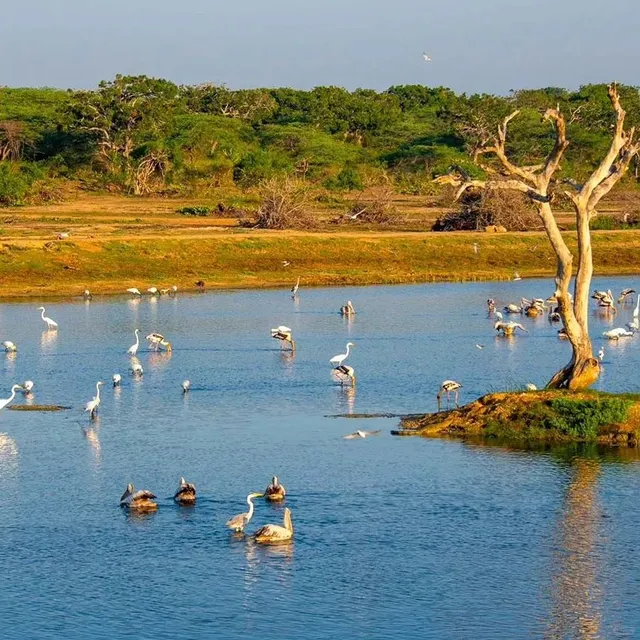
One of the defining features of Maduru Oya is its varied ecosystems, ranging from dense forests to vast grasslands and shimmering reservoirs. The park is named after the Maduru Oya Reservoir, a sprawling body of water that serves as a lifeline for the park's flora and fauna. This reservoir, created by an ancient dam, not only provides water for the wildlife but also offers picturesque views and opportunities for wildlife sightings.
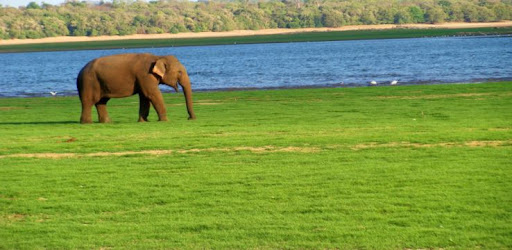
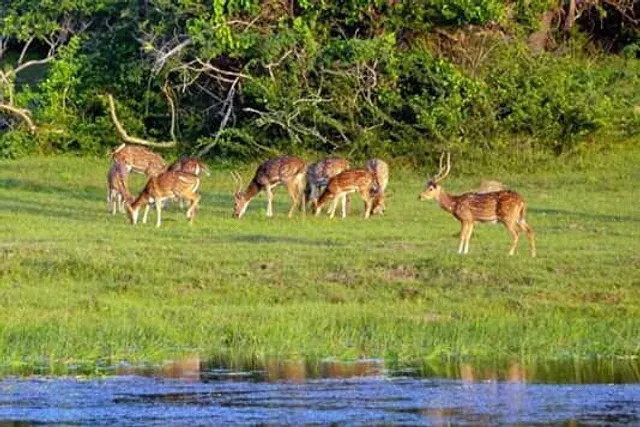
Maduru Oya National Park is a paradise for wildlife enthusiasts, with a diverse array of species calling it home. The park is known for its large elephant population, providing visitors with the chance to witness these magnificent creatures in their natural habitat. Alongside elephants, Maduru Oya is home to leopards, sloth bears, deer, crocodiles, and a wide variety of bird species, making it a paradise for birdwatchers.
Exploring Maduru Oya National Park is an adventure into the heart of Sri Lanka's natural beauty. Visitors can embark on jeep safaris, guided by experienced park rangers who navigate the rugged terrain, ensuring optimal wildlife viewing opportunities. The park's network of trails also allows for guided nature walks, providing a closer look at the park's flora, fauna, and the fascinating history of the region.
In addition to its natural wonders, Maduru Oya National Park holds historical and cultural significance. The park is dotted with ancient ruins, including the ruins of the Kudawila Wewa Reservoir and the Henanigala Rock Temple. These remnants of ancient civilizations offer a glimpse into the region's history and the lives of its past inhabitants.
For those seeking tranquility and solitude, Maduru Oya National Park offers camping opportunities amidst nature. Camping under the starry skies, surrounded by the sounds of the wilderness, provides a unique and unforgettable experience for visitors looking to reconnect with nature.
In conclusion, Maduru Oya National Park stands as a hidden gem in Sri Lanka's national park system, offering a wilderness sanctuary rich in biodiversity and natural beauty. From its diverse wildlife to its historical ruins and tranquil landscapes, the park provides a unique opportunity to immerse oneself in the wonders of nature. Whether you're an avid wildlife enthusiast, a history buff, or simply seeking a peaceful retreat, Maduru Oya National Park promises an unforgettable experience that celebrates the beauty and richness of Sri Lanka's...
Read moreMaduru Oya National Park IUCN category II (national park) Maduru Oya National Park grassland.jpg Savanna grasslands of Maduru Oya National Park Map showing the location of Maduru Oya National ParkMap showing the location of Maduru Oya National Park Location of Maduru Oya National Park Location Eastern and Uva Provinces, Sri Lanka Nearest city Polonnaruwa Coordinates 7°34′33″N 81°08′34″ECoordinates: 7°34′33″N 81°08′34″E Area 58,850 hectares (227.2 sq mi) Established 1983 Governing body Department of Wildlife Conservation Maduru Oya National Park is a national park of Sri Lanka, established under the Mahaweli development project and also acts as a catchment of the Maduru Oya Reservoir. The park was designated on 9 November 1983. Providing a sanctuary to wildlife, especially for elephants and protecting the immediate catchments of five reservoirs are the importance of the park. A community of Vedda people, the indigenous ethnic group of Sri Lanka lives within the park boundary in Henanigala. The park is situated 288 kilometres (179 mi) north-east of Colombo.
Degradation of Precambrian rock has effected in the creation of a mature mantled and undulating peneplain, disturbed by many prominent remnants of erosion (rock outcrops) and ridges. Imposing topographic feature is the 8 kilometres (5.0 mi) long range of rocky mountains of the south-west of the park. The geographical regime includes alluvium deposits and Miocene limestone. The major soil type is the relatively fertile but easily eroded red earth. Water systems of the park made up 15% of the land area, include five reservoirs; Maduru Oya, Ulhitiya, Ratkinda, NDK, and Henanigala reservoirs and tributaries of the Mahaweli and Maduru Oya rivers. Situated in the dry zone of Sri Lanka, the climatic conditions are dominated by the north-east monsoon, which persists from October to February. The mean annual rainfall is 1,650 millimetres (65 in) and the mean annual temperature is about 27 °C (81 °F), and overall evapotranspiration rates usually exceed...
Read moreMaduru Oya National Park, located in the eastern part of Sri Lanka, is a hidden gem that's home to diverse wildlife, stunning landscapes, and rich cultural heritage. Established in 1983, the park spans approximately 238 square kilometers and features a mix of flatlands, rocky outcrops, and lush forests.
Wildlife and Ecosystems
Asian Elephants: The park is renowned for its significant population of Asian elephants, often seen in herds near water sources. Other Mammals: Leopards, sloth bears, water buffaloes, sambar deer, and spotted deer inhabit the park. Birds: Over 100 bird species have been recorded, including endemic species like the Sri Lanka junglefowl and crimson-fronted barbet, as well as migratory birds. Reptiles: Mugger crocodiles, star tortoises, and various snake species call the park home.¹
Things to Do
Safari Jeep Tours: Explore the park's wilderness and spot wildlife in their natural habitat. Boat Rides: Enjoy a serene boat ride on the Maduru Oya Reservoir and observe aquatic life. Nature Walks: Hike through the park's trails and take in the scenic views. Birdwatching: Spot various bird species, especially during the migratory season.
Cultural Significance
Ancient Irrigation Systems: The park features ancient irrigation systems, ruins of Buddhist monasteries, and stone inscriptions. Vedda Community: The park is home to the Vedda community, an indigenous ethnic group of Sri Lanka.
Visiting Information
Location: Maduru Oya National Park is located 288 kilometers northeast of Colombo. Best Time to Visit: March to September, when the dry season brings wildlife to water points, making them easier to spot. Getting There: The park is accessible from Polonnaruwa...
Read more