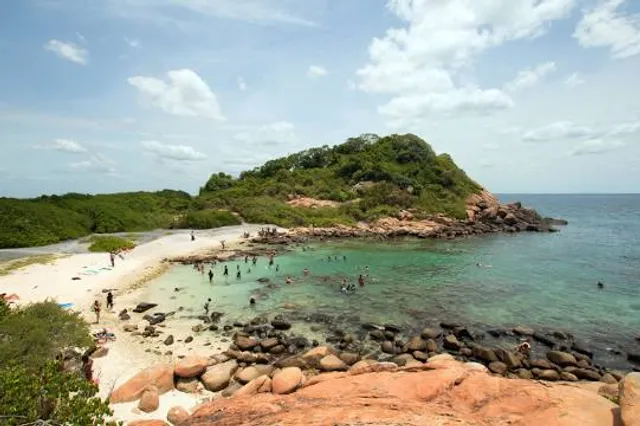
You can get to Pigeon Island from 2 locations. 1) From the Nilaveli beach road and the other from the Nilaveli beach hotel road both roads are just a few hundred meters apart. I recommend the Nilaveli beach hotel road because it's less congested. The beach road gives access to the public beach area and is mostly crowded. The beach road has shops if you want to buy something but the hotel doesn't have any. The hotel road is mainly for tourists at the surrounding hotels who are going to the island but doesn't mean locals can't. At the end of the road you will find the beach and from there you can buy tickets for the island. Tickets are not issued after 4pm. Tickets - 350 per person and If you want to do snorkeling you have to pay an extra fee of another 350 per person. I recommend you go for snorkeling as well because it's very safe and also it's absolutely amazing to be able to witness the sealife. Boat Service - A boat costs 8k back and forth and can accommodate about 6 to 8 people. You will also need to rent a life jacket and snorkel with goggles for snorkeling which 1000 per person.
Before you go the island change into your clothes required for getting into the water because changing at the island is quite challenging. Just carry a small bag required for your phone and wallet. You have to leave at bag the check in counter at the island unless you have a waterproof carry case. So don't carry anything unless you really need it. There is nothing you can buy in the island. You will only need cash if you wish to pay for a guide for snorkeling which is 500 per person.
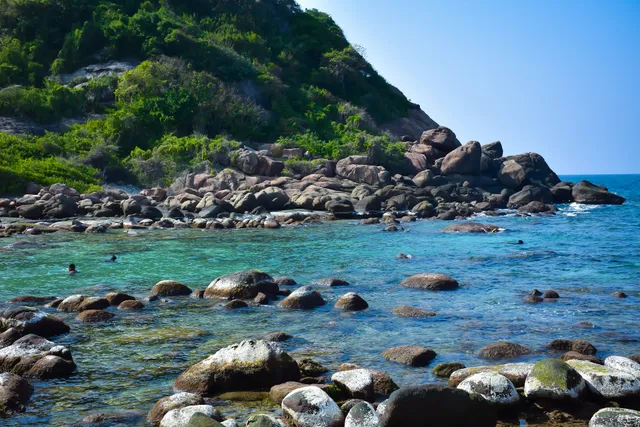
Snorkeling - There are two sections for snorkeling. You don't a guide for either section. If you can swim then with a life jacket on you will be fine. Section one is not very deep. It's rocky at the bottom so you can always sit or stand on rocks. Here you should be able to manage on your own upto about 75m from the shore. You will see ample fish here but the seabed is very dull.
Section 2 is very deep so even with a jacket I would recommend a guide if are not a good swimmer. You are also not allowed to stand on the corals because although it gets deep after a few meters the first few meters also have corals and you have to float all the way without stepping on them. The guide will provide you with a buoy so all you have to do is hold on to the buoy and he will take you around. This place is amazing! The sea bed is full of corals and lots of color full fish. It's like watching a 4k video. If you are lucky you will also see reef sharks and turtles.
You can stay in the island for about 3 hours. This is enough time for snorkeling and a stroll around the island.
P.S. You will only see pigeons if you climb up the mountain. Apparently there are snakes in the island and the pigeons are falling prey to them and the pigeon population...
Read moreREAD THIS BEFORE GOING! For me there was no explanation online about this place so I hope this comment will help someone- We’ve come to Trincomalee especially to go to pigeon island to do snorkeling and a little short free divings because we heard the it was the best place in Sri Lanka. We hoped to see a lot of marine life and fish but when we got there we were slightly disappointed. Most of the corals are dead and there are very little fish around. We were lucky enough to see a shark and a turtle which were beautiful and calm they swam right next us. The place is still pretty and it’s a fun activity and maybe on a different time in the year there are more fish around. The price is a little expensive so you should consider it. I want to do a little explanation about the payment because at the moment they see that you are tourists they try to scam you- they start to confuse you with numbers that don’t make sense with little to no explanation about the math behind. Entry ticket to the national park is 25 USD per adult. Don’t let them tell you otherwise. You need to pay some service charges- another 10$ for coming with a boat (it’s not the boat ride itself- for the boat ride you will pay more, directly to the boat guy. We paid 8,000 rupees, I think its a lot but we were 6 so it divided nicely) Also you need to pay another 5$ fee for snorkeling. So with everything one adult should cost 40$ with out a boat and equipment. Fins, a snorkel and a mask is 500 rupees each. If you have one of your own you should bring it. They tell you to rent fins because the corals would scratch your feet but if you are careful enough it shouldn’t even be a real problem. Life jacket is another 500 but the water is pretty’s floating and if you know how to swim well you don’t need it. Don’t let them scam you!! Bring sun screen and have fun! ** Also there are small transparent jellyfish looking thing in the water (there are a lot of them) but they do not sting, you swim right pass them. I got scared at first but they don’t do...
Read morePigeon Island is a small island located off the coast of Trincomalee, a city in eastern Sri Lanka. It is known for its picturesque beaches, crystal-clear waters, and vibrant marine life, making it a popular destination for snorkeling and diving.
Pigeon Island is actually divided into two smaller islands, known as Pigeon Island West and Pigeon Island East. The islands are part of the Pigeon Island National Park, which is a protected marine sanctuary managed by the Sri Lanka Department of Wildlife Conservation.
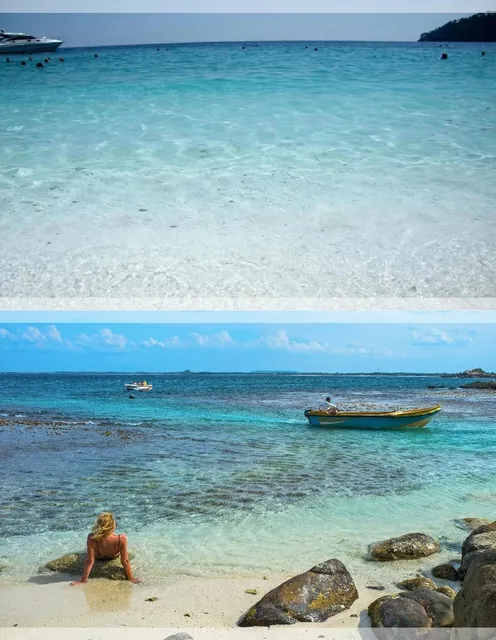
Pigeon Island is known for its coral reefs, which are home to a variety of marine species including colorful fish, sea turtles, and reef sharks. The island's pristine beaches are ideal for swimming, sunbathing, and relaxing amidst stunning natural scenery.
Visitors to Pigeon Island can explore the underwater world through snorkeling or diving, or simply relax on the sandy beaches and enjoy the scenic views. The island is accessible by boat from the mainland, and there are facilities available for snorkeling and diving, including equipment rental and guided tours.
It's important to note that Pigeon Island is a protected area, and visitors are required to follow park regulations and guidelines to help preserve the delicate marine ecosystem. This includes avoiding touching or damaging the coral reefs and marine life, and practicing responsible waste...
Read more