Giritale Wewa, an ancient reservoir nestled in the heart of Sri Lanka's cultural triangle, stands as a remarkable testament to the island's historical expertise in hydraulic engineering and water management. Constructed over a thousand years ago during the reign of King Agbo II (6th century AD), Giritale Wewa is a key component of the island's ancient irrigation network, contributing to agriculture, sustaining communities, and showcasing the engineering prowess of its creators.
The reservoir, also known as Giritale Tank, was strategically built to capture water from the Amban River, ensuring a steady and reliable water supply for the surrounding agricultural lands. The construction involved a massive earthen embankment, showcasing the advanced engineering skills of ancient Sri Lankan civilizations. Giritale Wewa's capacity to store water facilitated the cultivation of rice and other crops, supporting the flourishing agrarian societies that relied on its waters.
Giritale Wewa plays a pivotal role in the agricultural landscape of the region. The stored water is distributed through a network of canals and channels, reaching farmlands downstream and fostering increased agricultural productivity. The reservoir's influence extended beyond immediate sustenance, contributing to economic growth, trade, and the overall well-being of the communities that depended on its waters.
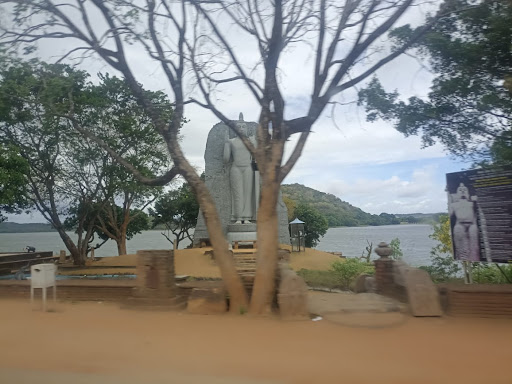
The reservoir is not only utilitarian but also holds cultural and historical significance. The surrounding area is dotted with archaeological sites, including ancient temples, monastic complexes, and inscriptions. These remnants provide insights into the cultural and religious practices of the ancient inhabitants who thrived in the shadow of Giritale Wewa. The reservoir, with its sprawling waters, reflects the intersection of engineering ingenuity and the spiritual and cultural heritage of the region.
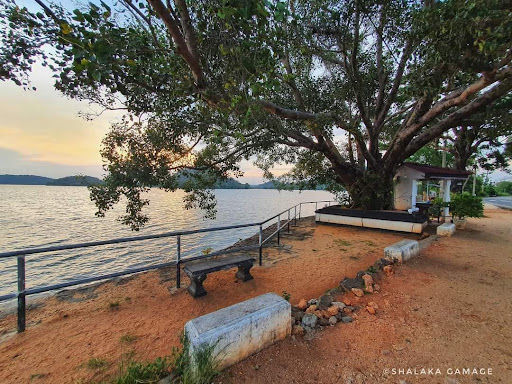
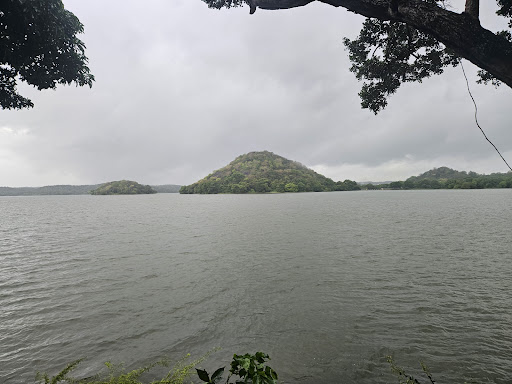
Giritale Wewa has become a scenic destination, attracting visitors who are captivated by its tranquil beauty and historical charm. The lush surroundings and the vast expanse of water create a serene atmosphere, making Giritale Wewa not only a heritage site but also a place of natural beauty that resonates with those seeking tranquility.
Efforts have been made to preserve and protect Giritale Wewa, recognizing its historical, cultural, and environmental importance. Conservation projects aim to safeguard the reservoir and its associated archaeological sites, ensuring that future generations can appreciate the engineering marvels and historical significance of Giritale Wewa.
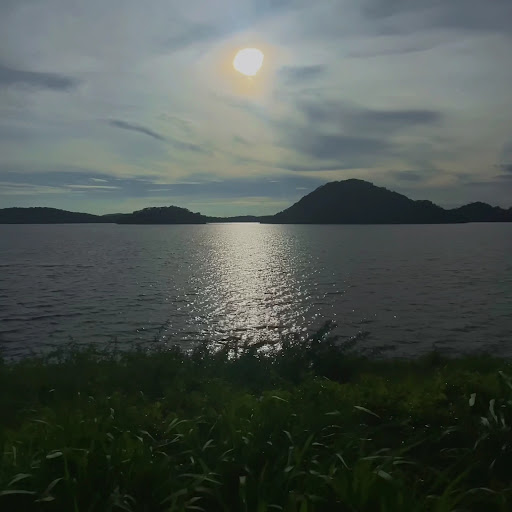
In recent years, the area around Giritale Wewa has seen tourism growth, with visitors drawn to its historical and natural attractions. The reservoir's reflection of the surrounding landscapes, particularly during sunrise and sunset, adds to the allure of this ancient site.
In conclusion, Giritale Wewa stands as a testament to the ingenuity of ancient Sri Lankan civilizations in harnessing water resources for the benefit of their communities. Its historical, cultural, and natural significance makes it a valuable heritage site and a testament to the enduring impact of hydraulic engineering on the landscape and culture of Sri Lanka. Giritale Wewa continues to be a source of inspiration, providing a glimpse into the rich tapestry of the island's history and the symbiotic relationship between water management and the flourishing civilizations...
Read more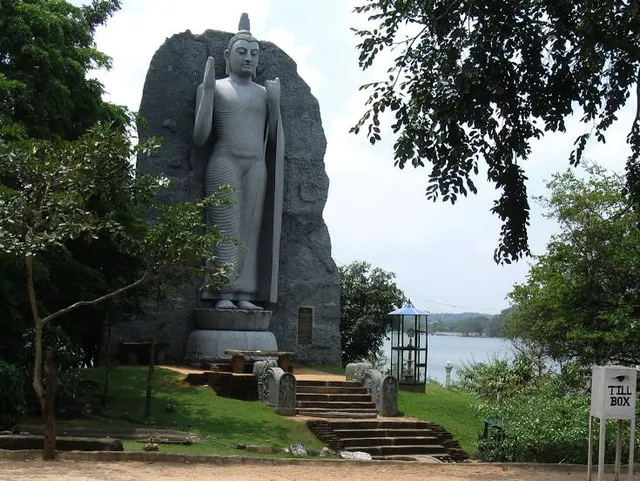
 Learn more insights from Wanderboat AI.