HTML SitemapExplore
logo
Find Things to DoFind The Best Restaurants

Thuparama vihara — Attraction in Sri Lanka

Name
Thuparama vihara
Description
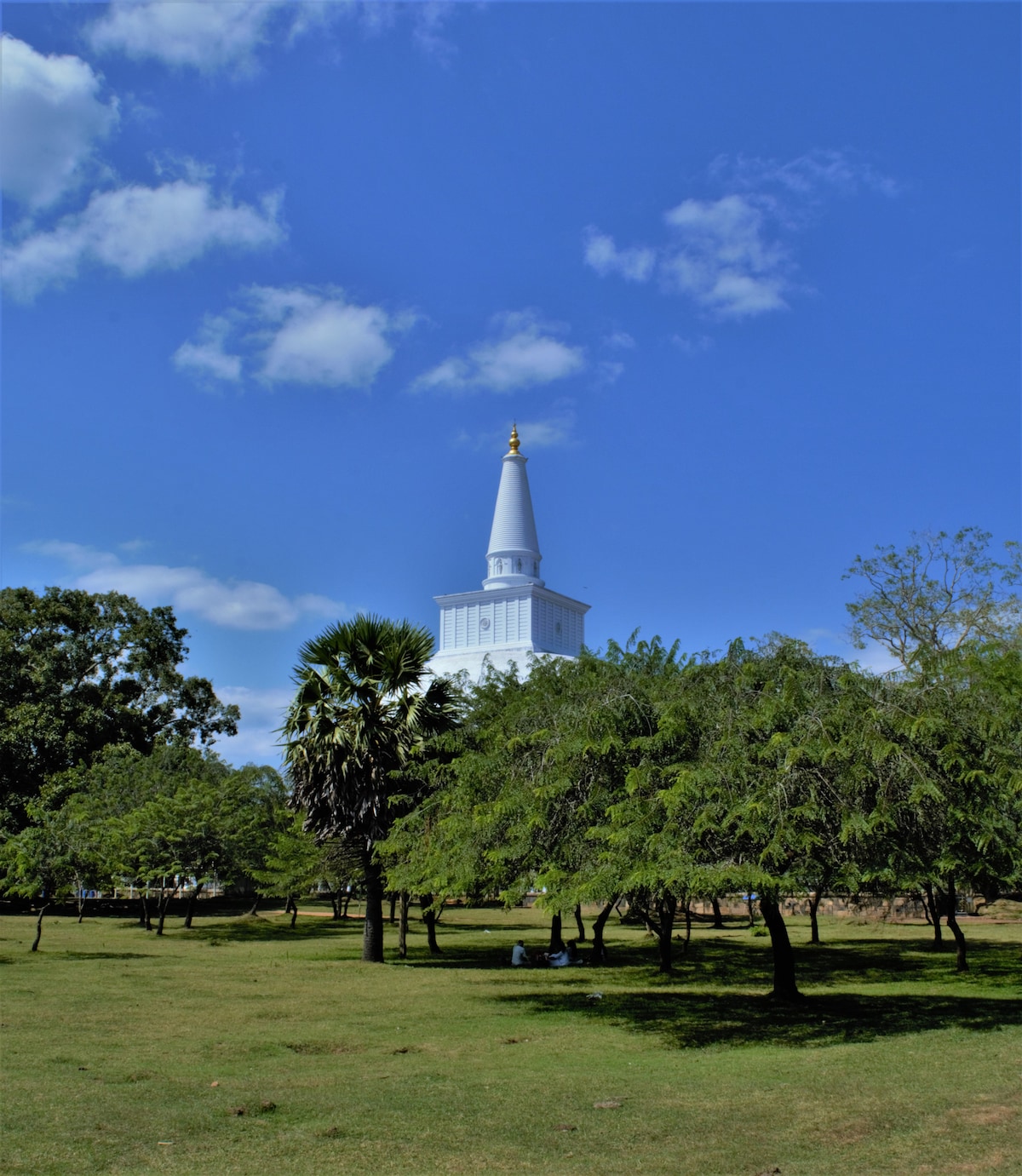
Thuparamaya is the earliest documented Buddhist temple in Sri Lanka. Its building dates to the arrival of Mahinda Thera and the introduction of Buddhism to the island.
Nearby attractions
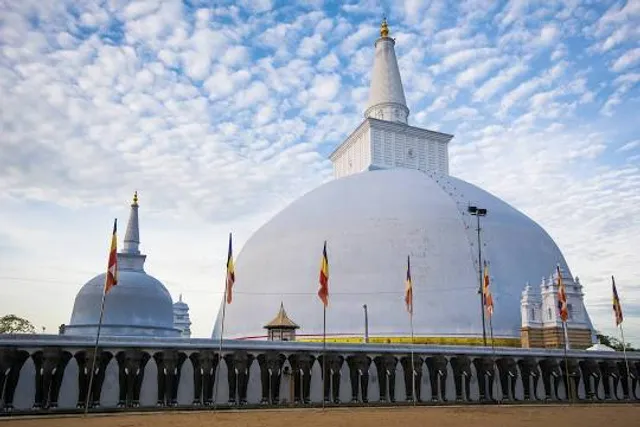
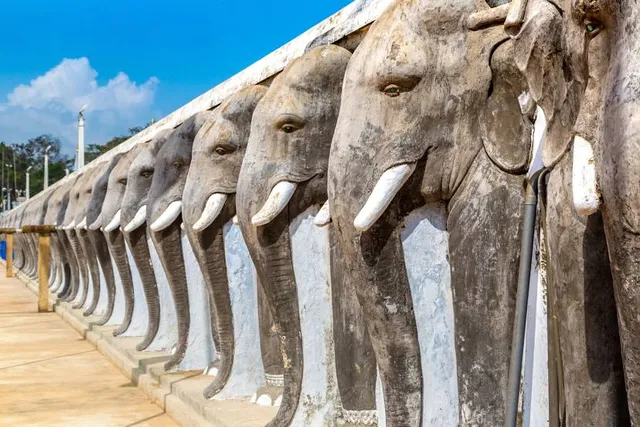
Ruwanweli Maha Seya
Ruwanweliseya Temple, Abhayawewa Rd, Anuradhapura, Sri Lanka
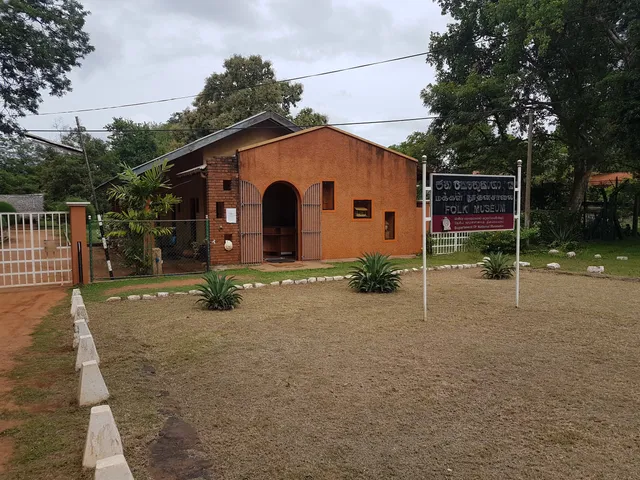
Folk Museum | ජනකතා කෞතුකාගාරය
89XV+PPF, Anuradhapura, Sri Lanka
Anuradhapura Archaeological Museum | අනුරාධපුර පුරාවිද්‍යා කෞතුකාගාරය
89WV+XCH, Anuradhapura, Sri Lanka
Thimbiri Pokuna - තිඹිරි පොකුණ
9C33+7PV, Anuradhapura, Sri Lanka
Nearby restaurants
Nearby hotels
MANGALIKA HOTEL & REST
Mangalika rest, Anuradhapura, Sri Lanka
Cadjan Sacred
996W+VQJ, Cadjan Sacred, Balagalle Estate, Anula Mawatha, Anuradhapura 50000, Sri Lanka
Related posts
Sri Lanka's Cultural Triangle - Western Ancient City:Anuradhapura
Keywords
Thuparama vihara tourism.Thuparama vihara hotels.Thuparama vihara bed and breakfast. flights to Thuparama vihara.Thuparama vihara attractions.Thuparama vihara restaurants.Thuparama vihara travel.Thuparama vihara travel guide.Thuparama vihara travel blog.Thuparama vihara pictures.Thuparama vihara photos.Thuparama vihara travel tips.Thuparama vihara maps.Thuparama vihara things to do.
Thuparama vihara things to do, attractions, restaurants, events info and trip planning
Thuparama vihara
Sri LankaNorth Central ProvinceSri LankaThuparama vihara

Basic Info

Thuparama vihara

994W+4HQ, Anuradhapura, Sri Lanka
4.8(4.6K)
Open 24 hours
Save
spot

Ratings & Description

Info

Thuparamaya is the earliest documented Buddhist temple in Sri Lanka. Its building dates to the arrival of Mahinda Thera and the introduction of Buddhism to the island.

Cultural
Family friendly
attractions: Ruwanweli Maha Seya, Folk Museum | ජනකතා කෞතුකාගාරය, Anuradhapura Archaeological Museum | අනුරාධපුර පුරාවිද්‍යා කෞතුකාගාරය, Thimbiri Pokuna - තිඹිරි පොකුණ, restaurants:
logoLearn more insights from Wanderboat AI.
Website
thuparamaya.lk

Plan your stay

hotel
Pet-friendly Hotels in Sri Lanka
Find a cozy hotel nearby and make it a full experience.
hotel
Affordable Hotels in Sri Lanka
Find a cozy hotel nearby and make it a full experience.
hotel
The Coolest Hotels You Haven't Heard Of (Yet)
Find a cozy hotel nearby and make it a full experience.
hotel
Trending Stays Worth the Hype in Sri Lanka
Find a cozy hotel nearby and make it a full experience.

Reviews

Nearby attractions of Thuparama vihara

Ruwanweli Maha Seya

Folk Museum | ජනකතා කෞතුකාගාරය

Anuradhapura Archaeological Museum | අනුරාධපුර පුරාවිද්‍යා කෞතුකාගාරය

Thimbiri Pokuna - තිඹිරි පොකුණ

Ruwanweli Maha Seya

Ruwanweli Maha Seya

4.9

(7.2K)

Open 24 hours
Click for details
Folk Museum | ජනකතා කෞතුකාගාරය

Folk Museum | ජනකතා කෞතුකාගාරය

4.7

(23)

Open 24 hours
Click for details
Anuradhapura Archaeological Museum | අනුරාධපුර පුරාවිද්‍යා කෞතුකාගාරය

Anuradhapura Archaeological Museum | අනුරාධපුර පුරාවිද්‍යා කෞතුකාගාරය

4.4

(183)

Open 24 hours
Click for details
Thimbiri Pokuna - තිඹිරි පොකුණ

Thimbiri Pokuna - තිඹිරි පොකුණ

4.4

(9)

Open 24 hours
Click for details

Things to do nearby

Tour Anuradhapura with a local tour guide
Wed, Dec 10 • 8:30 AM
Anuradhapura, North Central Province -, Sri Lanka
View details
Join a Private Guided Day Tour of Anuradhapura
Wed, Dec 10 • 12:00 AM
Anuradhapura, North Central Province 00000, Sri Lanka
View details
Guided Excursion of Anuradhapura & Mihintale
Wed, Dec 10 • 12:00 AM
Anuradhapura, North Central Province 50000, Sri Lanka
View details
Get the Appoverlay
Get the AppOne tap to find yournext favorite spots!
Wanderboat LogoWanderboat

Your everyday Al companion for getaway ideas

CompanyAbout Us
InformationAI Trip PlannerSitemap
SocialXInstagramTiktokLinkedin
LegalTerms of ServicePrivacy Policy

Get the app

© 2025 Wanderboat. All rights reserved.
logo

Reviews of Thuparama vihara

4.8
(4,577)
avatar
5.0
2y

About Thuparamaya Thuparamaya is believed to be the first stupa built in Sri Lanka. Thuparamaya was founded around the 3rd century BC. Built by King Devanampiya Tissa, it is a white domed structure in the ancient city of Anuradhapura, also known as Thupalama Dagoba.

Famous for enshrining one of the Buddha's relics, the right clavicle, this shrine is visited by Buddhists from all over the world on pilgrimage.

History of Thuparamaya This is the first stupa built in Sri Lanka after Buddhism was brought to Sri Lanka. Located in the sacred area of ​​Mahameuna Park, the Tupala Maya Stupa is the oldest dagoba built on the island. It dates back to the reign of King Devanampiya Tissa (247-207 BC).

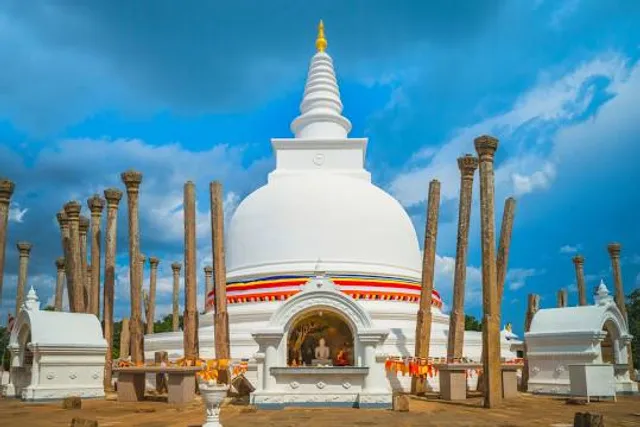
A distinguishing feature of the famous Tupala Maya is the Vatadage. It is a dome-shaped structure that used to be a stupa. The name Thuparamaya is said to be derived from the words 'Stupa' and 'Aramaya' which describe a monastery complex for monks.

Of his 176 pillars, estimated to have once encircled Dagava, more than 30 can still be seen, some of which retain lotus-shaped crowns and polished surfaces. increase. Famous elements are his two guard stones on either side of the entrance.

Archaeological excavations have uncovered the remains of an ancient hospital that existed more than 2,000 years ago. Artifacts such as medical equipment and remnants of a latrine system were found. Not far from the stupa are the remains of a picture gallery and several tanks.

Thuparamaya is also said to enshrine the sacred collarbone of Buddha which was placed there by King Devanampiya Tissa.

Today's Tuparamaya Today, visitors can see the unique bell shape of the Tuparamaya and the rows of stone pillars surrounding the stupa. Around the temple you can see traces of the Vatadage that was built around it at that time Over the centuries, Tupala Maya has been reported destroyed by various forces and natural disasters. It has been refurbished many times over the years, but the last known refurbishment in history was in the 19th century AD, when the dagoba was 59 feet in diameter at the base and just 11 feet high.

Tupala Maya has been officially identified as an archaeological site of Sri Lanka by the Government of Sri Lanka.

How to get to Thuparamaya This temple is located in Mahamewna Uyana in the holy city of Anuradhapura, one of the most popular places in Sri Lanka he.

Anuradhapura can be reached by many routes from Colombo. The two main routes are via Putram (Puttarama) and Kurunegala. Traveling from Puttlam you will pass through the scenic he Wilpattu area. There are two main routes from Kurunegala to Anuradhapura. The most common route is via Dambulla. Another route goes through Gargamuwa. Thuparamaya is the first Buddhist temple built after the arrival of his Mahinda Thera (Mahindagamanaya) in Sri Lanka. Located in the sacred area of ​​Mahameuna Park, the Tupala Maya Stupa is the oldest dagoba built on the island. It dates back to the reign of King Devanampiya Tissa (247-207 BC). The temple is officially recognized as an archaeological site of Sri Lanka by the government. Mahinda Thera, an envoy sent by King Ashoka himself, introduced Theravada Buddhism and Chaitya worship to Sri Lanka. At his request, King Devanampya built Tissa his thupalamayya and fixed the right clavicle of the Buddha. 3 It is believed to be the first stupa built in Sri Lanka after the arrival of Buddhism, and is also the oldest monument whose construction is documented. The name Thuparamaya comes from the 'stupa' and 'alamaya' which is the residence...

   Read more
avatar
5.0
9y

This is the first stupa to be built in the country after the introduction of Buddhism to Sri Lanka. Built in the time of king Devamnampiyatissa (250BC – 210BC) this was a stupa as well as an Aramic complex (monastery). Today ruins of this complex covers nearly 3 ½ acres. The stupa was built on the instructions of Mahinda Thero who brought Buddhism to the island to enshrine the right collar-bone of Lord Buddha.

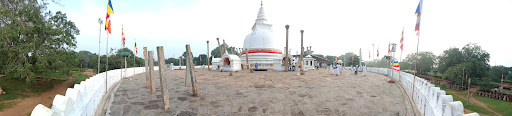
On this stupa you can see a unique architectural feature called vatadage, a stupa-house. This building completely housed the stupa. At present four concentric circles of stone pillars are found around the stupa. They diminish in height from inner most circle and at one time carried the weight of a dome-shaped roof over the stupa. There has been 176 pillars which supported this stupa house and in 1896, 31 complete pillars with capitals has been standing. This vatadage has been built in the 1st century AC.

In the seventh century BC the stupa was covered with a gold and silver casing and the vatadagê (stupa-house) with golden bricks and golden doors. Then Pandyans (south Indian Tamil) plundered the stupa of it’s all gold, jewels and treasures.

Again Mahinda IV (956-972) re installed the golden casings and the golden doors but again in the late 10th century Colas (south Indian Tamil) completely plundered the complex of its valuables.

The renovation of the present stupa was completed in 1862 which as completely changed the ancient features of this most ancient stupa.

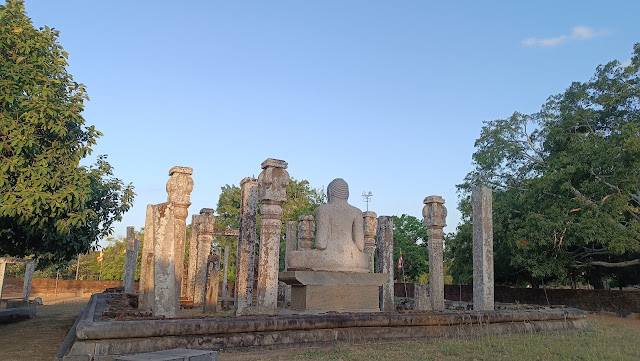
On the left to the stupa you can see the conserved remains of an Image house belonging to this stupa complex. This was built by king Devanampiyatissa in the 3rd century BC and six hundred years later this was destined to be the fist to house the Tooth Relic of Buddha, to claim the title of first Dalada Maligawa in the island.

The building is adorned by a pair of beautiful guard stones at the entrance. Some of the pillars still holds the lotus shaped crown and smooth polished surface which has survived over 2 millennia is a rarity in the building in Anuradhapura.

Next to this is remains of a small building with the two smaller guardstone and a granite doorway. Next to this is an ancient well made of granite blocks. On the opposite side of the walkway to the stupa you will find a small stupa called Padalanchana Stupa.

On the north-western side of the stupa you can see the Basawakkulama tank. This is the most ancient monument in Anuradhapura. This was built by king Pandukabhaya in the...

   Read more
avatar
5.0
5y

This is the first stupa to be built in the country after the introduction of Buddhism to Sri Lanka. Built in the time of king Devamnampiyatissa (250BC – 210BC) this was a stupa as well as an Aramic complex (monastery). Today ruins of this complex covers nearly 3 ½ acres. The stupa was built on the instructions of Mahinda Thero who brought Buddhism to the island to enshrine the right collar-bone of Lord Buddha.

On this stupa you can see a unique architectural feature called vatadage, a stupa-house. This building completely housed the stupa. At present four concentric circles of stone pillars are found around the stupa. They diminish in height from inner most circle and at one time carried the weight of a dome-shaped roof over the stupa. There has been 176 pillars which supported this stupa house and in 1896, 31 complete pillars with capitals has been standing. This vatadage has been built in the 1st century AC.

In the seventh century BC the stupa was covered with a gold and silver casing and the vatadagê (stupa-house) with golden bricks and golden doors. Then Pandyans (south Indian Tamil) plundered the stupa of it’s all gold, jewels and treasures. Again Mahinda IV (956-972) re installed the golden casings and the golden doors but again in the late 10th century Colas (south Indian Tamil) completely plundered the complex of its valuables.

The renovation of the present stupa was completed in 1862 which as completely changed the ancient features of this most ancient stupa.

On the left to the stupa you can see the conserved remains of an Image house belonging to this stupa complex. This was built by king Devanampiyatissa in the 3rd century BC and six hundred years later this was destined to be the fist to house the Tooth Relic of Buddha, to claim the title of first Dalada Maligawa in the island.

The building is adorned by a pair of beautiful guard stones at the entrance. Some of the pillars still holds the lotus shaped crown and smooth polished surface which has survived over 2 millennia is a rarity in the building in Anuradhapura.

Next to this is remains of a small building with the two smaller guardstone and a granite doorway. Next to this is an ancient well made of granite blocks. On the opposite side of the walkway to the stupa you will find a small stupa called Padalanchana Stupa.

On the north-western side of the stupa you can see the Basawakkulama tank. This is the most ancient monument in Anuradhapura. This was built by king Pandukabhaya in the...

   Read more
Page 1 of 7
Previous
Next

Posts

Sri Lanka's Cultural Triangle - Western Ancient City:Anuradhapura
leoleo
Sri Lanka's Cultural Triangle - Western Ancient City:Anuradhapura
pathum prasadpathum prasad
Location: Thuparamaya Vihara is situated in Anuradhapura, the ancient capital of Sri Lanka, in the North Central Province of the country. It is one of the key religious sites in the region. History: Thuparamaya Vihara is considered one of the oldest Buddhist temples in Sri Lanka, dating back to the 3rd century BCE. It was built during the reign of King Devanampiya Tissa, following the introduction of Buddhism to the island by Arahat Mahinda Thera, the son of Emperor Ashoka of India. Architecture: The temple complex features a stupa, shrine halls, and other structures typical of traditional Sinhalese Buddhist architecture. The main stupa, known as Thuparamaya Dagoba, is believed to enshrine relics of the Buddha, making it a revered pilgrimage site for Buddhists. Religious Significance: Thuparamaya Vihara is revered as the first stupa built in Sri Lanka and is regarded as a sacred site associated with the establishment and propagation of Buddhism in the country. It holds special significance for Buddhists as a place of worship, meditation, and religious pilgrimage. Archaeological Discoveries: Over the years, archaeological excavations and research have uncovered valuable artifacts and inscriptions at Thuparamaya Vihara, providing insights into ancient Buddhist practices, rituals, and architectural techniques. Pilgrimage Destination: Devotees and pilgrims from around the world visit Thuparamaya Vihara to pay homage to the sacred relics enshrined within the stupa and to seek blessings for health, prosperity, and spiritual fulfillment. The temple complex also attracts tourists interested in exploring Sri Lanka's rich cultural and religious heritage. Cultural Heritage: Thuparamaya Vihara is designated as a UNESCO World Heritage Site and is recognized for its cultural, historical, and architectural significance. It stands as a testament to the enduring legacy of Buddhism in Sri Lanka and its profound impact on the island's cultural identity. Conservation Efforts: Efforts are made to preserve and protect Thuparamaya Vihara and its surrounding environment for future generations. Conservation measures include regular maintenance, restoration work, and educational programs aimed at raising awareness about the importance of safeguarding this ancient heritage site. Overall, Thuparamaya Vihara is a revered Buddhist temple and a symbol of Sri Lanka's rich spiritual heritage, attracting visitors and pilgrims alike with its timeless beauty and profound religious significance.
Mahesh NanayakkaraMahesh Nanayakkara
Nestled within the sacred precinct of Mahamewna Park in Anuradhapura, Thuparamaya stands as a beacon of Sri Lanka’s rich Buddhist heritage. As the earliest documented Buddhist temple on the island, its historical and spiritual significance is immeasurable. Historical Significance Thuparamaya dates back to the arrival of Mahinda Thera, an emissary of Emperor Ashoka, who introduced Buddhism to Sri Lanka. This monumental event, known as Mahindagamanaya, occurred during the reign of King Devanampiya Tissa (247-207 BC). The construction of Thuparamaya’s Stupa marks the beginning of Buddhism’s profound influence on Sri Lankan culture and spirituality. Architectural Marvel The Thuparamaya Stupa is the earliest Dagoba constructed on the island, a symbol of the ancient architectural prowess and the religious fervor of the time. Its pristine white dome and elegant simplicity reflect the timeless beauty of early Buddhist architecture. Despite being centuries old, the structure has withstood the test of time, preserving its sanctity and splendor. Spiritual Atmosphere The temple complex exudes a serene and contemplative atmosphere, ideal for meditation and spiritual reflection. Devotees and visitors are often seen circumambulating the Stupa, offering flowers, and lighting incense, creating an aura of devotion and tranquility. The sacred relics enshrined within the Stupa are venerated by Buddhists from all over the world, making it a focal point of pilgrimage and prayer. Cultural Importance Recognized by the government and listed as a protected archaeological site, Thuparamaya is not only a religious monument but also a vital part of Sri Lanka’s cultural heritage. Its preservation and protection ensure that future generations can witness and appreciate the island’s ancient Buddhist traditions. The temple continues to play a pivotal role in the cultural and spiritual life of Sri Lanka, hosting various religious ceremonies and festivals throughout the year. Conclusion Thuparamaya is more than a historical site; it is a living testament to the introduction and enduring presence of Buddhism in Sri Lanka. A visit to this ancient temple offers a unique glimpse into the island’s spiritual roots and architectural brilliance. Thuparamaya remains a sacred sanctuary where history, culture, and spirituality converge, inviting all who visit to connect with its profound legacy.
See more posts
See more posts
hotel
Find your stay

Pet-friendly Hotels in Sri Lanka

Find a cozy hotel nearby and make it a full experience.

Sri Lanka's Cultural Triangle - Western Ancient City:Anuradhapura
leo

leo

hotel
Find your stay

Affordable Hotels in Sri Lanka

Find a cozy hotel nearby and make it a full experience.

Get the Appoverlay
Get the AppOne tap to find yournext favorite spots!
Location: Thuparamaya Vihara is situated in Anuradhapura, the ancient capital of Sri Lanka, in the North Central Province of the country. It is one of the key religious sites in the region. History: Thuparamaya Vihara is considered one of the oldest Buddhist temples in Sri Lanka, dating back to the 3rd century BCE. It was built during the reign of King Devanampiya Tissa, following the introduction of Buddhism to the island by Arahat Mahinda Thera, the son of Emperor Ashoka of India. Architecture: The temple complex features a stupa, shrine halls, and other structures typical of traditional Sinhalese Buddhist architecture. The main stupa, known as Thuparamaya Dagoba, is believed to enshrine relics of the Buddha, making it a revered pilgrimage site for Buddhists. Religious Significance: Thuparamaya Vihara is revered as the first stupa built in Sri Lanka and is regarded as a sacred site associated with the establishment and propagation of Buddhism in the country. It holds special significance for Buddhists as a place of worship, meditation, and religious pilgrimage. Archaeological Discoveries: Over the years, archaeological excavations and research have uncovered valuable artifacts and inscriptions at Thuparamaya Vihara, providing insights into ancient Buddhist practices, rituals, and architectural techniques. Pilgrimage Destination: Devotees and pilgrims from around the world visit Thuparamaya Vihara to pay homage to the sacred relics enshrined within the stupa and to seek blessings for health, prosperity, and spiritual fulfillment. The temple complex also attracts tourists interested in exploring Sri Lanka's rich cultural and religious heritage. Cultural Heritage: Thuparamaya Vihara is designated as a UNESCO World Heritage Site and is recognized for its cultural, historical, and architectural significance. It stands as a testament to the enduring legacy of Buddhism in Sri Lanka and its profound impact on the island's cultural identity. Conservation Efforts: Efforts are made to preserve and protect Thuparamaya Vihara and its surrounding environment for future generations. Conservation measures include regular maintenance, restoration work, and educational programs aimed at raising awareness about the importance of safeguarding this ancient heritage site. Overall, Thuparamaya Vihara is a revered Buddhist temple and a symbol of Sri Lanka's rich spiritual heritage, attracting visitors and pilgrims alike with its timeless beauty and profound religious significance.
pathum prasad

pathum prasad

hotel
Find your stay

The Coolest Hotels You Haven't Heard Of (Yet)

Find a cozy hotel nearby and make it a full experience.

hotel
Find your stay

Trending Stays Worth the Hype in Sri Lanka

Find a cozy hotel nearby and make it a full experience.

Nestled within the sacred precinct of Mahamewna Park in Anuradhapura, Thuparamaya stands as a beacon of Sri Lanka’s rich Buddhist heritage. As the earliest documented Buddhist temple on the island, its historical and spiritual significance is immeasurable. Historical Significance Thuparamaya dates back to the arrival of Mahinda Thera, an emissary of Emperor Ashoka, who introduced Buddhism to Sri Lanka. This monumental event, known as Mahindagamanaya, occurred during the reign of King Devanampiya Tissa (247-207 BC). The construction of Thuparamaya’s Stupa marks the beginning of Buddhism’s profound influence on Sri Lankan culture and spirituality. Architectural Marvel The Thuparamaya Stupa is the earliest Dagoba constructed on the island, a symbol of the ancient architectural prowess and the religious fervor of the time. Its pristine white dome and elegant simplicity reflect the timeless beauty of early Buddhist architecture. Despite being centuries old, the structure has withstood the test of time, preserving its sanctity and splendor. Spiritual Atmosphere The temple complex exudes a serene and contemplative atmosphere, ideal for meditation and spiritual reflection. Devotees and visitors are often seen circumambulating the Stupa, offering flowers, and lighting incense, creating an aura of devotion and tranquility. The sacred relics enshrined within the Stupa are venerated by Buddhists from all over the world, making it a focal point of pilgrimage and prayer. Cultural Importance Recognized by the government and listed as a protected archaeological site, Thuparamaya is not only a religious monument but also a vital part of Sri Lanka’s cultural heritage. Its preservation and protection ensure that future generations can witness and appreciate the island’s ancient Buddhist traditions. The temple continues to play a pivotal role in the cultural and spiritual life of Sri Lanka, hosting various religious ceremonies and festivals throughout the year. Conclusion Thuparamaya is more than a historical site; it is a living testament to the introduction and enduring presence of Buddhism in Sri Lanka. A visit to this ancient temple offers a unique glimpse into the island’s spiritual roots and architectural brilliance. Thuparamaya remains a sacred sanctuary where history, culture, and spirituality converge, inviting all who visit to connect with its profound legacy.
Mahesh Nanayakkara

Mahesh Nanayakkara

See more posts
See more posts