Wilpattu National Park, located in the northwestern part of Sri Lanka, is one of the country’s largest and oldest national parks. Covering an area of approximately 1,300 square kilometers, Wilpattu is renowned for its rich biodiversity, unique ecosystems, and historical significance.
Key Features of Wilpattu National Park:
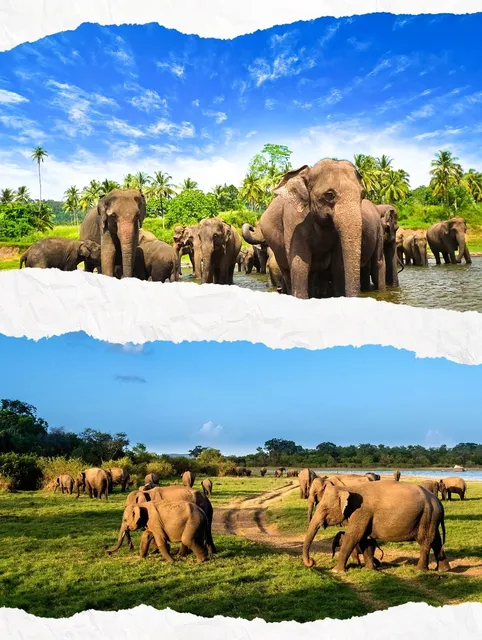
Wildlife: Wilpattu is celebrated for its diverse wildlife. The park is one of the best places in Sri Lanka to spot the elusive Sri Lankan leopard, with a relatively high density of these big cats. Besides leopards, the park is home to Sri Lankan elephants, sloth bears, deer (such as spotted deer and sambar), wild boars, and various species of birds. The park's wetlands attract a variety of waterfowl and other bird species.
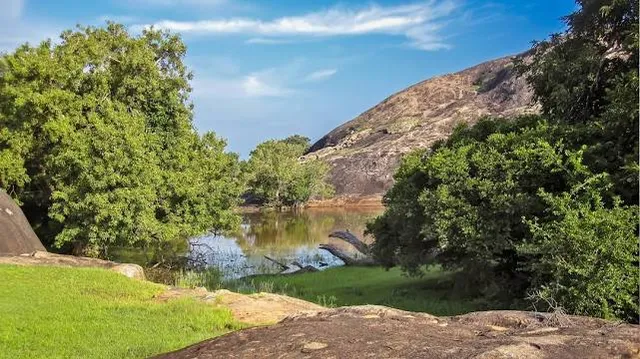
Unique Ecosystems: The park features a combination of dry evergreen forests, grasslands, and a series of natural lakes known as “villus.” These villus are seasonal wetlands that play a crucial role in the park’s ecosystem, supporting both wildlife and plant life.
Natural Beauty: Wilpattu is known for its picturesque landscapes, including serene lakes, dense forests, and rolling plains. The park’s varied terrain offers beautiful and tranquil settings for nature enthusiasts and wildlife photographers.
Historical Significance: The park has historical importance, with evidence of ancient human settlements. Some of the sites within and around the park are believed to be associated with early human habitation, adding to its cultural and historical value.
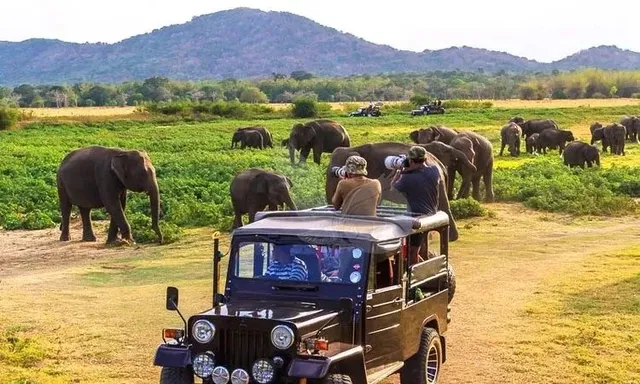
Safari Experience: Guided jeep safaris are the primary way to explore Wilpattu National Park. These safaris offer visitors the chance to observe wildlife in their natural habitat and appreciate the park’s scenic beauty. Due to its size and the density of vegetation, safaris in Wilpattu may require some patience and persistence, but the rewards can be significant, especially for wildlife enthusiasts.
Conservation Efforts: Wilpattu is an important area for conservation, playing a vital role in protecting Sri Lanka’s biodiversity. The park has faced challenges in the past, including issues related to land encroachment and poaching. However, ongoing conservation efforts aim to safeguard its unique ecosystems and wildlife.
Accessibility: The park is accessible from various towns, including Anuradhapura and Puttalam. The best time to visit is typically during the dry season, from February to October, when wildlife is more likely to be seen around the villus.
Visiting Wilpattu National Park:
Permits: Visitors need to obtain permits to enter the park, which can be arranged through the Department of Wildlife Conservation or authorized tour operators. Guides: It is advisable to hire experienced local guides for safaris to enhance the chances of spotting wildlife and to ensure a safe and informative experience. Preparation: Be prepared for varying weather conditions, and dress in light, neutral-colored clothing to blend in with the environment. Bring essentials such as water, sun protection, and binoculars for wildlife viewing.
Overall, Wilpattu National Park offers a rich and rewarding experience for those interested in exploring Sri Lanka’s natural heritage. Its combination of diverse wildlife, unique landscapes, and historical depth makes it a standout destination for nature lovers and adventure...
Read moreWilpattu National Park is one of Sri Lanka's largest and oldest national parks, located on the northwest coast of the country, about 30 kilometers from the town of Anuradhapura. Established in 1938, it covers an area of approximately 131,693 hectares and is known for its diverse ecosystems, unique geography, and rich wildlife.
Key Features of Wilpattu National Park:
Natural Lakes (Villus): The park is famous for its "villus," which are natural water-filled depressions that attract a variety of wildlife, especially during the dry season. These villus are essential for maintaining the park's biodiversity.
Wildlife: Wilpattu is home to a wide range of animals, including Sri Lankan leopards, elephants, sloth bears, sambars, spotted deer, and numerous bird species. The park is particularly renowned for its leopard population, making it a prime location for wildlife enthusiasts and photographers.
Diverse Ecosystems: The park features a mix of dry zone forest, scrubland, grasslands, and wetlands, providing habitats for various species. This diversity contributes to the park's rich flora and fauna.
Birdwatching: Wilpattu is a haven for birdwatchers, with over 200 species recorded, including migratory birds. The diverse habitats within the park support various bird species throughout the year.
Cultural Heritage: The area around Wilpattu has historical significance, with ancient sites and ruins, including remnants of monasteries and archaeological sites that reflect Sri Lanka's rich cultural heritage.
Safaris: Visitors can explore the park through organized jeep safaris, which provide opportunities to see wildlife in their natural habitats. Guided tours are available to enhance the experience and increase the chances of spotting elusive animals.
Conservation Efforts: Wilpattu National Park is involved in various conservation initiatives aimed at protecting its ecosystems and wildlife. Efforts are made to monitor and manage human-wildlife interactions to ensure the sustainability of the park.
Visiting Wilpattu National Park:
The best time to visit Wilpattu is during the dry season, from April to October, when wildlife sightings are more frequent. Visitors should check for permits and park regulations before planning their trip.
Wilpattu National Park is a must-visit for nature lovers and wildlife enthusiasts, offering a unique opportunity to experience Sri Lanka's natural beauty and...
Read moreINTRODUCTION
Wilpttu National park is among the oldest and most important of protected areas in Sri Lanka. It also contains a number of important cultural sites. The sanctuary lies inland from the coast and is entirely within Northern Province. It is contiguous with the park, the intervening boundary being marked by the Moderagam Aru.
ACCESS
The only practical access from the Colombo would be via Negombo, Chilaw and Puttalam. The turn off is at the little hamlet of Thimbiriwewa on the 28 th mile post along the Puttalam Anuradhapura road and the park office where one obtains permit and a guide is at Hunuwilagama 8km from the turn off.
PHYSICAL CHARACTERRISTICS
The main topographical feature in this park is the concentration of “villus” or “lakes” within it. The striking feature, though confined to certain sector of the park, is copper red, loamy soils extremely varied. The western sector of the park with deeply forested areas and thorny bushes in reminiscent of Yala National Park in the southern Sri Lanka. Characterized by inter monsoon rains in March and April an extensive drought from May until early September and a major rainy season (Northern Monsoon) from September until December. Mean annual temperature is 27.2 ° C and total annual precipitations approximately 1000mm based on long term records.
VEGITATION
Three types of vegetation can be distinguished : Littoral vegetation including salt grass and low scrub immediately adjacent to the beach, a 5-10km coastal belt of monsoon scrub of very low stature; and further inland, monsoon forest with tall emergent.
FAUNA
Mammalian diversity and ecological densities are highest in such ecotomes as the interfaces between forest, scrub and grasslands converge in the west and the “villus” and drainage systems in the center of the park. A total of 31 species of mammals have been recorded but additional species of Rodentia and Chiropotera unbodoubtedly present. Among the most conspicuous reptiles are common.
Great place to visit for wildlife safaris and to be in a wildlife bangalow.. calm and great historical place with...
Read more