HTML SitemapExplore
logo
Find Things to DoFind The Best Restaurants

Monaragala Viharaya - Rambadagalla — Attraction in North Western Province

Name
Monaragala Viharaya - Rambadagalla
Description
Nearby attractions
Nearby restaurants
Nearby hotels
Related posts
Keywords
Monaragala Viharaya - Rambadagalla tourism.Monaragala Viharaya - Rambadagalla hotels.Monaragala Viharaya - Rambadagalla bed and breakfast. flights to Monaragala Viharaya - Rambadagalla.Monaragala Viharaya - Rambadagalla attractions.Monaragala Viharaya - Rambadagalla restaurants.Monaragala Viharaya - Rambadagalla travel.Monaragala Viharaya - Rambadagalla travel guide.Monaragala Viharaya - Rambadagalla travel blog.Monaragala Viharaya - Rambadagalla pictures.Monaragala Viharaya - Rambadagalla photos.Monaragala Viharaya - Rambadagalla travel tips.Monaragala Viharaya - Rambadagalla maps.Monaragala Viharaya - Rambadagalla things to do.
Monaragala Viharaya - Rambadagalla things to do, attractions, restaurants, events info and trip planning
Monaragala Viharaya - Rambadagalla
Sri LankaNorth Western ProvinceMonaragala Viharaya - Rambadagalla

Basic Info

Monaragala Viharaya - Rambadagalla

Keppetigala Rd, Sri Lanka
4.7(519)
Open 24 hours
Save
spot

Ratings & Description

Info

Cultural
Scenic
Family friendly
attractions: , restaurants:
logoLearn more insights from Wanderboat AI.
Phone
+94 372 252 018

Plan your stay

hotel
Pet-friendly Hotels in North Western Province
Find a cozy hotel nearby and make it a full experience.
hotel
Affordable Hotels in North Western Province
Find a cozy hotel nearby and make it a full experience.
hotel
The Coolest Hotels You Haven't Heard Of (Yet)
Find a cozy hotel nearby and make it a full experience.
hotel
Trending Stays Worth the Hype in North Western Province
Find a cozy hotel nearby and make it a full experience.

Reviews

Things to do nearby

Explore Sigiriya from Kandy with Janaka
Tue, Dec 9 • 7:00 AM
Kandy, Central Province 20000, Sri Lanka
View details
Get the Appoverlay
Get the AppOne tap to find yournext favorite spots!
Wanderboat LogoWanderboat

Your everyday Al companion for getaway ideas

CompanyAbout Us
InformationAI Trip PlannerSitemap
SocialXInstagramTiktokLinkedin
LegalTerms of ServicePrivacy Policy

Get the app

© 2025 Wanderboat. All rights reserved.
logo

Posts

SL Tour's CabSL Tour's Cab
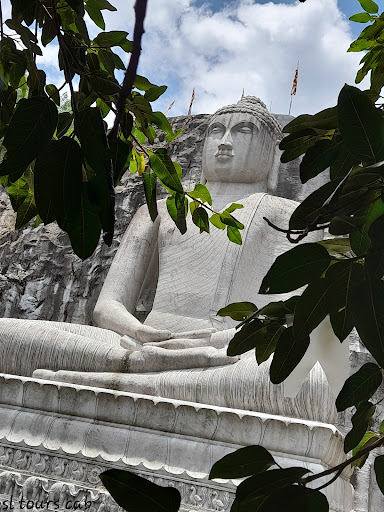
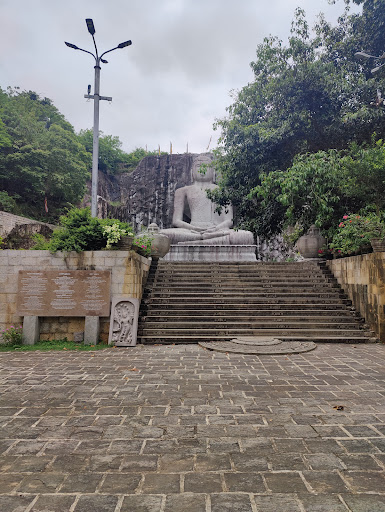
Rambadagalla Viharaya at Kurunegala – කුරුණෑගල රම්බඩගල්ල විහාරය There are very few historical records related to the Rambadagala temple. Looking at the original form of this temple, it can be thought that it was a temple built in the early Kandy period. However, looking at the murals and statues in the old vihara house of this temple, it is clear that they were built after 1850 or early 1900. From these paintings and sculptures, the style of Mr. Sarlis belonging to the Colombo period or the Renaissance period is clearly seen. Although there is no evidence that he worked in this temple, it is clear from these sculptures and paintings that his style has been completely followed. A talented artist who worked in Buddhist temples all over the island... An artist of the Colombo era (modern era) ● The artist who pioneered to popularize Buddhist paintings among the Sinhala Buddhist people instead of the images of the British Queen that were popular in Sri Lanka during the colonial period. - Growing on Piyum, Siddhartha Kumarotpatthiya, Shilpa display, Siddha and Yasodara Sarana Mangalya, Sivali Maha Arahant are some of his creations. ● Sarlis artist's paintings can be found under two parts. Litho Prints Temple Paintings - Colombo Mali'gakanda Temple, I'duruwe Yalagama Temple, Matugama Panthiya Sri Mangala Temple, Pothupitiya Purvaramaya ● Art influences seen in his paintings - Western / Western naturalistic painting style inspiration Eastern Indian costumes M. was inspired by the paintings of the Virgin Mary and the sacrifice of Jesus drawn by Renaissance painters. Common features of Sarlis's paintings are good composition, perspective, light-distant, three-dimensional features, use of bright colors, elaborate decoration, western natural style inspiration. In the tranquil village of Rambadagalla in Ridigama in the Kurunegala District, a huge stone sculpture is taking shape. This is no ordinary sculpture but one modeled on the Bamiyan Buddha in Afghanistan which was destroyed by the Taleban in 2001. Why a replica of the Barmiyan Buddha is being sculpted in the Kurunegala hillside is itself a tale worth relating. It was in the aftermath of the the Taleban’s act, that outraged the world, that the agitated village youth met their priest demanding that some action be taken. Ven. Egodomulla Amaramoli Thera gave them a patient hearing and resolved to harness the feelings of the youth. The next day, he called a meeting at which he suggested the building of a replica of the Bamiyan Buddha in the village itself to show the world a positive response to a tragic act. The children of the village, spurred into action, collected Rs. 1,358 and handed it over to the Thera. Such were the beginnings of this mammoth project – the building of a 67.5 foot granite statue which has now attracted the support of people from different communities and all walks of life. Hearing that a group of Indian sculptors had just completed work at Ramboda, the Thera contacted Colombo businessman D. Easwaren who enlisted the help of architect R. Sivaram to produce a blueprint. Former Indian High Commissioner Nirupama Rao herself visited the site and this was followed by a Rs. 2.5 million donation from the Indian High Commission to the project. The Rambadagalla Buddha statue was finally completed and ceremoniously opened on the 30th April 2015 by the president Maitreepala Sirisena making this the largest largest sedentary Buddha Statue carved out of granite in the world. The Rambadagalla Vihara is about 25 km from the Kurunegala Town. Travel on the Kandy Road from Kurunegala up to Mallawapitiya junction. This is about 5km form the Kurunegala town. Turn off to Keppitigala Road and Travel another 20 km along this road. On the way you will also pass Ridigama where the famous Ridi Viharaya is located. The Rambadagalla village is about 5 km pass Ridigama. The temple is beside the road itself as soon as pass the village center of Rambadagalla. Special thank for 📜Amazing lanak & 📚 SL Tours Cab 📸
Chann RavinduChann Ravindu
The place contains stories. More than a millennium, 'The Bamyan Buddhas' stood in the Bamyan valley in Afghanistan. For more than 1500 years, it was an important Buddhist landmark near the ancient silk route road, where the people used to stop and worship. There were two colossal buddha statues; 175 feet tall and 120 feet tall carved into the sandstones. However in March 2001, Taliban's leader ordered to destroy this thousands of years old marvelous buddha statues claiming that the statues are 'insulting to Islam'. This was shocking news for the world and many religious leaders, heritage advocates and many other leaders around the world tried to prevent the incident by pleading to the Taliban. New York City’s Metropolitan Museum of Art even offered to buy the statues if it were to be preserved. Unfortunately none of the offers were accepted by the Taliban. In 2001 these vibrant Bamyan buddha statues were assaulted heavily by Taliban troops. At the end of the assault statues were completely vanished from the face of the earth. It was this incident which triggered the building of a Bamyan buddha statue which is 67.5 feet tall in Rambodagalla Viharaya. Young people in the village were outraged by the incident and decided some action needed to be taken. As a result here stands the world's largest sedentary buddha statue carved out of granite. However the granite the statue is made of is not an ordinary one. The statue appears in white color. It is said the granite is called 'Chandrapashana'. The statue seems to shine to the moonlight as the name implies. These tales increase the value of the location and they are worth sharing. The temple covers a large area of land covered in rock formations. The view from the top is so beautiful. There is a paid parking area which cost you Rs.50. There are few manageable washrooms in the temple. The place is still undergoing developments.
Udara NUdara N
ශ්‍රී ලංකාවේ බෞද්ධ විහාරස්‌ථාන අතර රම්බොඩගල්ල, මොණරාගල විහාරය ලෝක පූජිත බෞද්ධ සිද්ධස්‌ථානයක්‌ බවට මේ සුවිශාල බුදුපිළිම වහන්සේ නිසා පත්වී ඇත. ශ්‍රී ලංකාවේ බෞද්ධ ඉතිහාසය ගැන විමසා බලනවිට අනුරාධපුරය, පොලොන්නරුව රාජධානි යුගයන් ගැන අභිමානයෙන් යුක්‌තව කතාකරති. මෙම දිවයිනේ ස්‌වර්ණමය යුගයන් සේ අදද කතා කරන්නේ එහි ඇති නටබුන් ගැන පෙන්වමින්ය. ශෛලමය නෂ්ඨාවශේෂ අතර විශේෂ වැදගත්කම් උසුලන බුද්ධ ප්‍රතිමාද වේ. කැඩී බිඳී නොගිය ලොකු කුඩා බුද්ධ ප්‍රතිමා අතර මහමෙව්නාවේ සමාධි පිළිමය, අවුකන පිළිමය, තොලුවිල පිළිමය මෙන්ම පොලොන්නරු යුගයට අයත් ගල් විහාරයේ ප්‍රතිමාවලින්ද අපට පැහැදිලි වන්නේ ශ්‍රී ලංකා ජනතාවගේ අනභිභවනීය අතීත උරුමයයි. ක්‍රි.ව. 1215 න් පසු මේ අන්දමේ කලා නිර්මාණ බිහි නොවීය. 1505 න් පසු 1948 දක්‌වා පෘතුගීසි, ලන්දේසි, ඉංග්‍රීසි පාලනයෙන් පසු 1948 දී අප රටට නිදහස ලැබුණි. නිදහස්‌ ශ්‍රී ලංකාවේ විහාරස්‌ථානවල කැපී පෙනෙන දියුණුවක්‌ ඇතිවිය. තිස්‌ අවුරුදු භීෂණ යුගයේදී බොදු සිද්ධස්‌ථාන රැසකට හානි සිදුවිය. දැන් එවැනි වටපිටාවක්‌ නොමැත. ඇෆ්ගනිස්‌ථානයේ බාමියන් ප්‍රතිමා සංහාරය අන්තවාදී තලේබානුවන් විසින් සිදුකරන ලද්දේ 2001 මාර්තු 16 වැනිදාය. එදිනම සවස මොනරාගල පන්සලට පැමිණ සිටි පිරිස අතරේ සිටි කුඩා දරුවකු පන්සලට පැමිණ සිටි අය සමග හාමුදුරුවන් මුණගැසී අපිත් මුස්‌ලිම් පල්ලි කඩල දමමු යෑයි කීවාලු. මේ අවස්‌ථාවේ පන්සලේ හාමුදුරුවන් නෑ. ඒක අපේ ආගමික සංකල්පයක්‌ නොවේ. එහෙම නොවෙයි. අපිත් බුදුපිළිමයක්‌ හදමු. ඒකයි කරන්න තියෙන්නේ. මේ යෝජනාව ක්‍රියාත්මක කරන්න 2001 වෙසක්‌ පෝය දිනයේ ඉදිරිපත් වූ රම්බඩගල්ල මහා විද්‍යාලයේ ප්‍රාථමික අංශයේ දරුවන් ඒ සඳහා රුපියල් 1358 ක මුදලක්‌ එකතුකරදී ඇත. දරුවන්ගේ ඉදිරිපත් වීමෙන් පසුව බුදුපිළිම වහන්සේ ඉදිකරන්නට හැකි කලා ශිල්පියෙක්‌ සොයා ගැනීමට නොහැකි වීමෙන් මේ කටයුතු තරමක්‌ අතපසු වී තිබේ. විහාරාධිපති ශාස්‌ත්‍රපති පූජ්‍ය එගොඩමුල්ලේ අමරමෝලි ස්‌වාමීන් වහන්සේ උත්සාහය අතහැර නොමැත. පිළිම වහන්සේ සෑදීමේ කතාව උන්වහන්සේගේ වදන් වලින්ම මෙසේය. 2002 පෙබරවාරි 2 වැනිදා නුවරඑළියේ රම්බොඩ හනුමන් කෝවිලේ තනි කළුගලෙන් නිර්මාණය කර ඇති හනුමාන් ප්‍රතිමාව සැදුව කලා ශිල්පියා හොයාගෙන ගියා. එහිදී දැනගත් තොරතුරු අනුව කොළඹ ඊශ්වරන් සමූහ ව්‍යාපාරයේ අධිපති ඩී. ඊශ්වරන් මහතාගේ මාර්ගයෙන් ඉන්දියාවට ගොස්‌ ශිල්පියා හමුවුණා. ඔහු තමයි, එම් මුත්තයියා ස්‌තපති හින්දු භක්‌තිකයෙක්‌. අපට මේ සඳහා මඟපෙන්වූ ඊශ්වරන් මහතාද හින්දු භක්‌තිකයෙක්‌ ඔහු තමයි අපට මුලින්ම මුදලක්‌ දුන්නේ. 2002 සැප්තැම්බර් 13 වැනිදා තමයි, පිළිමය නෙළීමේ කාර්යය පටන් ගත්තේ. ගල කඩා පසුබිම සකස්‌ කිරීම, ආරම්භ කළා. එදා මෙදාතුර දශකයකටත් අධික කාලයක්‌ තිස්‌සේ සෑදෙන මේ දැවැන්ත කාර්යය සඳහා අප නොගත් උත්සාහයක්‌ නැහැ. උදව් කළ ඇත්තෝ බොහෝ වෙති. විශාලම මූල්‍ය ආධාරයක්‌ හින්දු භක්‌තික කාන්තාවක වන ඉන්දියානු මහ කොමසාරිස්‌තුමිය නිරූපමා රාවෝ මැතිනිය ලබා දුන්නා. (රුපියල් ලක්‍ෂ 25 ක්‌) ඉන්දියානු ශිල්පීන් දිවා රෑ නොබලා වෙහෙස වී කටයුතු කළා. පිළිමය නැරඹීමට පැමිණෙන අයද ආධාර ලබා දෙනවා. පිලිස්යන්දල හා කඩුවෙල ප්‍රදේශයේ කාන්තාවන් දෙපලක්‌ පිළිමය බලන්න ඇවිල්ල ගෙල පැළඳි රන් දම්වැල් අතසැරසූ වළලු ආදී ආභරණද පරිත්‍යාග කළා. 2004 වසරේදී එවකට රිදීගම ප්‍රාදේශීය ලේකම්වරයාව සිටි සී. එච්. රම්‍යසිරි මහතා ඇතුළු කාර්ය මණ්‌ඩලයෙන් රුපියල් ලක්‍ෂ 10 ක්‌ එකතු කර දුන්නා. ප්‍රදේශවාසී ජනතාවද නිතර මුදල් හා ශ්‍රමය ලබා දෙනවා. අද වන විට 95% ක්‌ පමණ පිළිමයේ නිර්මාණ කටයුතු අවසන් වී තිබේ. අඩි 67.5 ක්‌ උස මේ පිළිමය ගැන විස්‌තර කථනයක යෙදෙන උභයරත්න මහතා පිළිමයේ පහළම කොටස අඩි තුනක පාදමකි. එයින් උඩ නෙළුම් මලකි. දැකුම්කලු නිර්මාණයක්‌ ඉදිරිපස විලකි. ආදී වශයෙන් කරුණු කියන්නට විය. ඔහුගේ විස්‌තර කථනයෙන් පසු පැමිණෙන අයද ආධාර කරති. මේ විශ්වකර්ම නිර්මාණය ශ්‍රී ලංකාවේ විශාලතම ශෛලමය සමාධි බුද්ධ ප්‍රතිමා වහන්සේ ලෝකයේම විශාලතම බුදුරුවයි. මොනරාගල මහා සමාධි පිළිමය හෙළයේ මතුනොව මුළු විශ්වය පුරාවටම බුදු බැතිය පළ කෙරෙනු නියතය. එගොඩමුල්ලේ අමරමෝලි
See more posts
See more posts
hotel
Find your stay

Pet-friendly Hotels in North Western Province

Find a cozy hotel nearby and make it a full experience.

Rambadagalla Viharaya at Kurunegala – කුරුණෑගල රම්බඩගල්ල විහාරය There are very few historical records related to the Rambadagala temple. Looking at the original form of this temple, it can be thought that it was a temple built in the early Kandy period. However, looking at the murals and statues in the old vihara house of this temple, it is clear that they were built after 1850 or early 1900. From these paintings and sculptures, the style of Mr. Sarlis belonging to the Colombo period or the Renaissance period is clearly seen. Although there is no evidence that he worked in this temple, it is clear from these sculptures and paintings that his style has been completely followed. A talented artist who worked in Buddhist temples all over the island... An artist of the Colombo era (modern era) ● The artist who pioneered to popularize Buddhist paintings among the Sinhala Buddhist people instead of the images of the British Queen that were popular in Sri Lanka during the colonial period. - Growing on Piyum, Siddhartha Kumarotpatthiya, Shilpa display, Siddha and Yasodara Sarana Mangalya, Sivali Maha Arahant are some of his creations. ● Sarlis artist's paintings can be found under two parts. Litho Prints Temple Paintings - Colombo Mali'gakanda Temple, I'duruwe Yalagama Temple, Matugama Panthiya Sri Mangala Temple, Pothupitiya Purvaramaya ● Art influences seen in his paintings - Western / Western naturalistic painting style inspiration Eastern Indian costumes M. was inspired by the paintings of the Virgin Mary and the sacrifice of Jesus drawn by Renaissance painters. Common features of Sarlis's paintings are good composition, perspective, light-distant, three-dimensional features, use of bright colors, elaborate decoration, western natural style inspiration. In the tranquil village of Rambadagalla in Ridigama in the Kurunegala District, a huge stone sculpture is taking shape. This is no ordinary sculpture but one modeled on the Bamiyan Buddha in Afghanistan which was destroyed by the Taleban in 2001. Why a replica of the Barmiyan Buddha is being sculpted in the Kurunegala hillside is itself a tale worth relating. It was in the aftermath of the the Taleban’s act, that outraged the world, that the agitated village youth met their priest demanding that some action be taken. Ven. Egodomulla Amaramoli Thera gave them a patient hearing and resolved to harness the feelings of the youth. The next day, he called a meeting at which he suggested the building of a replica of the Bamiyan Buddha in the village itself to show the world a positive response to a tragic act. The children of the village, spurred into action, collected Rs. 1,358 and handed it over to the Thera. Such were the beginnings of this mammoth project – the building of a 67.5 foot granite statue which has now attracted the support of people from different communities and all walks of life. Hearing that a group of Indian sculptors had just completed work at Ramboda, the Thera contacted Colombo businessman D. Easwaren who enlisted the help of architect R. Sivaram to produce a blueprint. Former Indian High Commissioner Nirupama Rao herself visited the site and this was followed by a Rs. 2.5 million donation from the Indian High Commission to the project. The Rambadagalla Buddha statue was finally completed and ceremoniously opened on the 30th April 2015 by the president Maitreepala Sirisena making this the largest largest sedentary Buddha Statue carved out of granite in the world. The Rambadagalla Vihara is about 25 km from the Kurunegala Town. Travel on the Kandy Road from Kurunegala up to Mallawapitiya junction. This is about 5km form the Kurunegala town. Turn off to Keppitigala Road and Travel another 20 km along this road. On the way you will also pass Ridigama where the famous Ridi Viharaya is located. The Rambadagalla village is about 5 km pass Ridigama. The temple is beside the road itself as soon as pass the village center of Rambadagalla. Special thank for 📜Amazing lanak & 📚 SL Tours Cab 📸
SL Tour's Cab

SL Tour's Cab

hotel
Find your stay

Affordable Hotels in North Western Province

Find a cozy hotel nearby and make it a full experience.

Get the Appoverlay
Get the AppOne tap to find yournext favorite spots!
The place contains stories. More than a millennium, 'The Bamyan Buddhas' stood in the Bamyan valley in Afghanistan. For more than 1500 years, it was an important Buddhist landmark near the ancient silk route road, where the people used to stop and worship. There were two colossal buddha statues; 175 feet tall and 120 feet tall carved into the sandstones. However in March 2001, Taliban's leader ordered to destroy this thousands of years old marvelous buddha statues claiming that the statues are 'insulting to Islam'. This was shocking news for the world and many religious leaders, heritage advocates and many other leaders around the world tried to prevent the incident by pleading to the Taliban. New York City’s Metropolitan Museum of Art even offered to buy the statues if it were to be preserved. Unfortunately none of the offers were accepted by the Taliban. In 2001 these vibrant Bamyan buddha statues were assaulted heavily by Taliban troops. At the end of the assault statues were completely vanished from the face of the earth. It was this incident which triggered the building of a Bamyan buddha statue which is 67.5 feet tall in Rambodagalla Viharaya. Young people in the village were outraged by the incident and decided some action needed to be taken. As a result here stands the world's largest sedentary buddha statue carved out of granite. However the granite the statue is made of is not an ordinary one. The statue appears in white color. It is said the granite is called 'Chandrapashana'. The statue seems to shine to the moonlight as the name implies. These tales increase the value of the location and they are worth sharing. The temple covers a large area of land covered in rock formations. The view from the top is so beautiful. There is a paid parking area which cost you Rs.50. There are few manageable washrooms in the temple. The place is still undergoing developments.
Chann Ravindu

Chann Ravindu

hotel
Find your stay

The Coolest Hotels You Haven't Heard Of (Yet)

Find a cozy hotel nearby and make it a full experience.

hotel
Find your stay

Trending Stays Worth the Hype in North Western Province

Find a cozy hotel nearby and make it a full experience.

ශ්‍රී ලංකාවේ බෞද්ධ විහාරස්‌ථාන අතර රම්බොඩගල්ල, මොණරාගල විහාරය ලෝක පූජිත බෞද්ධ සිද්ධස්‌ථානයක්‌ බවට මේ සුවිශාල බුදුපිළිම වහන්සේ නිසා පත්වී ඇත. ශ්‍රී ලංකාවේ බෞද්ධ ඉතිහාසය ගැන විමසා බලනවිට අනුරාධපුරය, පොලොන්නරුව රාජධානි යුගයන් ගැන අභිමානයෙන් යුක්‌තව කතාකරති. මෙම දිවයිනේ ස්‌වර්ණමය යුගයන් සේ අදද කතා කරන්නේ එහි ඇති නටබුන් ගැන පෙන්වමින්ය. ශෛලමය නෂ්ඨාවශේෂ අතර විශේෂ වැදගත්කම් උසුලන බුද්ධ ප්‍රතිමාද වේ. කැඩී බිඳී නොගිය ලොකු කුඩා බුද්ධ ප්‍රතිමා අතර මහමෙව්නාවේ සමාධි පිළිමය, අවුකන පිළිමය, තොලුවිල පිළිමය මෙන්ම පොලොන්නරු යුගයට අයත් ගල් විහාරයේ ප්‍රතිමාවලින්ද අපට පැහැදිලි වන්නේ ශ්‍රී ලංකා ජනතාවගේ අනභිභවනීය අතීත උරුමයයි. ක්‍රි.ව. 1215 න් පසු මේ අන්දමේ කලා නිර්මාණ බිහි නොවීය. 1505 න් පසු 1948 දක්‌වා පෘතුගීසි, ලන්දේසි, ඉංග්‍රීසි පාලනයෙන් පසු 1948 දී අප රටට නිදහස ලැබුණි. නිදහස්‌ ශ්‍රී ලංකාවේ විහාරස්‌ථානවල කැපී පෙනෙන දියුණුවක්‌ ඇතිවිය. තිස්‌ අවුරුදු භීෂණ යුගයේදී බොදු සිද්ධස්‌ථාන රැසකට හානි සිදුවිය. දැන් එවැනි වටපිටාවක්‌ නොමැත. ඇෆ්ගනිස්‌ථානයේ බාමියන් ප්‍රතිමා සංහාරය අන්තවාදී තලේබානුවන් විසින් සිදුකරන ලද්දේ 2001 මාර්තු 16 වැනිදාය. එදිනම සවස මොනරාගල පන්සලට පැමිණ සිටි පිරිස අතරේ සිටි කුඩා දරුවකු පන්සලට පැමිණ සිටි අය සමග හාමුදුරුවන් මුණගැසී අපිත් මුස්‌ලිම් පල්ලි කඩල දමමු යෑයි කීවාලු. මේ අවස්‌ථාවේ පන්සලේ හාමුදුරුවන් නෑ. ඒක අපේ ආගමික සංකල්පයක්‌ නොවේ. එහෙම නොවෙයි. අපිත් බුදුපිළිමයක්‌ හදමු. ඒකයි කරන්න තියෙන්නේ. මේ යෝජනාව ක්‍රියාත්මක කරන්න 2001 වෙසක්‌ පෝය දිනයේ ඉදිරිපත් වූ රම්බඩගල්ල මහා විද්‍යාලයේ ප්‍රාථමික අංශයේ දරුවන් ඒ සඳහා රුපියල් 1358 ක මුදලක්‌ එකතුකරදී ඇත. දරුවන්ගේ ඉදිරිපත් වීමෙන් පසුව බුදුපිළිම වහන්සේ ඉදිකරන්නට හැකි කලා ශිල්පියෙක්‌ සොයා ගැනීමට නොහැකි වීමෙන් මේ කටයුතු තරමක්‌ අතපසු වී තිබේ. විහාරාධිපති ශාස්‌ත්‍රපති පූජ්‍ය එගොඩමුල්ලේ අමරමෝලි ස්‌වාමීන් වහන්සේ උත්සාහය අතහැර නොමැත. පිළිම වහන්සේ සෑදීමේ කතාව උන්වහන්සේගේ වදන් වලින්ම මෙසේය. 2002 පෙබරවාරි 2 වැනිදා නුවරඑළියේ රම්බොඩ හනුමන් කෝවිලේ තනි කළුගලෙන් නිර්මාණය කර ඇති හනුමාන් ප්‍රතිමාව සැදුව කලා ශිල්පියා හොයාගෙන ගියා. එහිදී දැනගත් තොරතුරු අනුව කොළඹ ඊශ්වරන් සමූහ ව්‍යාපාරයේ අධිපති ඩී. ඊශ්වරන් මහතාගේ මාර්ගයෙන් ඉන්දියාවට ගොස්‌ ශිල්පියා හමුවුණා. ඔහු තමයි, එම් මුත්තයියා ස්‌තපති හින්දු භක්‌තිකයෙක්‌. අපට මේ සඳහා මඟපෙන්වූ ඊශ්වරන් මහතාද හින්දු භක්‌තිකයෙක්‌ ඔහු තමයි අපට මුලින්ම මුදලක්‌ දුන්නේ. 2002 සැප්තැම්බර් 13 වැනිදා තමයි, පිළිමය නෙළීමේ කාර්යය පටන් ගත්තේ. ගල කඩා පසුබිම සකස්‌ කිරීම, ආරම්භ කළා. එදා මෙදාතුර දශකයකටත් අධික කාලයක්‌ තිස්‌සේ සෑදෙන මේ දැවැන්ත කාර්යය සඳහා අප නොගත් උත්සාහයක්‌ නැහැ. උදව් කළ ඇත්තෝ බොහෝ වෙති. විශාලම මූල්‍ය ආධාරයක්‌ හින්දු භක්‌තික කාන්තාවක වන ඉන්දියානු මහ කොමසාරිස්‌තුමිය නිරූපමා රාවෝ මැතිනිය ලබා දුන්නා. (රුපියල් ලක්‍ෂ 25 ක්‌) ඉන්දියානු ශිල්පීන් දිවා රෑ නොබලා වෙහෙස වී කටයුතු කළා. පිළිමය නැරඹීමට පැමිණෙන අයද ආධාර ලබා දෙනවා. පිලිස්යන්දල හා කඩුවෙල ප්‍රදේශයේ කාන්තාවන් දෙපලක්‌ පිළිමය බලන්න ඇවිල්ල ගෙල පැළඳි රන් දම්වැල් අතසැරසූ වළලු ආදී ආභරණද පරිත්‍යාග කළා. 2004 වසරේදී එවකට රිදීගම ප්‍රාදේශීය ලේකම්වරයාව සිටි සී. එච්. රම්‍යසිරි මහතා ඇතුළු කාර්ය මණ්‌ඩලයෙන් රුපියල් ලක්‍ෂ 10 ක්‌ එකතු කර දුන්නා. ප්‍රදේශවාසී ජනතාවද නිතර මුදල් හා ශ්‍රමය ලබා දෙනවා. අද වන විට 95% ක්‌ පමණ පිළිමයේ නිර්මාණ කටයුතු අවසන් වී තිබේ. අඩි 67.5 ක්‌ උස මේ පිළිමය ගැන විස්‌තර කථනයක යෙදෙන උභයරත්න මහතා පිළිමයේ පහළම කොටස අඩි තුනක පාදමකි. එයින් උඩ නෙළුම් මලකි. දැකුම්කලු නිර්මාණයක්‌ ඉදිරිපස විලකි. ආදී වශයෙන් කරුණු කියන්නට විය. ඔහුගේ විස්‌තර කථනයෙන් පසු පැමිණෙන අයද ආධාර කරති. මේ විශ්වකර්ම නිර්මාණය ශ්‍රී ලංකාවේ විශාලතම ශෛලමය සමාධි බුද්ධ ප්‍රතිමා වහන්සේ ලෝකයේම විශාලතම බුදුරුවයි. මොනරාගල මහා සමාධි පිළිමය හෙළයේ මතුනොව මුළු විශ්වය පුරාවටම බුදු බැතිය පළ කෙරෙනු නියතය. එගොඩමුල්ලේ අමරමෝලි
Udara N

Udara N

See more posts
See more posts

Reviews of Monaragala Viharaya - Rambadagalla

4.7
(519)
avatar
5.0
3y

Rambadagalla Viharaya at Kurunegala – කුරුණෑගල රම්බඩගල්ල විහාරය

There are very few historical records related to the Rambadagala temple.

Looking at the original form of this temple, it can be thought that it was a temple built in the early Kandy period.

However, looking at the murals and statues in the old vihara house of this temple, it is clear that they were built after 1850 or early 1900.

From these paintings and sculptures, the style of Mr. Sarlis belonging to the Colombo period or the Renaissance period is clearly seen.

Although there is no evidence that he worked in this temple, it is clear from these sculptures and paintings that his style has been completely followed.

A talented artist who worked in Buddhist temples all over the island...

An artist of the Colombo era (modern era) ● The artist who pioneered to popularize Buddhist paintings among the Sinhala Buddhist people instead of the images of the British Queen that were popular in Sri Lanka during the colonial period. - Growing on Piyum, Siddhartha Kumarotpatthiya, Shilpa display, Siddha and Yasodara Sarana Mangalya, Sivali Maha Arahant are some of his creations. ● Sarlis artist's paintings can be found under two parts. Litho Prints Temple Paintings - Colombo Mali'gakanda Temple, I'duruwe Yalagama Temple, Matugama Panthiya Sri Mangala Temple, Pothupitiya Purvaramaya ● Art influences seen in his paintings - Western / Western naturalistic painting style inspiration Eastern Indian costumes

M. was inspired by the paintings of the Virgin Mary and the sacrifice of Jesus drawn by Renaissance painters. Common features of Sarlis's paintings are good composition, perspective, light-distant, three-dimensional features, use of bright colors, elaborate decoration, western natural style inspiration.

In the tranquil village of Rambadagalla in Ridigama in the Kurunegala District, a huge stone sculpture is taking shape. This is no ordinary sculpture but one modeled on the Bamiyan Buddha in Afghanistan which was destroyed by the Taleban in 2001.

Why a replica of the Barmiyan Buddha is being sculpted in the Kurunegala hillside is itself a tale worth relating. It was in the aftermath of the the Taleban’s act, that outraged the world, that the agitated village youth met their priest demanding that some action be taken. Ven. Egodomulla Amaramoli Thera gave them a patient hearing and resolved to harness the feelings of the youth. The next day, he called a meeting at which he suggested the building of a replica of the Bamiyan Buddha in the village itself to show the world a positive response to a tragic act. The children of the village, spurred into action, collected Rs. 1,358 and handed it over to the Thera.

Such were the beginnings of this mammoth project – the building of a 67.5 foot granite statue which has now attracted the support of people from different communities and all walks of life. Hearing that a group of Indian sculptors had just completed work at Ramboda, the Thera contacted Colombo businessman D. Easwaren who enlisted the help of architect R. Sivaram to produce a blueprint. Former Indian High Commissioner Nirupama Rao herself visited the site and this was followed by a Rs. 2.5 million donation from the Indian High Commission to the project.

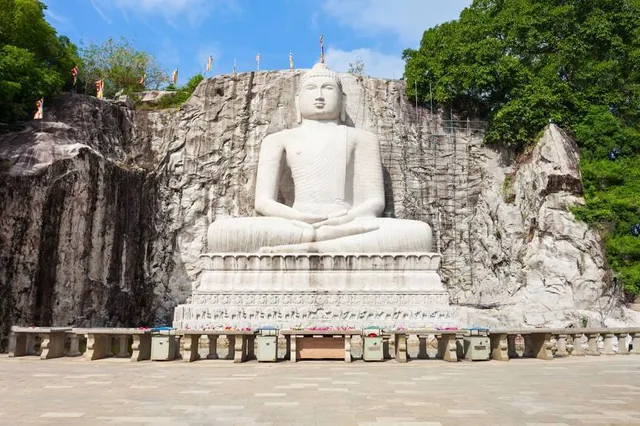
The Rambadagalla Buddha statue was finally completed and ceremoniously opened on the 30th April 2015 by the president Maitreepala Sirisena making this the largest largest sedentary Buddha Statue carved out of granite in the world.

The Rambadagalla Vihara is about 25 km from the Kurunegala Town. Travel on the Kandy Road from Kurunegala up to Mallawapitiya junction. This is about 5km form the Kurunegala town. Turn off to Keppitigala Road and Travel another 20 km along this road. On the way you will also pass Ridigama where the famous Ridi Viharaya is located. The Rambadagalla village is about 5 km pass Ridigama. The temple is beside the road itself as soon as pass the village center of Rambadagalla.

Special thank for 📜Amazing lanak & 📚 SL...

   Read more

avatar
4.0
2y

The place contains stories.

More than a millennium, 'The Bamyan Buddhas' stood in the Bamyan valley in Afghanistan. For more than 1500 years, it was an important Buddhist landmark near the ancient silk route road, where the people used to stop and worship. There were two colossal buddha statues; 175 feet tall and 120 feet tall carved into the sandstones. However in March 2001, Taliban's leader ordered to destroy this thousands of years old marvelous buddha statues claiming that the statues are 'insulting to Islam'. This was shocking news for the world and many religious leaders, heritage advocates and many other leaders around the world tried to prevent the incident by pleading to the Taliban. New York City’s Metropolitan Museum of Art even offered to buy the statues if it were to be preserved. Unfortunately none of the offers were accepted by the Taliban.

In 2001 these vibrant Bamyan buddha statues were assaulted heavily by Taliban troops. At the end of the assault statues were completely vanished from the face of the earth.

It was this incident which triggered the building of a Bamyan buddha statue which is 67.5 feet tall in Rambodagalla Viharaya. Young people in the village were outraged by the incident and decided some action needed to be taken. As a result here stands the world's largest sedentary buddha statue carved out of granite.

However the granite the statue is made of is not an ordinary one. The statue appears in white color. It is said the granite is called 'Chandrapashana'. The statue seems to shine to the moonlight as the name implies.

These tales increase the value of the location and they are worth sharing. The temple covers a large area of land covered in rock formations. The view from the top is so beautiful.

There is a paid parking area which cost you Rs.50. There are few manageable washrooms in the temple. The place is still undergoing...

   Read more
avatar
5.0
1y

In the tranquil village of Rambadagalla in Ridigama in the Kurunegala District, a huge stone sculpture is taking shape. This is no ordinary sculpture but one modeled on the Bamiyan Buddha in Afghanistan which was destroyed by the Taleban in 2001.

Why a replica of the Bamiyan Buddha is being sculpted in the Kurunegala hillside is itself a tale worth relating. It was in the aftermath of the Taleban’s act, which outraged the world, that the agitated village youth met their priest demanding that some action be taken. Ven. Egodomulla Amaramoli Thera gave them a patient hearing and resolved to harness the feelings of the youth. The next day, he called a meeting at which he suggested the building of a replica of the Bamiyan Buddha in the village itself to show the world a positive response to a tragic act. The children of the village spurred into action, collected Rs. 1,358, and handed it over to the Thera.

Such were the beginnings of this mammoth project – the building of a 67.5-foot granite statue which has now attracted the support of people from different communities and all walks of life.

Hearing that a group of Indian sculptors had just completed work at Ramboda, Thera contacted Colombo businessman D. Easwaren who enlisted the help of architect R. Sivaram to produce a blueprint. Former Indian High Commissioner Nirupama Rao herself visited the site and this was followed by a Rs. 2.5 million donation from the Indian High Commission to the project.

Director of a leading business Nandadasa Rajapaksa, a devout Buddhist is also playing an active role in raising funds for the project. He strongly feels that the project completion will help in building stronger ties between India and Sri Lanka and fostering peace...

   Read more
Page 1 of 7
Previous
Next