HTML SitemapExplore
logo
Find Things to DoFind The Best Restaurants

Mannar Dutch Fort — Attraction in Northern Province

Name
Mannar Dutch Fort
Description
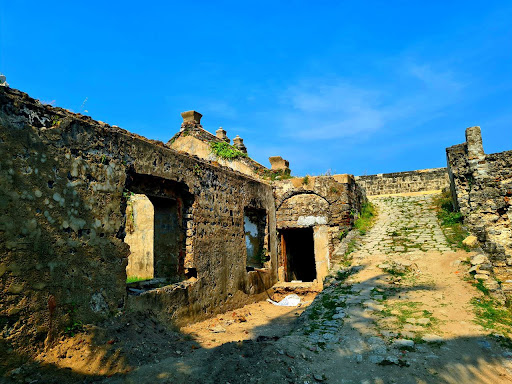
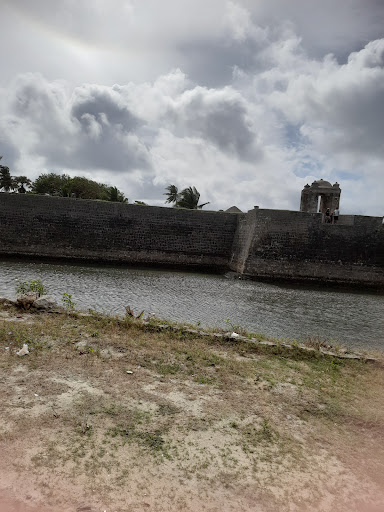
Mannar Fort is located on Mannar Island, Sri Lanka. It was built by Portuguese in 1560. The fort fell to the Dutch in 1658, and they rebuilt the fort in 1696. In 1795 the British occupied the fort following the surrender by the Dutch.
Nearby attractions
Nearby restaurants
Nearby hotels
Mannar Guest House
Mannar 41000, Sri Lanka
Mannar Coccos Garden
#37 Staton Road, Mannar 41000, Sri Lanka
A - Jey Paradise
No 40, 1st lane, St Sebastian's St, Mannar 41000, Sri Lanka
Related posts
Keywords
Mannar Dutch Fort tourism.Mannar Dutch Fort hotels.Mannar Dutch Fort bed and breakfast. flights to Mannar Dutch Fort.Mannar Dutch Fort attractions.Mannar Dutch Fort restaurants.Mannar Dutch Fort travel.Mannar Dutch Fort travel guide.Mannar Dutch Fort travel blog.Mannar Dutch Fort pictures.Mannar Dutch Fort photos.Mannar Dutch Fort travel tips.Mannar Dutch Fort maps.Mannar Dutch Fort things to do.
Mannar Dutch Fort things to do, attractions, restaurants, events info and trip planning
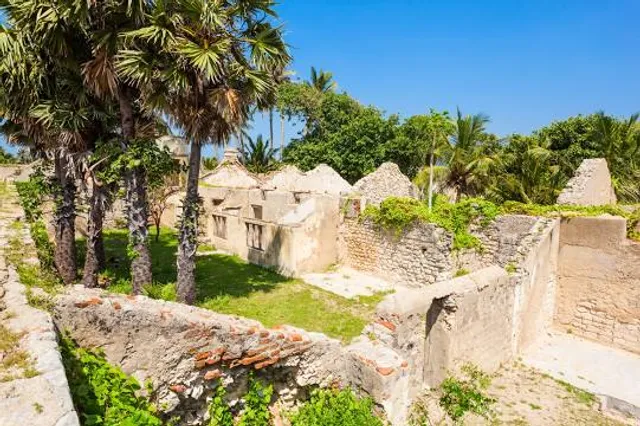
Mannar Dutch Fort
Sri LankaNorthern ProvinceMannar Dutch Fort

Basic Info

Mannar Dutch Fort

Mannar Dutch Fort, 41000, Mannar 41000, Sri Lanka
4.3(471)
Open 24 hours
Save
spot

Ratings & Description

Info

Mannar Fort is located on Mannar Island, Sri Lanka. It was built by Portuguese in 1560. The fort fell to the Dutch in 1658, and they rebuilt the fort in 1696. In 1795 the British occupied the fort following the surrender by the Dutch.

Cultural
Scenic
Family friendly
attractions: , restaurants:
logoLearn more insights from Wanderboat AI.
Phone
+94 77 087 9703

Plan your stay

hotel
Pet-friendly Hotels in Northern Province
Find a cozy hotel nearby and make it a full experience.
hotel
Affordable Hotels in Northern Province
Find a cozy hotel nearby and make it a full experience.
hotel
The Coolest Hotels You Haven't Heard Of (Yet)
Find a cozy hotel nearby and make it a full experience.
hotel
Trending Stays Worth the Hype in Northern Province
Find a cozy hotel nearby and make it a full experience.

Reviews

Get the Appoverlay
Get the AppOne tap to find yournext favorite spots!
Wanderboat LogoWanderboat

Your everyday Al companion for getaway ideas

CompanyAbout Us
InformationAI Trip PlannerSitemap
SocialXInstagramTiktokLinkedin
LegalTerms of ServicePrivacy Policy

Get the app

© 2025 Wanderboat. All rights reserved.
logo

Reviews of Mannar Dutch Fort

4.3
(471)
avatar
4.0
2y

The Mannar Dutch Fort, also known as Mannar Fort or Mannar Island Fort, is a historical fortification located on Mannar Island in the Mannar District of Sri Lanka. It is situated off the northwest coast of the country.

The fort was constructed during the colonial era when the Portuguese, Dutch, and British had control over various parts of Sri Lanka. The exact date of construction is uncertain, but it is believed to have been built by the Portuguese in the 16th century and later captured and renovated by the Dutch in the 17th century.

The Mannar Dutch Fort was strategically positioned to guard the coastline and the important maritime routes in the region. It served as a defensive structure and a center of administrative control during the colonial period.

The fort's architectural style reflects the influence of the Dutch colonial period. It features a rectangular shape with solid walls made of coral and limestone. Within the fort complex, there are remnants of buildings, wells, and other structures that were once part of the colonial settlement.

Today, the Mannar Dutch Fort stands as a significant historical site and tourist attraction in Mannar. While it has suffered damage over the years, efforts have been made to preserve and restore parts of the fort, allowing visitors to explore its historical significance and enjoy panoramic views of the...

   Read more
avatar
5.0
14w

Mannar Fort, situated on Mannar Island in northern Sri Lanka, is a square-shaped fortification with a rich history reflecting the island's colonial past. Originally constructed by the Portuguese in 1560, the fort was subsequently captured and rebuilt by the Dutch in 1696, and finally occupied by the British in 1795. This succession of colonial powers transformed the fort's architecture, creating a blended style that speaks to its turbulent history. Built with coral blocks and bricks, the fort features four prominent bastions, thick walls, and the remnants of a moat, showcasing European military design. Despite enduring centuries of conflict, including its use during Sri Lanka's civil war, the fort's robust outer structure remains largely intact. However, the buildings within its walls, such as a chapel and barracks, have fallen into ruin. Today, the Department of Archaeology oversees the site, allowing visitors to walk along the ramparts for a bird's-eye view of the surrounding lagoon and the causeway that links Mannar Island to the mainland. Though its heyday as a profitable center for the pearl fishery has long passed, Mannar Fort stands as a poignant historical treasure, offering insights into the region's military and economic significance throughout the...

   Read more
avatar
5.0
44w

On the southern tip of Mannar Island, just outside of its main town, Mannar Fort offers stunning views over the ocean between itself and the mainland of Sri Lanka. The square-shaped fort was built in the mid-16th century by the Portuguese, but it was captured by the Dutch in 1658. The Dutch made no changes to the building once it was in their possession other than to reinforce it from further attacks.

In 1795, the Dutch surrendered to the British, and the fort was subsequently occupied by British forces.

The fort bastions reach a height of around 3.5 meters, with thick walls that measure approximately 1.5 meters, and ramparts that stretch for a length of approximately 14.5 meters each.

The fort turned a tidy profit from the practice of pearl fishery within its waters, but the depletion of the area’s pearl oysters led to a decline of the structure’s old grandeur.

It is currently occupied by Sri Lanka’s Department of Archeology. The remains of what looks to be a church can be found within the fort’s walls, as well as two watchtowers that stand at...

   Read more
Page 1 of 7
Previous
Next

Posts

JerryJerry
On the southern tip of Mannar Island, just outside of its main town, Mannar Fort offers stunning views over the ocean between itself and the mainland of Sri Lanka. The square-shaped fort was built in the mid-16th century by the Portuguese, but it was captured by the Dutch in 1658. The Dutch made no changes to the building once it was in their possession other than to reinforce it from further attacks. In 1795, the Dutch surrendered to the British, and the fort was subsequently occupied by British forces. The fort bastions reach a height of around 3.5 meters, with thick walls that measure approximately 1.5 meters, and ramparts that stretch for a length of approximately 14.5 meters each. The fort turned a tidy profit from the practice of pearl fishery within its waters, but the depletion of the area’s pearl oysters led to a decline of the structure’s old grandeur. It is currently occupied by Sri Lanka’s Department of Archeology. The remains of what looks to be a church can be found within the fort’s walls, as well as two watchtowers that stand at its corners.
Thusitha Udayanga BandaraThusitha Udayanga Bandara
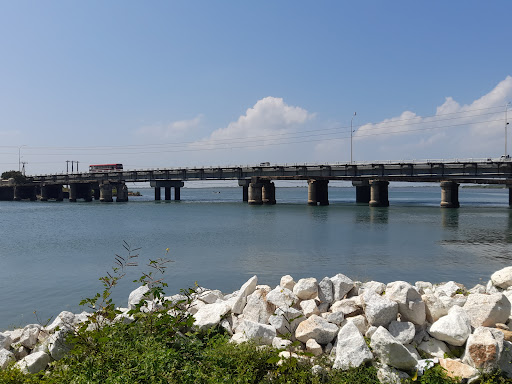
When you visit Mannar, please include this archeological site into your visiting list. It is located on the southern tip of Mannar Island, just closer to the new bridge which link the island and the mainland. Mannar Fort offers stunning views over the ocean between itself and the mainland of Sri Lanka. The fort was built in the mid-16th century by the Portuguese, but it was captured by the Dutch in 1658. The Dutch made no changes to the building once it was in their possession other than to reinforce it from further attacks. In 1795, the Dutch surrendered to the British, and the fort was subsequently occupied by British forces. The fort is being repaired these days and no prior booking or tickets are required to visit the place. Simply you can visit the place without damaging the archeological value.
Johan _sl_riders_08Johan _sl_riders_08
மன்னார் தீவு தரைப்பாலத்தின் தற்போதைய சாலை பாலத்துடன் இணைக்கும் நுழைவாயிலில் போர்த்துகீசியர்களால் கட்டப்பட்ட பழமையான கோட்டை உள்ளது இது 1518 ஆம் ஆண்டில் லோபோ சோரெஸ் டி அல்பெர்கேரியாவால் கட்டப்பட்டது மற்றும் சதுர வடிவில் உள்ளது.மூன்று கோட்டைகளுக்கு இடையே ஒரு கோட்டையிலிருந்து மற்றொரு கோட்டைக்கு செல்லும் அரண்களின் நீளம், இந்த கோட்டை பொருத்தப்பட்டிருப்பது சிறிய முக்கியத்துவம் வாய்ந்தது, உயரம் இரண்டு அடிக்கும் (3.6 மீட்டர்) குறைவாக உள்ளது, ஆனால் பாராபெட்கள் மற்றும் சுவரின் தடிமன் ஆறு. ஸ்பேன்ஸ் (1.4 மீட்டர்) மற்றும் அரண்மனையின் ஒவ்வொரு நீளமும் எட்டு அடி (14.6 மீட்டர்) நீளமும், இரண்டு அடைக்கலமான கோட்டைகளும் அரண்மனையை விட உயரமானது மற்றும் வளைகுடா பக்கத்திலுள்ள கோட்டையானது நிலப்பரப்பைக் காட்டிலும் குறைவாகவே உள்ளது. கோட்டை ஒரு காலத்தில் மிகவும் செல்வச் செழிப்புடன் இருந்ததாகவும், அதன் கீழ் வரும் பகுதியில் நடைபெற்ற விதை முத்து மீன் வளர்ப்பின் மூலம் அதிக வருவாய் ஈட்டியதாகவும் போகாரோ கூறுகிறார். முத்துச் சிப்பிகள் அழிந்துவிட்ட நிலையில், அப்போது இருப்பது கோட்டையின் பழைய பிரமாண்டத்தின் நினைவுச்சின்னம் மட்டுமே என்று அவர் கூறுகிறார். போர்த்துகீசியர்களின் எதிர்ப்பிற்குப் பிறகு 1658 இல் டச்சுக்காரர்களால் கோட்டை கைப்பற்றப்பட்டது, ஆனால் கோட்டையை வலுப்படுத்தியது தவிர, கோட்டையில் குறிப்பிடத்தக்க மாற்றம் எதுவும் செய்யப்படவில்லை. மன்னார் கோட்டையில் நான்கு கோட்டைகள் உள்ளன, கோட்டையின் உள்ளே உள்ள கட்டிடங்கள் சரியாக பராமரிக்கப்படவில்லை என்றாலும் அது இன்னும் நல்ல நிலையில் உள்ளது. எந்த தடையுமின்றி கோட்டையை சுற்றி வரலாம். கோட்டைக்குள் நுழைந்ததும் இடதுபுறத்தில் கோட்டையின் உச்சிக்கு அணுகல் உள்ளது. இங்கிருந்து நீங்கள் கோட்டையைச் சுற்றி நடக்கலாம், உள்ளே உள்ள இடிந்த கட்டிடங்களின் பறவைக் காட்சியைப் பெறலாம். கட்டிடத்தின் இரண்டு முனைகளிலும் கதவு அல்லது ஜன்னல்கள் இல்லாத இரண்டு அறைகளைக் காண்பீர்கள். பெரிய இரும்பு கம்பிகளில் தற்போது உடைந்த பலகையால் மேற்பகுதி மூடப்பட்டுள்ளது. இந்த அறைகளுக்கான ஒரே அணுகல் சுவரின் ஒரு பக்கத்தில் பொருத்தப்பட்ட சில சிறிய எஃகு படிகள் மட்டுமே. இந்த இரண்டு அறைகளும் ஒரு காலத்தில் சிறை அறைகளாக இருந்திருக்கலாம். கூடுதலாக, கட்டிடங்களுக்கு இடையில் ஒரு தேவாலயம் போல் இருப்பதை நீங்கள் காணலாம். இரண்டு கண்காணிப்பு கோபுரங்கள் இன்னும் 2 விளிம்புகளில் உயரமாக நிற்கின்றன. ஒன்று கோட்டையிலிருந்து உடைந்து விரைவில் கடலில் விழும்.
See more posts
See more posts
hotel
Find your stay

Pet-friendly Hotels in Northern Province

Find a cozy hotel nearby and make it a full experience.

On the southern tip of Mannar Island, just outside of its main town, Mannar Fort offers stunning views over the ocean between itself and the mainland of Sri Lanka. The square-shaped fort was built in the mid-16th century by the Portuguese, but it was captured by the Dutch in 1658. The Dutch made no changes to the building once it was in their possession other than to reinforce it from further attacks. In 1795, the Dutch surrendered to the British, and the fort was subsequently occupied by British forces. The fort bastions reach a height of around 3.5 meters, with thick walls that measure approximately 1.5 meters, and ramparts that stretch for a length of approximately 14.5 meters each. The fort turned a tidy profit from the practice of pearl fishery within its waters, but the depletion of the area’s pearl oysters led to a decline of the structure’s old grandeur. It is currently occupied by Sri Lanka’s Department of Archeology. The remains of what looks to be a church can be found within the fort’s walls, as well as two watchtowers that stand at its corners.
Jerry

Jerry

hotel
Find your stay

Affordable Hotels in Northern Province

Find a cozy hotel nearby and make it a full experience.

Get the Appoverlay
Get the AppOne tap to find yournext favorite spots!
When you visit Mannar, please include this archeological site into your visiting list. It is located on the southern tip of Mannar Island, just closer to the new bridge which link the island and the mainland. Mannar Fort offers stunning views over the ocean between itself and the mainland of Sri Lanka. The fort was built in the mid-16th century by the Portuguese, but it was captured by the Dutch in 1658. The Dutch made no changes to the building once it was in their possession other than to reinforce it from further attacks. In 1795, the Dutch surrendered to the British, and the fort was subsequently occupied by British forces. The fort is being repaired these days and no prior booking or tickets are required to visit the place. Simply you can visit the place without damaging the archeological value.
Thusitha Udayanga Bandara

Thusitha Udayanga Bandara

hotel
Find your stay

The Coolest Hotels You Haven't Heard Of (Yet)

Find a cozy hotel nearby and make it a full experience.

hotel
Find your stay

Trending Stays Worth the Hype in Northern Province

Find a cozy hotel nearby and make it a full experience.

மன்னார் தீவு தரைப்பாலத்தின் தற்போதைய சாலை பாலத்துடன் இணைக்கும் நுழைவாயிலில் போர்த்துகீசியர்களால் கட்டப்பட்ட பழமையான கோட்டை உள்ளது இது 1518 ஆம் ஆண்டில் லோபோ சோரெஸ் டி அல்பெர்கேரியாவால் கட்டப்பட்டது மற்றும் சதுர வடிவில் உள்ளது.மூன்று கோட்டைகளுக்கு இடையே ஒரு கோட்டையிலிருந்து மற்றொரு கோட்டைக்கு செல்லும் அரண்களின் நீளம், இந்த கோட்டை பொருத்தப்பட்டிருப்பது சிறிய முக்கியத்துவம் வாய்ந்தது, உயரம் இரண்டு அடிக்கும் (3.6 மீட்டர்) குறைவாக உள்ளது, ஆனால் பாராபெட்கள் மற்றும் சுவரின் தடிமன் ஆறு. ஸ்பேன்ஸ் (1.4 மீட்டர்) மற்றும் அரண்மனையின் ஒவ்வொரு நீளமும் எட்டு அடி (14.6 மீட்டர்) நீளமும், இரண்டு அடைக்கலமான கோட்டைகளும் அரண்மனையை விட உயரமானது மற்றும் வளைகுடா பக்கத்திலுள்ள கோட்டையானது நிலப்பரப்பைக் காட்டிலும் குறைவாகவே உள்ளது. கோட்டை ஒரு காலத்தில் மிகவும் செல்வச் செழிப்புடன் இருந்ததாகவும், அதன் கீழ் வரும் பகுதியில் நடைபெற்ற விதை முத்து மீன் வளர்ப்பின் மூலம் அதிக வருவாய் ஈட்டியதாகவும் போகாரோ கூறுகிறார். முத்துச் சிப்பிகள் அழிந்துவிட்ட நிலையில், அப்போது இருப்பது கோட்டையின் பழைய பிரமாண்டத்தின் நினைவுச்சின்னம் மட்டுமே என்று அவர் கூறுகிறார். போர்த்துகீசியர்களின் எதிர்ப்பிற்குப் பிறகு 1658 இல் டச்சுக்காரர்களால் கோட்டை கைப்பற்றப்பட்டது, ஆனால் கோட்டையை வலுப்படுத்தியது தவிர, கோட்டையில் குறிப்பிடத்தக்க மாற்றம் எதுவும் செய்யப்படவில்லை. மன்னார் கோட்டையில் நான்கு கோட்டைகள் உள்ளன, கோட்டையின் உள்ளே உள்ள கட்டிடங்கள் சரியாக பராமரிக்கப்படவில்லை என்றாலும் அது இன்னும் நல்ல நிலையில் உள்ளது. எந்த தடையுமின்றி கோட்டையை சுற்றி வரலாம். கோட்டைக்குள் நுழைந்ததும் இடதுபுறத்தில் கோட்டையின் உச்சிக்கு அணுகல் உள்ளது. இங்கிருந்து நீங்கள் கோட்டையைச் சுற்றி நடக்கலாம், உள்ளே உள்ள இடிந்த கட்டிடங்களின் பறவைக் காட்சியைப் பெறலாம். கட்டிடத்தின் இரண்டு முனைகளிலும் கதவு அல்லது ஜன்னல்கள் இல்லாத இரண்டு அறைகளைக் காண்பீர்கள். பெரிய இரும்பு கம்பிகளில் தற்போது உடைந்த பலகையால் மேற்பகுதி மூடப்பட்டுள்ளது. இந்த அறைகளுக்கான ஒரே அணுகல் சுவரின் ஒரு பக்கத்தில் பொருத்தப்பட்ட சில சிறிய எஃகு படிகள் மட்டுமே. இந்த இரண்டு அறைகளும் ஒரு காலத்தில் சிறை அறைகளாக இருந்திருக்கலாம். கூடுதலாக, கட்டிடங்களுக்கு இடையில் ஒரு தேவாலயம் போல் இருப்பதை நீங்கள் காணலாம். இரண்டு கண்காணிப்பு கோபுரங்கள் இன்னும் 2 விளிம்புகளில் உயரமாக நிற்கின்றன. ஒன்று கோட்டையிலிருந்து உடைந்து விரைவில் கடலில் விழும்.
Johan _sl_riders_08

Johan _sl_riders_08

See more posts
See more posts