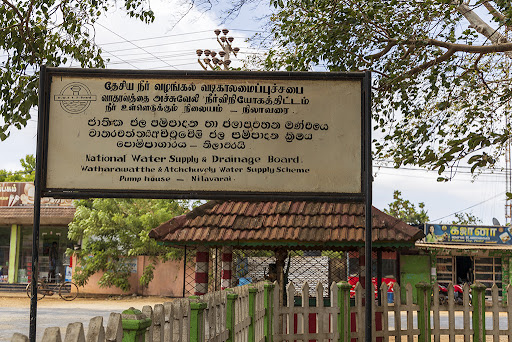
Nilavarai Well: The "Bottomless" Well of Jaffna
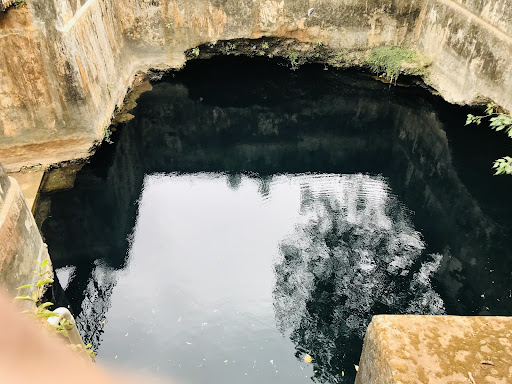
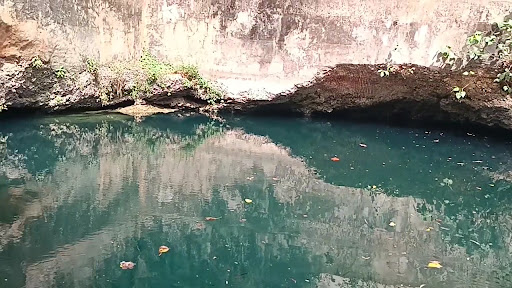
The Nilavarai Well, also known as the Nilavarai Bottomless Well or Deep Well, is a fascinating natural wonder and popular tourist attraction in Jaffna, Sri Lanka. Here's a detailed description:
Location and Background:
Situated in Puttalan, in the Navakkiri GS area of the Valikaamam East division, roughly 14 kilometers northeast of Jaffna town.
The name "Nilavarai" might come from "Nilava'rai" (Nila + a'rai), meaning "underground chamber" in Tamil, hinting at its subterranean water source.
Unique Features:
Nicknamed the "bottomless well" because it has never been known to dry up, even during severe droughts.
Recent explorations by the Sri Lanka Navy divers revealed a depth of 52.5 meters (172 feet).
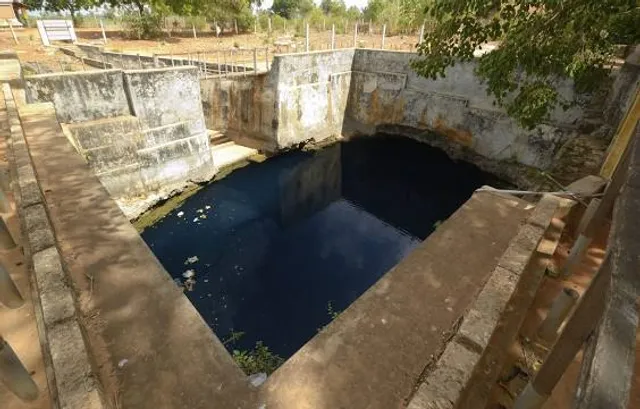
The well is rectangular, with a surface area of approximately 13 meters long and 10 meters wide (43 ft x 33 ft).
Steps lead down to the water level, which sits about 14 meters (46 ft) below the surface.
Interestingly, the water is fresh in the first 18.3 meters (60 ft) and becomes saltier as it goes deeper, suggesting a connection to the ocean.
The divers also discovered several tunnels branching out from the well at various depths, adding to the mystery of its formation.
Possible Formation:
Geologists believe the well was formed by the collapse of the top layer of earth, exposing a limestone cavern connected to an underground freshwater source.
The presence of saltwater at lower depths suggests a connection to the nearby ocean.
Cultural Significance:
The Nilavarai Well is a source of fascination and local legends.
Some believe it connects to the Keerimalai Sacred Water Spring through underground tunnels, though there's no scientific evidence to support this.
The well's consistent water supply has been a lifeline for the surrounding farming communities for centuries.
Visiting the Nilavarai Well:
The well is a popular tourist destination and can be easily accessed.
There are local vendors selling refreshments near the site.
Be mindful of proper decorum when visiting, as it's considered a place of cultural significance.
Overall:
The Nilavarai Well is a unique natural wonder that combines history, mythology, and geological intrigue. It's a must-visit for anyone interested in Jaffna's cultural and...
Read moreBottomless? Fascinating and Unbelievable!! This natural, age-old water well is said to be bottomless because it has water throughout the year never drying up even during a drought. It is an item of archaeological significance in Jaffna. Our guide narrated a legend related to the well - going back to the life of Rama, the famous Indian prince of Ramayana fame. Apparently, his wife Sita, on her way back to India was very thirsty but could not find any water nearby. Rama shot an arrow into the earth creating this well. Coming back to reality, we learnt that during an expedition carried out by the Sri Lanka Navy using an automated robot incorporating a camera, the depth was determined to be 52.5 metres. Though the water in the first 18 metres was fresh, it became saline further below. Apparently, there exist several tunnels at various depths leading away from the well. It is said that one of these tunnels connect to the Keeramalai freshwater springs about 10 km away. The expedition also located two carts and a skeleton at the bottom of the well. These had been subsequently removed. There are steps leading into the well. These were in use until recent times, when bathing and swimming within were permitted - but not anymore - due to danger of drowning. Some pigeons have made homes within some holes in the well-walls. Three tubewells located within close proximity to the bottomless well provide drinking water to three nearby towns. The caretaker from the Water Department was testing the ph value of water whilst I was there. Nilavarai is listed and protected as an Archaeological Reservation by...
Read moreනිලාවරේ ළිඳ කියපු සැනින් එම ළිඳේ ඇති විශේෂත්වය ගැන කවුරත් දන්නේ නැහැ. කොහොම හරි ඔන්න මේ ළිඳේ තියෙන් විශේෂත්වය තමයි මේ ළිඳට පතුළක් නෑ කියන එක තමයි විශේෂත්වය.
මේ ළිඳ පිහිටා තිබෙන්නේ යාපනය-පේදුරුතුඩුව මාර්ගයේ පිහිටා තිබෙනවා.
උතුරු පළාතේ සංචාරය කරන සංචාරකයෝ වැඩි දෙනෙක් මෙම ළිඳ නැරඹීමට යෑමට අමතක නොකරයි. පතුල නොපෙනෙන මේ ළිඳ ගාල්ල මුහුදු පුරාවිද්යා ඒකකයේ මුහුදු පුරාවිද්යාඥයන් විසින් ගවේෂණය කරලා තියෙනවා කියලා ආරංචියි.
කොහොම හරි ළිඳ පරීක්ෂා කිරීමට පිරිසට වැටහිලා තියෙන්නේ මෙය ළිඳක් වශයෙන් භාවිත කළද එය ස්වාභාවිකව නිර්මාණ වූ හුනුගල් ආවාටයක් බවයි.
මෙම ළිඳේ පළල මීටර් 15ක පමණ විශාල ආවාටයකින් නිර්මාණය වී ඇත. පිරිසිදු නිල්වන් දියෙන් පිරී ඇති ළිඳ ප්රදේශයේ ජනතාවගේ ජල අවශ්යතාවන් සපුරාලන්නේ අවුරුදු සියගණනක සිටය.
ළිඳ ආසන්නයේ පැරණි චෛත්යයක නටබුන් මෙන්ම හින්දු කෝවිල් කිහිපයක් ද දක්නට තිබෙනවා. පැරැණි චෛත්ය ගොඩනැගිල්ල හේතුවෙන් මෙම ළිඳ පිහිටි භූමිය පුරාවිද්යා රක්ෂිතයක් ලෙස නම් කොට ඇති බව සඳහන්වෙනවා.
මෙම ගවේෂණ කටයුත්ත සංවිධානය කරන අතරතුරේදීම හිරිගල් ගුහා සහ දෝනා ආශ්රිතව කිමිඳුම් කටයුතු කිරීමේ ප්රවීණයකු වන රුසියානු ජාතික වසීලි කලෂ්කිනොව් සහ ප්රවීණ කිමිඳුම් ශිල්පියකු වන හික්කඩුවේ එම්.ජී ප්රියන්ත යන මහත්වරුන් සම්බන්ධ කරගැනීමට ගාල්ල මුහුදු පුරාවිද්යා ඒකකයේ නිලධාරීන් කටයුතු කරලා තියෙනවා.
වසිලී මුලින්ම ළිඳේ කිමිඳුම් කටයුතු ආරම්භ කළ අතර මිනිත්තු 8ක් වැනි කෙටිකාලයක් තුළ ළිදෙහි පහළට ගොස් ළිඳේ තත්ත්වය පරීක්ෂාකොට හේ මතුපිටට පැමිණි ඇත. ඔහුගේ නිරීක්ෂණය අනුව ළිඳෙහි වතුර නිශ්චලව පවතී. ළිඳ ආරක්ෂිතය. මීටර් 10- 20ත් අතර ගැඹුරේදී ජලය අපහැදිලි වන අතර, එම ජලයේ මඩ අංශු සහිත බවක් දක්නට ලැබේ. පතුලේ ඇති ජලය ඉතා පැහැදිලි වන නමුත් මැද ස්තරයේ ඇති අපහැදිලිතාව හේතුවෙන් හිරුරැුස් පතුලට ළගාවීම නවතීග එහෙයින් පතුලේ පවතින්නේ දැඩි අන්ධකාරයකින් ඉක්බිති කිමිඳුම් කටයුතු ආරම්භ කරමින් වසීලි සහ ප්රියන්ත දෙපළ ක්රමයෙන් ළිඳ තුළට බහින්නට වූහ. ඔවුන් අනුගමනය කරමින් මුහුදු පුරාවිද්යා ඒකකයේ ඒ,එම්,ඒ දයානන්ද, එස්,එම් නන්දදාස සහ රසික මුතුකුමාර යන තිදෙනාද ක්රමයෙන් ළිඳේ පහළට කිමිඳීම ආරම්භ කළහ. දියයට භාවිත කරන විදුලි පන්දම් සහ වීඩියෝ කැමරාවක්ද රැගෙන ළිං පතුල සෙවීමේ මෙහෙයුම ආරම්භ කෙරිණි
ඔවුන් පවසන ආකාරයට ජලය මඳක් කිවුල් සහිතයග එහෙත් ජලය පිරිසුදුයග මීටර් 10 – 20 අතර ප්රමාණයේදී ජලයේ පැහැදිලිතාව ක්රමයෙන් අඩුවන බව ඔවුහු පැවසූහග ගැඹුරු මීටර 20 පසුකරන විට යළිත් ජලයේ පැහැදිලිතාව ක්රමයෙන් වැඩිය.
මෙම තත්ත්වය පිළිබඳ ගාල්ල මුහුදු පුරාවිද්යා ඒකකයේ රසික මුතුකුමාරණ මහතා මෙසේ පැවැසීය.
මීටර් 23 – 25 අතර ප්රදේශය ජලය ඉතා පැහැදිලි තත්ත්වයක තිබුණා. ජලයේ ලවණ ගතිය විශාල වශයෙන් වැඩිවුණා. මම හුස්ම ගැනීම සඳහා භාවිත කරන මුඛ ආවරණය සහිත කොටස ඉවත්කර ජලය මුඛය තුළට ගත්ත නිසා එය පැහැදිලි වුණා.
ඇත්තටම මීටර් 25න් යට ප්රදේශය සම්පූර්ණයෙන්ම මුහුදු ජලයට සමානයිග මෙම ප්රදේශයේ සිට පතුලට යනතුරු ළිඳ තුළ මහත් අන්ධකාරයක් තිබුණාග විදුලි පන්දම් නොමැතිව කිමිඳුම් කටයුතු කිරීම අපහසු සහ අවදානම් දෙයක්ග මුහුදු ජලයත් ඉහළින් ඇති ඝනත්වය අඩු මිරිදියත් වෙන්වන මායිම් පැහැදිලිව දක්නට ලැබුණාග එම ස්ථානයන්හි විදුලි පන්දම් ආලෝකයෙන් ලවණ අංශු භ්රමණය වන ආකාරය නැරඹීම ඉතා ආකර්ෂණීය දසුනක් වුණාග එමෙන්ම ළිඳට වැටී ඇති ප්ලාස්ටික් වතුර බෝතල් සහ බෑග් කිහිපයක් එම ස්තර දෙක වෙන්වන සීමාවේ ඉහළටත් පහළටත් ගමන් නොකර ස්ථාවරව පවතින ආකාරයද නැරඹීමට හැකි වුණා.
ළිං පතුලේදී ජලය ඉතා නිශ්චල වුණා. මීටර් 40ක් පමණ ගැඹුරට කිමිදෙන විට ළිඳේ පතුල හමුවුණා. එහි අවුරුදු සියගණනක් පුරා ළිඳට වැටුණු අපද්රව්ය විශේෂයෙන්ම ළිඳ අසල ඇති බෝ ගසින් සහ අවට ඇති ශාකයන්ගෙන් වැටුණු පත්ර හා රිකිලිවලින් පිරී තිබුණා. ඒ අනුව ළිඳේ ගැඹුර අඩුම ස්ථානය ළිඳේ මැදම කොටසයි. වටේ ගැඹුර ඊට වඩා වැඩි බව දක්නට ලැබුණා. එහෙත් එම ස්ථාන වෙත ළගාවීම පසුවට කල් තැබූ අප පළමුවන කිමිඳුම් වාරය අවසන් කළාග ඒ අනුව මෙම ළිඳට පතුලක් ඇතිබව තහවුරු කරගැනීමට අපහට හැකිවුණා.
ළිඳ පහළට යත්ම ගුහාවක් ඇතුළට පිවිසෙන ආකාරයක් දක්නට ලැබුණාග මීටර් 15 පමණ ගියවිට ඉහළින් ලැබෙන ආලෝකය නතර වුණාග බිත්ති හිරිගල්වලින් නිර්මාණය වී තිබූ නිසා ඒ මත ඉතා සියුම් දුහුවිලි වැනි අංශු රැඳී තිබූ නිසා ඒවා ඉතා සුළු කැලඹීමකින් පවා ලිහිල් වුණා. මෙහි ජලය බොරවීමේ සම්භාවිතාව ඉතා වැඩියි. ඒ හේතුවෙන් කිමිඳුම් කටයුතු ඉතා පරිස්සමින් හැකි තරම් නිශ්චලව කිරීමට අපි වගා බලා ගත්තා.
ඒ වගේමයි මෙම හුනුගල් ස්තරයේ ස්වභාවය සහ සැකැස්ම පරීක්ෂා කරමින් ක්රමයෙන් පතුල කරා ගමන් කරද්දි අවශ්ය ස්ථානයන්හි ඡායාරූප ද ගත්තා. වීඩියෝගත කිරීමද කළා. බටහිර මායිමේ පතුලෙහි ගැඹුර මීටර 55ක්ග ජලයේ උෂ්ණත්වය සෙල්සියස් අංශක 28 – 30 අතර ප්රමාණයක්. එම...
Read more