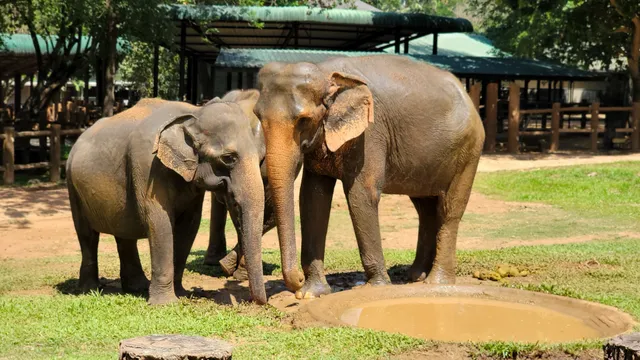
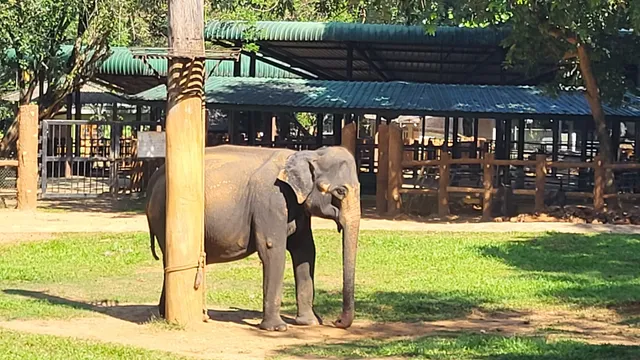
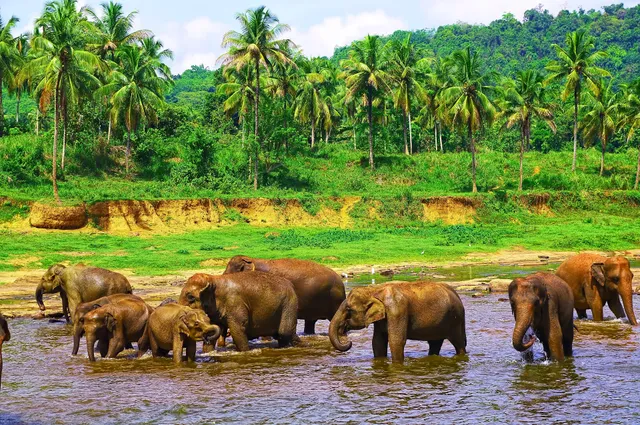
Visiting the Elephant Orphanage was an awe-inspiring experience that left me with a profound appreciation for these majestic creatures. Nestled in the heart of Sri Lanka, this sanctuary is home to almost 70 elephants, with all but one being Sri Lankan elephants, creating an authentic and immersive encounter with the local wildlife.
One of the highlights of the visit is the variety of activities available, offering visitors a chance to engage with the elephants in unique and meaningful ways. The opportunity to witness elephant feeding sessions is not only heartwarming but also educational, as knowledgeable staff members share insights into the individual histories and rehabilitation stories of each elephant.
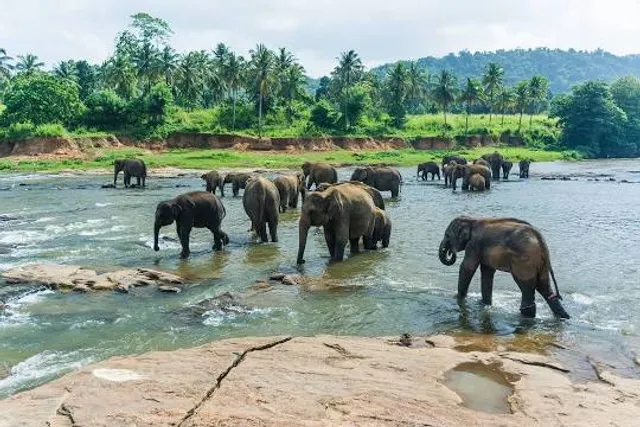
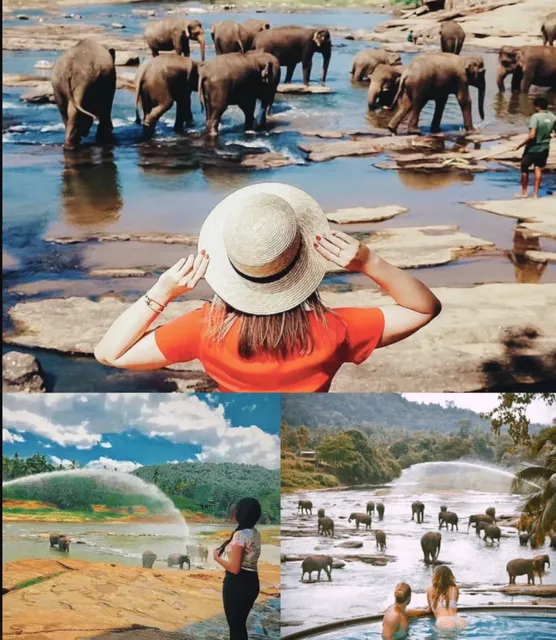
For those seeking a more interactive experience, the option to join the elephant walking sessions is a must. Walking alongside these gentle giants in their natural habitat provides an unparalleled connection with these magnificent creatures. The sense of wonder is heightened during the elephant bathing sessions, held in a separate area designed to ensure the well-being of both visitors and elephants.
The Elephant Orphanage wisely offers separate tickets for various activities, allowing visitors to customize their experience based on preferences. This approach ensures that guests can choose to focus on specific interactions, making the visit accessible to all types of enthusiasts.
Notably, the bathing area is equipped with excellent facilities, and the inclusion of a nearby restaurant adds to the overall convenience of the visit. The restaurant offers a delectable menu, allowing visitors to savor local cuisine while enjoying picturesque views of the bathing elephants.
In terms of accessibility, the Elephant Orphanage is well-maintained, and the staff's dedication to the welfare of the elephants is evident throughout the facility. The conservation efforts and educational initiatives undertaken by the orphanage make it clear that this is not just a tourist attraction but a vital force in the protection and preservation of Sri Lanka's elephant population.
In conclusion, a visit to the Elephant Orphanage is an enriching experience that combines education, entertainment, and conservation. With its array of activities, stunning natural setting, and commitment to the well-being of its inhabitants, this sanctuary stands as a shining example of responsible wildlife tourism. Whether you're a nature enthusiast, animal lover, or simply seeking a unique and memorable adventure, the Elephant Orphanage is an absolute gem that deserves a top spot on your travel itinerary.
Parking is available if you're bringing your...
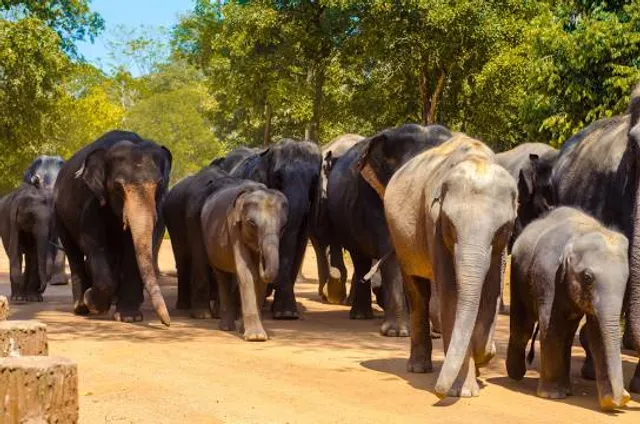
Read moreThe whole experience left a bitter taste as I was expecting to visit an orphanage and witnessed a commercial zoo. Elephants are beautiful and intelligent creatures, unfortunately, I can't say the same of humans who are in charge. The bathing in the river seemed like a moment of happiness for those gentle giants but it soon ended with wardens yelling and threatening them with harpoons. I understand some security measures and discipline are required to ensure animals follow the commands but this seemed to be well over the top and painful to watch. There were conflicting staff commands and constant shouts of the wardens, one staff member lowered the chain giving a sign to elephants to proceed, another one decided to push the whole herd back, and then again, forwards and backwards, this went on for a long while without any apparent reason, with some elephants evidently stressed and some pushed right to the edge of a cliff. And then, when they were eventually allowed to proceed, they were a wonder to watch, 5 tonne mighty creatures silently and gently walking back to their shelter. Once they got there I witnessed yet another sad view - some elephants got chained with little room to manoeuvre. Nevertheless, they all seem to be well fed and secure in a very well maintained area. There also is a decent free area for the elephants to roam freely, although it was not used when we visited. The visitor facilities are also decent. But the sense of an animal rescue mission is completely missing. It was disturbing to see a few very out of date and fake sounding stories of rescued elephants that are displayed at the entrance, saying that the animals found happiness here. I didn't see any of that. How on earth can you say that a rescued male elephant is a proud happy father that looks after his offspring when he is chained and kept in a separate area? Also, from my understanding, this is scientificly incorrect as male elephants don't look after their offspring. And then what happens to the offspring? It stays in captivity. Please be more realistic and honest. To add to this bitter experience some members of the staff seemed to use every opportunity to ask for tips. I hope that the ridiculously high price that the foreigners pay for the entry ticket ($15+VAT per person) will contribute to some improvements both for the animals and for the staff. Please, show more passion and dedication, get involved in animal protection & habitat conservation projects, start wildlife rehabilitation release, give those animals more space and freedom, or else please change your name from Elephant Orphanage to an...
Read moreWe visited Pinnawala Elephant Orphanage in May 2018. I would not agree with some of the reviews here because we as locals know where these elephants come from. Most of the elephants are taken in when they are so small and stuck in mud or wells. They have been rescued from near-deaths and taken in to the authorities for recovery. Their unfortunate situation is when they recover they are not in a psych to go back to the forest and survive on their own. They start loving humans because humans saved their life when they were small and when they are released to the jungle they go searching humans houses just to be pet. But when the house people are unaware of this they can harm the elephants in fear. Some elephants are taken in when there is a risk to their lives due to their tusks. Some elephants are calves born at Pinnawala from the orphaned parents. Elephants are intelligent creatures and they are very grateful for the human who saved their life.
As I know Pinnawala started in 1970s to protect the vanishing elephant species when it was the era where elephants were to be classified as endangered (still classified as endangered). I must say Pinnawala is protecting them well. I agree that it’s a prison for them. However they are well taken care of. Story may have two sides. Mahot (the iron rod) and chains have two stories too. Some say it hurts the elephants some say they do it in a way it doesn’t. True they are in limited liberty but the last white rhino too was protected like this. Pinnawala has 88 elephants and Sri Lanka have only around 3000. So I believe what Pinnawala doing is right. Once the population grows to a safer level things may change.
Our journey was incredibly relaxing. Contrast to the last time I visited here 20 years ago, now they have made lot of free areas for elephants to roam. Feeds them regularly and elephants seems to be well nourished and happy. I’ve been in zoos where animals looked so malnourished and unhappy but this was not a place like this. We contributed to the park to help them with feeding costs. I agree foreign tickets maybe expensive but all the money goes to a good place to keep this tuskers happy. Thank you staff for all the great work, please keep up the great work and dedication.
P:S: I attached a photo of the milk feeding ticket since it had the showtimes. And don’t forget to check the info photos and the funny elephant trying to...
Read more