HTML SitemapExplore
Find Things to DoFind The Best Restaurants

Sripada Peak Wilderness Sanctuary — Attraction in Sri Lanka

Name
Sripada Peak Wilderness Sanctuary
Description
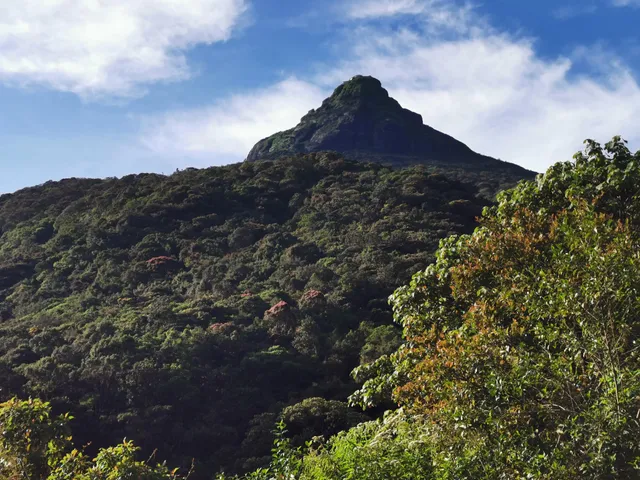
Peak Wilderness sanctuary is a natural reserve in Sri Lanka. It is the third largest of the 50 sanctuaries in the country. "Sri Pada" Peak Wilderness sanctuary is a tropical rain forest that spreads over a land of 224 square kilometers around the Sri Pada mountain.
Nearby attractions
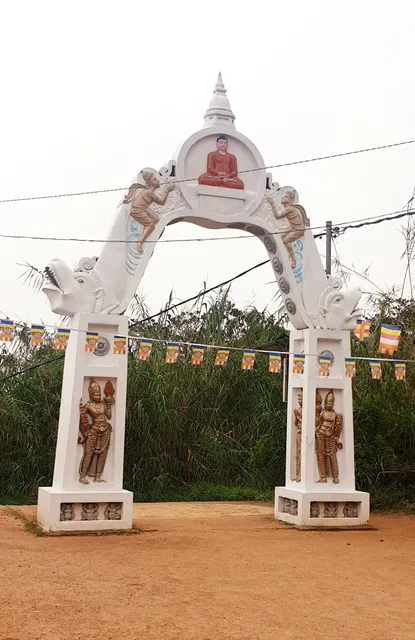
මකර තොරණ - Rathnapura Road
RF6Q+678, Heramitipana, Sri Lanka
Nearby restaurants
Nearby hotels
Related posts
Keywords
Sripada Peak Wilderness Sanctuary tourism.Sripada Peak Wilderness Sanctuary hotels.Sripada Peak Wilderness Sanctuary bed and breakfast. flights to Sripada Peak Wilderness Sanctuary.Sripada Peak Wilderness Sanctuary attractions.Sripada Peak Wilderness Sanctuary restaurants.Sripada Peak Wilderness Sanctuary travel.Sripada Peak Wilderness Sanctuary travel guide.Sripada Peak Wilderness Sanctuary travel blog.Sripada Peak Wilderness Sanctuary pictures.Sripada Peak Wilderness Sanctuary photos.Sripada Peak Wilderness Sanctuary travel tips.Sripada Peak Wilderness Sanctuary maps.Sripada Peak Wilderness Sanctuary things to do.
Sripada Peak Wilderness Sanctuary things to do, attractions, restaurants, events info and trip planning
Sripada Peak Wilderness Sanctuary
Sri LankaSabaragamuwa ProvinceSri LankaSripada Peak Wilderness Sanctuary

Basic Info

Sripada Peak Wilderness Sanctuary

RF9Q+4MX, B339, Nallathanniya, Sri Lanka
4.6(918)
Open 24 hours
Save
spot

Ratings & Description

Info

Peak Wilderness sanctuary is a natural reserve in Sri Lanka. It is the third largest of the 50 sanctuaries in the country. "Sri Pada" Peak Wilderness sanctuary is a tropical rain forest that spreads over a land of 224 square kilometers around the Sri Pada mountain.

Cultural
Outdoor
Adventure
Scenic
Family friendly
Off the beaten path
attractions: මකර තොරණ - Rathnapura Road, restaurants:
logoLearn more insights from Wanderboat AI.
Phone
+94 71 646 3780

Plan your stay

hotel
Pet-friendly Hotels in Sri Lanka
Find a cozy hotel nearby and make it a full experience.
hotel
Affordable Hotels in Sri Lanka
Find a cozy hotel nearby and make it a full experience.
hotel
The Coolest Hotels You Haven't Heard Of (Yet)
Find a cozy hotel nearby and make it a full experience.
hotel
Trending Stays Worth the Hype in Sri Lanka
Find a cozy hotel nearby and make it a full experience.

Reviews

Nearby attractions of Sripada Peak Wilderness Sanctuary

මකර තොරණ - Rathnapura Road

මකර තොරණ - Rathnapura Road

මකර තොරණ - Rathnapura Road

4.6

(25)

Open 24 hours
Click for details
Get the Appoverlay
Get the AppOne tap to find yournext favorite spots!
Wanderboat LogoWanderboat

Your everyday Al companion for getaway ideas

CompanyAbout Us
InformationAI Trip PlannerSitemap
SocialXInstagramTiktokLinkedin
LegalTerms of ServicePrivacy Policy

Get the app

© 2025 Wanderboat. All rights reserved.

Reviews of Sripada Peak Wilderness Sanctuary

4.6
(918)
avatar
5.0
1y

Sripada Peak Wilderness Sanctuary, also known as Adam’s Peak Wilderness Sanctuary, is a protected area in Sri Lanka surrounding the renowned Sripada Peak (Adam’s Peak). Located in the central highlands, this sanctuary is significant for its natural beauty, biodiversity, and religious importance.

Key Features of Sripada Peak Wilderness Sanctuary:

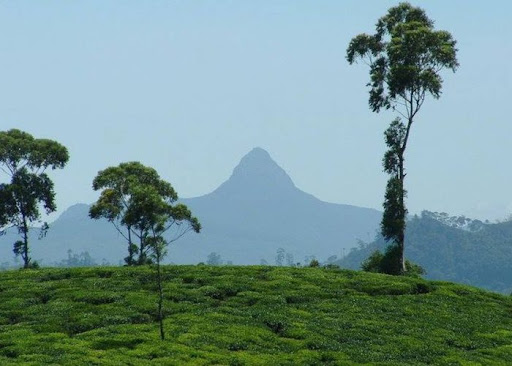
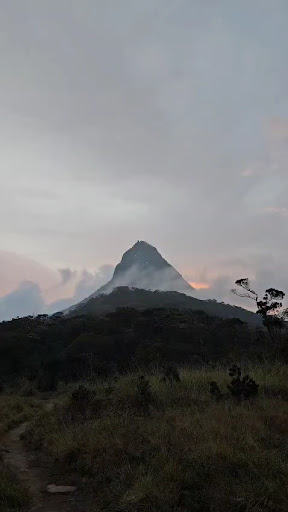
Sripada Peak (Adam’s Peak): At 2,243 meters (7,359 feet) above sea level, Sripada Peak is the highest point in Sri Lanka. The peak is renowned for its unique “sacred footprint” at its summit, which is a focal point of pilgrimage. It is considered a sacred site by followers of Buddhism, Hinduism, Islam, and Christianity, each attributing the footprint to their respective religious figures.

Biodiversity: The sanctuary is rich in biodiversity and encompasses various ecosystems, including montane forests, cloud forests, and grasslands. It is home to a wide range of flora and fauna, including endemic and endangered species. Notable wildlife includes the Sri Lankan leopard, purple-faced langur, and several species of butterflies and birds. The diverse plant life includes many species of ferns, orchids, and endemic trees.

Ecological Significance: The sanctuary plays a crucial role in maintaining the ecological balance of the region. It helps regulate water sources for the surrounding areas and contributes to the conservation of Sri Lanka's unique montane ecosystems. The sanctuary’s diverse habitats support a complex web of life and are essential for the survival of many species.

Trekking and Pilgrimage: Sripada Peak is a major destination for trekking and pilgrimage. The ascent to the peak is a popular journey, with several trails leading to the summit. Pilgrims and hikers often start their climb in the early hours of the morning to reach the top before sunrise, where they can witness the breathtaking views and the famous sunrise. The climb involves a series of steep steps and can take several hours, depending on the route and the pace.

Religious Significance: Sripada Peak is considered a sacred site by multiple religions. Buddhists believe the footprint at the summit belongs to the Buddha, Hindus associate it with Lord Shiva, Muslims believe it is the footprint of Adam, and Christians sometimes link it to Saint Thomas. The peak attracts thousands of pilgrims from different faiths each year.

Climate and Best Time to Visit: The sanctuary experiences a temperate climate with significant rainfall throughout the year. The best time to visit is during the dry season, from December to May, when the weather is more favorable for trekking. The monsoon season, from June to October, can make the trails slippery and challenging.

Conservation and Management: The Sripada Peak Wilderness Sanctuary is managed by the Department of Wildlife Conservation of Sri Lanka. Efforts are made to preserve the sanctuary’s natural environment and biodiversity, as well as to manage tourism to minimize impact on the ecosystem.

Visiting Sripada Peak Wilderness Sanctuary:

Permits: Visitors generally need to obtain permits to enter the sanctuary, which can be arranged through the Department of Wildlife Conservation or authorized tour operators. Guides: Hiring a local guide is recommended for navigating the trails and understanding the ecological and cultural aspects of the area. Preparation: Wear appropriate trekking gear, including sturdy hiking boots and warm clothing, as temperatures can drop at higher elevations. Bring essentials such as water, snacks, rain gear, and a flashlight for early morning or late evening climbs.

Overall, Sripada Peak Wilderness Sanctuary offers a unique combination of natural beauty, ecological importance, and religious significance. It is a compelling destination for trekkers, nature enthusiasts, and those interested in experiencing Sri Lanka’s rich cultural and...

   Read more

avatar
5.0
19w

Sri Pada Kanda, also known internationally as Adam’s Peak, is one of Sri Lanka’s most sacred mountains, located in the central highlands, within the Ratnapura and Nuwara Eliya districts. Rising to a height of 2,243 meters (7,359 feet) above sea level, this iconic conical mountain is revered by multiple religious communities and holds deep spiritual, cultural, and historical significance.

The name Sri Pada means “Sacred Footprint” in Sinhala, referring to the large, foot-shaped impression found at the summit. Buddhists believe this footprint (Sri Pada) is that of the Buddha, left during his visit to the island. Hindus regard it as the footprint of Lord Shiva, while Muslims and Christians identify it as that of Adam, who, according to tradition, first set foot on earth here after being banished from the Garden of Eden. This shared reverence makes the mountain a symbol of religious harmony in Sri Lanka.

The pilgrimage season to Sri Pada traditionally begins on the full moon day of December (Unduvap Poya) and continues until the full moon day of April (Bak Poya). During this period, thousands of pilgrims, including monks, villagers, and foreign visitors, make the climb, often starting at night to witness the spectacular sunrise from the summit. This sunrise, known as the ira sevaya, casts a triangular shadow of the mountain across the surrounding plains—a breathtaking natural phenomenon.

Several routes lead to the top, with the most popular being the Hatton-Nallathanniya path, which is the shortest but steepest. Other routes, such as the Kuruwita-Erathna and Ratnapura-Palabaddala paths, are longer and less crowded. The climb involves thousands of steps, with rest points, tea stalls, and small shrines along the way. At night, the pathways are lit with lamps, adding to the pilgrimage’s magical and devotional atmosphere.

At the summit, apart from the sacred footprint, there is a small shrine where offerings and prayers are made. Pilgrims often ring a bell to mark the number of times they have successfully completed the climb. The panoramic view from the top, especially at dawn, reveals mist-covered valleys, lush forests, and distant mountains, creating a sense of peace and spiritual fulfillment.

Beyond its religious importance, Sri Pada is also recognized for its biodiversity. The mountain and its surrounding forests are part of the Peak Wilderness Sanctuary, home to rare species of flora and fauna, and an important water source for major rivers like the Mahaweli, Kelani, and Walawe.

Sri Pada Kanda thus stands not only as a sacred site of devotion but also as a natural treasure, blending spiritual heritage with breathtaking natural beauty. Its legacy continues to inspire pilgrims and travelers from around the world, symbolizing unity, faith, and the enduring bond between...

   Read more
avatar
5.0
4y

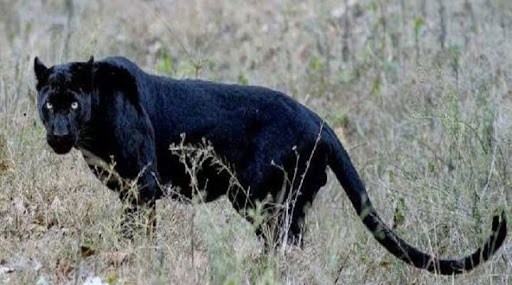
Out of the eight species of panthers living in the world, the sub-species, Sri Lankan Panther is extraordinary due to its very limited population.

The Sri Lankan black panther is believed to have gained it’s unique characteristics due to a colour mutation.The dark-furred leopard that made headlines earlier this week is not of an extinct species as claimed by some but an otherwise ordinary leopard displaying a colour mutation, experts said.

Images of a so called black panther that was captured by a trap camera in the central hills in October last year went viral online yesterday following an announcement of its discovery by the Department of Wildlife (DWC).

The animal is a melanistic colour variant of the Sri Lankan leopard (Panthera pardus kotiya) and not its own species, the Department said today.

DWC Director General M G C Sooriyabandara told EconomyNext that reports claiming the panther is of an extinct species are false.

“It is not a species different from the Sri Lankan leopard. The animal has got black fur due to a colour variation and there is nothing really unusual about it. There were many reports circulating in the media that it’s of an extinct species that’s been rediscovered. This is not true, since [species of the panther genus] have a long lifespan and therefore it is not possible a species to go extinct and be found again within a short period of time,” he said.

“It is not scientifically proven that these panthers had gone extinct,” he added.

Meanwhile in a statement issued yesterday, the Wildlife and Nature Protection Society (WNPS), an organisation engaged in wildlife protection, explained that ‘black panther’ is a misnomer.

“Everyone has heard of a black panther, which in reality, is just a leopard with black background fur, which obscures the cat’s spots. It is not a separate species; in fact, black-furred and spotted cubs can be siblings born of the same litter. Known as melanism, black fur in leopards and domestic cats is the result of a single recessive gene for coat colour, whereas in jaguars it results from a single dominant gene.

“Melanistic or black individuals appear in many if not all species [of wild cats] but do so frequently among leopards, jaguars, margays, ocelots. So the ‘Black Panther’ is a misnomer. It is not a separate species of leopard. It is not a separate subspecies of leopard,” WPNS said.

DWC Director General Sooriyabandara urged the public to not disturb the animal.

“We request the public not to harm the leopard by trying to spot it in the wild, because there is nothing unusual about the animal. It is just like any other animal. Trying to spot it forcefully can disrupt its natural behaviour,” he said....

   Read more
Page 1 of 7
Previous
Next

Posts

SL Tour's CabSL Tour's Cab
Out of the eight species of panthers living in the world, the sub-species, Sri Lankan Panther is extraordinary due to its very limited population. The Sri Lankan black panther is believed to have gained it’s unique characteristics due to a colour mutation.The dark-furred leopard that made headlines earlier this week is not of an extinct species as claimed by some but an otherwise ordinary leopard displaying a colour mutation, experts said. Images of a so called black panther that was captured by a trap camera in the central hills in October last year went viral online yesterday following an announcement of its discovery by the Department of Wildlife (DWC). The animal is a melanistic colour variant of the Sri Lankan leopard (Panthera pardus kotiya) and not its own species, the Department said today. DWC Director General M G C Sooriyabandara told EconomyNext that reports claiming the panther is of an extinct species are false. “It is not a species different from the Sri Lankan leopard. The animal has got black fur due to a colour variation and there is nothing really unusual about it. There were many reports circulating in the media that it’s of an extinct species that’s been rediscovered. This is not true, since [species of the panther genus] have a long lifespan and therefore it is not possible a species to go extinct and be found again within a short period of time,” he said. “It is not scientifically proven that these panthers had gone extinct,” he added. Meanwhile in a statement issued yesterday, the Wildlife and Nature Protection Society (WNPS), an organisation engaged in wildlife protection, explained that ‘black panther’ is a misnomer. “Everyone has heard of a black panther, which in reality, is just a leopard with black background fur, which obscures the cat’s spots. It is not a separate species; in fact, black-furred and spotted cubs can be siblings born of the same litter. Known as melanism, black fur in leopards and domestic cats is the result of a single recessive gene for coat colour, whereas in jaguars it results from a single dominant gene. “Melanistic or black individuals appear in many if not all species [of wild cats] but do so frequently among leopards, jaguars, margays, ocelots. So the ‘Black Panther’ is a misnomer. It is not a separate species of leopard. It is not a separate subspecies of leopard,” WPNS said. DWC Director General Sooriyabandara urged the public to not disturb the animal. “We request the public not to harm the leopard by trying to spot it in the wild, because there is nothing unusual about the animal. It is just like any other animal. Trying to spot it forcefully can disrupt its natural behaviour,” he said. (Colombo/Jan21/2020)
S NKS NK
The Peak Wilderness Sanctuary expands across 22,379 hectares in the wet zone of Sri Lanka and is home to a large extent of mostly intact forests. Declared as a sanctuary in 1940, this eco system provides refuge to a large amount of endemic biodiversity making it one of Sri Lanka’s most important conservation areas. It is also significant as the sanctuary that supports the last remnant wet zone elephant population in the country following its separation from the lowland forests. This separation caused by deforestation has isolated an estimated number of 30 – 50 elephants, a population size that allows the viability of the species, in the mountainous high elevations of the peak wilderness forests. The sanctuary also holds a spiritual and cultural value as all the foot paths to Adams Peak falls across the forests. The journey to Adams Peak is one of the most revered pilgrimages in Sri Lanka and is graced by thousands annually. This strenuous climb begins in the wet evergreen habitat of the sanctuary and ends amidst the montane forests in the region providing a perfect opportunity to observe some of the most unique high altitudinal birds in the bioregion.
Ruwanthi SasankaRuwanthi Sasanka
Very 1st time in Sri Paada Visit. Really nice surrounding with beautiful environment, clear and cool water sources .. There are main 3 ways to get into Uda Maluwa at the top of the Samanala Mountain , they are 1. Hatton Road , 2. Rathnapura Palabaddhala Road , and 3. Kuruwita Erathna Road.. Hatton road is the most popular road among devotees.. People climb this scared mountain samanala to worship Buddha's Left foot print has established there.This is a main place of worship among buddhists.. There are a main season to worship this palce start from May to December in every year..That time period is called as " Sripaa Waaraya" . And also there is a off season called as "Awaree" .. There is no access vehicles to the top of the mountain , only have to walk on foot.. There are so many little shops beside the road that can bought foods and beverages while hiking. And also have lavotary facilities beside the road.. This scard and beautiful place must protect to the future generation, so usage of environment polluters such as polythene and ect must be avoided.. We should protect this beautiful place as much as we can..
See more posts
See more posts
hotel
Find your stay

Pet-friendly Hotels in Sri Lanka

Find a cozy hotel nearby and make it a full experience.

Out of the eight species of panthers living in the world, the sub-species, Sri Lankan Panther is extraordinary due to its very limited population. The Sri Lankan black panther is believed to have gained it’s unique characteristics due to a colour mutation.The dark-furred leopard that made headlines earlier this week is not of an extinct species as claimed by some but an otherwise ordinary leopard displaying a colour mutation, experts said. Images of a so called black panther that was captured by a trap camera in the central hills in October last year went viral online yesterday following an announcement of its discovery by the Department of Wildlife (DWC). The animal is a melanistic colour variant of the Sri Lankan leopard (Panthera pardus kotiya) and not its own species, the Department said today. DWC Director General M G C Sooriyabandara told EconomyNext that reports claiming the panther is of an extinct species are false. “It is not a species different from the Sri Lankan leopard. The animal has got black fur due to a colour variation and there is nothing really unusual about it. There were many reports circulating in the media that it’s of an extinct species that’s been rediscovered. This is not true, since [species of the panther genus] have a long lifespan and therefore it is not possible a species to go extinct and be found again within a short period of time,” he said. “It is not scientifically proven that these panthers had gone extinct,” he added. Meanwhile in a statement issued yesterday, the Wildlife and Nature Protection Society (WNPS), an organisation engaged in wildlife protection, explained that ‘black panther’ is a misnomer. “Everyone has heard of a black panther, which in reality, is just a leopard with black background fur, which obscures the cat’s spots. It is not a separate species; in fact, black-furred and spotted cubs can be siblings born of the same litter. Known as melanism, black fur in leopards and domestic cats is the result of a single recessive gene for coat colour, whereas in jaguars it results from a single dominant gene. “Melanistic or black individuals appear in many if not all species [of wild cats] but do so frequently among leopards, jaguars, margays, ocelots. So the ‘Black Panther’ is a misnomer. It is not a separate species of leopard. It is not a separate subspecies of leopard,” WPNS said. DWC Director General Sooriyabandara urged the public to not disturb the animal. “We request the public not to harm the leopard by trying to spot it in the wild, because there is nothing unusual about the animal. It is just like any other animal. Trying to spot it forcefully can disrupt its natural behaviour,” he said. (Colombo/Jan21/2020)
SL Tour's Cab

SL Tour's Cab

hotel
Find your stay

Affordable Hotels in Sri Lanka

Find a cozy hotel nearby and make it a full experience.

Get the Appoverlay
Get the AppOne tap to find yournext favorite spots!
The Peak Wilderness Sanctuary expands across 22,379 hectares in the wet zone of Sri Lanka and is home to a large extent of mostly intact forests. Declared as a sanctuary in 1940, this eco system provides refuge to a large amount of endemic biodiversity making it one of Sri Lanka’s most important conservation areas. It is also significant as the sanctuary that supports the last remnant wet zone elephant population in the country following its separation from the lowland forests. This separation caused by deforestation has isolated an estimated number of 30 – 50 elephants, a population size that allows the viability of the species, in the mountainous high elevations of the peak wilderness forests. The sanctuary also holds a spiritual and cultural value as all the foot paths to Adams Peak falls across the forests. The journey to Adams Peak is one of the most revered pilgrimages in Sri Lanka and is graced by thousands annually. This strenuous climb begins in the wet evergreen habitat of the sanctuary and ends amidst the montane forests in the region providing a perfect opportunity to observe some of the most unique high altitudinal birds in the bioregion.
S NK

S NK

hotel
Find your stay

The Coolest Hotels You Haven't Heard Of (Yet)

Find a cozy hotel nearby and make it a full experience.

hotel
Find your stay

Trending Stays Worth the Hype in Sri Lanka

Find a cozy hotel nearby and make it a full experience.

Very 1st time in Sri Paada Visit. Really nice surrounding with beautiful environment, clear and cool water sources .. There are main 3 ways to get into Uda Maluwa at the top of the Samanala Mountain , they are 1. Hatton Road , 2. Rathnapura Palabaddhala Road , and 3. Kuruwita Erathna Road.. Hatton road is the most popular road among devotees.. People climb this scared mountain samanala to worship Buddha's Left foot print has established there.This is a main place of worship among buddhists.. There are a main season to worship this palce start from May to December in every year..That time period is called as " Sripaa Waaraya" . And also there is a off season called as "Awaree" .. There is no access vehicles to the top of the mountain , only have to walk on foot.. There are so many little shops beside the road that can bought foods and beverages while hiking. And also have lavotary facilities beside the road.. This scard and beautiful place must protect to the future generation, so usage of environment polluters such as polythene and ect must be avoided.. We should protect this beautiful place as much as we can..
Ruwanthi Sasanka

Ruwanthi Sasanka

See more posts
See more posts