HTML SitemapExplore
logo
Find Things to DoFind The Best Restaurants

Wasgamuwa National Park — Attraction in Sri Lanka

Name
Wasgamuwa National Park
Description
Nearby attractions
Nearby restaurants
Nearby hotels
Related posts
Keywords
Wasgamuwa National Park tourism.Wasgamuwa National Park hotels.Wasgamuwa National Park bed and breakfast. flights to Wasgamuwa National Park.Wasgamuwa National Park attractions.Wasgamuwa National Park restaurants.Wasgamuwa National Park travel.Wasgamuwa National Park travel guide.Wasgamuwa National Park travel blog.Wasgamuwa National Park pictures.Wasgamuwa National Park photos.Wasgamuwa National Park travel tips.Wasgamuwa National Park maps.Wasgamuwa National Park things to do.
Wasgamuwa National Park things to do, attractions, restaurants, events info and trip planning
Wasgamuwa National Park
Sri LankaNorth Central ProvinceSri LankaWasgamuwa National Park

Basic Info

Wasgamuwa National Park

QW3C+78R, Nuwaragala, Sri Lanka
4.5(517)
Open 24 hours
Save
spot

Ratings & Description

Info

Outdoor
Adventure
Scenic
Family friendly
Off the beaten path
attractions: , restaurants:
logoLearn more insights from Wanderboat AI.
Phone
+94 663 669 046
Website
dwc.gov.lk

Plan your stay

hotel
Pet-friendly Hotels in Sri Lanka
Find a cozy hotel nearby and make it a full experience.
hotel
Affordable Hotels in Sri Lanka
Find a cozy hotel nearby and make it a full experience.
hotel
The Coolest Hotels You Haven't Heard Of (Yet)
Find a cozy hotel nearby and make it a full experience.
hotel
Trending Stays Worth the Hype in Sri Lanka
Find a cozy hotel nearby and make it a full experience.

Reviews

Things to do nearby

Discover Disneys Monkey Kingdom
Sat, Dec 6 • 5:30 AM
Polonnaruwa, North Central Province 5100, Sri Lanka
View details
Locate rare loris under the stars
Sat, Dec 6 • 6:00 PM
Polonnaruwa, North Central Province 51000, Sri Lanka
View details
Get the Appoverlay
Get the AppOne tap to find yournext favorite spots!
Wanderboat LogoWanderboat

Your everyday Al companion for getaway ideas

CompanyAbout Us
InformationAI Trip PlannerSitemap
SocialXInstagramTiktokLinkedin
LegalTerms of ServicePrivacy Policy

Get the app

© 2025 Wanderboat. All rights reserved.
logo

Reviews of Wasgamuwa National Park

4.5
(517)
avatar
5.0
2y

Wasgamuwa National Park (Wasgomuwa) is located in the districts of Matale and Polonnaruwa at a distance of 225 km away from Colombo. The nearest large town is Polonnaruwa, 10 km from the northern boundary.

Reaching Wasgamuwa National Park (Wasgomuwa)

The entrance to Wasgamuwa National Park is at Handungamuwa. The park can be conveniently reached from several tourist attractions.

From Kandy: Kandy, Hasalaka and Hettipola.Approximately 50km northeast of Kandy.Turn off at Hasalaka on the Kandy-Mahiyangana road and proceed via Wilgamuwa upto Wasgamuwa. Visitors from Matale and Polonnaruwa areas can reach Wasgomuwa via Laggala and Wilgamuwa. The Wilgamuwa Japan Bridge provides the easy access to visitors coming from the Mahaweli system-C. From Dambulla and Polonnaruwa ancient cities, through Bakamuna, Elahera and Laggala – Pallegama

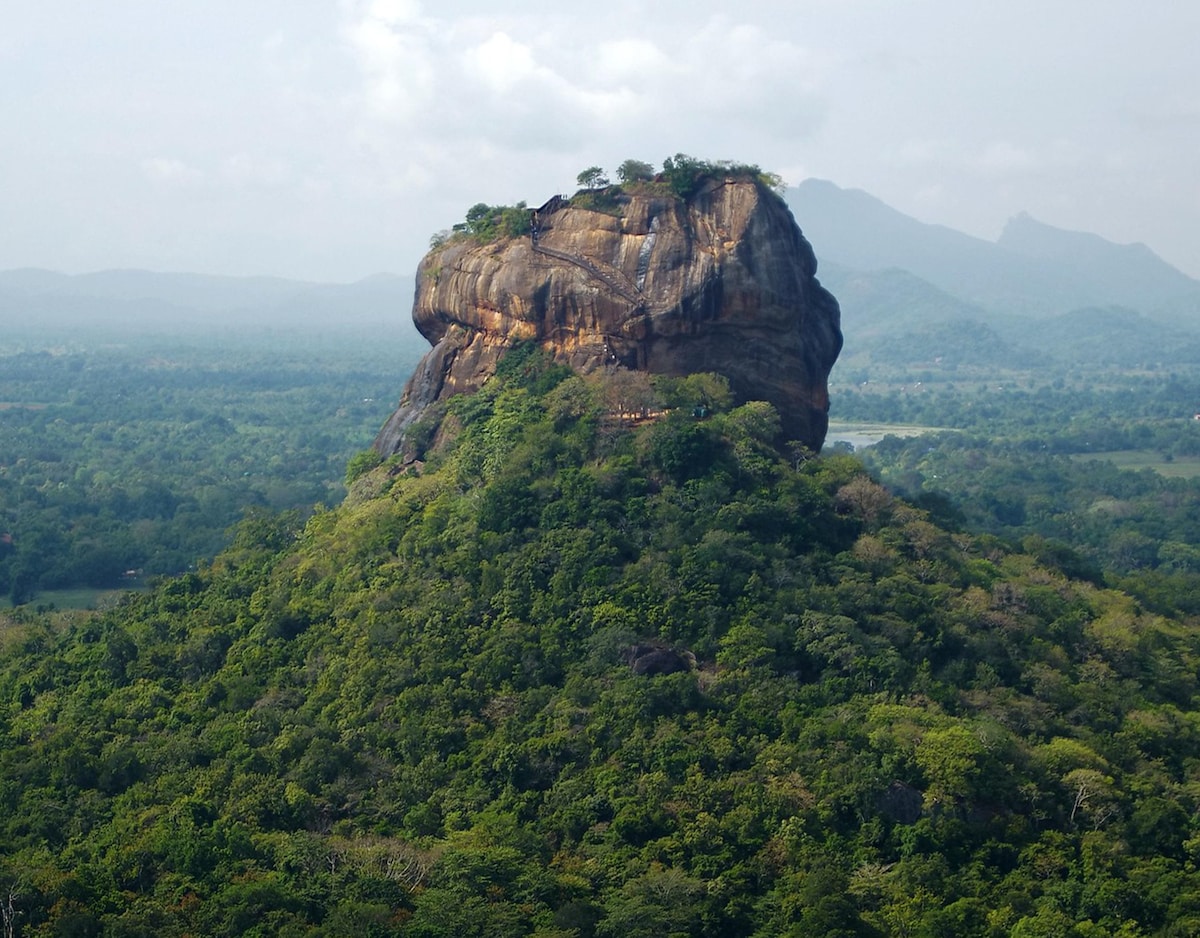
Wasgamuwa National Park (Wasgomuwa) spanning over 36,900 hectares is bordered by River Mahaweli Ganga and River Amban Ganga in east and west. The altitude varies from over 500m at the Sudu kanda hill to just 76m along the Mahaweli Ganga. The combination of a number of small reservoirs and Sudu kanda mountain range affords fine trekking opportunities for keen hikers.

Tropical dry mixed evergreen forest predominates, characterized by tall trees: Weera (Drypetes sepiaria), Palu (Manikkara hexandra), Wa (Cassia roxburghii) Ehala (C. Fistula), Buruta (Satin), Chloroxylon Swietenia, Velang (Pterospermum canescens), the endemic Galsiyambala (Dialium ovoideum), Milla (Vitaex Pinanata) and Kaluwara (ebony) (Diospyros Ebenum).

Wasgamuwa National Park’s (Wasgomuwa) climatic conditions are that of the dry zone. Rain fall is mainly with the northeast monsoon (Maha) in October-February. Inter-monsoon rains occur in March-May. Annual rainfall increases from about 1,750 mm in the north to 2,250 mm in the south. Mean annual temperature is around 27 centigrade.

Wildlife at Wasgamuwa National Park

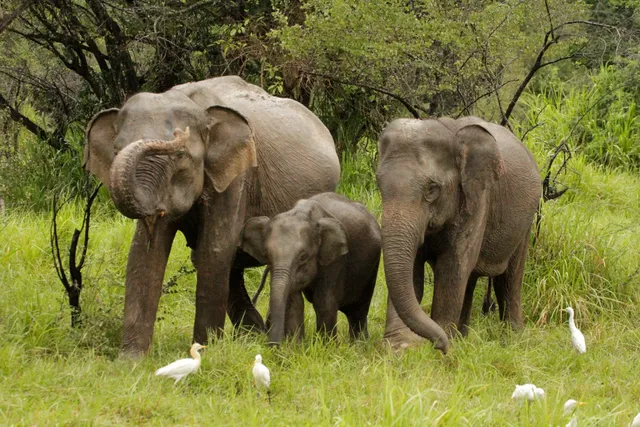
The center of the attraction is herds of elephants up to 150. The best time to enjoy the sight of large herds is during November to May. In the rest of the year the elephants tend to migrate to nearby Minneriya and Kaudulla national Parks.

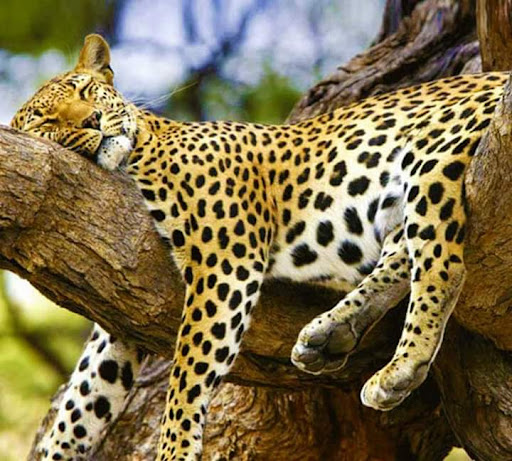
Other wildlife includes Purple faced langur monkeys, wild boar, sambar and spotted deer, buffalo and rarely sighted leopards and sloth bears.Among the reptiles are water monitor, mugger crocodile, estuarine crocodile and python (Python Molurus).

Birdlife at Wasgamuwa National Park

Of the 143 species of birds reported at Wasgamuwa National Park (Wasgomuwa) are endemic Red-faced malkoha and Ceylon jungle fowl are common sight in the park. Among the bird populations are Sri Lanka Trogon, racquet tailed drongo, endemic yellow fronted barbet, endemic Sri Lanka spurfowl, white necked stork and lesser adjutant stork.

Ruins of ancient Buddhist temple at Buduruwayaya

Remains of a number of small rainwater reservoirs and ruins of temples reveal that the region of Wasgamuwa National Park (Wasgomuwa), was once home to prosperous villages. The ruins estimated to be about 1800 years old features a reclining Buddha statue at Buduruwayaya. Ruins of a palace with stone pillars are found in an island in a canal known as Kalinga Yoda Ela built by King Parakrambahu the great in the twelfth century.

Accomodation within the Wasgamuwa National Park

Within Wasgamuwa National Park (Wasgomuwa) are three wildlife bungalows at Kadurupitiya, Mahaweli and Wawul Ebe. And outside of the park are two villas: Gale Bugalow and Angammedille. Within the park are five campsites: Mahaweli Ganga 1 & 2, Medapitiya, Ulpath Hatha...

   Read more
avatar
5.0
2y

Nestled amidst the lush landscapes of Sri Lanka, Wasgamuwa National Park stands as a sanctuary of untamed beauty and breathtaking wonders. Enveloped by the enchanting Central Province, this magnificent haven serves as a testament to the country's rich biodiversity and offers a truly mesmerizing experience for nature enthusiasts and adventure seekers alike.

As the sun casts its golden hues upon the park, a tapestry of colors comes alive. Vast stretches of pristine wilderness unfold before your eyes, adorned with dense forests, grasslands, and shimmering lakes that reflect the cerulean sky above. The air is infused with an alluring blend of scents, a harmonious symphony of wildflowers, aromatic herbs, and ancient trees standing tall as guardians of the land.

Embark on an unforgettable safari, traversing the rugged terrains that wind through Wasgamuwa National Park. With every step, anticipation grows, as the wild inhabitants of this realm reveal themselves in all their splendor. Majestic elephants, the gentle giants of the park, gracefully roam the verdant landscape, their mighty presence a testament to the harmony between man and nature.

Venture deeper into the heart of the park, and you'll be rewarded with glimpses of elusive leopards, their rosette-marked coats blending seamlessly with the dappled sunlight filtering through the canopy. Look skyward, and you might witness the graceful dance of eagles soaring above, while mischievous monkeys chatter among the treetops, their acrobatic displays a testament to their playful spirit.

Amidst the silence, the chorus of the wilderness comes alive. The harmonious symphony of birdsong fills the air, as a myriad of avian species find solace in this natural paradise. Vibrant kingfishers, resplendent peacocks, and curious hornbills decorate the landscape, their vibrant plumage contrasting against the lush greenery.

As the day surrenders to twilight, the magic of Wasgamuwa National Park takes on a new dimension. Witness the celestial theater as the skies become a tapestry of stars, twinkling above the silhouettes of ancient trees. The nocturnal inhabitants emerge from their slumber, as elusive leopards prowl silently through the shadows, and owls serenade the night with their haunting melodies.

Beyond its scenic allure, Wasgamuwa National Park carries a profound cultural significance. Echoes of ancient civilizations reverberate through the land, as remnants of ancient settlements and archaeological sites tell stories of a bygone era. Immerse yourself in the tales of the past, and let the spirit of history envelop you as you explore this timeless realm.

Wasgamuwa National Park, a haven where nature and history entwine, invites you to surrender to its enchantment. Lose yourself in its pristine landscapes, where every moment is an opportunity for discovery and wonder. With every visit, you will leave with a deeper appreciation for the delicate balance that exists between humanity and the untamed wilderness that thrives within this jewel...

   Read more
avatar
4.0
1y

Wasgamuwa National Park: A Haven for Sri Lanka's Wildlife

Wasgamuwa National Park, situated in the Matale and Polonnaruwa Districts of Sri Lanka, is a sanctuary of biodiversity and natural beauty. Spanning over 36,900 hectares, it stands as a testament to the country's commitment to preserving its wildlife and ecosystems.

One of the defining features of Wasgamuwa is its diverse array of wildlife. The park is home to a vast population of elephants, making it one of the best places in Sri Lanka to observe these majestic creatures in their natural habitat. Visitors are often treated to the sight of herds of elephants bathing in the park's numerous watering holes, creating a spectacle that is both mesmerizing and humbling.

In addition to elephants, Wasgamuwa is teeming with other fascinating species. The park is a haven for numerous bird species, making it a paradise for birdwatchers. From colorful kingfishers to majestic eagles, the park offers a birding experience like no other. Mammals such as leopards, sloth bears, sambar deer, and water buffalo also call Wasgamuwa home, adding to the park's rich biodiversity.

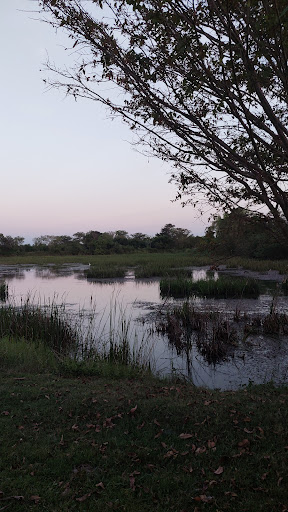
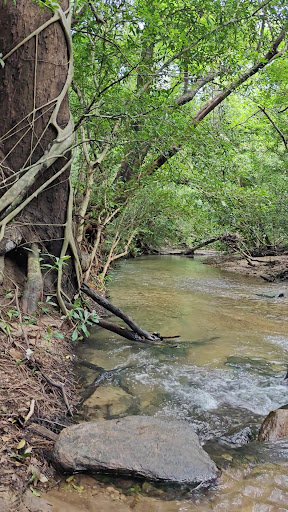
The landscape of Wasgamuwa is as diverse as its wildlife. Lush forests, grasslands, and wetlands intermingle to create a stunning backdrop for the park's inhabitants. The Mahaweli River, which runs along the park's boundary, not only provides a vital water source but also adds to the park's scenic beauty.

Beyond its natural wonders, Wasgamuwa holds cultural significance as well. The park is dotted with ancient ruins, including the ruins of the Malagamuwa and Wilmitiya villages, offering a glimpse into the region's history. These archaeological sites, along with the park's natural beauty, have earned Wasgamuwa recognition as a UNESCO World Heritage Site.

Visitors to Wasgamuwa National Park have the opportunity to engage in a variety of activities. Jeep safaris are a popular choice, allowing visitors to explore the park's depths and witness its wildlife up close. Nature walks and birdwatching tours are also available, led by experienced guides who provide insight into the park's ecology and history.

In conclusion, Wasgamuwa National Park stands as a treasure trove of biodiversity and natural wonders in Sri Lanka. From its diverse wildlife to its breathtaking landscapes, the park offers a glimpse into the beauty and richness of the country's natural heritage. Whether you're a wildlife enthusiast, a nature lover, or a history buff, a visit to Wasgamuwa is sure to leave a...

   Read more
Page 1 of 7
Previous
Next

Posts

Shalitha WeerasinghaShalitha Weerasingha
**Wasgamuwa National Park: A Haven for Sri Lanka's Wildlife** Wasgamuwa National Park, situated in the Matale and Polonnaruwa Districts of Sri Lanka, is a sanctuary of biodiversity and natural beauty. Spanning over 36,900 hectares, it stands as a testament to the country's commitment to preserving its wildlife and ecosystems. One of the defining features of Wasgamuwa is its diverse array of wildlife. The park is home to a vast population of elephants, making it one of the best places in Sri Lanka to observe these majestic creatures in their natural habitat. Visitors are often treated to the sight of herds of elephants bathing in the park's numerous watering holes, creating a spectacle that is both mesmerizing and humbling. In addition to elephants, Wasgamuwa is teeming with other fascinating species. The park is a haven for numerous bird species, making it a paradise for birdwatchers. From colorful kingfishers to majestic eagles, the park offers a birding experience like no other. Mammals such as leopards, sloth bears, sambar deer, and water buffalo also call Wasgamuwa home, adding to the park's rich biodiversity. The landscape of Wasgamuwa is as diverse as its wildlife. Lush forests, grasslands, and wetlands intermingle to create a stunning backdrop for the park's inhabitants. The Mahaweli River, which runs along the park's boundary, not only provides a vital water source but also adds to the park's scenic beauty. Beyond its natural wonders, Wasgamuwa holds cultural significance as well. The park is dotted with ancient ruins, including the ruins of the Malagamuwa and Wilmitiya villages, offering a glimpse into the region's history. These archaeological sites, along with the park's natural beauty, have earned Wasgamuwa recognition as a UNESCO World Heritage Site. Visitors to Wasgamuwa National Park have the opportunity to engage in a variety of activities. Jeep safaris are a popular choice, allowing visitors to explore the park's depths and witness its wildlife up close. Nature walks and birdwatching tours are also available, led by experienced guides who provide insight into the park's ecology and history. In conclusion, Wasgamuwa National Park stands as a treasure trove of biodiversity and natural wonders in Sri Lanka. From its diverse wildlife to its breathtaking landscapes, the park offers a glimpse into the beauty and richness of the country's natural heritage. Whether you're a wildlife enthusiast, a nature lover, or a history buff, a visit to Wasgamuwa is sure to leave a lasting impression.
Roshan Kalpa TharangaRoshan Kalpa Tharanga
Wasgamuwa National Park (Wasgomuwa) spanning over 36,900 hectares is bordered by River Mahaweli Ganga and River Amban Ganga in east and west. The altitude varies from over 500m at the Sudu kanda hill to just 76m along the Mahaweli Ganga. The combination of a number of small reservoirs and Sudu kanda mountain range affords fine trekking opportunities for keen hikers. Tropical dry mixed evergreen forest predominates, characterized by tall trees: Weera (Drypetes sepiaria), Palu (Manikkara hexandra), Wa (Cassia roxburghii) Ehala (C. Fistula), Buruta (Satin), Chloroxylon Swietenia, Velang (Pterospermum canescens), the endemic Galsiyambala (Dialium ovoideum), Milla (Vitaex Pinanata) and Kaluwara (ebony) (Diospyros Ebenum). Wasgamuwa National Park’s (Wasgomuwa) climatic conditions are that of the dry zone. Rain fall is mainly with the northeast monsoon (Maha) in October-February. Inter-monsoon rains occur in March-May. Annual rainfall increases from about 1,750 mm in the north to 2,250 mm in the south. Mean annual temperature is around 27 centigrade. The center of the attraction is herds of elephants up to 150. The best time to enjoy the sight of large herds is during November to May. In the rest of the year the elephants tend to migrate to nearby Minneriya and Kaudulla national Parks. Other wildlife includes Purple faced langur monkeys, wild boar, sambar and spotted deer, buffalo and rarely sighted leopards and sloth bears.Among the reptiles are water monitor, mugger crocodile, estuarine crocodile and python (Python Molurus). Of the 143 species of birds reported at Wasgamuwa National Park (Wasgomuwa) are endemic Red-faced malkoha and Ceylon jungle fowl are common sight in the park. Among the bird populations are Sri Lanka Trogon, racquet tailed drongo, endemic yellow fronted barbet, endemic Sri Lanka spurfowl, white necked stork and lesser adjutant stork. Remains of a number of small rainwater reservoirs and ruins of temples reveal that the region of Wasgamuwa National Park (Wasgomuwa), was once home to prosperous villages. The ruins estimated to be about 1800 years old features a reclining Buddha statue at Buduruwayaya. Ruins of a palace with stone pillars are found in an island in a canal known as Kalinga Yoda Ela built by King Parakrambahu the great in the twelfth century.
Shaluka DulajShaluka Dulaj
The Park which was originally a nature reserve was elevated to the status of a National Park in 1984 with the objective of providing a safe refuge for the wildlife displaced as a result of the Mahaweli Development Project. The Park reverberates with a rich past by way of the Malagamuwa, Wilmitiya, Dasthota irrigation tanks and the Kalinga Yoda Ela (Canal) built by Parakramabahu 1, which still remains to be seen within the park. Also found here is the “Yudangana Pitiya” acknowledged as the battleground where the battle between King Elara and King Dutugemunu had taken place and the ruins of the Chulangani Chaitya (Pagoda) built by King Mahanage. The Wasgamuwa National Park with its dry zone habitat made up of both dry and primary and secondary riverine forests and grasslands is very popular for the sighting of large herds of Elephants, sometimes as high as 150 in each herd. The best time to enjoy the sighting of Elephants is between November and May each year as they tend to migrate to nearby national parks during the dry seasons.. ~Copied~
See more posts
See more posts
hotel
Find your stay

Pet-friendly Hotels in Sri Lanka

Find a cozy hotel nearby and make it a full experience.

**Wasgamuwa National Park: A Haven for Sri Lanka's Wildlife** Wasgamuwa National Park, situated in the Matale and Polonnaruwa Districts of Sri Lanka, is a sanctuary of biodiversity and natural beauty. Spanning over 36,900 hectares, it stands as a testament to the country's commitment to preserving its wildlife and ecosystems. One of the defining features of Wasgamuwa is its diverse array of wildlife. The park is home to a vast population of elephants, making it one of the best places in Sri Lanka to observe these majestic creatures in their natural habitat. Visitors are often treated to the sight of herds of elephants bathing in the park's numerous watering holes, creating a spectacle that is both mesmerizing and humbling. In addition to elephants, Wasgamuwa is teeming with other fascinating species. The park is a haven for numerous bird species, making it a paradise for birdwatchers. From colorful kingfishers to majestic eagles, the park offers a birding experience like no other. Mammals such as leopards, sloth bears, sambar deer, and water buffalo also call Wasgamuwa home, adding to the park's rich biodiversity. The landscape of Wasgamuwa is as diverse as its wildlife. Lush forests, grasslands, and wetlands intermingle to create a stunning backdrop for the park's inhabitants. The Mahaweli River, which runs along the park's boundary, not only provides a vital water source but also adds to the park's scenic beauty. Beyond its natural wonders, Wasgamuwa holds cultural significance as well. The park is dotted with ancient ruins, including the ruins of the Malagamuwa and Wilmitiya villages, offering a glimpse into the region's history. These archaeological sites, along with the park's natural beauty, have earned Wasgamuwa recognition as a UNESCO World Heritage Site. Visitors to Wasgamuwa National Park have the opportunity to engage in a variety of activities. Jeep safaris are a popular choice, allowing visitors to explore the park's depths and witness its wildlife up close. Nature walks and birdwatching tours are also available, led by experienced guides who provide insight into the park's ecology and history. In conclusion, Wasgamuwa National Park stands as a treasure trove of biodiversity and natural wonders in Sri Lanka. From its diverse wildlife to its breathtaking landscapes, the park offers a glimpse into the beauty and richness of the country's natural heritage. Whether you're a wildlife enthusiast, a nature lover, or a history buff, a visit to Wasgamuwa is sure to leave a lasting impression.
Shalitha Weerasingha

Shalitha Weerasingha

hotel
Find your stay

Affordable Hotels in Sri Lanka

Find a cozy hotel nearby and make it a full experience.

Get the Appoverlay
Get the AppOne tap to find yournext favorite spots!
Wasgamuwa National Park (Wasgomuwa) spanning over 36,900 hectares is bordered by River Mahaweli Ganga and River Amban Ganga in east and west. The altitude varies from over 500m at the Sudu kanda hill to just 76m along the Mahaweli Ganga. The combination of a number of small reservoirs and Sudu kanda mountain range affords fine trekking opportunities for keen hikers. Tropical dry mixed evergreen forest predominates, characterized by tall trees: Weera (Drypetes sepiaria), Palu (Manikkara hexandra), Wa (Cassia roxburghii) Ehala (C. Fistula), Buruta (Satin), Chloroxylon Swietenia, Velang (Pterospermum canescens), the endemic Galsiyambala (Dialium ovoideum), Milla (Vitaex Pinanata) and Kaluwara (ebony) (Diospyros Ebenum). Wasgamuwa National Park’s (Wasgomuwa) climatic conditions are that of the dry zone. Rain fall is mainly with the northeast monsoon (Maha) in October-February. Inter-monsoon rains occur in March-May. Annual rainfall increases from about 1,750 mm in the north to 2,250 mm in the south. Mean annual temperature is around 27 centigrade. The center of the attraction is herds of elephants up to 150. The best time to enjoy the sight of large herds is during November to May. In the rest of the year the elephants tend to migrate to nearby Minneriya and Kaudulla national Parks. Other wildlife includes Purple faced langur monkeys, wild boar, sambar and spotted deer, buffalo and rarely sighted leopards and sloth bears.Among the reptiles are water monitor, mugger crocodile, estuarine crocodile and python (Python Molurus). Of the 143 species of birds reported at Wasgamuwa National Park (Wasgomuwa) are endemic Red-faced malkoha and Ceylon jungle fowl are common sight in the park. Among the bird populations are Sri Lanka Trogon, racquet tailed drongo, endemic yellow fronted barbet, endemic Sri Lanka spurfowl, white necked stork and lesser adjutant stork. Remains of a number of small rainwater reservoirs and ruins of temples reveal that the region of Wasgamuwa National Park (Wasgomuwa), was once home to prosperous villages. The ruins estimated to be about 1800 years old features a reclining Buddha statue at Buduruwayaya. Ruins of a palace with stone pillars are found in an island in a canal known as Kalinga Yoda Ela built by King Parakrambahu the great in the twelfth century.
Roshan Kalpa Tharanga

Roshan Kalpa Tharanga

hotel
Find your stay

The Coolest Hotels You Haven't Heard Of (Yet)

Find a cozy hotel nearby and make it a full experience.

hotel
Find your stay

Trending Stays Worth the Hype in Sri Lanka

Find a cozy hotel nearby and make it a full experience.

The Park which was originally a nature reserve was elevated to the status of a National Park in 1984 with the objective of providing a safe refuge for the wildlife displaced as a result of the Mahaweli Development Project. The Park reverberates with a rich past by way of the Malagamuwa, Wilmitiya, Dasthota irrigation tanks and the Kalinga Yoda Ela (Canal) built by Parakramabahu 1, which still remains to be seen within the park. Also found here is the “Yudangana Pitiya” acknowledged as the battleground where the battle between King Elara and King Dutugemunu had taken place and the ruins of the Chulangani Chaitya (Pagoda) built by King Mahanage. The Wasgamuwa National Park with its dry zone habitat made up of both dry and primary and secondary riverine forests and grasslands is very popular for the sighting of large herds of Elephants, sometimes as high as 150 in each herd. The best time to enjoy the sighting of Elephants is between November and May each year as they tend to migrate to nearby national parks during the dry seasons.. ~Copied~
Shaluka Dulaj

Shaluka Dulaj

See more posts
See more posts