HTML SitemapExplore
logo
Find Things to DoFind The Best Restaurants

Kande Vihara Temple — Attraction in Western Province

Name
Kande Vihara Temple
Description
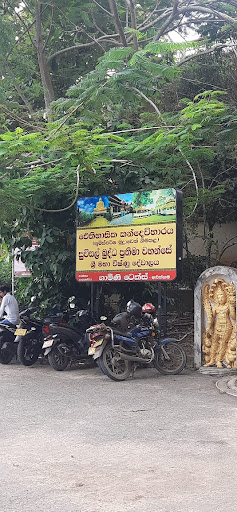
Kande Vihara is a major Buddhist temple in Kalutara District, Sri Lanka. The temple has got its name 'Kande vihara' as it is built on top of a hill located near to Aluthgama town. The temple has been formally recognised by the Government as an archaeological site in Sri Lanka.
Nearby attractions
Nearby restaurants
Nearby hotels
White Bridge House & Resort
C2W2+95X, Sripathi Road, Kaluwamodara, Dharga Town, Sri Lanka
Lotus Residence Sri Lanka
41 Devala Rd, Aluthgama 12080, Sri Lanka
Methira Villa
245/1 Mullapitiya Rd, Kaluwamodara 12080, Sri Lanka
Villa Desire
Mullapitiya Rd, Beruwala, Sri Lanka
Hotel Blue Sapphire
Dewala Road, 74, Aluthgama, Sri Lanka
Villa 4U
Dewala Road, Kaluwamodara, Aluthgama 12080, Sri Lanka
Bliss Villa Bentota
Kandavihara Road, Kaluwamodara, Aluthgama 12080, Sri Lanka
Teak Villa
CXRW+V8M, Seelananda Rd, Aluthgama, Sri Lanka
Related posts
Keywords
Kande Vihara Temple tourism.Kande Vihara Temple hotels.Kande Vihara Temple bed and breakfast. flights to Kande Vihara Temple.Kande Vihara Temple attractions.Kande Vihara Temple restaurants.Kande Vihara Temple travel.Kande Vihara Temple travel guide.Kande Vihara Temple travel blog.Kande Vihara Temple pictures.Kande Vihara Temple photos.Kande Vihara Temple travel tips.Kande Vihara Temple maps.Kande Vihara Temple things to do.
Kande Vihara Temple things to do, attractions, restaurants, events info and trip planning
Kande Vihara Temple
Sri LankaWestern ProvinceKande Vihara Temple

Basic Info

Kande Vihara Temple

C2X2+P87, Kandavihara Yati Rd, Beruwala, Sri Lanka
4.7(2.1K)
Open until 7:30 PM
Save
spot

Ratings & Description

Info

Kande Vihara is a major Buddhist temple in Kalutara District, Sri Lanka. The temple has got its name 'Kande vihara' as it is built on top of a hill located near to Aluthgama town. The temple has been formally recognised by the Government as an archaeological site in Sri Lanka.

Cultural
Family friendly
attractions: , restaurants:
logoLearn more insights from Wanderboat AI.
Phone
+94 342 274 453
Open hoursSee all hours
Mon4:30 AM - 7:30 PMOpen

Plan your stay

hotel
Pet-friendly Hotels in Western Province
Find a cozy hotel nearby and make it a full experience.
hotel
Affordable Hotels in Western Province
Find a cozy hotel nearby and make it a full experience.
hotel
The Coolest Hotels You Haven't Heard Of (Yet)
Find a cozy hotel nearby and make it a full experience.
hotel
Trending Stays Worth the Hype in Western Province
Find a cozy hotel nearby and make it a full experience.

Reviews

Things to do nearby

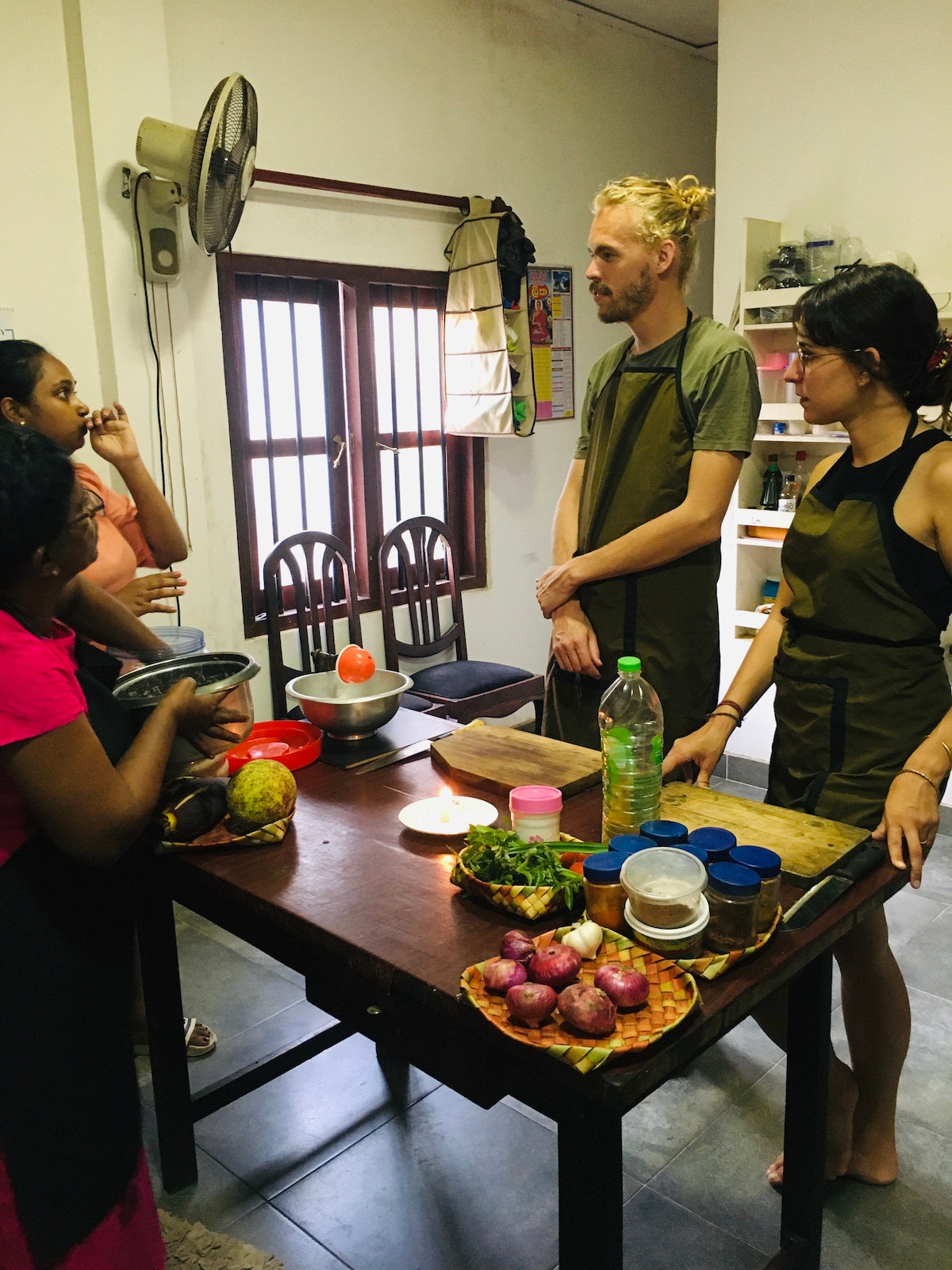
Cook and enjoy Sri Lankan dishes
Mon, Dec 8 • 6:30 PM
Balapitiya, Southern Province 80550, Sri Lanka
View details
Get the Appoverlay
Get the AppOne tap to find yournext favorite spots!
Wanderboat LogoWanderboat

Your everyday Al companion for getaway ideas

CompanyAbout Us
InformationAI Trip PlannerSitemap
SocialXInstagramTiktokLinkedin
LegalTerms of ServicePrivacy Policy

Get the app

© 2025 Wanderboat. All rights reserved.
logo

Reviews of Kande Vihara Temple

4.7
(2,128)
avatar
4.0
7y

This historical Khettarama Kande Vihare has enriched its importance with the presence of the Stupa, Bo Tree, Relic Chamber, Image House, Sri Vishnu Maha Devala and the four Maha Devalas including Kataragama Devale. Outside the vihara premises, the ancient Bo Tree, Sri Saranatissa Memorial Dhamma Hall and the Poya See-ma meant for Vinaya Kamma are situated.

Relic chamber here is supposed to be oldest building is the temple premises. At the entrance to the chamber there is a moonstone on the ground and a door frame made of stone. The relic casket has been placed inside the inner chamber. Ceiling and the walls have been decorated with paintings belonging to the latter part of the Kandyan period.

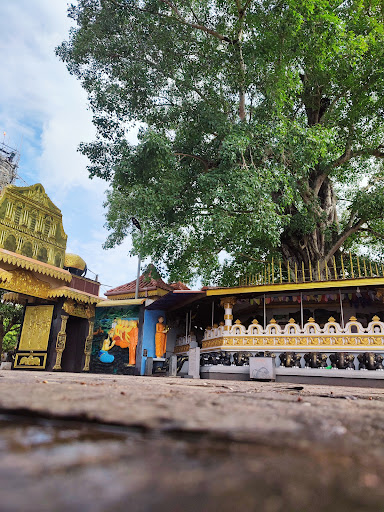
The Bo tree has a history going back to more than 300 years. In 1980s wall has been erected in the shape of a square enclosing the Bo tree. Recently, the present chief incumbent Thero erected an octagonal wall in place of the earlier square size wall. Sculptures for depicting the events relating to the bringing of the Branch of Sri Maha Bodhi to Sri Lanka are found inside the cells of the wall.

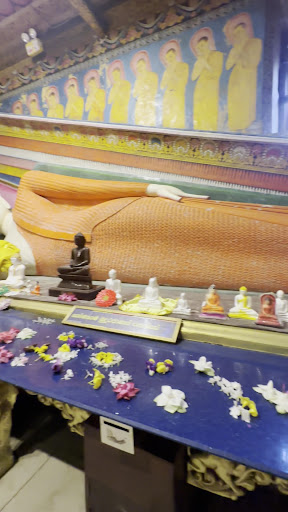
The gigantic Buddha Statue The image house looks attractive with floral designs and creeper designs together with three arch shaped entrances and a magnetic looking Thorana. The image house had been erected in 1731 with an inner chamber and an outer chamber. Inside the inner chamber there are Buddha images in the standing, seated and sleeping postures. Figures of Sravaka Theros have also been painted. On the doors of the inner chamber artistic items known as Nava Nari Kungara, Sapta Nari Kesara, Nava Nari Vrishabha, and Saptha Nari Thuranga have been drawn while the ceiling and the walls of the outer chamber have been decorated with various types of mural paintings.

On the left the outer chamber of the image house the stands aware for some Deva Mandira Builts in the name of God Vishnu respected and venerated by Sri Lankan as well as foreign devotees. It is an age old custom of devotees to pay homage to Buddha first and transfer merit to God Vishnu thereafter with the hope of receiving blessings. On the left of the outer chamber events pertaining to Vijayas arrival have been painted. Kataragama Devala and the four Mahha Devalas have been located close to the image house.

Outside the vihara premises there is the Seema Malaka Where Vinaya Kamma are performed. Outside the Vihara is the Bo Tree surrounded by the lotus petalled wall the Bo Tree has many legends behind it and it is an object of long history. The Buddha images place on lotus petal around the Bo Tree created a very fascinating and spectacular scene.

Adjoining the Bo Tree, there is a five storied building on the top of which we can see another relic chamber inside the floor below it a museum with antiquities ancient books and various other items are on display for public view inside the next lower floor the Sri Saranatissa Memorial Library has been housed. Numerous valuable books are available in this library. It has been planned to built academic research by Venerable Batuwanhene Buddharakkitha Nayaka Thero and Yatadolawatte Ariyawansa Thero.

On the other side of the Bo Tree decorated with lotus petals there is the Saranatyissa Dhamma Hall wherein classes of Kshetharama Maha Pirivena are held. There Pirivena being an educational institution of high reputation for the last several hundred years renders even at present invaluable service to the nation. Founded in 1904 the Pirivena is headed by Venerable Yatadolawatte...

   Read more

avatar
5.0
1y

Historical palce in Sri Lanka. Kande Vihara (කන්දේ විහාරය) is a major Buddhist temple in Kalutara District, Sri Lanka. The temple has got its name 'Kande vihara' (Mountain temple) as it is built on top of a hill located near to Aluthgama town. The temple has been formally recognised by the Government as an archaeological site in Sri Lanka.

The temple was founded by Karapagala Dewamitta Thero in 1734,under the guidance of Udugama Chandrasara thero who was then chief incumbent of Galapatha Raja Maha Vihara and a pupil of Weliwita Sri Saranankara Thero. Since then the temple was renovated and developed time to time under state patronage that lead the temple to become a major Buddhist shrine in the country. In 1904 the Kshethrarama Pirivena, an educational institution for monks, was attached to the temple as a result of the efforts done by Hikkaduwe Sri Sumangala Thero. The pirivena acts as a center for Buddhist education in the country, is also conducted by the Kande Vihara.

The image house, Stupa and the sacred Bodhi tree with its enclosing octagonal shaped wall are considered as very old monuments in the temple. The Bodhi tree is believed to be more than 300 years old. The large Stupa of the temple which was erected in 1935, has been constructed as enclosing a small sized Stupa, constructed by Udugama Chandrasara Thero in 1783.

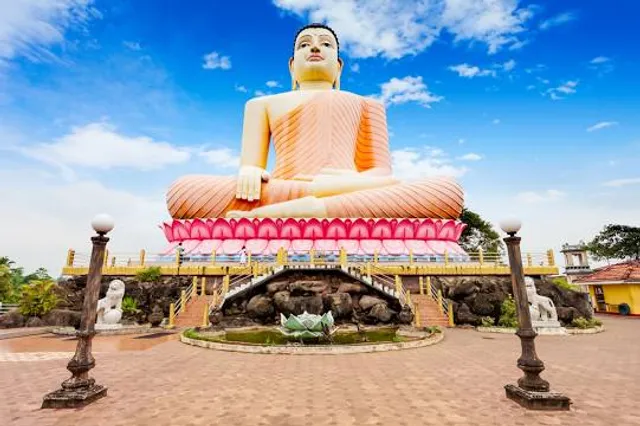
In 2002, a foundation stone for a gigantic Samadhi Buddha statue depicting the Bhoomisparsha Mudra was laid in the temple premises and the completed statue was open to the public in 2007, making the temple more popular among the local devotees. The statue is 48.8 m (160 ft) in height and considered as one of tallest sitting Buddha statues in the world.

The temple The temple comprises the Stupa, Bodhi Tree, Relic Chamber, Image House, Upulvan Devalaya and the other main Devalas including Kataragama and Pattini Devalaya. Bodhi Tree, preaching hall and the Seema Malaka are situated outside the Vihara premises. The Stupa has been built in bell shape and erected within an octagonal Shelter.

Vows made and tied on the Sacred Bo tree at Kande Viharaya, Aluthgama. The relic chamber of the temple is believed to be the oldest building in the temple premises. At the entrance of the chamber is sculptured with a stone moonstone and a door frame. Inner walls and the ceiling of the chamber has been adorned with Kandyan Era Frescoes belonging to the latter part of the Kandyan period. The image house of the temple is consist of an inner chamber and an outer chamber. Entrance to the image house is a magnetic looking Thorana with three arch shaped entrances. Inside the inner chamber three Buddha images in the standing, seated and sleeping postures can be seen. The walls and the ceilings of both chambers have been decorated with Jataka tales, moments of the Buddha's journey of life and various types of...

   Read more
avatar
5.0
6y

Kande Vihara (Sinhalaː කන්දේ විහාරය) is a major Buddhist temple in Kalutara District, Sri Lanka. The temple has got its name 'Kande vihara' (Mountain temple) as it is built on top of a hill located near to Aluthgama town. The temple has been formally recognised by the Government as an archaeological site in Sri Lanka.

The temple was founded by ven. Karapagala Dewamitta thero in 1734, under the guidance of ven. Udugama Chandrasara thero who was then chief incumbent of Galapatha Raja Maha Vihara and a pupil of ven. Weliwita Sri Saranankara Thero. Since then the temple was renovated and developed time to time under state patronage that lead the temple to become a major Buddhist shrine in the country. In 1904 the Kshethrarama Pirivena, an educational institution for monks, was attached to the temple as a result of the efforts done by Ven. Hikkaduwe Sri Sumangala Thero.The pirivena acts as a center for Buddhist education in the country, is also conducted by the Kande Vihara.

The image house, Stupa and the sacred Bodhi tree with its enclosing octagonal shaped wall are considered as very old monuments in the temple. The Bodhi tree is believed to be more than 300 years old.The large Stupa of the temple which was erected in 1935, has been constructed as enclosing a small sized Stupa, constructed by Ven. Udugama Chandrasara Thero in 1783.

In 2002, a foundation stone for a gigantic Samadhi Buddha statue depicting the Bhoomisparsha Mudra was laid in the temple premises and the completed statue was open to the public in 2007, making the temple more popular among the local devotees. The statue is 48.8 m (160 ft) in height and considered as one of tallest sitting Buddha statues in the world.

The temple comprises the Stupa, Bodhi Tree, Relic Chamber, Image House, Upulvan Devalaya and the other main Devalas including Kataragama and Pattini Devalaya. Bodhi Tree, preaching hall and the Seema Malaka are situated outside the Vihara premises. The Stupa has been built in bell shape and erected within an octagonal Shelter.

The relic chamber of the temple is believed to be the oldest building in the temple premises.At the entrance of the chamber is sculptured with a stone moonstone and a door frame. Inner walls and the ceiling of the chamber has been adorned with Kandyan Era Frescoes belonging to the latter part of the Kandyan period. The image house of the temple is consist of an inner chamber and an outer chamber. Entrance to the image house is a magnetic looking Thorana with three arch shaped entrances. Inside the inner chamber three Buddha images in the standing, seated and sleeping postures can be seen. The walls and the ceilings of both chambers have been decorated with Jataka tales, moments of the Buddha's journey of life and various types of...

   Read more
Page 1 of 7
Previous
Next

Posts

Rasika sanjeewa karunarathnaRasika sanjeewa karunarathna
Kande Vihara is a prominent Buddhist temple located in the Kalutara District of Sri Lanka. It gained recognition as an archaeological site by the government and is known for its historical significance. The temple sits atop a hill near Aluthgama town and derives its name from being a mountain temple. Founded in 1734 by Karapagala Dewamitta Thero, under the guidance of Udugama Chandrasara Thero, who was a pupil of Weliwita Sri Saranankara Thero and the chief incumbent of Galapatha Raja Maha Vihara at the time. Over the years, the temple has undergone renovations and development with state patronage, solidifying its status as a major Buddhist shrine in the country. In 1904, the temple established the Kshethrarama Pirivena, an educational institution for monks, through the efforts of Hikkaduwe Sri Sumangala Thero. The pirivena serves as a center for Buddhist education in Sri Lanka and operates under the auspices of Kande Vihara. The temple features several ancient structures, including an image house, a stupa, and a sacred Bodhi tree enclosed by an octagonal wall. The Bodhi tree, believed to be over 300 years old, holds significant religious importance. The temple's large stupa, constructed in 1935, encloses a smaller stupa built by Udugama Chandrasara Thero in 1783. One of the notable additions to the temple is a colossal Samadhi Buddha statue depicting the Bhoomisparsha Mudra. Its construction began in 2002, and the completed statue was unveiled to the public in 2007. Standing at a height of 48.8 meters (160 feet), it is regarded as one of the tallest sitting Buddha statues worldwide. The temple complex comprises various structures such as the Stupa, Bodhi Tree, Relic Chamber, Image House, Upulvan Devalaya, and other main Devalas, including Kataragama and Pattini Devalaya. Additionally, the Bodhi tree, preaching hall, and Seema Malaka are situated outside the Vihara premises. The Stupa, built in a bell shape, stands within an octagonal shelter. The relic chamber, believed to be the oldest building on the temple grounds, features a stone moonstone and a sculpted door frame at its entrance. The chamber's inner walls and ceiling are adorned with Kandyan Era Frescoes from the latter part of the Kandyan period. The temple's image house consists of an inner chamber and an outer chamber. The entrance to the image house features a visually captivating Thorana with three arch-shaped entrances. Inside the inner chamber, visitors can find three Buddha images in standing, seated, and sleeping postures. The walls and ceilings of both chambers are adorned with Jataka tales, depicting moments from the Buddha's life journey and various other murals.
Vishmith DilshanVishmith Dilshan
Kande Viharaya, also known as Kande Wiharaya, is a Buddhist temple located in the town of Aluthgama, in the southwest coast of Sri Lanka. It is one of the most visited temples in the country, attracting a large number of local and foreign visitors every year. The temple is situated on top of a hill, which provides breathtaking views of the surrounding landscape, including the Bentota River and the Indian Ocean. The name "Kande" means hill in Sinhalese, and "Viharaya" refers to a Buddhist temple. The history of Kande Viharaya dates back to the ancient kingdoms of Sri Lanka. According to legend, the temple was built by King Valagamba, who reigned during the 1st century BC. The king, who was forced to flee from his capital due to an invasion, is said to have sought refuge on the hill where the temple now stands. During his exile, he built a temple as a gesture of gratitude to the gods who protected him during his ordeal. Over the centuries, the temple has undergone numerous renovations and additions, with many kings and nobles contributing to its development. The temple's architecture reflects the influences of the Kandyan and Gampola periods, with intricate carvings and murals adorning the buildings. One of the main attractions of Kande Viharaya is the 160-foot-high Buddha statue, which is one of the tallest in Sri Lanka. The statue was built in the 2000s and is visible from miles away, making it a prominent landmark in the region. The temple also houses a number of other statues, including those of the Hindu gods Vishnu and Ganesh. Another noteworthy feature of Kande Viharaya is the annual Perahera festival, which takes place in July or August. The festival involves a procession of elephants adorned with colorful costumes, as well as traditional dancers and drummers. The festival attracts thousands of visitors from across Sri Lanka and is a vibrant celebration of the country's cultural heritage. In addition to its religious and cultural significance, Kande Viharaya is also known for its natural beauty. The hill on which the temple is located is surrounded by lush greenery, and visitors can enjoy scenic walks and hikes in the area. Overall, Kande Viharaya is a must-visit destination for anyone interested in exploring Sri Lanka's rich cultural heritage and natural beauty. The temple's stunning architecture, fascinating history, and vibrant festivals make it a unique and unforgettable experience for visitors.
Dr. Indranil RoyDr. Indranil Roy
Kande Vihara Temple, located in the Aluthgama area of Kalutara District, Sri Lanka, is one of the most revered and iconic Buddhist temples in the country. This majestic temple complex, which dates back to the 18th century, is a testament to the rich cultural and spiritual heritage of Sri Lanka. The temple's name, "Kande Vihara," translates to "Mountain Temple" in Sinhalese, which refers to its unique location on a hill overlooking the surrounding landscape. The temple's stunning architecture, which blends traditional Sinhalese and Thai styles, is characterized by its imposing dagaba (stupa), vibrant murals, and intricate carvings. The Kande Vihara Temple is renowned for its impressive 48-meter-tall (157 feet) Buddha statue, which is one of the tallest in Sri Lanka. This magnificent statue, which depicts the Buddha in the "Abhaya Mudra" (Fearless Pose), is a symbol of peace, compassion, and wisdom. The statue is surrounded by beautifully landscaped gardens, which provide a serene and peaceful atmosphere for meditation and reflection. The temple complex also features several other notable structures, including the "Makara Thorana" (Dragon Arch), the "Vahalkada" ( Entrance Porch), and the "Bodhi Tree" shrine. The temple's interior is adorned with vibrant murals depicting scenes from Buddhist mythology and the life of the Buddha. Kande Vihara Temple is not only an important cultural and historical landmark but also a sacred site for Buddhist devotees. The temple attracts thousands of visitors and pilgrims each year, who come to pay homage to the Buddha, seek blessings, and experience the temple's serene and peaceful atmosphere. In conclusion, the Kande Vihara Temple is a magnificent cultural and spiritual icon of Sri Lanka, which showcases the country's rich Buddhist heritage and architectural traditions. This revered temple complex continues to inspire devotion, peace, and wisdom in all who visit.
See more posts
See more posts
hotel
Find your stay

Pet-friendly Hotels in Western Province

Find a cozy hotel nearby and make it a full experience.

Kande Vihara is a prominent Buddhist temple located in the Kalutara District of Sri Lanka. It gained recognition as an archaeological site by the government and is known for its historical significance. The temple sits atop a hill near Aluthgama town and derives its name from being a mountain temple. Founded in 1734 by Karapagala Dewamitta Thero, under the guidance of Udugama Chandrasara Thero, who was a pupil of Weliwita Sri Saranankara Thero and the chief incumbent of Galapatha Raja Maha Vihara at the time. Over the years, the temple has undergone renovations and development with state patronage, solidifying its status as a major Buddhist shrine in the country. In 1904, the temple established the Kshethrarama Pirivena, an educational institution for monks, through the efforts of Hikkaduwe Sri Sumangala Thero. The pirivena serves as a center for Buddhist education in Sri Lanka and operates under the auspices of Kande Vihara. The temple features several ancient structures, including an image house, a stupa, and a sacred Bodhi tree enclosed by an octagonal wall. The Bodhi tree, believed to be over 300 years old, holds significant religious importance. The temple's large stupa, constructed in 1935, encloses a smaller stupa built by Udugama Chandrasara Thero in 1783. One of the notable additions to the temple is a colossal Samadhi Buddha statue depicting the Bhoomisparsha Mudra. Its construction began in 2002, and the completed statue was unveiled to the public in 2007. Standing at a height of 48.8 meters (160 feet), it is regarded as one of the tallest sitting Buddha statues worldwide. The temple complex comprises various structures such as the Stupa, Bodhi Tree, Relic Chamber, Image House, Upulvan Devalaya, and other main Devalas, including Kataragama and Pattini Devalaya. Additionally, the Bodhi tree, preaching hall, and Seema Malaka are situated outside the Vihara premises. The Stupa, built in a bell shape, stands within an octagonal shelter. The relic chamber, believed to be the oldest building on the temple grounds, features a stone moonstone and a sculpted door frame at its entrance. The chamber's inner walls and ceiling are adorned with Kandyan Era Frescoes from the latter part of the Kandyan period. The temple's image house consists of an inner chamber and an outer chamber. The entrance to the image house features a visually captivating Thorana with three arch-shaped entrances. Inside the inner chamber, visitors can find three Buddha images in standing, seated, and sleeping postures. The walls and ceilings of both chambers are adorned with Jataka tales, depicting moments from the Buddha's life journey and various other murals.
Rasika sanjeewa karunarathna

Rasika sanjeewa karunarathna

hotel
Find your stay

Affordable Hotels in Western Province

Find a cozy hotel nearby and make it a full experience.

Get the Appoverlay
Get the AppOne tap to find yournext favorite spots!
Kande Viharaya, also known as Kande Wiharaya, is a Buddhist temple located in the town of Aluthgama, in the southwest coast of Sri Lanka. It is one of the most visited temples in the country, attracting a large number of local and foreign visitors every year. The temple is situated on top of a hill, which provides breathtaking views of the surrounding landscape, including the Bentota River and the Indian Ocean. The name "Kande" means hill in Sinhalese, and "Viharaya" refers to a Buddhist temple. The history of Kande Viharaya dates back to the ancient kingdoms of Sri Lanka. According to legend, the temple was built by King Valagamba, who reigned during the 1st century BC. The king, who was forced to flee from his capital due to an invasion, is said to have sought refuge on the hill where the temple now stands. During his exile, he built a temple as a gesture of gratitude to the gods who protected him during his ordeal. Over the centuries, the temple has undergone numerous renovations and additions, with many kings and nobles contributing to its development. The temple's architecture reflects the influences of the Kandyan and Gampola periods, with intricate carvings and murals adorning the buildings. One of the main attractions of Kande Viharaya is the 160-foot-high Buddha statue, which is one of the tallest in Sri Lanka. The statue was built in the 2000s and is visible from miles away, making it a prominent landmark in the region. The temple also houses a number of other statues, including those of the Hindu gods Vishnu and Ganesh. Another noteworthy feature of Kande Viharaya is the annual Perahera festival, which takes place in July or August. The festival involves a procession of elephants adorned with colorful costumes, as well as traditional dancers and drummers. The festival attracts thousands of visitors from across Sri Lanka and is a vibrant celebration of the country's cultural heritage. In addition to its religious and cultural significance, Kande Viharaya is also known for its natural beauty. The hill on which the temple is located is surrounded by lush greenery, and visitors can enjoy scenic walks and hikes in the area. Overall, Kande Viharaya is a must-visit destination for anyone interested in exploring Sri Lanka's rich cultural heritage and natural beauty. The temple's stunning architecture, fascinating history, and vibrant festivals make it a unique and unforgettable experience for visitors.
Vishmith Dilshan

Vishmith Dilshan

hotel
Find your stay

The Coolest Hotels You Haven't Heard Of (Yet)

Find a cozy hotel nearby and make it a full experience.

hotel
Find your stay

Trending Stays Worth the Hype in Western Province

Find a cozy hotel nearby and make it a full experience.

Kande Vihara Temple, located in the Aluthgama area of Kalutara District, Sri Lanka, is one of the most revered and iconic Buddhist temples in the country. This majestic temple complex, which dates back to the 18th century, is a testament to the rich cultural and spiritual heritage of Sri Lanka. The temple's name, "Kande Vihara," translates to "Mountain Temple" in Sinhalese, which refers to its unique location on a hill overlooking the surrounding landscape. The temple's stunning architecture, which blends traditional Sinhalese and Thai styles, is characterized by its imposing dagaba (stupa), vibrant murals, and intricate carvings. The Kande Vihara Temple is renowned for its impressive 48-meter-tall (157 feet) Buddha statue, which is one of the tallest in Sri Lanka. This magnificent statue, which depicts the Buddha in the "Abhaya Mudra" (Fearless Pose), is a symbol of peace, compassion, and wisdom. The statue is surrounded by beautifully landscaped gardens, which provide a serene and peaceful atmosphere for meditation and reflection. The temple complex also features several other notable structures, including the "Makara Thorana" (Dragon Arch), the "Vahalkada" ( Entrance Porch), and the "Bodhi Tree" shrine. The temple's interior is adorned with vibrant murals depicting scenes from Buddhist mythology and the life of the Buddha. Kande Vihara Temple is not only an important cultural and historical landmark but also a sacred site for Buddhist devotees. The temple attracts thousands of visitors and pilgrims each year, who come to pay homage to the Buddha, seek blessings, and experience the temple's serene and peaceful atmosphere. In conclusion, the Kande Vihara Temple is a magnificent cultural and spiritual icon of Sri Lanka, which showcases the country's rich Buddhist heritage and architectural traditions. This revered temple complex continues to inspire devotion, peace, and wisdom in all who visit.
Dr. Indranil Roy

Dr. Indranil Roy

See more posts
See more posts