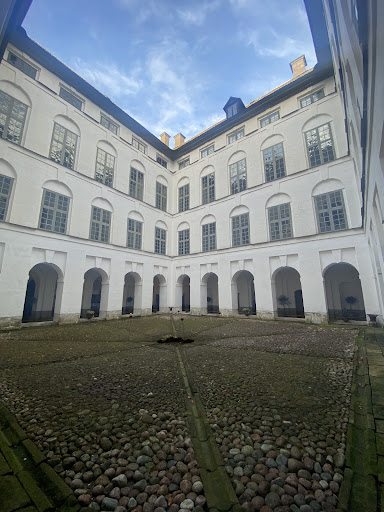
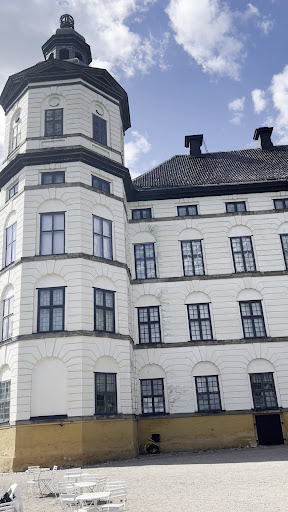
Skokloster Castle, located near Lake Mälaren in Sweden, is one of the most well-preserved baroque castles in Europe. It offers visitors a unique glimpse into 17th-century aristocratic life through its architecture, art collections, and an array of fascinating objects left almost untouched for centuries. The castle was built between 1654 and 1676 by Carl Gustaf Wrangel, a Swedish military leader, and it stands as a testament to Sweden's era of great power.
Architecture and Interior: The castle's architecture is a masterpiece of Baroque design, with elements of both grandeur and intricate detail. The façade is imposing, with symmetrical structures that feature elegant stonework and large windows, creating a balance between power and refinement. Inside, the castle is filled with lavish rooms, each meticulously decorated with period furniture, tapestries, and paintings. The Hall of State is particularly notable, with its grandiose ceiling paintings and walls lined with portraits of nobility.
Collections and Exhibits: One of the most remarkable aspects of Skokloster Castle is its extensive collection of art, books, weapons, and curiosities. The castle houses over 50,000 objects, many of which have remained in the same place since the 17th century. Among the most famous pieces is a unique collection of European and exotic weapons, armor, and hunting equipment. The library is another highlight, featuring rare books and manuscripts that offer insight into the knowledge and interests of the era's elite.
The Unfinished Banqueting Hall: Perhaps the most intriguing feature of Skokloster Castle is the unfinished banqueting hall. Construction was abruptly halted in 1676 when Carl Gustaf Wrangel died, and the hall remains exactly as it was left, with tools, materials, and scaffolding still in place. This untouched room provides a rare, frozen-in-time look at 17th-century building practices and gives visitors a sense of the historical moment when the castle's construction ceased.
The combination of its architectural beauty, extensive collections, and the mysterious unfinished hall creates a unique and immersive historical environment. Guided tours enhance the experience, providing in-depth knowledge about the castle's history, its collections, and the lives of those who once inhabited it.
Conclusion: Skokloster Castle is more than just a historical monument; it's a vivid preservation of Sweden's grand past. Its combination of architecture, history, and untouched interiors makes it a fascinating destination for history enthusiasts, art lovers, and anyone interested in the cultural heritage of Europe. The castle not only showcases the splendor of Sweden's baroque period but also serves as a poignant reminder of the passage of time and the enduring legacy...
Read moreVisiting Skokloster Castle near Uppsala was an unforgettable experience that transported me straight back to Sweden’s golden age. I had heard about the castle’s rich history and incredible collections, but seeing it in person was even more awe-inspiring than I could have imagined.
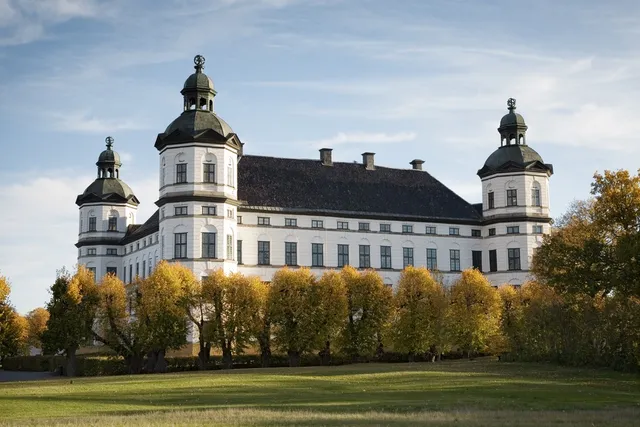
From the moment I arrived, I was struck by the castle’s stunning architecture and its serene location by Lake Mälaren. The drive itself felt like a step back in time, passing through picturesque Swedish countryside before reaching the castle. The moment you walk through the doors, you’re surrounded by opulence, with grand halls, marble floors, and intricately painted ceilings. Each room feels like it has its own story to tell, and I loved wandering from room to room, imagining the lives of the people who once lived here.
One of the highlights for me was the armory – it’s filled with 17th-century weapons and armor, and honestly, it feels like a treasure trove of history. I could have spent hours there, marveling at the craftsmanship and thinking about the history these pieces have witnessed. It’s rare to see such a well-preserved collection anywhere, and the guides were incredibly knowledgeable, offering insights into the items and the fascinating stories behind them.
The “unfinished hall” was another unexpected treat. Left exactly as it was when construction stopped in the 17th century, it’s like a time capsule. You can still see the tools and materials scattered around, untouched for centuries – something I’ve never seen in any other historic site. Standing there, it’s easy to feel like you’re glimpsing a secret moment in history, frozen in time.
For anyone interested in history, art, or architecture, Skokloster Castle is a must-visit. But even beyond that, I’d recommend it to anyone just looking for a memorable day out. The lake and surrounding grounds add to the atmosphere, offering a peaceful place to walk around and soak in the beauty of nature after exploring the castle’s interior.
The castle also hosts a variety of events and guided tours, which I’d recommend joining. The staff and guides clearly have a passion for the castle and its history, and their stories add so much depth to the experience.
In short, Skokloster Castle is more than just a historic building – it’s an experience. I left with a new appreciation for Swedish history and culture, and I’d visit again in a heartbeat. If you’re in the Uppsala area, don’t...
Read moreOne of Europe's most breathtaking settings with a boat tour from Stockholm. Skokloster Castle - the history Experience the Swedish Empire on this amazing palace at Lake Mälaren, the largest private palace built in Sweden. The architecture, the intact interiors and the vast collections make this one of the great castles of Baroque Europe. You will find unique paintings, furniture and room interiors from the 17th century. Skokloster Castle, built in the baroque style between 1654 and 1676, is one of the mayor monuments from the historic period when Sweden was one of the most powerful countries in Europe. It is also said to be one of Sweden's most beautiful castles. Entrance to Skokloster Castle The entrance fee to the castle costs SEK 120 and includes: The exhibitions on floors 1 and 2 The exhibition Castle Wives and Monastic Sisters The permanent exhibition includes the ground floor "Dreams of Skokloster – between the battlefield and the starry sky" The Wrangel floor (periodically known as the Brahe floor) upstairs with the count couple Carl Gustaf Wrangel and Anna Margareta von Haugwitz's private bedroom, atrium and large, common dining room, the so-called King's Hall.
Visit the church with medieval ancestry, the handicraft shop in Stenhuset, and the gallery in Parkvillan. For all children, there is the "Children's Paradise" where you can learn about spices and other historical plants, water the flowers, do crafts, read, and ride on...
Read more