HTML SitemapExplore
logo
Find Things to DoFind The Best Restaurants

Alt Wädenswil Castle — Attraction in Richterswil

Name
Alt Wädenswil Castle
Description
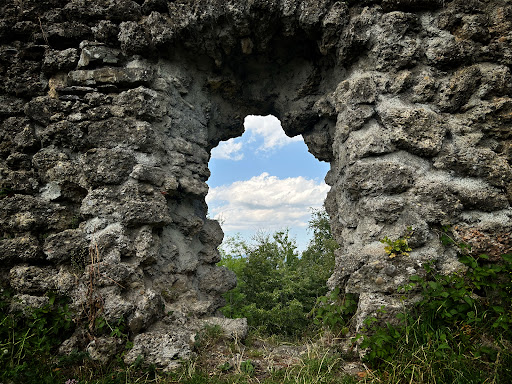
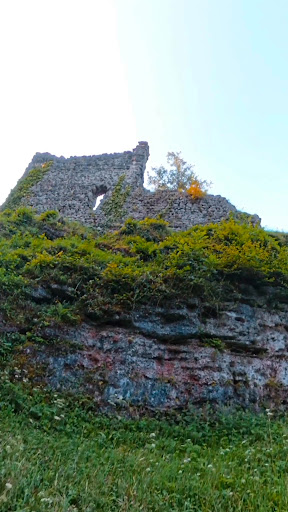
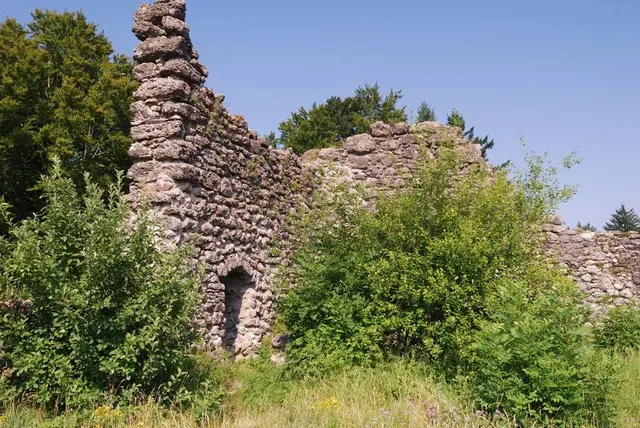
Alt Wädenswil Castle is a castle in the municipality of Richterswil and the canton of Zurich in Switzerland. It is a Swiss heritage site of national significance.
Nearby attractions
Nearby restaurants
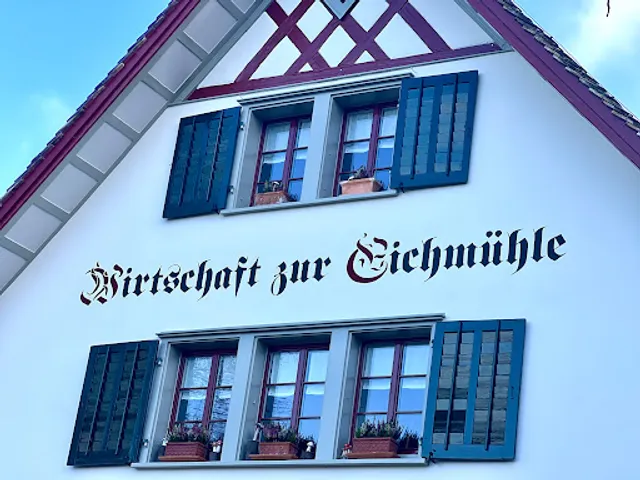
Eder's Eichmühle
Eichmüli 2, 8820 Wädenswil, Switzerland
Restaurant Burgmoos
Sennhüttenstrasse 6, 8805 Richterswil, Switzerland
Nearby hotels
Related posts
Keywords
Alt Wädenswil Castle tourism.Alt Wädenswil Castle hotels.Alt Wädenswil Castle bed and breakfast. flights to Alt Wädenswil Castle.Alt Wädenswil Castle attractions.Alt Wädenswil Castle restaurants.Alt Wädenswil Castle travel.Alt Wädenswil Castle travel guide.Alt Wädenswil Castle travel blog.Alt Wädenswil Castle pictures.Alt Wädenswil Castle photos.Alt Wädenswil Castle travel tips.Alt Wädenswil Castle maps.Alt Wädenswil Castle things to do.
Alt Wädenswil Castle things to do, attractions, restaurants, events info and trip planning
Alt Wädenswil Castle
SwitzerlandZurichRichterswilAlt Wädenswil Castle

Basic Info

Alt Wädenswil Castle

Unter Altschloss 2, 8805 Richterswil, Switzerland
4.7(110)
Open 24 hours
Save
spot

Ratings & Description

Info

Alt Wädenswil Castle is a castle in the municipality of Richterswil and the canton of Zurich in Switzerland. It is a Swiss heritage site of national significance.

Cultural
Scenic
Family friendly
attractions: , restaurants: Eder's Eichmühle, Restaurant Burgmoos
logoLearn more insights from Wanderboat AI.
Phone
+41 79 291 11 79
Website
richterswil.ch

Plan your stay

hotel
Pet-friendly Hotels in Richterswil
Find a cozy hotel nearby and make it a full experience.
hotel
Affordable Hotels in Richterswil
Find a cozy hotel nearby and make it a full experience.
hotel
The Coolest Hotels You Haven't Heard Of (Yet)
Find a cozy hotel nearby and make it a full experience.
hotel
Trending Stays Worth the Hype in Richterswil
Find a cozy hotel nearby and make it a full experience.

Reviews

Things to do nearby

Zurich Beer Tour with a Local Guide & Beer Expert
Wed, Dec 10 • 6:45 PM
8004, Zürich, Switzerland
View details
Candlelight: Ed Sheeran vs. Coldplay
Sun, Dec 14 • 6:00 PM
Oberseestrasse 36, Rapperswil-Jona, 8640
View details
Zurich Food Tour with Authentic Swiss Delicacies
Wed, Dec 10 • 10:30 AM
8001, Zürich, Switzerland
View details

Nearby restaurants of Alt Wädenswil Castle

Eder's Eichmühle

Restaurant Burgmoos

Eder's Eichmühle

Eder's Eichmühle

4.8

(192)

Click for details
Restaurant Burgmoos

Restaurant Burgmoos

4.1

(79)

$$

Closed
Click for details
Get the Appoverlay
Get the AppOne tap to find yournext favorite spots!
Wanderboat LogoWanderboat

Your everyday Al companion for getaway ideas

CompanyAbout Us
InformationAI Trip PlannerSitemap
SocialXInstagramTiktokLinkedin
LegalTerms of ServicePrivacy Policy

Get the app

© 2025 Wanderboat. All rights reserved.
logo

Posts

Martin MilerMartin Miler
The southern shore of Lake Zurich is an area with very few castles, because the property rights of Zurich's Fraumünsterstift and Einsiedeln Abbey prevented the formation of independent rulers here. In the outskirts between Zurich and Einsiedler possessions, in the 12th century. however, to establish the barons of Wädenswil. Their first mention in 1130 is uncertain, because the authenticity of the corresponding document is doubted. 1150 but a Burkhard von Wädenswil in a document from King Konrad III. called. In the years that followed, his three brothers Walther I, Eberhard and Rudolf I von Wädenswil also appeared in source texts on various occasions. Nothing is known about the whereabouts of the four brothers, the oldest visible buildings of Alt-Wädenswil Castle were erected around 1200. At that time, the mighty Freiherrenturm was built on the rocky ridge with megalithic walls up to 4 meters thick. A moat protected the building on the east side, the castle rock was artificially scraped off all around. The castle must have been the residence of Rudolf II of Wädenswil, first mentioned in 1217. He married Ita von Unspunnen, and two of his sons later became their heirs in the Bernese Oberland. Rudolph III took over the ancestral castle around 1240 after the death of his father. The economic decline of the family soon set in. Rudolf III, who had six daughters but no male heirs, sold the castle and estate of Wädenswil to the Order of St. John in 1287 for 650 silver marks, but retained the right of use until his death. Rudolf III died in 1300 and the Bubikon Order of St. John was to take over the castle. However, the Wädenswil heirs contested the sale of 1287 and obtained a royal decision in October 1300. Albert of Habsburggranted the rule to the Johanniter, but the heirs had to be compensated financially. Around 1330, Alt-Wädenswil became an independent commandery with its own commander and around a dozen friars. Over the next 150 years, the fortress was expanded into a mighty order castle. A chapel is mentioned as early as 1316. Still in the 14th century. A spacious new main building, the large Johanniterhaus, was built on the eastern rocky outcrop. The building, which was additionally protected by moats on the east and south sides, contained a total of 13 rooms, two of which contained beds for nursing. The convent of the brothers of the order in Wädenswil was last mentioned in 1446, but it seems to have dissolved soon after. As the seat of Commander Johannes Lösel, who was also Grand Master of the Order in Germany, the castle retained its importance and was further expanded. Around 1450 it received a ring wall with towers and a new gate with a kennel. Due to the high construction costs of 2500 guilders, Lösel promptly received a reprimand from the headquarters of the order on Rhodes. In 1489 angry farmers from the area moved in front of the castle and tried to storm it. Although defended by only three men, it was able to hold out because a troop from Zurich arrived in good time and negotiated with the besiegers. When the surrounding area turned away from the Catholic faith at the time of the Reformation, the Johanniter began to negotiate with the city of Zurich about the sale of the Wädenswil estate. In 1549 the city agreed to the purchase at a price of 19,346 guilders, but objections to the trade were raised within the Confederation. The Catholics of Schwyz in particular feared that the Reformed people of Zurich would get their hands on a strong fortress near their border. The agreement of 1550 stipulated that Zurich had to buy the dominion but had to demolish the castle. In the following centuries, Alt-Wädenswil often served as a quarry. Large parts of the castle were blown up in 1870, especially during the construction of the railway line from Wädenswil to Einsiedeln, in order to gain building material. When the ruins were threatened with permanent disappearance, a committee for their preservation was formed in 1900, which was able to purchase the complex. From 1901 to 1904 the first excavation work was carried out.
Thomas StalderThomas Stalder
In einem Stiftungsbrief des Klosters Fahr wurden die Freiherren von Wädenswil (Wadinswilere) im Jahr 1130 zum ersten Mal urkundlich erwähnt. Ihren Wohnsitz, die Burg Alt-Wädenswil, errichteten die Freiherren im 13. Jahrhundert. Die Burg wurde 1265 erstmals schriftlich erwähnt. Der vor 1200 errichtete Freiherrenturm ist der älteste Bauteil der Burg. Seine äusseren Mauerschalen sind aus mächtigen Findlingen gefügt. 1287 verkaufte der letzte Freiherr Rudolf III. mangels Nachkommen die Herrschaft Wädenswil – heutige Gemeinden Wädenswil, Richterswil und Uetikon am See – an das Johanniterhaus Bubikon. Wädenswil wurde eine Kommende der Johanniter. Das Johanniterhaus entstand im 14. Jahrhundert als Ordensburg mit einem neuen Graben. Die dreizehn Räume mit Dormitorium, Refektorium, Konvent, einer Pilgerherberge und einer Kapelle dienten vor allem der Komturverwaltung. Im 15. Jahrhundert wurde das gesamte Burggelände mit einer turmbewehrten Zwingermauer umgeben. Nach der Reformation verkauften die Johanniter 1549 die Herrschaft Wädenswil mit allen Rechten an die Stadt Zürich. Wädenswil wurde eine Landvogtei. Für den Landvogt wurde 1550 bis 1555 das Schloss Wädenswil erbaut. Die Burg musste nach einem Tagsatzungsbeschluss 1557 geschleift, d. h. durch Teilabriss unbrauchbar gemacht, werden, weil sich Schwyz vom vergrösserten Stadtstaat Zürich bedroht fühlte. Die Ruine diente in den folgenden Jahrhunderten als Steinbruch. Besonderen Schaden nahm die Burg in den 1870er Jahren, als Teile der Burg gesprengt wurden, um Material für den Bau der Bahnlinie Wädenswil–Einsiedeln zu gewinnen. 1900 erwarb ein Initiativkomitee das Burggelände und gründete 1902 die Stiftung zur Erhaltung der Burg Alt-Wädenswil. 1901 bis 1904 erfolgten die ersten Freilegungsarbeiten, von 1938 bis 1941 und 1983 weitere Grabungskampagnen.
Sefer CSefer C
Es war eine wirklich schöne Aktivität! Der Ort eignet sich sowohl für einen Ausflug mit Freunden als auch für einen entspannten Tag mit der Familie. Besonders gut hat mir gefallen, dass man dort wunderbar picknicken kann – es gibt ausreichend Platz und eine angenehme Atmosphäre. Ein weiteres Highlight ist der wunderschöne Spazierweg, der ideal ist für einen gemütlichen Spaziergang in der Natur. Alles ist gut gepflegt und lädt dazu ein, den Tag in Ruhe zu genießen.
See more posts
See more posts
hotel
Find your stay

Pet-friendly Hotels in Richterswil

Find a cozy hotel nearby and make it a full experience.

The southern shore of Lake Zurich is an area with very few castles, because the property rights of Zurich's Fraumünsterstift and Einsiedeln Abbey prevented the formation of independent rulers here. In the outskirts between Zurich and Einsiedler possessions, in the 12th century. however, to establish the barons of Wädenswil. Their first mention in 1130 is uncertain, because the authenticity of the corresponding document is doubted. 1150 but a Burkhard von Wädenswil in a document from King Konrad III. called. In the years that followed, his three brothers Walther I, Eberhard and Rudolf I von Wädenswil also appeared in source texts on various occasions. Nothing is known about the whereabouts of the four brothers, the oldest visible buildings of Alt-Wädenswil Castle were erected around 1200. At that time, the mighty Freiherrenturm was built on the rocky ridge with megalithic walls up to 4 meters thick. A moat protected the building on the east side, the castle rock was artificially scraped off all around. The castle must have been the residence of Rudolf II of Wädenswil, first mentioned in 1217. He married Ita von Unspunnen, and two of his sons later became their heirs in the Bernese Oberland. Rudolph III took over the ancestral castle around 1240 after the death of his father. The economic decline of the family soon set in. Rudolf III, who had six daughters but no male heirs, sold the castle and estate of Wädenswil to the Order of St. John in 1287 for 650 silver marks, but retained the right of use until his death. Rudolf III died in 1300 and the Bubikon Order of St. John was to take over the castle. However, the Wädenswil heirs contested the sale of 1287 and obtained a royal decision in October 1300. Albert of Habsburggranted the rule to the Johanniter, but the heirs had to be compensated financially. Around 1330, Alt-Wädenswil became an independent commandery with its own commander and around a dozen friars. Over the next 150 years, the fortress was expanded into a mighty order castle. A chapel is mentioned as early as 1316. Still in the 14th century. A spacious new main building, the large Johanniterhaus, was built on the eastern rocky outcrop. The building, which was additionally protected by moats on the east and south sides, contained a total of 13 rooms, two of which contained beds for nursing. The convent of the brothers of the order in Wädenswil was last mentioned in 1446, but it seems to have dissolved soon after. As the seat of Commander Johannes Lösel, who was also Grand Master of the Order in Germany, the castle retained its importance and was further expanded. Around 1450 it received a ring wall with towers and a new gate with a kennel. Due to the high construction costs of 2500 guilders, Lösel promptly received a reprimand from the headquarters of the order on Rhodes. In 1489 angry farmers from the area moved in front of the castle and tried to storm it. Although defended by only three men, it was able to hold out because a troop from Zurich arrived in good time and negotiated with the besiegers. When the surrounding area turned away from the Catholic faith at the time of the Reformation, the Johanniter began to negotiate with the city of Zurich about the sale of the Wädenswil estate. In 1549 the city agreed to the purchase at a price of 19,346 guilders, but objections to the trade were raised within the Confederation. The Catholics of Schwyz in particular feared that the Reformed people of Zurich would get their hands on a strong fortress near their border. The agreement of 1550 stipulated that Zurich had to buy the dominion but had to demolish the castle. In the following centuries, Alt-Wädenswil often served as a quarry. Large parts of the castle were blown up in 1870, especially during the construction of the railway line from Wädenswil to Einsiedeln, in order to gain building material. When the ruins were threatened with permanent disappearance, a committee for their preservation was formed in 1900, which was able to purchase the complex. From 1901 to 1904 the first excavation work was carried out.
Martin Miler

Martin Miler

hotel
Find your stay

Affordable Hotels in Richterswil

Find a cozy hotel nearby and make it a full experience.

Get the Appoverlay
Get the AppOne tap to find yournext favorite spots!
In einem Stiftungsbrief des Klosters Fahr wurden die Freiherren von Wädenswil (Wadinswilere) im Jahr 1130 zum ersten Mal urkundlich erwähnt. Ihren Wohnsitz, die Burg Alt-Wädenswil, errichteten die Freiherren im 13. Jahrhundert. Die Burg wurde 1265 erstmals schriftlich erwähnt. Der vor 1200 errichtete Freiherrenturm ist der älteste Bauteil der Burg. Seine äusseren Mauerschalen sind aus mächtigen Findlingen gefügt. 1287 verkaufte der letzte Freiherr Rudolf III. mangels Nachkommen die Herrschaft Wädenswil – heutige Gemeinden Wädenswil, Richterswil und Uetikon am See – an das Johanniterhaus Bubikon. Wädenswil wurde eine Kommende der Johanniter. Das Johanniterhaus entstand im 14. Jahrhundert als Ordensburg mit einem neuen Graben. Die dreizehn Räume mit Dormitorium, Refektorium, Konvent, einer Pilgerherberge und einer Kapelle dienten vor allem der Komturverwaltung. Im 15. Jahrhundert wurde das gesamte Burggelände mit einer turmbewehrten Zwingermauer umgeben. Nach der Reformation verkauften die Johanniter 1549 die Herrschaft Wädenswil mit allen Rechten an die Stadt Zürich. Wädenswil wurde eine Landvogtei. Für den Landvogt wurde 1550 bis 1555 das Schloss Wädenswil erbaut. Die Burg musste nach einem Tagsatzungsbeschluss 1557 geschleift, d. h. durch Teilabriss unbrauchbar gemacht, werden, weil sich Schwyz vom vergrösserten Stadtstaat Zürich bedroht fühlte. Die Ruine diente in den folgenden Jahrhunderten als Steinbruch. Besonderen Schaden nahm die Burg in den 1870er Jahren, als Teile der Burg gesprengt wurden, um Material für den Bau der Bahnlinie Wädenswil–Einsiedeln zu gewinnen. 1900 erwarb ein Initiativkomitee das Burggelände und gründete 1902 die Stiftung zur Erhaltung der Burg Alt-Wädenswil. 1901 bis 1904 erfolgten die ersten Freilegungsarbeiten, von 1938 bis 1941 und 1983 weitere Grabungskampagnen.
Thomas Stalder

Thomas Stalder

hotel
Find your stay

The Coolest Hotels You Haven't Heard Of (Yet)

Find a cozy hotel nearby and make it a full experience.

hotel
Find your stay

Trending Stays Worth the Hype in Richterswil

Find a cozy hotel nearby and make it a full experience.

Es war eine wirklich schöne Aktivität! Der Ort eignet sich sowohl für einen Ausflug mit Freunden als auch für einen entspannten Tag mit der Familie. Besonders gut hat mir gefallen, dass man dort wunderbar picknicken kann – es gibt ausreichend Platz und eine angenehme Atmosphäre. Ein weiteres Highlight ist der wunderschöne Spazierweg, der ideal ist für einen gemütlichen Spaziergang in der Natur. Alles ist gut gepflegt und lädt dazu ein, den Tag in Ruhe zu genießen.
Sefer C

Sefer C

See more posts
See more posts

Reviews of Alt Wädenswil Castle

4.7
(110)
avatar
5.0
2y

The southern shore of Lake Zurich is an area with very few castles, because the property rights of Zurich's Fraumünsterstift and Einsiedeln Abbey prevented the formation of independent rulers here. In the outskirts between Zurich and Einsiedler possessions, in the 12th century. however, to establish the barons of Wädenswil. Their first mention in 1130 is uncertain, because the authenticity of the corresponding document is doubted. 1150 but a Burkhard von Wädenswil in a document from King Konrad III. called. In the years that followed, his three brothers Walther I, Eberhard and Rudolf I von Wädenswil also appeared in source texts on various occasions. Nothing is known about the whereabouts of the four brothers, the oldest visible buildings of Alt-Wädenswil Castle were erected around 1200. At that time, the mighty Freiherrenturm was built on the rocky ridge with megalithic walls up to 4 meters thick. A moat protected the building on the east side, the castle rock was artificially scraped off all around. The castle must have been the residence of Rudolf II of Wädenswil, first mentioned in 1217. He married Ita von Unspunnen, and two of his sons later became their heirs in the Bernese Oberland. Rudolph III took over the ancestral castle around 1240 after the death of his father. The economic decline of the family soon set in. Rudolf III, who had six daughters but no male heirs, sold the castle and estate of Wädenswil to the Order of St. John in 1287 for 650 silver marks, but retained the right of use until his death. Rudolf III died in 1300 and the Bubikon Order of St. John was to take over the castle. However, the Wädenswil heirs contested the sale of 1287 and obtained a royal decision in October 1300. Albert of Habsburggranted the rule to the Johanniter, but the heirs had to be compensated financially. Around 1330, Alt-Wädenswil became an independent commandery with its own commander and around a dozen friars. Over the next 150 years, the fortress was expanded into a mighty order castle. A chapel is mentioned as early as 1316. Still in the 14th century. A spacious new main building, the large Johanniterhaus, was built on the eastern rocky outcrop. The building, which was additionally protected by moats on the east and south sides, contained a total of 13 rooms, two of which contained beds for nursing. The convent of the brothers of the order in Wädenswil was last mentioned in 1446, but it seems to have dissolved soon after. As the seat of Commander Johannes Lösel, who was also Grand Master of the Order in Germany, the castle retained its importance and was further expanded. Around 1450 it received a ring wall with towers and a new gate with a kennel. Due to the high construction costs of 2500 guilders, Lösel promptly received a reprimand from the headquarters of the order on Rhodes. In 1489 angry farmers from the area moved in front of the castle and tried to storm it. Although defended by only three men, it was able to hold out because a troop from Zurich arrived in good time and negotiated with the besiegers. When the surrounding area turned away from the Catholic faith at the time of the Reformation, the Johanniter began to negotiate with the city of Zurich about the sale of the Wädenswil estate. In 1549 the city agreed to the purchase at a price of 19,346 guilders, but objections to the trade were raised within the Confederation. The Catholics of Schwyz in particular feared that the Reformed people of Zurich would get their hands on a strong fortress near their border. The agreement of 1550 stipulated that Zurich had to buy the dominion but had to demolish the castle. In the following centuries, Alt-Wädenswil often served as a quarry. Large parts of the castle were blown up in 1870, especially during the construction of the railway line from Wädenswil to Einsiedeln, in order to gain building material. When the ruins were threatened with permanent disappearance, a committee for their preservation was formed in 1900, which was able to purchase the complex. From 1901 to 1904 the first excavation work was...

   Read more

avatar
5.0
1y

In einem Stiftungsbrief des Klosters Fahr wurden die Freiherren von Wädenswil (Wadinswilere) im Jahr 1130 zum ersten Mal urkundlich erwähnt. Ihren Wohnsitz, die Burg Alt-Wädenswil, errichteten die Freiherren im 13. Jahrhundert. Die Burg wurde 1265 erstmals schriftlich erwähnt. Der vor 1200 errichtete Freiherrenturm ist der älteste Bauteil der Burg. Seine äusseren Mauerschalen sind aus mächtigen Findlingen gefügt. 1287 verkaufte der letzte Freiherr Rudolf III. mangels Nachkommen die Herrschaft Wädenswil – heutige Gemeinden Wädenswil, Richterswil und Uetikon am See – an das Johanniterhaus Bubikon. Wädenswil wurde eine Kommende der Johanniter. Das Johanniterhaus entstand im 14. Jahrhundert als Ordensburg mit einem neuen Graben. Die dreizehn Räume mit Dormitorium, Refektorium, Konvent, einer Pilgerherberge und einer Kapelle dienten vor allem der Komturverwaltung. Im 15. Jahrhundert wurde das gesamte Burggelände mit einer turmbewehrten Zwingermauer umgeben.

Nach der Reformation verkauften die Johanniter 1549 die Herrschaft Wädenswil mit allen Rechten an die Stadt Zürich. Wädenswil wurde eine Landvogtei. Für den Landvogt wurde 1550 bis 1555 das Schloss Wädenswil erbaut. Die Burg musste nach einem Tagsatzungsbeschluss 1557 geschleift, d. h. durch Teilabriss unbrauchbar gemacht, werden, weil sich Schwyz vom vergrösserten Stadtstaat Zürich bedroht fühlte.

Die Ruine diente in den folgenden Jahrhunderten als Steinbruch. Besonderen Schaden nahm die Burg in den 1870er Jahren, als Teile der Burg gesprengt wurden, um Material für den Bau der Bahnlinie Wädenswil–Einsiedeln zu gewinnen.

1900 erwarb ein Initiativkomitee das Burggelände und gründete 1902 die Stiftung zur Erhaltung der Burg Alt-Wädenswil. 1901 bis 1904 erfolgten die ersten Freilegungsarbeiten, von 1938 bis 1941 und 1983 weitere...

   Read more
avatar
5.0
34w

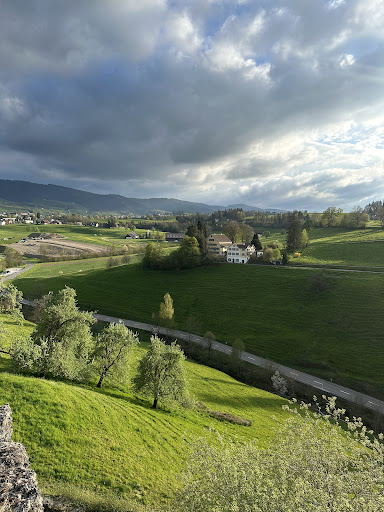
The Old Castle of Wädenswil is a hidden gem—some peaceful ruins just a short hike from either Richterswil or Wädenswil. It's usually quiet, with hardly anyone around, making it a perfect spot to relax and enjoy the calm atmosphere. On clear days, the view is really lovely too. A great little escape into nature...

   Read more
Page 1 of 7
Previous
Next