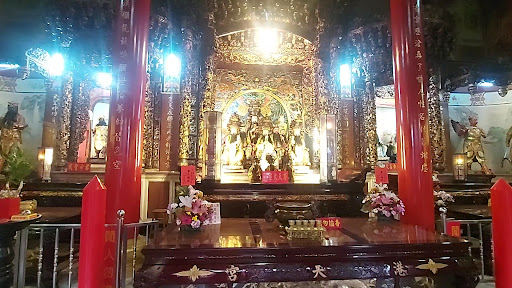
A Glimpse into History: The Japanese-Built Temple of Hualien
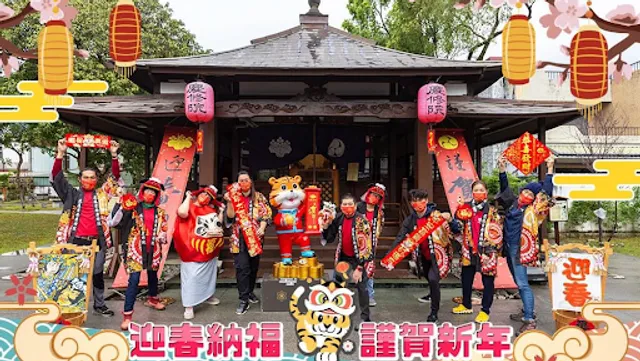
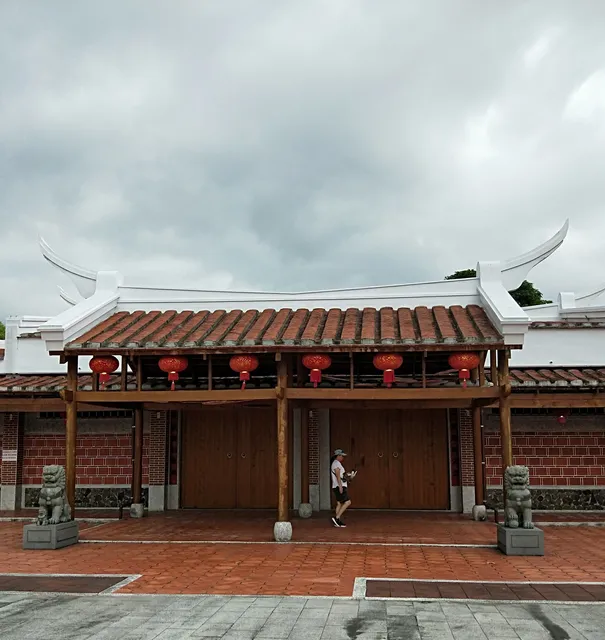
This historic temple, constructed during the period of Japanese rule in Taiwan, stands as a testament to the cultural and spiritual exchanges between Japan and Taiwan. Built with traditional Japanese architectural elements, the temple not only serves as a place of worship but also as a symbol of the enduring influence of Japanese culture in the region.
During its time as a center of spiritual practice, the temple provided a sanctuary for Japanese settlers and officials, offering them a place to seek solace and inner peace through the teachings of the Buddhas and Bodhisattvas. These teachings, deeply rooted in Mahayana Buddhism, guided many in their daily lives, helping them navigate the challenges of life in a foreign land while staying connected to their spiritual heritage.
The temple is a living museum that preserves and displays numerous artifacts from the Japanese era. Visitors can explore a collection of relics, ranging from intricately carved statues of Buddhas and Bodhisattvas to ceremonial objects used in traditional Japanese Buddhist rituals. Each artifact carries with it a piece of history, reflecting the artistic and cultural influences of Japan during that period.
As you wander through the temple grounds, you'll notice the distinctive Japanese flavor in every corner, from the carefully manicured gardens reminiscent of Zen philosophy to the elegant wooden structures that have withstood the test of time. The temple's serene atmosphere invites reflection and contemplation, offering a rare opportunity to step back in time and experience a slice of history that continues to resonate with both locals and visitors alike.
Whether you are a history enthusiast, a spiritual seeker, or simply someone looking to experience the unique cultural blend of Taiwan and Japan, this temple provides a rich, immersive experience. It stands not only as a place of worship but also as a cultural bridge, connecting the past with the present and offering a deeper understanding of the shared heritage between the...
Read more2024.11.20週三自由行 (許寶仁鐵道之旅第67部曲•四天三夜花東縱谷) 第二天同行者:蔡同學、陳姐
結束上午林田山林業文化園區的探索,午餐後目標是花蓮吉安鄉兩處景點〔慶修院〕和〔好客藝術村〕,先搭乘火車前往壽豐車站。
■第四目的地〔壽豐車站〕 搭乘北上區間4521車次:刷卡 萬榮12:24>12:49壽豐 車程25分鐘,敬老卡扣15元。 出站蓋紀念章又在站前拍照留念後,立即走過站前的壽山路來到第一個十字路口壽豐路一段,左轉立即看到店家門外有公車站牌。
■第五目的地〔吉安•慶修院〕 ●搭乘花蓮1139C公車:刷卡 壽豐13:10>13:40吉安鄉公所•慶修院 車程30分鐘左右,敬老卡扣23元。途經25個站牌,本車離開壽豐街上之後先經過鯉魚潭和潭南遊憩區喔!如果在花蓮轉運站搭不到車,可以來壽豐站轉乘,比較近,不過公車班次不多。 ●〔吉安鄉公所•慶修院〕站牌下車是吉安路二段,往中興路口右轉直走,停車場在右邊(鄉公所後面),而慶修院的旗幟在馬路左邊隨風飄揚招攬遊客,走過圍牆即是正門。 地址:花蓮縣吉安鄉中興路345-1號。 ▪︎入園全票30元,老人票15元。 ●在慶修院牌坊下拍照留念,接著開始入院參觀。 開放時間:(週一休館)週二至週日08:30~17:00 。 ●花蓮縣吉安鄉〔慶修院〕是在西元1917年,川端滿二募建真言宗高野派的吉野布教所,以宗教安定的力量,撫慰移民的思鄉之情。 目前已經列為縣定古蹟,卻保留日本建物的風格,與台灣寺廟截然不同。探索其歷史,日本人1908...
Read moreQianxiu Yuan, Ji'an, Courtyard [吉安慶修院], HuanLien City, is developed or revived from a former Japanese temple which was worshipped by Japanese during Japan's occupation of Taiwan.
One of the best parts or the beauty of the Temple is the imitation stone sculptures of the main worship deities of major Japanese temples.
The Temple is small but it has many visitors; thus, it can be noisy sometimes when young kids are running in the courtyard. However, it is well...
Read more