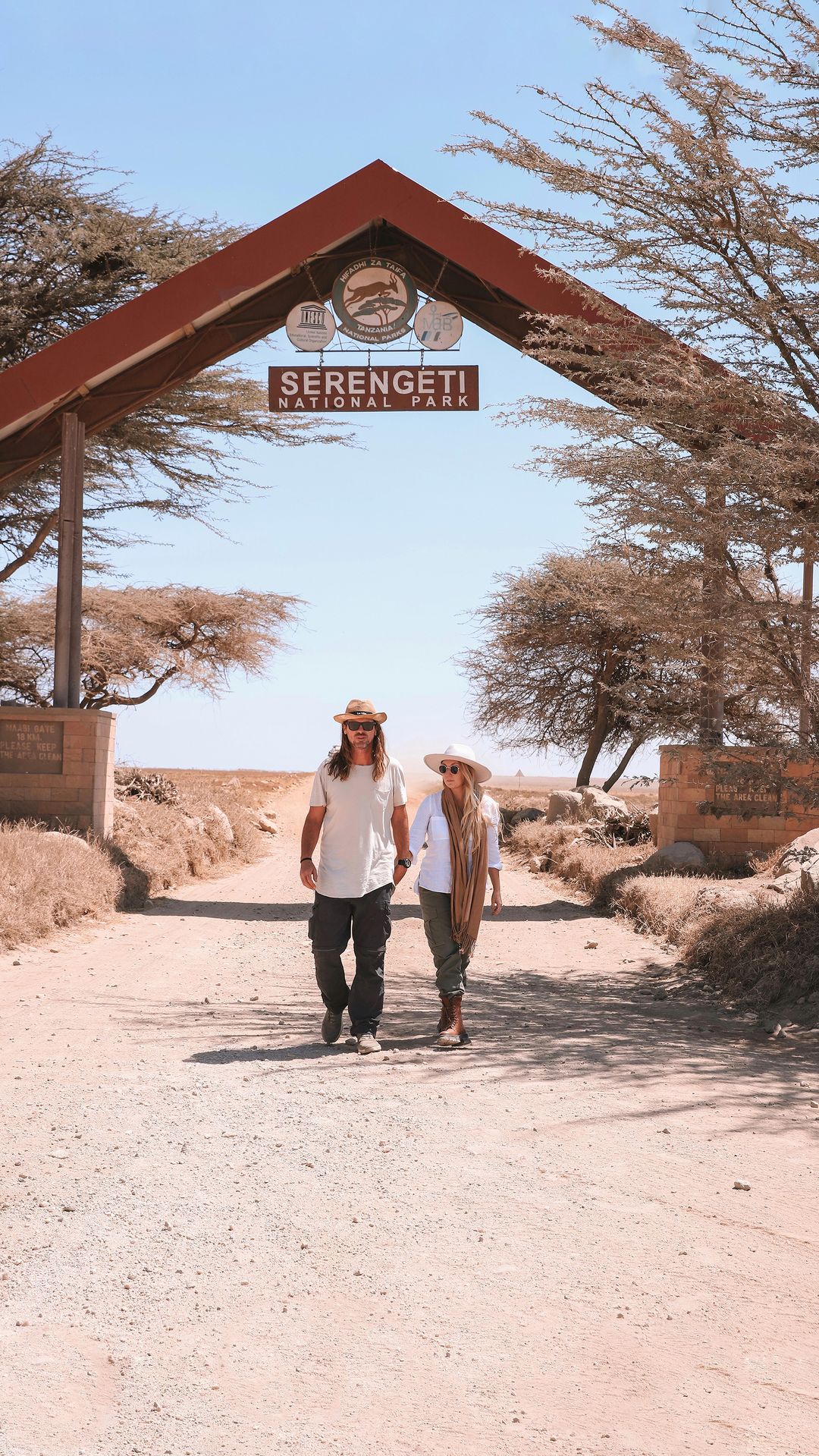
Here's an elaborative review of the Serengeti National Park Great Migration for Google:
Unforgettable Experience: The Great Migration at Serengeti National Park
Visiting Serengeti National Park to witness the Great Migration is an experience beyond compare. Spanning approximately 14,750 square kilometers, the park's vast grasslands, savannas, and woodlands offer the perfect backdrop for one of nature's most spectacular events.
The Great Migration: A Natural Wonder The Great Migration involves over 1.5 million wildebeest, alongside hundreds of thousands of zebras and gazelles, undertaking a perilous journey in search of fresh grazing. This circular migration, driven by the changing seasons, is an awe-inspiring display of animal behavior and survival instincts.
Highlights of the Migration Calving Season (January to March): Witness thousands of wildebeest calves being born in the Southern Serengeti and Ndutu area. This period also attracts numerous predators, making it an exciting time for wildlife viewing. Northward Journey (April to June): See the long columns of migrating animals moving towards the central and western Serengeti. The sight of these vast herds is truly mesmerizing. Grumeti River Crossing (June to July): Experience the drama as the herds brave the crocodile-infested Grumeti River. This stage is both thrilling and nerve-wracking. Mara River Crossing (July to September): One of the most dramatic and dangerous phases of the migration, where animals must cross the Mara River, facing strong currents and predators. Return Journey (October to December): The herds head back southward, offering another chance to witness their movement across the Serengeti plains.
Top Viewing Spots Southern Serengeti and Ndutu: Ideal for calving season and predator interactions. Central Serengeti: Perfect for observing the herds on the move. Western Corridor: Best for witnessing the Grumeti River crossings. Northern Serengeti: Prime location for the Mara River crossings.
Accommodation and Safari Options Serengeti offers a wide range of accommodations, from budget campsites to luxury lodges and mobile camps that follow the migration. Safari operators provide tailored experiences, including game drives, hot air balloon safaris, and guided walking tours, ensuring you get the most out of your visit.
Travel Tips Plan Ahead: Consult with safari experts to time your visit for the best migration viewing. Pack Smart: Bring suitable clothing for the season, sunscreen, hats, and insect repellent. Stay Flexible: Wildlife can be unpredictable, so flexibility can lead to unexpected and memorable encounters. Respect Wildlife: Follow park guidelines to ensure your safety and the well-being of the animals.
Conclusion Witnessing the Great Migration in Serengeti National Park is a once-in-a-lifetime experience that leaves you in awe of nature's grandeur. From the dramatic river crossings to the vast herds traversing the plains, this event showcases the raw beauty and resilience of the animal kingdom. Whether you're a seasoned safari enthusiast or a first-time visitor, the Great Migration is an unforgettable adventure that should be on everyone's...
Read moreThe Great Wildebeest Migration - the annual migration of giant herds of grazers across Northern Tanzania and Kenya is a truly spectacular event. Over two million wildebeest, zebras and gazelles move through the Serengeti and Masai Mara ecosystems in search of green pasture, in a regular pattern. This is surely one of the greatest wonders of the natural world.
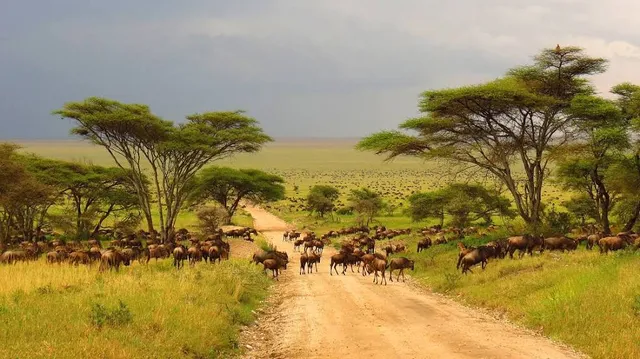
You can see the Great Migration in Tanzania all year round – they migrate in a circular motion around the Serengeti National Park as such it is an ongoing event. Below we will dissect where the wildebeest usually are at different times of the year. The Great Wildebeest Migration is rarely in the Masai Mara Kenya; the herds only ever venture there as an extension of their grazing lands in the northern point of Tanzania if they need to for fresh pastures. You can only find the migration in Kenya within a few months of the year when they head towards the border, and even then, most of the herds are still mulling around the northern parts of the Serengeti anyway...
July – October: This is when the wildebeest are in the northern Serengeti plains, and you have a chance of seeing up to thousands crossing the great Mara River. As the sight of the wildebeest crossing the so dramatic, it is considered by many the most desirable time to see the migration.
December – March: Currently the wildebeest are in the southern area of the Serengeti, more specifically in Ndutu which is actually in the Ngorongoro Conservation Area, and it is calving season. Along with the river crossings, this is a real highlight of the wildebeest’s journey and a fabulous time to see the herds congregate on the dramatic sweeping plains of the south. February is the only time of year when you are almost guaranteed to see the big herds all together as they always come south for calving season.
The rest of the year: In November, April, May and June the migration is “in between” locations and as such these months are slightly transitional times to see the herds. November is the short rains, April and May are the long rains and as such the grass is green in these months across the Serengeti, so the wildebeest are more dispersed than in the prime time of July – October and December – March. Thus, you don’t get as many of those condensed big herds which people get excited about!
Although we try to be as comprehensive as possible, something that is quite difficult to express on paper is a lot easier to explain over the phone, so please do just give us a call for a simple overview of the Migration's route.
The wildebeest migrate around the Serengeti, and into the Masai Mara for the sole purpose of following the rainfall. For their calving from December - March they always begin their cycle in the Southern Serengeti area of Ndutu and follow wherever the grass is greener... Whilst we have a good idea of where the wildebeest should be at any given time of year, it really does depend on where the rain falls. The wildebeest are notoriously unreliable, as although they generally all head from south to north Serengeti and back around again, they often zig-zag along the way, making it sometimes impossible to predict where the big herds will be at...
Read moreThe Serengeti National Park is truly one of the most majestic, raw, and awe-inspiring places on Earth. Located in northern Tanzania, this expansive savannah ecosystem is a living showcase of nature at its most primal and beautiful. I had the opportunity to spend several days exploring the park, and every moment was filled with wonder, discovery, and admiration for the sheer scale and diversity of life here.
One of the most impressive features of the Serengeti is its vast, open landscapes. The golden grasslands stretch as far as the eye can see, dotted with acacia trees and rocky outcrops known as kopjes. These dramatic features create an iconic African panorama that’s often seen in documentaries, and seeing it in person was nothing short of magical. The sunrise and sunset here are simply surreal, painting the sky in fiery colors that reflect off the open plains.
Wildlife viewing is beyond exceptional. Within hours of entering the park, we saw lions resting in the shade, elephants moving in herds, giraffes grazing calmly, and hippos wallowing in waterholes. One of the unforgettable highlights was witnessing the Great Migration — thousands upon thousands of wildebeest and zebras marching across the plains in a synchronized, instinct-driven spectacle. The sounds, sights, and movement of such an enormous animal procession left us absolutely speechless.
The guides and rangers are extremely knowledgeable and respectful of the environment. Their understanding of animal behavior and ecology greatly enhanced our experience. We were lucky to have a guide who not only spotted hidden leopards in trees but also explained the subtle cues animals give before interacting or moving. Safety was always a top priority, and every interaction with wildlife was done responsibly and with minimal intrusion.
Accommodation options within and near the park cater to a wide range of budgets, from tented camps to luxurious lodges. Many places are set in scenic locations, offering views of watering holes or migration paths. Falling asleep to the sounds of hyenas and distant lion roars is an experience unlike any other.
The Serengeti is not a quick-stop destination — it’s a place to slow down, observe, and connect with nature. Every turn of the road brings a new story, whether it’s a cheetah stalking prey or a family of warthogs trotting away with their tails held high. The park also has a deep cultural significance for the Maasai people, whose history and traditions are intricately tied to the land.
In conclusion, Serengeti National Park is a treasure trove of biodiversity and natural wonder. It's not just a safari destination — it's an emotional, humbling journey into the heart of Africa. Anyone who appreciates wildlife, open skies, and the rhythm of nature should experience this at least once in...
Read more