Lake Manyara National Park is a beautifully diverse and compact gem nestled at the base of the Great Rift Valley escarpment in northern Tanzania. Though smaller in size compared to the Serengeti or Ngorongoro, this park delivers an incredibly rich safari experience that feels both intimate and immersive. My visit here was nothing short of delightful, and it left a lasting impression due to its ecological variety and peaceful setting.
The first thing that strikes you about Lake Manyara is its scenic variety. Within just a short drive, the environment changes dramatically — from dense groundwater forests teeming with baboons, to grassy floodplains dotted with wildebeests, to the glistening soda lake that gives the park its name. These transitions create a dynamic backdrop for wildlife viewing and photography. The towering fig and mahogany trees in the forested section feel almost jungle-like and contrast beautifully with the open plains and shimmering water.
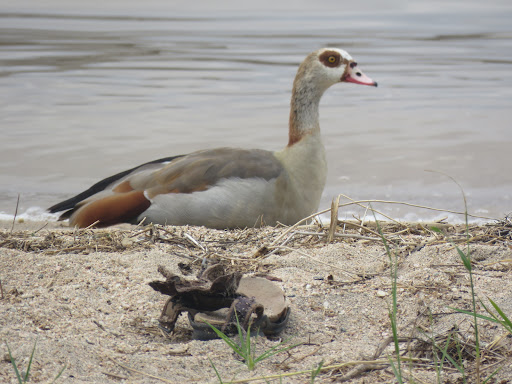
The lake itself is a central attraction. Stretching along the eastern edge of the park, Lake Manyara is a seasonal home to thousands of flamingos, pelicans, storks, and other bird species. Birdwatching here is exceptional — whether you’re a novice or a seasoned ornithologist, the sheer density and diversity of birdlife are captivating. Watching flocks of flamingos turn the lake pink in the morning light was a surreal experience.
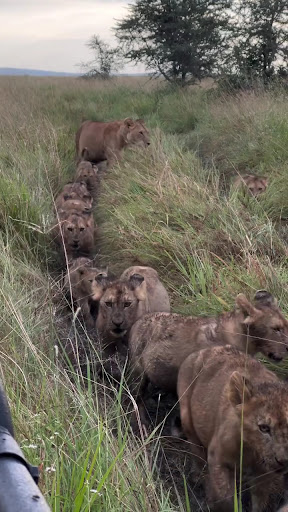
As for mammals, the park doesn’t disappoint. We saw elephants gracefully moving through the forest, troops of baboons dominating the roadside, and even hippos cooling off in a waterhole. Lake Manyara is also famous for its tree-climbing lions, though we weren’t lucky enough to spot them during our visit — still, the excitement of the possibility kept us eagerly scanning the trees. The park is home to giraffes, zebras, buffaloes, warthogs, and numerous antelope species as well.
Unlike some of the larger and more crowded parks, Lake Manyara feels calm and less commercial. It’s ideal for those seeking a quieter, more personal wildlife experience. The well-maintained tracks and interpretive signage also make it an educational trip for families and first-time safari-goers.
Additionally, the backdrop of the Rift Valley cliffs adds a dramatic flair to the landscape, especially at sunset when the light hits the escarpment. You can also find hot springs bubbling on the southern end of the park, giving a geothermal twist to the safari.
Overall, Lake Manyara National Park is a fantastic destination for a half- or full-day safari. While it might not have the massive herds of the Serengeti, it makes up for it with diversity, tranquility, and beauty packed into a relatively small area. It’s definitely worth including in any northern...
Read more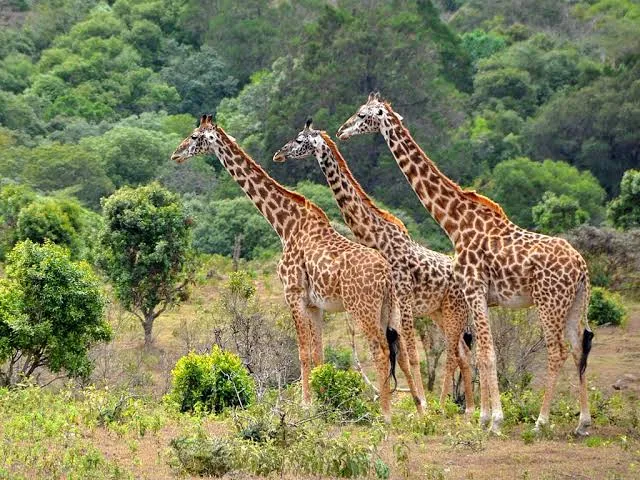
 Learn more insights from Wanderboat AI.