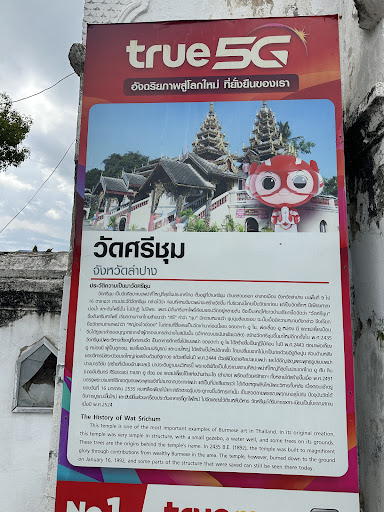
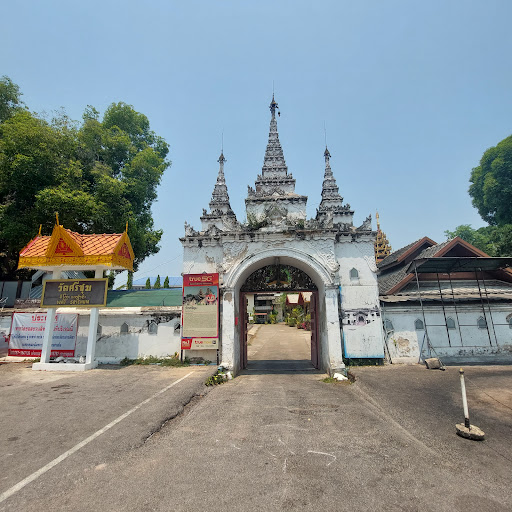
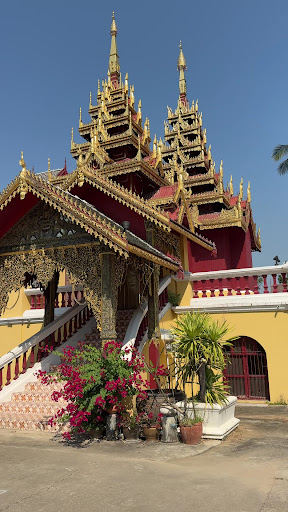
Wat Srichum things to do, attractions, restaurants, events info and trip planning
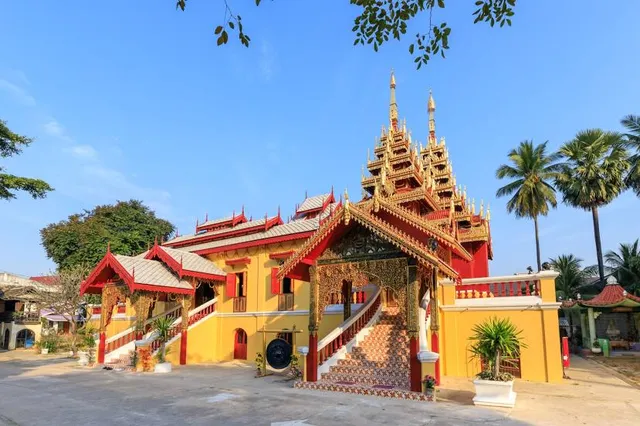
Basic Info
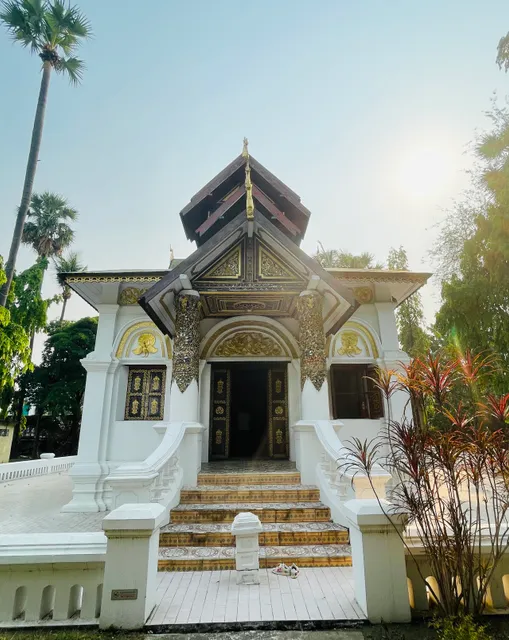
Wat Srichum
211 Tippawan Rd, Mueang Lampang District, Lampang 52100, Thailand
4.4(415)
Closed
Save
spot
spot
Ratings & Description
Info
Cultural
Scenic
Family friendly
attractions: Kad Kongta Night Market, Wat Pa Fang, Wat Chai Mongkol, Amok Tower, restaurants: Hope and grinds, Ka Ki Nung, ร้านข้าวซอยซุปเปอร์, Runway Kitchen Restaurant, Renoo Cake, Theparos 66, Rosnana, Krua Mukda, Before Café, ผัดไทย ป้าป๋อง ลำปาง, local businesses: Lampang Arts Center, Wat Koh Walukaram, Ratsada Phisek Bridge
 Learn more insights from Wanderboat AI.
Open hoursSee all hours
Wed6 AM - 8 PMClosed
Plan your stay

Pet-friendly Hotels in เทศบาลนครลำปาง
Find a cozy hotel nearby and make it a full experience.

Affordable Hotels in เทศบาลนครลำปาง
Find a cozy hotel nearby and make it a full experience.

The Coolest Hotels You Haven't Heard Of (Yet)
Find a cozy hotel nearby and make it a full experience.

Trending Stays Worth the Hype in เทศบาลนครลำปาง
Find a cozy hotel nearby and make it a full experience.
Reviews
Nearby attractions of Wat Srichum
Kad Kongta Night Market
Wat Pa Fang
Wat Chai Mongkol
Amok Tower

Kad Kongta Night Market
4.5
(2.6K)
Open until 12:00 AM
Click for details
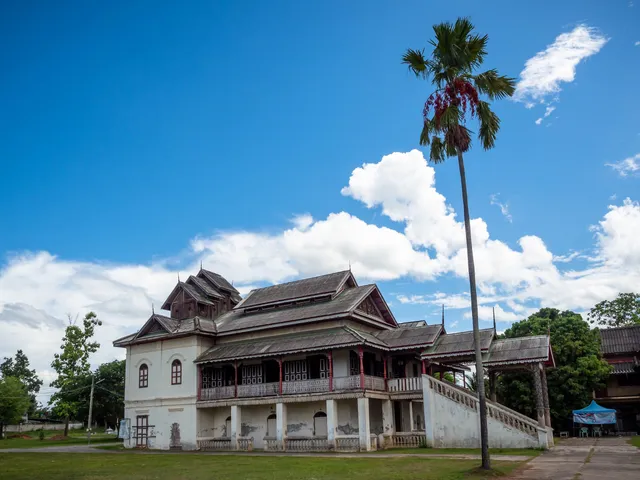
Wat Pa Fang
4.6
(57)
Open 24 hours
Click for details
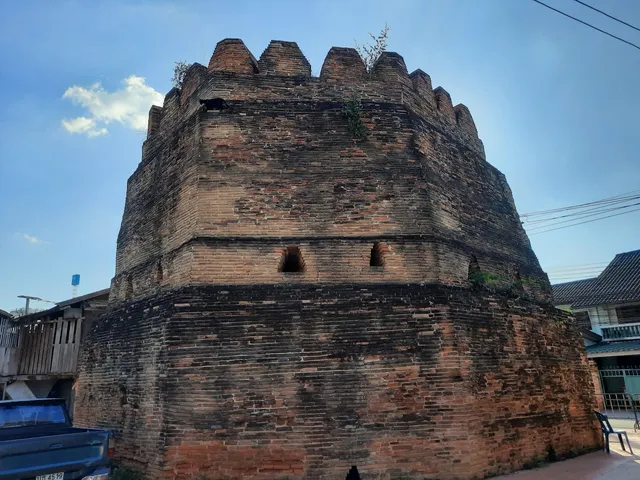
Wat Chai Mongkol
4.5
(75)
Closed
Click for details
Amok Tower
4.0
(74)
Open 24 hours
Click for details
Nearby restaurants of Wat Srichum
Hope and grinds
Ka Ki Nung
ร้านข้าวซอยซุปเปอร์
Runway Kitchen Restaurant
Renoo Cake
Theparos 66
Rosnana
Krua Mukda
Before Café
ผัดไทย ป้าป๋อง ลำปาง
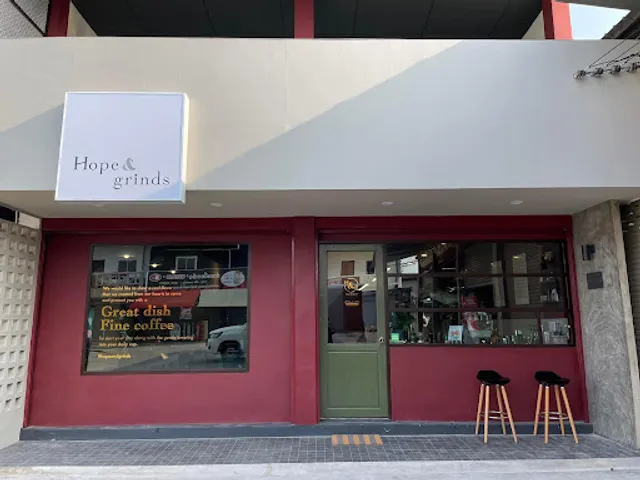
Hope and grinds
4.8
(110)
Closed
Click for details
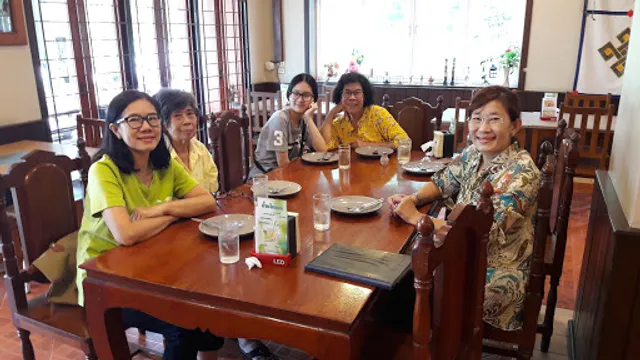
Ka Ki Nung
4.4
(119)
Closed
Click for details
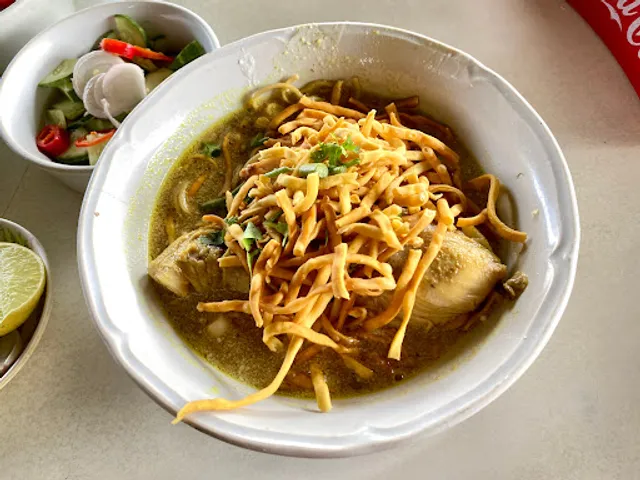
ร้านข้าวซอยซุปเปอร์
4.1
(250)
Closed
Click for details
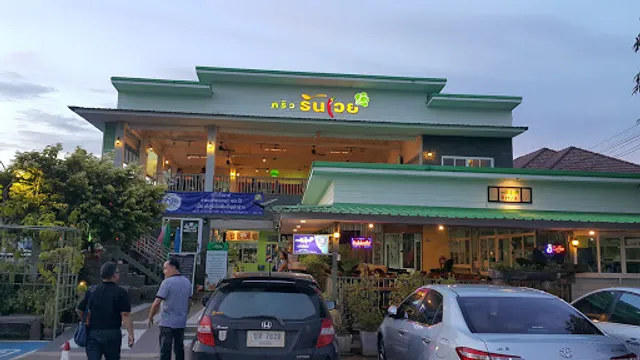
Runway Kitchen Restaurant
4.2
(489)
Closed
Click for details
Nearby local services of Wat Srichum
Lampang Arts Center
Wat Koh Walukaram
Ratsada Phisek Bridge
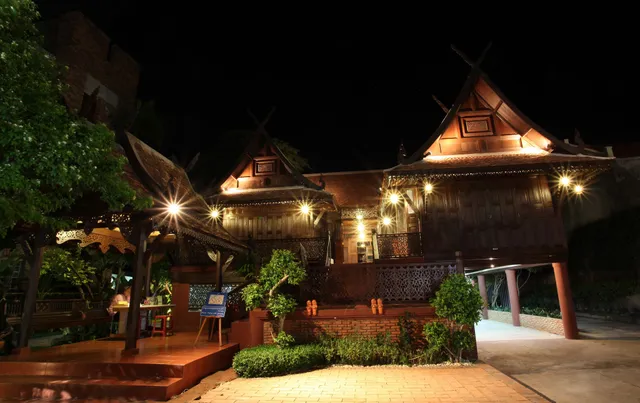
Lampang Arts Center
4.5
(29)
Click for details
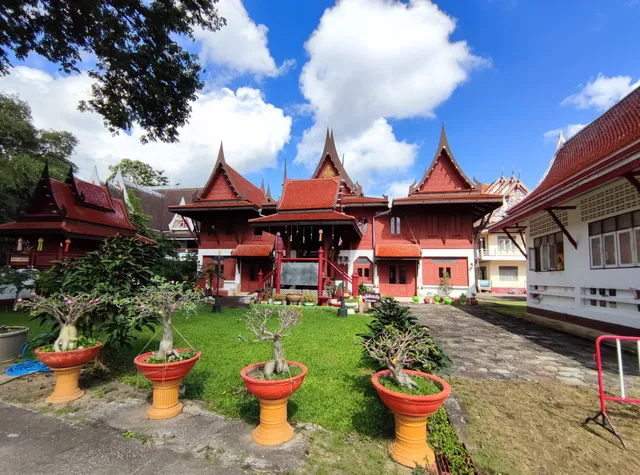
Wat Koh Walukaram
4.5
(72)
Click for details
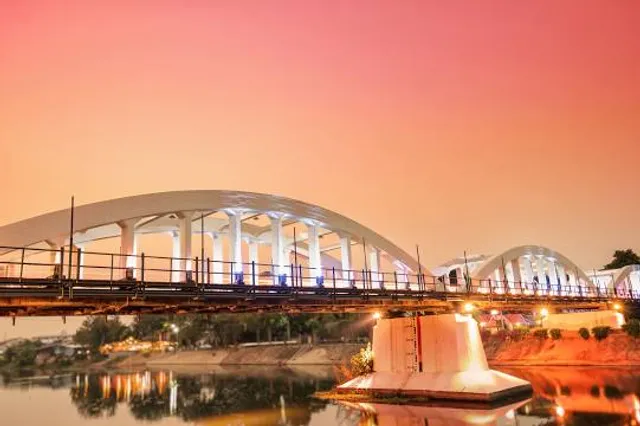
Ratsada Phisek Bridge
4.5
(111)
Click for details