HTML SitemapExplore

Kamphaeng Phet Historical Park — Attraction in Kamphaeng Phet Province

Name
Kamphaeng Phet Historical Park
Description
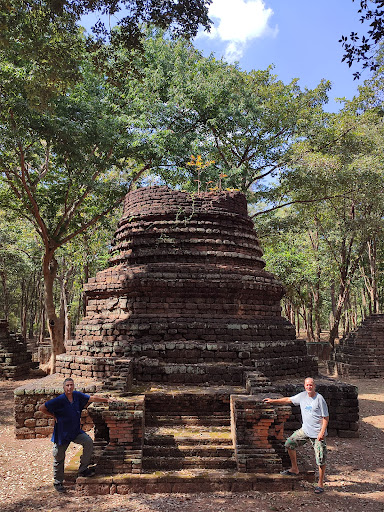
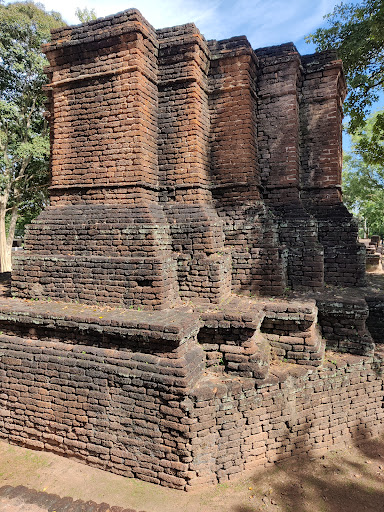
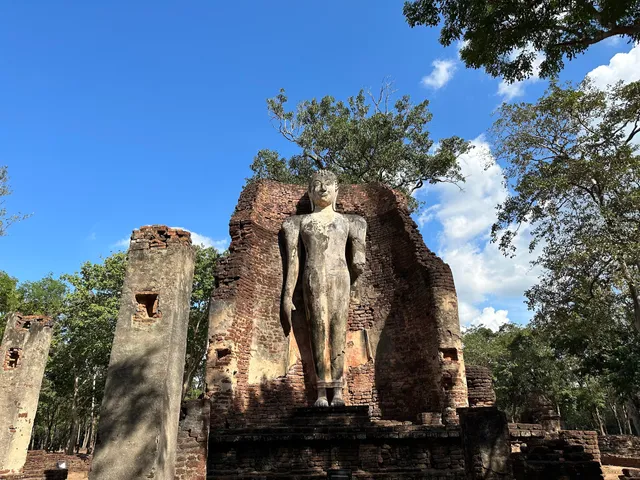
Kamphaeng Phet Historical Park is an archeological site in Kamphaeng Phet, Thailand. Along with Sukhothai Historical Park and Si Satchanalai historical park, it is a part of the UNESCO World Heritage Site Historic Town of Sukhothai and Associated Historic Towns.
Nearby attractions
Wat Bo Sam Saen
หมู่บ้านบ่อสามแสน Nong Pling, เมือง Kamphaeng Phet 62000, Thailand
Wat Phra Si Iriyabot
GG27+GVG, Nong Pling, Mueang Kamphaeng Phet District, Kamphaeng Phet 62000, Thailand
Nearby restaurants
Nearby local services
Nearby hotels
Related posts
Keywords
Kamphaeng Phet Historical Park tourism.Kamphaeng Phet Historical Park hotels.Kamphaeng Phet Historical Park bed and breakfast. flights to Kamphaeng Phet Historical Park.Kamphaeng Phet Historical Park attractions.Kamphaeng Phet Historical Park restaurants.Kamphaeng Phet Historical Park local services.Kamphaeng Phet Historical Park travel.Kamphaeng Phet Historical Park travel guide.Kamphaeng Phet Historical Park travel blog.Kamphaeng Phet Historical Park pictures.Kamphaeng Phet Historical Park photos.Kamphaeng Phet Historical Park travel tips.Kamphaeng Phet Historical Park maps.Kamphaeng Phet Historical Park things to do.
Kamphaeng Phet Historical Park things to do, attractions, restaurants, events info and trip planning
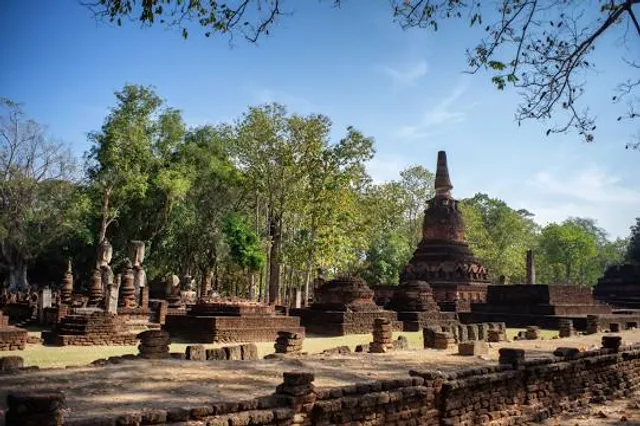
Kamphaeng Phet Historical Park
ThailandKamphaeng Phet ProvinceKamphaeng Phet Historical Park

Basic Info

Kamphaeng Phet Historical Park

Nong Pling, Mueang Kamphaeng Phet District, Kamphaeng Phet 62000, Thailand
4.6(868)
Open until 6:00 PM
Save
spot

Ratings & Description

Info

Kamphaeng Phet Historical Park is an archeological site in Kamphaeng Phet, Thailand. Along with Sukhothai Historical Park and Si Satchanalai historical park, it is a part of the UNESCO World Heritage Site Historic Town of Sukhothai and Associated Historic Towns.

Cultural
Outdoor
Scenic
Family friendly
Off the beaten path
attractions: Wat Bo Sam Saen, Wat Phra Si Iriyabot, restaurants: , local businesses:

logoLearn more insights from Wanderboat AI.
Phone
+66 55 854 736
Website
facebook.com
Open hoursSee all hours
Fri6 AM - 6 PMOpen

Plan your stay

hotel
Pet-friendly Hotels in Kamphaeng Phet Province
Find a cozy hotel nearby and make it a full experience.

hotel
Affordable Hotels in Kamphaeng Phet Province
Find a cozy hotel nearby and make it a full experience.

hotel
The Coolest Hotels You Haven't Heard Of (Yet)
Find a cozy hotel nearby and make it a full experience.

hotel
Trending Stays Worth the Hype in Kamphaeng Phet Province
Find a cozy hotel nearby and make it a full experience.

Reviews

Nearby attractions of Kamphaeng Phet Historical Park

Wat Bo Sam Saen

Wat Phra Si Iriyabot
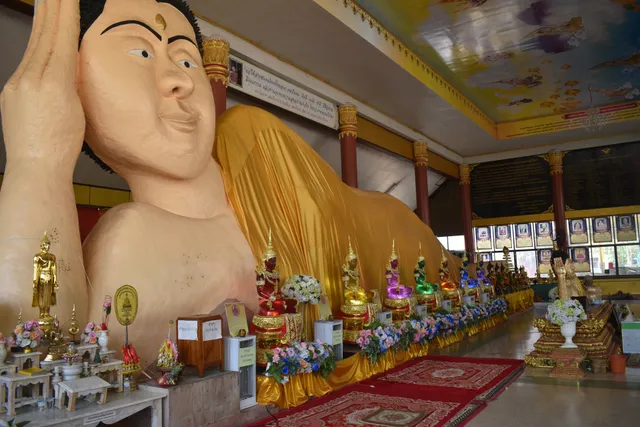
Wat Bo Sam Saen

Wat Bo Sam Saen

4.4

(120)

Open until 12:00 AM
Click for details
Wat Phra Si Iriyabot

Wat Phra Si Iriyabot

4.7

(308)

Open 24 hours
Click for details
Get the Appoverlay
Get the AppOne tap to find yournext favorite spots!
Wanderboat LogoWanderboat

Your everyday Al companion for getaway ideas

CompanyAbout Us
InformationAI Trip PlannerSitemap
SocialXInstagramTiktokLinkedin
LegalTerms of ServicePrivacy Policy

Get the app

© 2025 Wanderboat. All rights reserved.

Posts

Hans TibboelHans Tibboel
This UNESCO World Heritage Site should be on any Thai history / culture buff's list of must see places. The park is HUGE with 30 ancient temples and other structures and meticulously well kept by its staff. We were welcomed in the visitors center by extremely friendly and knowledgeable staff who were eager to show us around, lecture us on the history of the temple ruins and the ancient settlement. They were also quick to answer any questions we had about this remarkable place. We were even offered a free guided tour on one of the electric busses to the four biggest and most important temples. The park has lots of trees and there's plenty of shade to be able to enjoy the temple ruins during hot days. Visitors are allowed to enter the park with their own car and there are good roads to navigate on throughout the park. There are also plenty of clean toilets, a couple of places with benches and a little shop selling cold drinks and snacks. The Kampheang Phet historical park is larger than the Sukhothai historical park and has a few unique features that cannot be found elsewhere in Thailand. (Largest laterite temple column, most ornate elephant sculptures on single temple building etc). The park is not crowded by visitors making it perfect to explore in peace and quiet and to be able to shoot some really nice pictures. The long and impressive old city wall is free to visit and has some enormous trees growing on it making for great pictures. We stayed 3 days in Kampheang Phet and spent one full day exploring the historical park, city wall and other ruins.
John KJohn K
This review is specifically for the larger of the two sections of this historic park. Ticket for one section is 100 thb, while a ticket for both sections is 150 thb. Entry for a car is an additional 50 thb. I would say that if your time is limited, you could give the smaller section to the southeast a pass. The temples there are very nice, but similar enough to what you will see in the larger section. I spent about 2.5 hours here and saw everything I wanted to see except for a few out of the way temples in the far west of the park, which were guarded by enough stray dogs to make me nervous about getting out of the car. Each temple has a signboard explaining the history, construction, and key features of that complex. The larger temples have one or more QR codes which link you to YouTube audio descriptions as well. Very helpful and very interesting. The entire park is located within a shaded forest, making it comfortable to visit even on a hot day. Overall this was an excellent experience, one I would recommend for anyone at least a little bit interested in the history of this time period. One improvement I would like to recommend to park administration: I wish there were bicycles for rent, rather than having to drive a car from temple to temple. The grounds are level and shady and ideally suited to bicycle traffic. Please consider adding this service. Final note - there are toilets throughout the park. They are clean and provide soap, but only squat toilets are available.
tiziano matteuccitiziano matteucci
Kamphaeng Phet (กำแพงเพชร ) ovvero: Mura di diamante Un chiaro riferimento alle mura che cingevano la città e proteggevano il regno di Sukhothai di cui era la roccaforte nord occidentale. Il nome venne cambiato in Kamphaeng Phet nel 1347 quando la città venne fortificata per volere del sovrano del Regno di Sukhothai e da allora solo nei primi decenni del 1800 ha abbandonato la sua funzione di baluardo contro le invasioni birmane e Lanna. Da roccaforte del Regno di Sukhothai, che si trova circa 70 km ad est, nel 1378, conquistata dall'esercito del Regno di Ayutthaya divenne, nei secoli successivi, la roccaforte settentrionale del Regno. Spesso attaccata ed occupata dagli eserciti del Regno Lanna sino alla metà del 1500 e, alla caduta dei Lanna, periodicamente attaccata ed occupata dai birmani. Ma Kamphaeng Phet fu ogni volta riconquistata dai sovrani di Ayutthaya. Parco storico di Kamphaeng Phet Il Parco Storico di Kamphaeng Phet, assieme a quello di Sukhothai e a quello di Si Satchanalai, è inserito nella lista dei patrimoni dell'umanità dell'UNESCO. Le principali informazioni sui materiali e sulle tecniche costruttive impiegati nell'architettura del Sud-Est asiatico si ricavano dagli edifici a destinazione religiosa: nulla è infatti rimasto delle opere civili costruite con materiali deperibili, che non hanno resistito al tempo, né è nota l'architettura lignea d'ispirazione religiosa che ha preceduto le opere di pietra. Con l'epoca di Sukhothai (metà del XIII - metà del XV sec.) e Ayutthaya (XIV-XVIII sec.) si sperimenta l'uso di materiali diversi in combinazione: accanto al mattone, che continua a essere il materiale d'elezione nella regione, viene usata anche la laterite intonacata, secondo una tecnica di derivazione Khmer. [...] Le coperture delle sale colonnate antecedenti le torri-reliquiario e i tetti di vihan e mondop hanno invece travature lignee oggi scomparse. I resti dell'antica città si trovano a nord della moderna Kamphaeng Phet e sono divisi in più aree recintate e non, oltre a reperti isolati inglobati nel tessuto urbano della città moderna. Le aree principali sono due, le altre aree sono occupate da singoli ruderi non restaurati o di cui rimangono a mala pena le fondamenta. L'ambiente architettonico del Parco Storico di Kamphaeng Phet, edificato nell'arco di circa due secoli, non ha uguali in Thailandia. Comprende edifici risalenti all'epoca del regno di Sukhothai ed edifici del peridio del regno di Ayuthaya. La prima area con ingresso a pagamento (ha due ingressi uno a sud e uno a nord) si trova all'interno delle antiche mura della città ed è facilmente individuabile, la strada statale che porta a Suhkothai taglia in due tronconi le antiche mura e fiancheggia l'area. La seconda area, molto più ampia della prima, si raggiunge uscendo dalle mura in direzione Sukhothai, anche quest'area ha due ingressi, uno a circa 2 km percorrendo una strada secondaria interna e l'altro a circa 4 km posto sulla strada statale.
See more posts
See more posts
hotel
Find your stay

Pet-friendly Hotels in Kamphaeng Phet Province

Find a cozy hotel nearby and make it a full experience.

This UNESCO World Heritage Site should be on any Thai history / culture buff's list of must see places. The park is HUGE with 30 ancient temples and other structures and meticulously well kept by its staff. We were welcomed in the visitors center by extremely friendly and knowledgeable staff who were eager to show us around, lecture us on the history of the temple ruins and the ancient settlement. They were also quick to answer any questions we had about this remarkable place. We were even offered a free guided tour on one of the electric busses to the four biggest and most important temples. The park has lots of trees and there's plenty of shade to be able to enjoy the temple ruins during hot days. Visitors are allowed to enter the park with their own car and there are good roads to navigate on throughout the park. There are also plenty of clean toilets, a couple of places with benches and a little shop selling cold drinks and snacks. The Kampheang Phet historical park is larger than the Sukhothai historical park and has a few unique features that cannot be found elsewhere in Thailand. (Largest laterite temple column, most ornate elephant sculptures on single temple building etc). The park is not crowded by visitors making it perfect to explore in peace and quiet and to be able to shoot some really nice pictures. The long and impressive old city wall is free to visit and has some enormous trees growing on it making for great pictures. We stayed 3 days in Kampheang Phet and spent one full day exploring the historical park, city wall and other ruins.
Hans Tibboel

Hans Tibboel

hotel
Find your stay

Affordable Hotels in Kamphaeng Phet Province

Find a cozy hotel nearby and make it a full experience.

Get the Appoverlay
Get the AppOne tap to find yournext favorite spots!
This review is specifically for the larger of the two sections of this historic park. Ticket for one section is 100 thb, while a ticket for both sections is 150 thb. Entry for a car is an additional 50 thb. I would say that if your time is limited, you could give the smaller section to the southeast a pass. The temples there are very nice, but similar enough to what you will see in the larger section. I spent about 2.5 hours here and saw everything I wanted to see except for a few out of the way temples in the far west of the park, which were guarded by enough stray dogs to make me nervous about getting out of the car. Each temple has a signboard explaining the history, construction, and key features of that complex. The larger temples have one or more QR codes which link you to YouTube audio descriptions as well. Very helpful and very interesting. The entire park is located within a shaded forest, making it comfortable to visit even on a hot day. Overall this was an excellent experience, one I would recommend for anyone at least a little bit interested in the history of this time period. One improvement I would like to recommend to park administration: I wish there were bicycles for rent, rather than having to drive a car from temple to temple. The grounds are level and shady and ideally suited to bicycle traffic. Please consider adding this service. Final note - there are toilets throughout the park. They are clean and provide soap, but only squat toilets are available.
John K

John K

hotel
Find your stay

The Coolest Hotels You Haven't Heard Of (Yet)

Find a cozy hotel nearby and make it a full experience.

hotel
Find your stay

Trending Stays Worth the Hype in Kamphaeng Phet Province

Find a cozy hotel nearby and make it a full experience.

Kamphaeng Phet (กำแพงเพชร ) ovvero: Mura di diamante Un chiaro riferimento alle mura che cingevano la città e proteggevano il regno di Sukhothai di cui era la roccaforte nord occidentale. Il nome venne cambiato in Kamphaeng Phet nel 1347 quando la città venne fortificata per volere del sovrano del Regno di Sukhothai e da allora solo nei primi decenni del 1800 ha abbandonato la sua funzione di baluardo contro le invasioni birmane e Lanna. Da roccaforte del Regno di Sukhothai, che si trova circa 70 km ad est, nel 1378, conquistata dall'esercito del Regno di Ayutthaya divenne, nei secoli successivi, la roccaforte settentrionale del Regno. Spesso attaccata ed occupata dagli eserciti del Regno Lanna sino alla metà del 1500 e, alla caduta dei Lanna, periodicamente attaccata ed occupata dai birmani. Ma Kamphaeng Phet fu ogni volta riconquistata dai sovrani di Ayutthaya. Parco storico di Kamphaeng Phet Il Parco Storico di Kamphaeng Phet, assieme a quello di Sukhothai e a quello di Si Satchanalai, è inserito nella lista dei patrimoni dell'umanità dell'UNESCO. Le principali informazioni sui materiali e sulle tecniche costruttive impiegati nell'architettura del Sud-Est asiatico si ricavano dagli edifici a destinazione religiosa: nulla è infatti rimasto delle opere civili costruite con materiali deperibili, che non hanno resistito al tempo, né è nota l'architettura lignea d'ispirazione religiosa che ha preceduto le opere di pietra. Con l'epoca di Sukhothai (metà del XIII - metà del XV sec.) e Ayutthaya (XIV-XVIII sec.) si sperimenta l'uso di materiali diversi in combinazione: accanto al mattone, che continua a essere il materiale d'elezione nella regione, viene usata anche la laterite intonacata, secondo una tecnica di derivazione Khmer. [...] Le coperture delle sale colonnate antecedenti le torri-reliquiario e i tetti di vihan e mondop hanno invece travature lignee oggi scomparse. I resti dell'antica città si trovano a nord della moderna Kamphaeng Phet e sono divisi in più aree recintate e non, oltre a reperti isolati inglobati nel tessuto urbano della città moderna. Le aree principali sono due, le altre aree sono occupate da singoli ruderi non restaurati o di cui rimangono a mala pena le fondamenta. L'ambiente architettonico del Parco Storico di Kamphaeng Phet, edificato nell'arco di circa due secoli, non ha uguali in Thailandia. Comprende edifici risalenti all'epoca del regno di Sukhothai ed edifici del peridio del regno di Ayuthaya. La prima area con ingresso a pagamento (ha due ingressi uno a sud e uno a nord) si trova all'interno delle antiche mura della città ed è facilmente individuabile, la strada statale che porta a Suhkothai taglia in due tronconi le antiche mura e fiancheggia l'area. La seconda area, molto più ampia della prima, si raggiunge uscendo dalle mura in direzione Sukhothai, anche quest'area ha due ingressi, uno a circa 2 km percorrendo una strada secondaria interna e l'altro a circa 4 km posto sulla strada statale.
tiziano matteucci

tiziano matteucci

See more posts
See more posts

Reviews of Kamphaeng Phet Historical Park

4.6
(868)
avatar
5.0
1y

This UNESCO World Heritage Site should be on any Thai history / culture buff's list of must see places. The park is HUGE with 30 ancient temples and other structures and meticulously well kept by its staff. We were welcomed in the visitors center by extremely friendly and knowledgeable staff who were eager to show us around, lecture us on the history of the temple ruins and the ancient settlement. They were also quick to answer any questions we had about this remarkable place. We were even offered a free guided tour on one of the electric busses to the four biggest and most important temples. The park has lots of trees and there's plenty of shade to be able to enjoy the temple ruins during hot days. Visitors are allowed to enter the park with their own car and there are good roads to navigate on throughout the park. There are also plenty of clean toilets, a couple of places with benches and a little shop selling cold drinks and snacks. The Kampheang Phet historical park is larger than the Sukhothai historical park and has a few unique features that cannot be found elsewhere in Thailand. (Largest laterite temple column, most ornate elephant sculptures on single temple building etc). The park is not crowded by visitors making it perfect to explore in peace and quiet and to be able to shoot some really nice pictures. The long and impressive old city wall is free to visit and has some enormous trees growing on it making for great pictures. We stayed 3 days in Kampheang Phet and spent one full day exploring the historical park, city wall and...

   Read more
avatar
5.0
2y

This review is specifically for the larger of the two sections of this historic park. Ticket for one section is 100 thb, while a ticket for both sections is 150 thb. Entry for a car is an additional 50 thb. I would say that if your time is limited, you could give the smaller section to the southeast a pass. The temples there are very nice, but similar enough to what you will see in the larger section. I spent about 2.5 hours here and saw everything I wanted to see except for a few out of the way temples in the far west of the park, which were guarded by enough stray dogs to make me nervous about getting out of the car. Each temple has a signboard explaining the history, construction, and key features of that complex. The larger temples have one or more QR codes which link you to YouTube audio descriptions as well. Very helpful and very interesting. The entire park is located within a shaded forest, making it comfortable to visit even on a hot day. Overall this was an excellent experience, one I would recommend for anyone at least a little bit interested in the history of this time period. One improvement I would like to recommend to park administration: I wish there were bicycles for rent, rather than having to drive a car from temple to temple. The grounds are level and shady and ideally suited to bicycle traffic. Please consider adding this service. Final note - there are toilets throughout the park. They are clean and provide soap, but only squat toilets...

   Read more
avatar
4.0
8y

Kamphaeng Phet (กำแพงเพชร ) ovvero: Mura di diamante Un chiaro riferimento alle mura che cingevano la città e proteggevano il regno di Sukhothai di cui era la roccaforte nord occidentale. Il nome venne cambiato in Kamphaeng Phet nel 1347 quando la città venne fortificata per volere del sovrano del Regno di Sukhothai e da allora solo nei primi decenni del 1800 ha abbandonato la sua funzione di baluardo contro le invasioni birmane e Lanna. Da roccaforte del Regno di Sukhothai, che si trova circa 70 km ad est, nel 1378, conquistata dall'esercito del Regno di Ayutthaya divenne, nei secoli successivi, la roccaforte settentrionale del Regno. Spesso attaccata ed occupata dagli eserciti del Regno Lanna sino alla metà del 1500 e, alla caduta dei Lanna, periodicamente attaccata ed occupata dai birmani. Ma Kamphaeng Phet fu ogni volta riconquistata dai sovrani di Ayutthaya.

Parco storico di Kamphaeng Phet Il Parco Storico di Kamphaeng Phet, assieme a quello di Sukhothai e a quello di Si Satchanalai, è inserito nella lista dei patrimoni dell'umanità dell'UNESCO. Le principali informazioni sui materiali e sulle tecniche costruttive impiegati nell'architettura del Sud-Est asiatico si ricavano dagli edifici a destinazione religiosa: nulla è infatti rimasto delle opere civili costruite con materiali deperibili, che non hanno resistito al tempo, né è nota l'architettura lignea d'ispirazione religiosa che ha preceduto le opere di pietra. Con l'epoca di Sukhothai (metà del XIII - metà del XV sec.) e Ayutthaya (XIV-XVIII sec.) si sperimenta l'uso di materiali diversi in combinazione: accanto al mattone, che continua a essere il materiale d'elezione nella regione, viene usata anche la laterite intonacata, secondo una tecnica di derivazione Khmer. [...] Le coperture delle sale colonnate antecedenti le torri-reliquiario e i tetti di vihan e mondop hanno invece travature lignee oggi scomparse. I resti dell'antica città si trovano a nord della moderna Kamphaeng Phet e sono divisi in più aree recintate e non, oltre a reperti isolati inglobati nel tessuto urbano della città moderna. Le aree principali sono due, le altre aree sono occupate da singoli ruderi non restaurati o di cui rimangono a mala pena le fondamenta. L'ambiente architettonico del Parco Storico di Kamphaeng Phet, edificato nell'arco di circa due secoli, non ha uguali in Thailandia. Comprende edifici risalenti all'epoca del regno di Sukhothai ed edifici del peridio del regno di Ayuthaya. La prima area con ingresso a pagamento (ha due ingressi uno a sud e uno a nord) si trova all'interno delle antiche mura della città ed è facilmente individuabile, la strada statale che porta a Suhkothai taglia in due tronconi le antiche mura e fiancheggia l'area. La seconda area, molto più ampia della prima, si raggiunge uscendo dalle mura in direzione Sukhothai, anche quest'area ha due ingressi, uno a circa 2 km percorrendo una strada secondaria interna e l'altro a circa 4 km posto sulla...

   Read more
Page 1 of 7
Previous
Next