Rasengan is a Ninjutsu technique developed over the span of three years by the Fourth Hokage, who created it as an Futon element. The technique has been taught to his sensei, Jiraiya, who then passed it on to the young ninja Naruto years later. Like Kage Bunshin no Jutsu, Naruto would adopt the technique as a signature move and make it all his own. The technique is unlike other jutsu in that it does not require any hand seals, it just relied on the ninja's ability to mold chakra. The ninja concentrates a contained, fast, rotating sphere of chakra in the palm of their hand which can cause much destructive impact. Thus the technique was pure shape manipulation of chakra, which was based on the Tail Beast bomb, however, the Rasengan is an incomplete jutsu which also required the users chakra affinity. However, it was too difficult for Minato to complete before his death. Hatake Kakashi stated the technique was unfinished for this reason, as the Fourth Hokage, he did not get a chance to add some form of nature manipulation to it and it was even unclear whether it is even possible for an elemental nature to be added. Naruto dedicated himself to this task though, in the hopes of fusing his Wind elemental nature with the Rasengan's shape manipulation. He eventually succeeded after long and hard training, which took advantage of Kage Bunshin's memory absorption capabilities. He was able to finish the Jutsu in the span of a few weeks what would have taken a normal ninja...
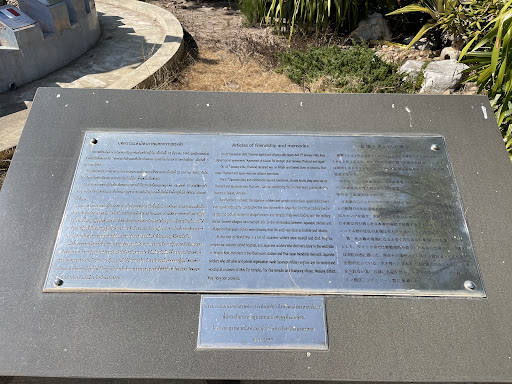
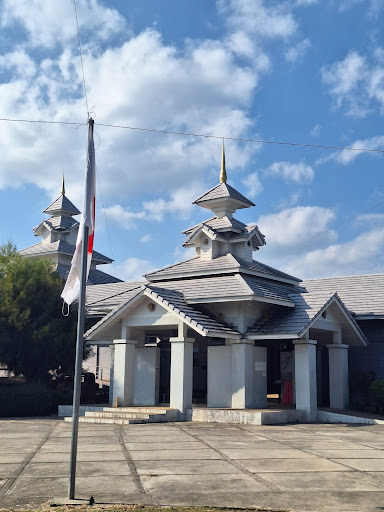
Read moreIt was along the way in our drive around the Mae Hong Son loop so we stopped by. The parking lot was empty so we decided to not to pay 100 baht to go inside. Thailand was Japan's strong ally during WWII and even up to now, the 2 countries have maintained strong ties.
I like museums and learning about history but I did not feel the need to spend money here. Besides, we don't want to be on the road after sunset. If you have time, it might be worth your while to check out inside. But Google has provided great articles about Thai-Japan...
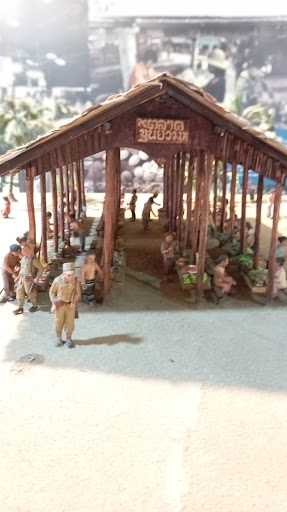
Read moreA super interesting look into the history of this town and how the japanese invasion impacted the local community, includes information as well as relics from the period. Everything is very focussed on how friendly the Japanese were with the locals, however there is also hints of locals not appreciating their presence such as biographies of certain locals mentioning that they fled the area upon Japanese arrival etc. This perspective felt very brushed under the rug though, and would have been interesting to hear more...
Read more