Ancient Khmer and Buddhist site. Quiet, shaded and peaceful ruins older than Sukhothai and Ayutthaya. An easy to reach place to relax contemplate and soak up the spiritual atmosphere. Can combine with a trip to nearby Baan Chieng Hien with its iron age village circular moat and burial...
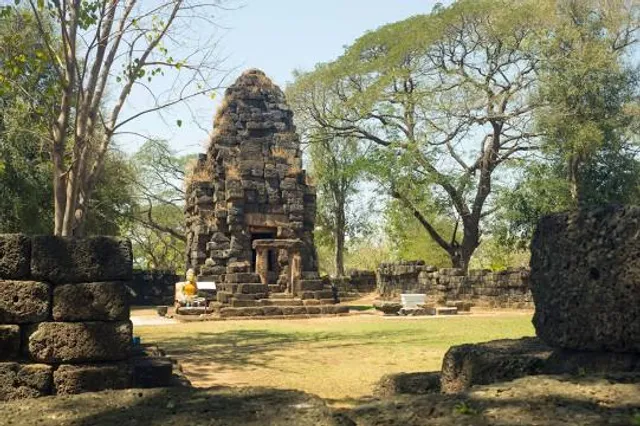
   Read moreKu Mahathat, also known locally as Prang Ku Ban Khwao, is a significant ancient site in Maha Sarakham Province. Believed to have been built in the 11thâ12th century during the Khom (ancient civilization), it was originally a Hindu sanctuary before being adapted for Buddhist use.
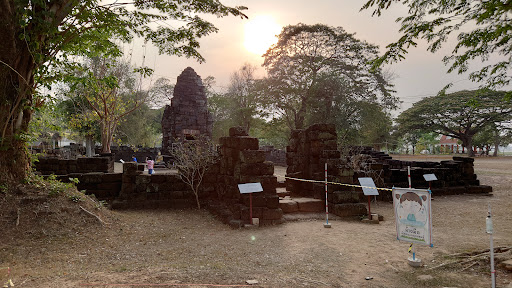
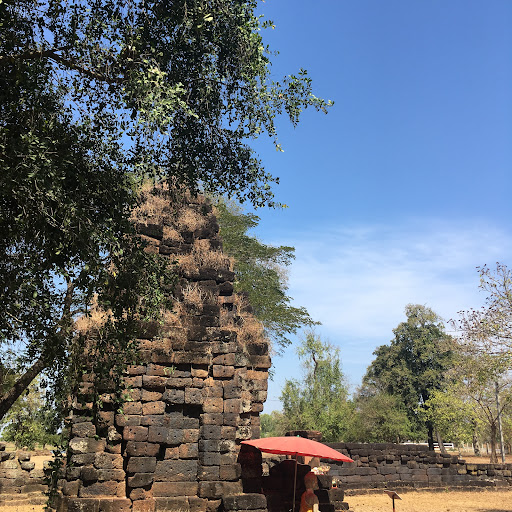
The site preserves laterite and brick ruins, including the main prang and surrounding stupas. Despite erosion over time, the architecture still reflects the distinctive BaphuonâBayon style of Khom art.
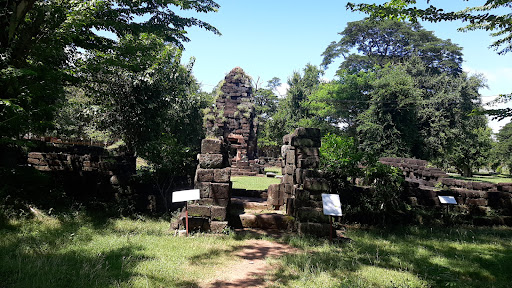
The peaceful surroundings, shaded by large trees, make it a pleasant place to explore, take photos, and learn about local history. Ku Mahathat is not only a cultural landmark but also a reminder of the regionâs deep historical rootsâa must-visit for heritage travelers in Maha Sarakham. āļĄāļēāļĢāđāļ§āļĄāļāļąāļāļĢāļāļĢāļāļāđāļāļāđāļāđāļāļģāļ§āđāļē "Kmher / āđāļāļĄāļĢ" āđāļāļĢāļĩāļ§āļīāļ§ āđāļāđāļāļģāļ§āđāļē Khom / āļāļāļĄ āļŦāļĢāļ·āļ Khom (ancient...
   Read moreâ ððŋāđāļāļĢāļēāļāļŠāļāļēāļāđāļāđāļēāđāļāđ āļŠāļĄāļąāļĒāļāļāļĄāļāļēāļĒāļ āļāļĢāļēāļāļāđāļāļđāđāļāļģāļāļēāļāļŦāļīāļāļĻāļīāļĨāļēāđāļĨāļ āļāđāļēāļāđāļāļĄāļĩāļāļĢāļ°āļāļļāļāļāļĢāļđāļāđāļŦāđāļŠāļąāļāļāļēāļĢāļ°ð āļāđāļēāļāļāļāļāļĄāļĩāļāļĢāļ°āļāļļāļāļāļĢāļđāļāļāļēāļāđāļŠāļĒāļēāļŠāļāđ āļĄāļĩāļĢāļąāđāļ§āļĨāđāļāļĄāļĻāļīāļĨāļēāđāļĨāļ āļāļļāđāļĄāļāļĢāļ°āļāļđāļŦāļīāļāļāļĢāļēāļĒ āļāļĢāļĄāļĻāļīāļĨāļāļēāļāļĢāļāļđāļĢāļāļ°āđāļŦāđāļŠāļĄāļāļđāļĢāļāđ āđāļāđāļāđāļŦāļĨāđāļāļāđāļāļāđāļāļĩāđāļĒāļ§(āđāļĄāđāļāđāļāļĒāđāļāđāļĢāļąāļāļāļēāļĢāļāļąāļāļāļē) āļŠāļģāļāļąāļāļāļĢāļ°āļāļģāļāļąāļāļŦāļ§āļąāļāļĄāļŦāļēāļŠāļēāļĢāļāļēāļĄ āļĄāļĩāļŠāļ§āļāļŠāļēāļāļēāļĢāļāļ° āļĢāđāļĄāļĢāļ·āđāļ ðģāđāļ§āļ°āļāļąāļāļāđāļāļ āļāļīāļāļāđāļēāļāđāļāđāļāļāđāļģāļŦāļāļāļāļāļĢāļ°āļāļļāđāļĄ āļĄāļĩāļ§āļąāļāļāļĢāļēāļāļāđāļāļđāđ āđāļ§āļ°āļāļģāļāļļāļ āļāļ§āļēāļĒāļŠāļąāļāļāļāļēāļ â ðļāđāļ§āļ°āđāļāļĩāđāļĒāļ§āđāļāđāļāļĨāļāļ āđāļĄāđāļĄāļĩāļĢāđāļēāļāļāđāļē āļāđāļ§āļāļŠāļāļāļĢāļēāļāļāđāļĄāļĩāļāļēāļāļāļĢāļ°āļāļģāļāļļāļāļāļĩ āļĄāļĩāļĢāđāļēāļāļāļēāļĒāļāļāļ ð·ðŠāļ§āļāļāļāļāļĢāļĩ āļāļēāļĢāļāļ§āļēāļĒāļāļąāđāļāđāļ āļāļļāļāđāļĨāļ°āđāļāđāļāļāļąāļ ðāļāļļāļāļĻāļđāļāļĒāđāļĢāļ§āļĄāļāļēāļ§āļāđāļēāļ āļāļāļāđāļāđāļāļĄāļēāđāļāļĩāđāļĒāļ§āļāļļāļāļāļĩ āļāļāļāļāļĩāđāļāđāļĒāļąāļāļĄāļēāļāļģāļāļļāļāļāļļāļāļāļĩ â ððĩāļāļēāļĢāđāļāļīāļāļāļēāļ āļāļāļāđāļĨāļ23āļĄāļŦāļēāļŠāļēāļĢāļāļēāļĄ-āļĢāđāļāļĒāđāļāđāļ āļŦāđāļēāļāļāļąāļ§āļāļąāļāļŦāļ§āļąāļ āđāļāļāļēāļāļĢāđāļāļĒāđāļāđāļ 13 āļāļĄ. āđāļāđāļāļāđāļĨāļĩāđāļĒāļ§āļāđāļēāļĒāđāļāđāļēāđāļ 1 āļāļĄ. â ðļâĻâðļāđāļ§āļ°āļāđāļāļāđāļāļĩāđāļĒāļ§āļāļēāļāļāđāļēāļ āđāļĄāđāđāļŠāļĩāļĒāđāļ§āļĨāļēāļĄāļēāļðāļāļĢāļēāļāđāļŦāļ§āđāđāļāļĢāļēāļāļŠāļāļēāļ...
   Read more