HTML SitemapExplore
logo
Find Things to DoFind The Best Restaurants

Prasat Nakhon Luang — Attraction in Nakhon Luang District

Name
Prasat Nakhon Luang
Description
Nearby attractions
Nearby restaurants
Mong Korean Grill
FJ56+FW8, ทางหลวงแผ่นดินหมายเลข 329, Pak Chan, Nakhon Luang District, Phra Nakhon Si Ayutthaya 13260, Thailand
Nearby hotels
Sopisa boutique hotel ayutthaya
Nakhon Luang, Nakhon Luang District, Phra Nakhon Si Ayutthaya 13260, Thailand
Related posts
Keywords
Prasat Nakhon Luang tourism.Prasat Nakhon Luang hotels.Prasat Nakhon Luang bed and breakfast. flights to Prasat Nakhon Luang.Prasat Nakhon Luang attractions.Prasat Nakhon Luang restaurants.Prasat Nakhon Luang travel.Prasat Nakhon Luang travel guide.Prasat Nakhon Luang travel blog.Prasat Nakhon Luang pictures.Prasat Nakhon Luang photos.Prasat Nakhon Luang travel tips.Prasat Nakhon Luang maps.Prasat Nakhon Luang things to do.
Prasat Nakhon Luang things to do, attractions, restaurants, events info and trip planning
Prasat Nakhon Luang
ThailandPhra Nakhon Si Ayutthaya ProvinceNakhon Luang DistrictPrasat Nakhon Luang

Basic Info

Prasat Nakhon Luang

FJ86+4H5, Nakhon Luang, Nakhon Luang District, Phra Nakhon Si Ayutthaya 13260, Thailand
4.7(1.5K)
Open 24 hours
Save
spot

Ratings & Description

Info

Cultural
Scenic
attractions: , restaurants: Mong Korean Grill
logoLearn more insights from Wanderboat AI.
Website
facebook.com

Plan your stay

hotel
Pet-friendly Hotels in Nakhon Luang District
Find a cozy hotel nearby and make it a full experience.
hotel
Affordable Hotels in Nakhon Luang District
Find a cozy hotel nearby and make it a full experience.
hotel
The Coolest Hotels You Haven't Heard Of (Yet)
Find a cozy hotel nearby and make it a full experience.
hotel
Trending Stays Worth the Hype in Nakhon Luang District
Find a cozy hotel nearby and make it a full experience.

Reviews

Nearby restaurants of Prasat Nakhon Luang

Mong Korean Grill

Mong Korean Grill

Mong Korean Grill

3.0

(2)

Click for details
Get the Appoverlay
Get the AppOne tap to find yournext favorite spots!
Wanderboat LogoWanderboat

Your everyday Al companion for getaway ideas

CompanyAbout Us
InformationAI Trip PlannerSitemap
SocialXInstagramTiktokLinkedin
LegalTerms of ServicePrivacy Policy

Get the app

© 2025 Wanderboat. All rights reserved.
logo

Reviews of Prasat Nakhon Luang

4.7
(1,545)
avatar
5.0
24w

Prasat Nakhon Luang & Ganesha Shrine – A Hidden Gem of Ayutthaya’s Spiritual Heritage

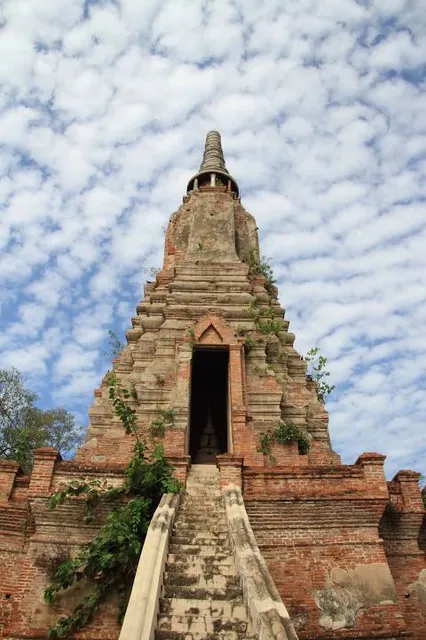
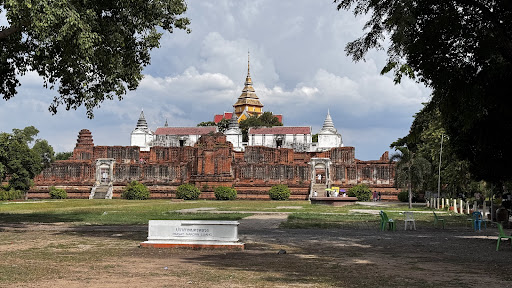
Historical Background Nestled in the quiet outskirts of Ayutthaya, Prasat Nakhon Luang is a unique and lesser-known royal structure that dates back to the reign of King Prasat Thong (17th century). It was inspired by the grandeur of Hindu temples in Cambodia and India, originally built as a royal residence and ceremonial space for kings traveling to important temples in the region. The architecture reflects a blend of Ayutthaya and Khmer styles, with towering prangs, red-brick corridors, and ornate passageways that echo the magnificence of the past.

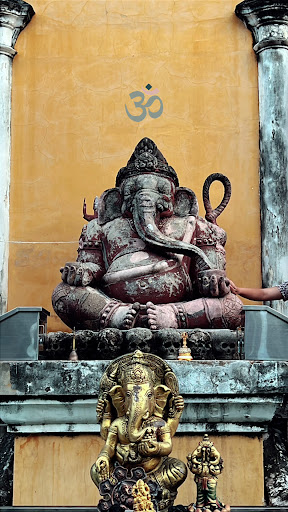
Sacred Ganesha Shrine One of the most remarkable spiritual highlights here is the ancient Ganesha statue, housed within the brightly painted yellow building of the inner sanctum. This form of Lord Ganesha, the Hindu deity of success and remover of obstacles, draws devout followers who come to pray for prosperity, wisdom, and protection in business and family matters.

Despite the statue’s weathered appearance, it exudes a powerful aura of sanctity. Beneath the figure are sculpted heads symbolizing karma and wisdom, enhancing the spiritual symbolism. Devotees gently touch the deity’s feet, forehead, and hands while making wishes — a gesture believed to bring fortune and blessings.

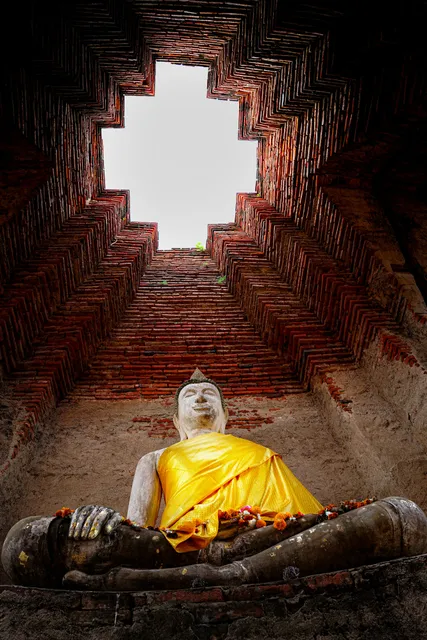
The Beauty of the Architecture Walking through the ruins of the red-brick palace, visitors are taken on a journey through time. The arched gateways, weathered walls, narrow corridors, and cross-shaped brick ceiling domes make for a dramatic and photogenic experience. The contrast between the aging bricks and the vibrant golden-yellow paint of the shrine creates a unique harmony of decay and divinity.

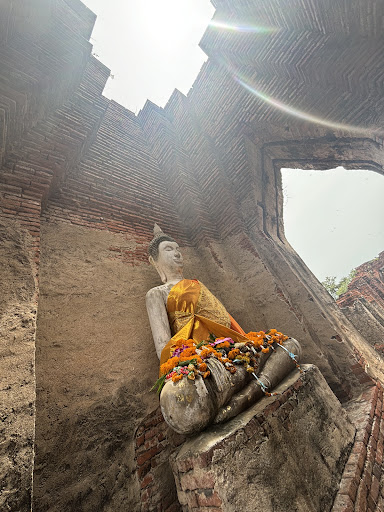
The footprint of the Buddha, housed in a quiet inner room, further adds to the temple’s sacred ambiance — visitors often sit in meditation, offering coins and prayers at this peaceful spot.

How to Make a Wish at the Ganesha Shrine Light incense and offer marigolds or fresh flowers. Whisper your wish into Lord Ganesha’s ear or gently touch your forehead to his hand. Leave coins or offerings as a token of respect. Ring the small bells nearby if you wish to announce your prayer to the heavens.

Many worshippers return to pay gratitude once their wishes come true, often with offerings like garlands, sweets, or miniature elephant statues.

Getting There by Private Car From Bangkok, take Highway 1 (Phahonyothin Road) and connect to Highway 32 toward Ayutthaya. After entering Ayutthaya province, head toward Nakhon Luang District. The site is clearly signposted as “Prasat Nakhon Luang” and is about 1.5–2 hours from central Bangkok by car. Parking is available at the temple.

⸻

Final Thoughts Prasat Nakhon Luang is a place where history, art, and spirituality intertwine. Whether you’re exploring the ruins, admiring the yellow stupa rising above the ancient walls, or making a heartfelt wish to Ganesha, the site offers a deeply personal and enriching experience. It’s a hidden gem well worth the journey for those seeking peace, beauty,...

   Read more

avatar
4.0
3y

Prasat ( Thai tongue means castle ) Nakhon ( means city ) Luang ( means capital ) is located on 184/1 Moo ( village ) 1, Tambon ( sub district ) Nakhon Luang, Amphoe ( district ) Nakhon Luang, Changwat ( province ) Phra Nakhon Si Ayutthaya 13260, on the east bank of Pasak river. It was built in 1604 A.D. ( 2147 B.E. ) in the reign of King Prasat Thong ( means gold ), the first king of the Prasat Thong dynasty which is the fourth dynasty of the Siamese Ayutthaya kingdom ( during 1629- 1656 A.D. or 2172- 2199 B.E. ).The purpose of establishing either temporary residence en route a visit to the Lord Buddha 's footprint in Saraburi province and used for a trip to Lopburi province or the belief of religious place in Buddhasm. In 1631 A.D. ( 2174 B.E. ) King Prasat Thong ordered to build a castle near Wat Thep ( means deity ) Chandra ( means moon ), celebrating the king 's honor due to the victory over Cambodia and taken back, the temple 's architecture imitated Prasat Sila in the kingdom of Cambodia.The Prasat ( castle ) was gorgeously yellow, mondop was built too, four Buddha footprints inside the castle, castle made of bricks and cement, surrounded by triforium in square- shaped including Prang Tidarl Prang Rai. In front of the castle is Sara ( pavillion ) Prachan ( moon ) Loy ( floating ) made of huge granite plate from Wat Thep Chandra Loy ( Wai Mai Prachum Pol is close by ), Ubosot and Prang are Ayutthaya architecture style. construction had not finished once it had started, might have been abandoned. Before 1809 A.D. in the reign of King Rama 1, Tapakhao Pin ( Mr. Pin in white outfits ), continued the construction of the palace and built the Nakhon Luang temple, four replica of Lord Buddha 's footprints in Thai style, square- shaped hall on the palace open porch. Nakhon Luang palace 's architecture is mixture of the ancient construction and modern restoration, a Thai style square- shaped building called " Mondop Prachan Loy " ( means floating moon mondop ), round- shaped two meters diameter of Dhammachak ( wheel of Buddhism ) stone was unfinished job. Prasat Nakhon Luang was registered as archaeological site by the Fine Art Department, published in the Government Gazette volume 52 chapter 75 on March 8, 1935 ( 2478 B.E.). Open every day from 0600 am....

   Read more
avatar
5.0
1y

This ancient temple is just extraordinary, which gives huge Angkor vibes due to the fact it has deep ties to the ancient empire.

Visited on Mother's Day this year which was busy, but not what it could have been. These are just some beautiful ruins that you can take lots of unique photos of as well as go up to the top to pray at Ganesha. I don't have the exact instructions on how to pray, but on the one hand will grant good fortune for work or business the other will give good health in the future. The key to making this prayer is to wish for something that can be obtainable, not something that would be impossible to gain. Before you visit the ruins you will have to pray at the temple at the entrance while you should make sure to touch the statue and make a wish for something that you can possibly obtain.

Theirs a cafe on the grounds multiple parking spots nearby, restrooms, as well as a small market area across the road with plenty of shade and food. Make sure to visit Wat Mai Pra-Chumpol วัดใหม่ประชุมพล which is just a nearby walk and just a short drive to Wat Klang วัดกลาง. It's said that if you pray at all these temples you will obtain the possible wish that you are praying for. You would just have to come back to give thanks if your wish...

   Read more
Page 1 of 7
Previous
Next

Posts

Sutthiphat IeamsukmongkholSutthiphat Ieamsukmongkhol
Prasat Nakhon Luang & Ganesha Shrine – A Hidden Gem of Ayutthaya’s Spiritual Heritage Historical Background Nestled in the quiet outskirts of Ayutthaya, Prasat Nakhon Luang is a unique and lesser-known royal structure that dates back to the reign of King Prasat Thong (17th century). It was inspired by the grandeur of Hindu temples in Cambodia and India, originally built as a royal residence and ceremonial space for kings traveling to important temples in the region. The architecture reflects a blend of Ayutthaya and Khmer styles, with towering prangs, red-brick corridors, and ornate passageways that echo the magnificence of the past. Sacred Ganesha Shrine One of the most remarkable spiritual highlights here is the ancient Ganesha statue, housed within the brightly painted yellow building of the inner sanctum. This form of Lord Ganesha, the Hindu deity of success and remover of obstacles, draws devout followers who come to pray for prosperity, wisdom, and protection in business and family matters. Despite the statue’s weathered appearance, it exudes a powerful aura of sanctity. Beneath the figure are sculpted heads symbolizing karma and wisdom, enhancing the spiritual symbolism. Devotees gently touch the deity’s feet, forehead, and hands while making wishes — a gesture believed to bring fortune and blessings. The Beauty of the Architecture Walking through the ruins of the red-brick palace, visitors are taken on a journey through time. The arched gateways, weathered walls, narrow corridors, and cross-shaped brick ceiling domes make for a dramatic and photogenic experience. The contrast between the aging bricks and the vibrant golden-yellow paint of the shrine creates a unique harmony of decay and divinity. The footprint of the Buddha, housed in a quiet inner room, further adds to the temple’s sacred ambiance — visitors often sit in meditation, offering coins and prayers at this peaceful spot. How to Make a Wish at the Ganesha Shrine 1. Light incense and offer marigolds or fresh flowers. 2. Whisper your wish into Lord Ganesha’s ear or gently touch your forehead to his hand. 3. Leave coins or offerings as a token of respect. 4. Ring the small bells nearby if you wish to announce your prayer to the heavens. Many worshippers return to pay gratitude once their wishes come true, often with offerings like garlands, sweets, or miniature elephant statues. Getting There by Private Car From Bangkok, take Highway 1 (Phahonyothin Road) and connect to Highway 32 toward Ayutthaya. After entering Ayutthaya province, head toward Nakhon Luang District. The site is clearly signposted as “Prasat Nakhon Luang” and is about 1.5–2 hours from central Bangkok by car. Parking is available at the temple. ⸻ Final Thoughts Prasat Nakhon Luang is a place where history, art, and spirituality intertwine. Whether you’re exploring the ruins, admiring the yellow stupa rising above the ancient walls, or making a heartfelt wish to Ganesha, the site offers a deeply personal and enriching experience. It’s a hidden gem well worth the journey for those seeking peace, beauty, and blessings.
Curtis SheltonCurtis Shelton
This ancient temple is just extraordinary, which gives huge Angkor vibes due to the fact it has deep ties to the ancient empire. Visited on Mother's Day this year which was busy, but not what it could have been. These are just some beautiful ruins that you can take lots of unique photos of as well as go up to the top to pray at Ganesha. I don't have the exact instructions on how to pray, but on the one hand will grant good fortune for work or business the other will give good health in the future. The key to making this prayer is to wish for something that can be obtainable, not something that would be impossible to gain. Before you visit the ruins you will have to pray at the temple at the entrance while you should make sure to touch the statue and make a wish for something that you can possibly obtain. Theirs a cafe on the grounds multiple parking spots nearby, restrooms, as well as a small market area across the road with plenty of shade and food. Make sure to visit Wat Mai Pra-Chumpol วัดใหม่ประชุมพล which is just a nearby walk and just a short drive to Wat Klang วัดกลาง. It's said that if you pray at all these temples you will obtain the possible wish that you are praying for. You would just have to come back to give thanks if your wish was granted.
Jakkrit SriyaJakkrit Sriya
⛔️ปราสาทนครหลวง สันนิษฐานว่าสร้างในสมัยสมเด็จพระเจ้าทรงธรรม ต่อมาในสมัยสมเด็จพระเจ้าปราสาททอง เมื่อพ.ศ. 2147 พระองค์ได้โปรดให้ช่างจำลองแบบมาจากปราสาทที่กัมพูชาแล้วสร้างเป็นที่ประทับ ก่ออิฐถือปูนโดยนำมาสร้างใกล้กับวัดเทพจันทร์ เพื่อเป็นการเฉลิมพระเกียรติที่ได้กรุงกัมพูชากลับมาเป็นประเทศราชอีก ⛔️ ปราสาทนครหลวง สร้างไม่แล้วเสร็จในสมัยนั้น ต่อมาราวปี พ.ศ. 2352 ตาปะขาวปิ่น ได้สร้างวัดนครหลวงขึ้น และมีการสร้างพระพุทธบาทสี่รอย ประดิษฐานไว้บนลานชั้นบนของปราสาท ต่อมาจากการดำเนินงานทางโบราณคดี ได้พบว่าวัตถุประสงค์แรกเริ่มของการสร้างปราสาท เป็นการสร้างเพื่อให้เป็นศาสนสถานในพระพุทธศาสนา มิใช่ที่ประทับระหว่างทางในการเสด็จไปนมัสการพระพุทธบาทดังที่เข้าใจกันมาแต่เดิม 🟡สิ่งที่น่าสนใจภายในปราสาทนครหลวงตัวปราสาทพระนครหลวง 🟡 ปราสาทพระนครหลวงก่อด้วยอิฐตั้งอยู่บนเนินสูง ซึ่งทำขึ้นโดยการนำดินมาถมให้สูงขึ้น ในอดีตพระตำหนักเป็นประทับสำราญพระราชอิริยาบถของสมเด็จพระเจ้าปราสาททอง ปราสาทพระนครหลวง เป็นอาคารก่ออิฐสี่เหลี่ยมซ้อนกัน 3 ชั้น มีระเบียงคตล้อมรอบ  แต่ละชั้นมีประตูเข้าสู่ชั้นสูงสุดนับสิบประตู ระเบียงคต เชื่อมต่อระหว่างปรางค์แต่ละชั้นก่อผนังด้านนอกต่อกัน  แต่ละทำช่องหน้าต่างปลอมเลียนแบบช่องลูกมะหวดคล้ายศิลปสถาปัตยกรรมที่นิยมทำกันในเขมรสมัยนครวัด 🟢ปรางค์ประจำทิศสี่มุม รูปทรงคล้ายปรางค์ขอมก่อด้วยอิฐ องค์ปรางค์มีการย่อมุมไม้ยี่สิบ มี ทั้งหมด 30 องค์ รูปทรงคล้ายปรางค์ขอม องค์ปรางค์มีการย่อมุมไม้ยี่สิบ ภายในปรางค์ประดิษฐาน องค์พระพุทธรูปภายในปรางค์คล้ายกับปรางค์ที่ วัดไชยวัฒนาราม 🟢🟢พระพิฆเนศโบราณ🟢🟢 พระพิฆเนศปางชนะมาร อายุกว่า 100ปี ประทับบัลลังก์กะโหลก ซึ่งตั้งอยู่ภายในปราสาทนครหลวง รวมถึงกระซิบหูหนูมุสิกะเพื่อขอพรและติดสินจ้างให้ไปบอกกับพระพิฆเนศ เพื่อให้พรนั้นสำเร็จ 🔵พุทธบาทสี่รอยในมณฑปจตุรมุข🔵 พุทธบาทสี่รอย ที่ประดิษฐานในมณฑปจตุรมุขซึ่งมีลักษณะเป็นพระพุทธบาทซ้อนกันสี่รอยลึกลงไปในเนื้อหิน โดยรอยใหญ่ที่สุดกว้างประมาณ 2.50 เมตร ยาว 5.50 เมตร นอกจากปราสาทแล้ว พระปลัดปลื้มได้สร้างศาลาพระจันทร์ลอย  เป็นอาคารทรงจัตุรมุขลงบนสถานที่ที่เชื่อว่า  เดิม คือ  พระตำหนักนครหลวงของพระเจ้าปราสาททอง  ศาลาหลังนี้สร้างขึ้นประดิษฐานพระจันทร์ลอย  (แผ่นหินรูปกลมคล้ายเสมาธรรมจักร  แกะจากหินแกรนิต  ขนาดเส้นผ่าศูนย์กลาง ๒.๓๕ เมตร  หนา ๒๐ เซนติเมตร  ด้านหน้าตอนบน  แกะสลักพระพุทธรูปนูนต่ำ  ขนาดเล็กจำนวน ๓ องค์  และเจดีย์ด้านข้างพระพุทธรูปอีกด้านละองค์  ด้านล่างแกะลาย  ตรงกลางลายทำเป็นรูปภาพต่างๆ ที่พอมองเห็นได้ชัดคือรูปปลา ๒ ตัว  นอกนั้นค่อนข้างลบเลือนมองไม่ชัด) ชาวบ้านเล่าขานกันว่าแผ่นหินพระจันทร์ลอยนี้  เดิมทีลอยน้ำมาตามแควป่าสัก มีผู้พบเห็นครั้งแรกที่บ้านศิลาลอย  ตำบลศาลาลอย  อำเภอท่าเรือ  ประชาชนในท้องถิ่นนั้นได้พยายามนำขึ้นจากน้ำแต่ไม่สามารถฉุดขึ้นได้  แผ่นหินจึงลอยน้ำเรื่อยมาจนถึงวัดเทพจันทร์[๗]   ชาวบ้านก็ได้ช่วยกันลงไปฉุดเพื่อจะนำไปไว้ที่วัด  แต่ก็ทำไม่สำเร็จไม่สามารถฉุดขึ้นมาได้เช่นเดียวกับชาวบ้านศิลาลอย  สมภารวัดเทพจันทร์ผู้เรืองวิชามีอาคมในย่านนั้นรู้เรื่องเข้าจึงนำด้ายสายสิญจน์ ๓ เส้น  ลงไปคล้องแล้วฉุดขึ้นไปไว้ที่วัดได้โดยง่ายดาย  พระจันทร์ลอยจึงได้ประดิษฐานที่วัดนี้อยู่ชั่วระยะหนึ่งจนถึงรัชสมัยพระบาทสมเด็จพระจุลจอมเกล้าเจ้าอยู่หัว  กระทรวงมหาดไทยจึงได้นำส่งไปเก็บไว้ที่วัดเบญจมบพิตร  กรุงเทพมหานคร เมื่อพระบาทสมเด็จพระจุลจอมเกล้าเจ้าอยู่หัว ทรงทราบเรื่องพระปลัดปลื้มบูรณซ่อมแซมแปลงปราสาทนครหลวง  ตามหนังสือกระทรวงธรรมาการกราบบังคมทูลแล้ว  ทรงมีพระราชกระแสว่า  “อนึ่ง  พระจันทร์ลอยซึ่งกระทรวงมหาดไทยนำมาอยู่ที่วัดเบญจมบพิตร นั้นก็ไม่อัศจรรย์อะไร ถ้าให้พระปลัดปลื้มรับกลับไปตั้งไว้ที่วัดพระนครหลวง 🔺️🔺️🔺️
See more posts
See more posts
hotel
Find your stay

Pet-friendly Hotels in Nakhon Luang District

Find a cozy hotel nearby and make it a full experience.

Prasat Nakhon Luang & Ganesha Shrine – A Hidden Gem of Ayutthaya’s Spiritual Heritage Historical Background Nestled in the quiet outskirts of Ayutthaya, Prasat Nakhon Luang is a unique and lesser-known royal structure that dates back to the reign of King Prasat Thong (17th century). It was inspired by the grandeur of Hindu temples in Cambodia and India, originally built as a royal residence and ceremonial space for kings traveling to important temples in the region. The architecture reflects a blend of Ayutthaya and Khmer styles, with towering prangs, red-brick corridors, and ornate passageways that echo the magnificence of the past. Sacred Ganesha Shrine One of the most remarkable spiritual highlights here is the ancient Ganesha statue, housed within the brightly painted yellow building of the inner sanctum. This form of Lord Ganesha, the Hindu deity of success and remover of obstacles, draws devout followers who come to pray for prosperity, wisdom, and protection in business and family matters. Despite the statue’s weathered appearance, it exudes a powerful aura of sanctity. Beneath the figure are sculpted heads symbolizing karma and wisdom, enhancing the spiritual symbolism. Devotees gently touch the deity’s feet, forehead, and hands while making wishes — a gesture believed to bring fortune and blessings. The Beauty of the Architecture Walking through the ruins of the red-brick palace, visitors are taken on a journey through time. The arched gateways, weathered walls, narrow corridors, and cross-shaped brick ceiling domes make for a dramatic and photogenic experience. The contrast between the aging bricks and the vibrant golden-yellow paint of the shrine creates a unique harmony of decay and divinity. The footprint of the Buddha, housed in a quiet inner room, further adds to the temple’s sacred ambiance — visitors often sit in meditation, offering coins and prayers at this peaceful spot. How to Make a Wish at the Ganesha Shrine 1. Light incense and offer marigolds or fresh flowers. 2. Whisper your wish into Lord Ganesha’s ear or gently touch your forehead to his hand. 3. Leave coins or offerings as a token of respect. 4. Ring the small bells nearby if you wish to announce your prayer to the heavens. Many worshippers return to pay gratitude once their wishes come true, often with offerings like garlands, sweets, or miniature elephant statues. Getting There by Private Car From Bangkok, take Highway 1 (Phahonyothin Road) and connect to Highway 32 toward Ayutthaya. After entering Ayutthaya province, head toward Nakhon Luang District. The site is clearly signposted as “Prasat Nakhon Luang” and is about 1.5–2 hours from central Bangkok by car. Parking is available at the temple. ⸻ Final Thoughts Prasat Nakhon Luang is a place where history, art, and spirituality intertwine. Whether you’re exploring the ruins, admiring the yellow stupa rising above the ancient walls, or making a heartfelt wish to Ganesha, the site offers a deeply personal and enriching experience. It’s a hidden gem well worth the journey for those seeking peace, beauty, and blessings.
Sutthiphat Ieamsukmongkhol

Sutthiphat Ieamsukmongkhol

hotel
Find your stay

Affordable Hotels in Nakhon Luang District

Find a cozy hotel nearby and make it a full experience.

Get the Appoverlay
Get the AppOne tap to find yournext favorite spots!
This ancient temple is just extraordinary, which gives huge Angkor vibes due to the fact it has deep ties to the ancient empire. Visited on Mother's Day this year which was busy, but not what it could have been. These are just some beautiful ruins that you can take lots of unique photos of as well as go up to the top to pray at Ganesha. I don't have the exact instructions on how to pray, but on the one hand will grant good fortune for work or business the other will give good health in the future. The key to making this prayer is to wish for something that can be obtainable, not something that would be impossible to gain. Before you visit the ruins you will have to pray at the temple at the entrance while you should make sure to touch the statue and make a wish for something that you can possibly obtain. Theirs a cafe on the grounds multiple parking spots nearby, restrooms, as well as a small market area across the road with plenty of shade and food. Make sure to visit Wat Mai Pra-Chumpol วัดใหม่ประชุมพล which is just a nearby walk and just a short drive to Wat Klang วัดกลาง. It's said that if you pray at all these temples you will obtain the possible wish that you are praying for. You would just have to come back to give thanks if your wish was granted.
Curtis Shelton

Curtis Shelton

hotel
Find your stay

The Coolest Hotels You Haven't Heard Of (Yet)

Find a cozy hotel nearby and make it a full experience.

hotel
Find your stay

Trending Stays Worth the Hype in Nakhon Luang District

Find a cozy hotel nearby and make it a full experience.

⛔️ปราสาทนครหลวง สันนิษฐานว่าสร้างในสมัยสมเด็จพระเจ้าทรงธรรม ต่อมาในสมัยสมเด็จพระเจ้าปราสาททอง เมื่อพ.ศ. 2147 พระองค์ได้โปรดให้ช่างจำลองแบบมาจากปราสาทที่กัมพูชาแล้วสร้างเป็นที่ประทับ ก่ออิฐถือปูนโดยนำมาสร้างใกล้กับวัดเทพจันทร์ เพื่อเป็นการเฉลิมพระเกียรติที่ได้กรุงกัมพูชากลับมาเป็นประเทศราชอีก ⛔️ ปราสาทนครหลวง สร้างไม่แล้วเสร็จในสมัยนั้น ต่อมาราวปี พ.ศ. 2352 ตาปะขาวปิ่น ได้สร้างวัดนครหลวงขึ้น และมีการสร้างพระพุทธบาทสี่รอย ประดิษฐานไว้บนลานชั้นบนของปราสาท ต่อมาจากการดำเนินงานทางโบราณคดี ได้พบว่าวัตถุประสงค์แรกเริ่มของการสร้างปราสาท เป็นการสร้างเพื่อให้เป็นศาสนสถานในพระพุทธศาสนา มิใช่ที่ประทับระหว่างทางในการเสด็จไปนมัสการพระพุทธบาทดังที่เข้าใจกันมาแต่เดิม 🟡สิ่งที่น่าสนใจภายในปราสาทนครหลวงตัวปราสาทพระนครหลวง 🟡 ปราสาทพระนครหลวงก่อด้วยอิฐตั้งอยู่บนเนินสูง ซึ่งทำขึ้นโดยการนำดินมาถมให้สูงขึ้น ในอดีตพระตำหนักเป็นประทับสำราญพระราชอิริยาบถของสมเด็จพระเจ้าปราสาททอง ปราสาทพระนครหลวง เป็นอาคารก่ออิฐสี่เหลี่ยมซ้อนกัน 3 ชั้น มีระเบียงคตล้อมรอบ  แต่ละชั้นมีประตูเข้าสู่ชั้นสูงสุดนับสิบประตู ระเบียงคต เชื่อมต่อระหว่างปรางค์แต่ละชั้นก่อผนังด้านนอกต่อกัน  แต่ละทำช่องหน้าต่างปลอมเลียนแบบช่องลูกมะหวดคล้ายศิลปสถาปัตยกรรมที่นิยมทำกันในเขมรสมัยนครวัด 🟢ปรางค์ประจำทิศสี่มุม รูปทรงคล้ายปรางค์ขอมก่อด้วยอิฐ องค์ปรางค์มีการย่อมุมไม้ยี่สิบ มี ทั้งหมด 30 องค์ รูปทรงคล้ายปรางค์ขอม องค์ปรางค์มีการย่อมุมไม้ยี่สิบ ภายในปรางค์ประดิษฐาน องค์พระพุทธรูปภายในปรางค์คล้ายกับปรางค์ที่ วัดไชยวัฒนาราม 🟢🟢พระพิฆเนศโบราณ🟢🟢 พระพิฆเนศปางชนะมาร อายุกว่า 100ปี ประทับบัลลังก์กะโหลก ซึ่งตั้งอยู่ภายในปราสาทนครหลวง รวมถึงกระซิบหูหนูมุสิกะเพื่อขอพรและติดสินจ้างให้ไปบอกกับพระพิฆเนศ เพื่อให้พรนั้นสำเร็จ 🔵พุทธบาทสี่รอยในมณฑปจตุรมุข🔵 พุทธบาทสี่รอย ที่ประดิษฐานในมณฑปจตุรมุขซึ่งมีลักษณะเป็นพระพุทธบาทซ้อนกันสี่รอยลึกลงไปในเนื้อหิน โดยรอยใหญ่ที่สุดกว้างประมาณ 2.50 เมตร ยาว 5.50 เมตร นอกจากปราสาทแล้ว พระปลัดปลื้มได้สร้างศาลาพระจันทร์ลอย  เป็นอาคารทรงจัตุรมุขลงบนสถานที่ที่เชื่อว่า  เดิม คือ  พระตำหนักนครหลวงของพระเจ้าปราสาททอง  ศาลาหลังนี้สร้างขึ้นประดิษฐานพระจันทร์ลอย  (แผ่นหินรูปกลมคล้ายเสมาธรรมจักร  แกะจากหินแกรนิต  ขนาดเส้นผ่าศูนย์กลาง ๒.๓๕ เมตร  หนา ๒๐ เซนติเมตร  ด้านหน้าตอนบน  แกะสลักพระพุทธรูปนูนต่ำ  ขนาดเล็กจำนวน ๓ องค์  และเจดีย์ด้านข้างพระพุทธรูปอีกด้านละองค์  ด้านล่างแกะลาย  ตรงกลางลายทำเป็นรูปภาพต่างๆ ที่พอมองเห็นได้ชัดคือรูปปลา ๒ ตัว  นอกนั้นค่อนข้างลบเลือนมองไม่ชัด) ชาวบ้านเล่าขานกันว่าแผ่นหินพระจันทร์ลอยนี้  เดิมทีลอยน้ำมาตามแควป่าสัก มีผู้พบเห็นครั้งแรกที่บ้านศิลาลอย  ตำบลศาลาลอย  อำเภอท่าเรือ  ประชาชนในท้องถิ่นนั้นได้พยายามนำขึ้นจากน้ำแต่ไม่สามารถฉุดขึ้นได้  แผ่นหินจึงลอยน้ำเรื่อยมาจนถึงวัดเทพจันทร์[๗]   ชาวบ้านก็ได้ช่วยกันลงไปฉุดเพื่อจะนำไปไว้ที่วัด  แต่ก็ทำไม่สำเร็จไม่สามารถฉุดขึ้นมาได้เช่นเดียวกับชาวบ้านศิลาลอย  สมภารวัดเทพจันทร์ผู้เรืองวิชามีอาคมในย่านนั้นรู้เรื่องเข้าจึงนำด้ายสายสิญจน์ ๓ เส้น  ลงไปคล้องแล้วฉุดขึ้นไปไว้ที่วัดได้โดยง่ายดาย  พระจันทร์ลอยจึงได้ประดิษฐานที่วัดนี้อยู่ชั่วระยะหนึ่งจนถึงรัชสมัยพระบาทสมเด็จพระจุลจอมเกล้าเจ้าอยู่หัว  กระทรวงมหาดไทยจึงได้นำส่งไปเก็บไว้ที่วัดเบญจมบพิตร  กรุงเทพมหานคร เมื่อพระบาทสมเด็จพระจุลจอมเกล้าเจ้าอยู่หัว ทรงทราบเรื่องพระปลัดปลื้มบูรณซ่อมแซมแปลงปราสาทนครหลวง  ตามหนังสือกระทรวงธรรมาการกราบบังคมทูลแล้ว  ทรงมีพระราชกระแสว่า  “อนึ่ง  พระจันทร์ลอยซึ่งกระทรวงมหาดไทยนำมาอยู่ที่วัดเบญจมบพิตร นั้นก็ไม่อัศจรรย์อะไร ถ้าให้พระปลัดปลื้มรับกลับไปตั้งไว้ที่วัดพระนครหลวง 🔺️🔺️🔺️
Jakkrit Sriya

Jakkrit Sriya

See more posts
See more posts