On my first trip here it was only mid-afternoon but already closed. So make sure you arrive morning or early afternoon.
Apparently the animals are mostly seized from people who didn't have the correct paperwork or other such bureaucracy. In other wildlife rescue centres I've been to it's been mostly disabled animals.
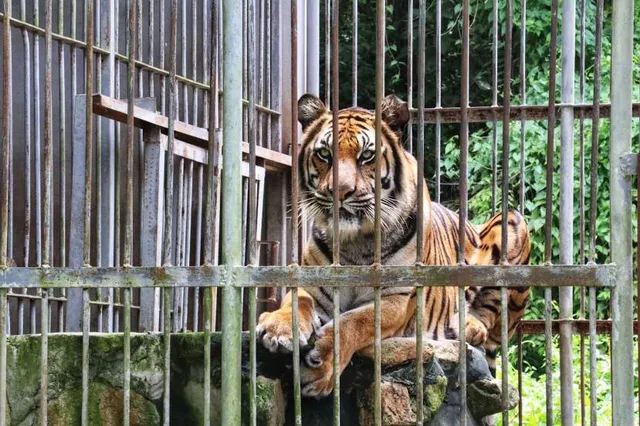
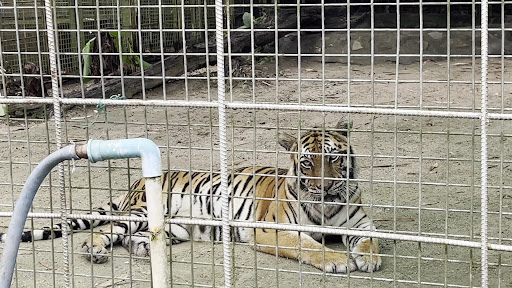
Here the big cats, bears and jackals are put in these tiny cages to go crazy and basically to wait until they die. It's no life at all. In most cases they would have been better off leaving them with their original owners. They've been rescued from the frying pan and put into the fire.
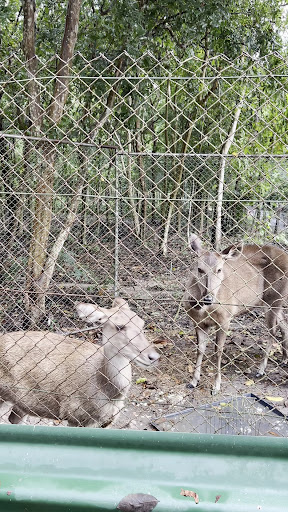
I can't understand how the government or the staff working here can't see how cruel this is. It'd be better to release them into the wild. Even a 25% chance of survival would be better than a lifetime in a tiny cage like this. Or would it really be so difficult/expensive to fence off a much bigger area - they seem to have done that with the deer who have a pen at least 100m squared. The tiger enclosures in comparison are about 5m squared.
There are a lot of iguanas, I guess because they are not native to Thailand - invasive species. And a lot of otters - no idea why so many otters, they are an example of an animal that could easily be released into nearby Khao Yai, where there are...
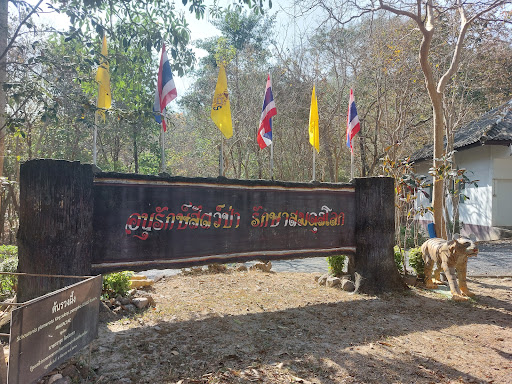
Read moreThe first impression is that I have never seen so many monkeys in enclosures. Hundreds of them. Gangs of monkeys who appeared to spend most of their day squabbling with each other. The budget for taking care of them must be quite high. I'm not sure what the plan is for them or why they are there. The centre covers a large area and is situated in a quiet area near the reservoir. The bigger animals such as the tigers and bears are in quite small enclosures for their lifestyle. Some of the animals clearly have psychological issues and stress, but that might have happened before they were rehoused in the centre. I would really like to see some information at each enclosure with some information on the animal's history, where it came from, and what the plan is for its rehabilitation. Rescue centres serve a great purpose, and they are not Zoos with animals on display for public amusement. There is no charge for entry. Sign in required at the main gate. The centre will gratefully receive donations of food, so if you can help, please do. There is some building work going on, but it doesn't...
Read moreThis is a wonderful activity for anyone visiting Nakhon Nayok who wants to see animals or help support them. The wildlife rescue center is easy to get to, has a peaceful and shady atmosphere, and is located near Huai Prue Dam, where you can stop to take photos before heading back.
The center is home to many animals that have been rescued from illegal trade or abuse. Visitors can bring fruits and vegetables to help feed the animals during their next meal — such as bananas, cabbage, carrots, cucumbers, morning glory, lettuce, pumpkin, chicken eggs, raw chicken frames, raw fish, rice, and dog kibble.
Feeding time is at 1:30 PM every day. One of the most impressive things is how friendly and informative the staff are — they’re always ready to answer questions and clearly have strong bonds with the animals.
When I visited, there were about five tigers, as well as adorable otters and black bears, deers, monkeys, birds, iguanas, gibbons,...
Read more