Sala Keoku in Nong Khai, Thailand, is a place of profound spirituality and artistic wonder that left me utterly captivated. This remarkable park, located along the banks of the Mekong River, is a testament to the vision and devotion of its creator, and it's an attraction that truly stands out in the region.
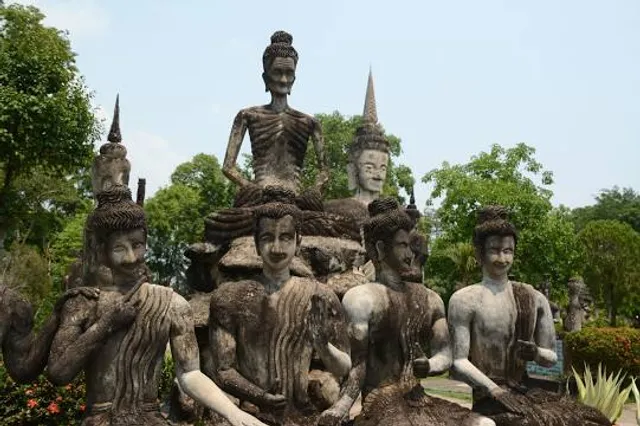
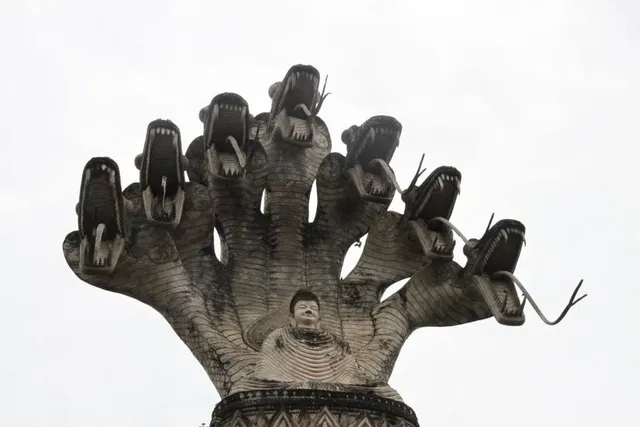
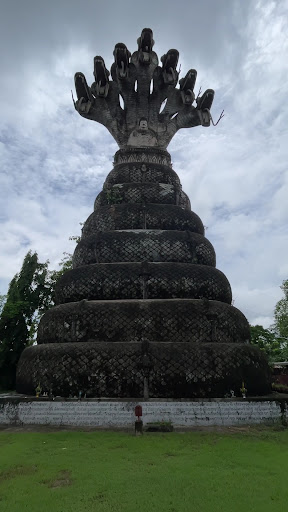
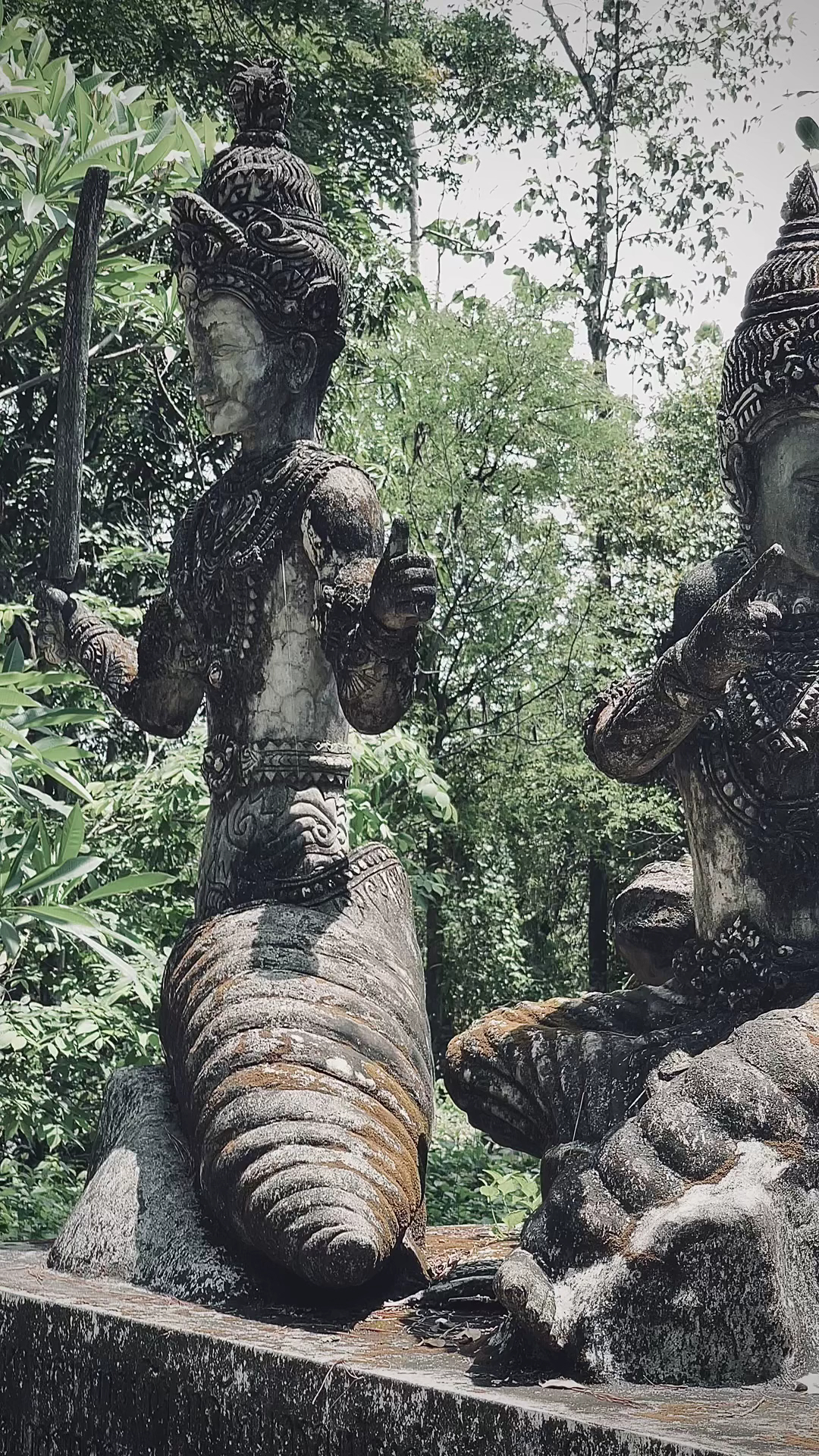
The centerpiece of Sala Keoku is the astonishing collection of colossal concrete sculptures that depict various deities, Buddhas, and mythical creatures from Buddhist and Hindu mythology. The sheer size and intricacy of these sculptures are awe-inspiring, and you can't help but be drawn into their mystical presence. Walking among them, I felt a deep sense of reverence and wonder.
The park's creator, Luang Pu Bunleua Sulilat, was a visionary and a deeply spiritual individual. His sculptures reflect his personal beliefs and the synthesis of both Buddhist and Hindu elements. Sala Keoku is not just a tourist attraction; it's a testament to one man's spiritual journey and the embodiment of his religious convictions.
As you explore the park, you'll encounter statues of various sizes, each with its own unique character and symbolism. The attention to detail and the artistry of the sculptures are extraordinary, and they are beautifully set against the serene backdrop of the park's lush greenery.
One of the highlights of Sala Keoku is the towering depiction of the Wheel of Life, which provides a vivid representation of the cycle of birth, death, and rebirth. This sculpture, like many others in the park, invites contemplation and offers a glimpse into the profound philosophies of Buddhism.
The tranquil setting along the Mekong River enhances the overall experience. The sound of the flowing water and the peaceful atmosphere create a sense of calm and introspection, making it an ideal place for meditation and self-reflection.
Sala Keoku is a place where spirituality and art intertwine, and the fusion of these elements creates a truly unique and unforgettable experience. It's not just a tourist attraction; it's a pilgrimage site for those seeking spiritual insight and cultural enrichment.
In conclusion, Sala Keoku in Nong Khai, Thailand, is a hidden gem that deserves to be on every traveler's itinerary. It's a place that will leave you in awe of the creativity and devotion of its creator and provide you with a deeper understanding of the spiritual and cultural heritage of Thailand. My visit was a transformative experience, and I wholeheartedly recommend it to anyone with an interest in art, spirituality, or simply the desire to explore the mystical...
Read moreSala Keoku is one of the most unique and spiritually charged places I’ve ever visited. Located near the Thai-Laos border in Nong Khai province, this sculpture park is an extraordinary blend of Buddhist, Hindu, and local mystical elements — but what’s truly impressive is how it all came together.
Every statue here was crafted entirely by hand by locals, often during their free time outside of farming. There were no blueprints, no drawings — just the vision of the spiritual leader, Luang Pu Bunleua Sulilat, and the dedication of those who followed him. You can feel that deep intention in every sculpture.
The statues themselves are massive — much larger than they appear in photographs — and filled with detail. All of them have Thai inscriptions at their base explaining their symbolic meanings. During the rainy season, the moss growing on the statues gives them an even more mystical and ancient feeling, adding to their beauty rather than taking away from it.
This park is not just an art display; it’s a philosophical and spiritual journey through sculpture. The towering multi-headed deities, mythical beings, and scenes from Buddhist and Hindu cosmology reflect a blend of belief systems, brought to life in concrete.
Thai adults pay 20 THB, children 10 THB, and foreigners 40 THB. The park is open until 18:00, giving you plenty of time to explore peacefully.
If you’re in the Nong Khai area, Sala Keoku is absolutely...
Read moreIncredible sculpture park created by Luang Pu Bunleua Sulilat. According to a legend, as a young man, he fell into a cave and thus met hermit Keoku, his spiritual mentor. Upon graduating from his apprenticeship with Keoku, Sulilat took on monumental sculpting, and proceeded with the construction (in 1958) of his first sculpture garden, Buddha Park near Vientienne, Laos. Concerned about the political climate in Laos after the 1975 communist revolution, Sulilat crossed Mekong fleeing to Thailand. In 1978, he commenced the construction of a new sculpture garden, Sala Keoku, located across the river from the old one. Sulilat's eccentric and captivating personality and the blend of Buddhism and Hinduism he professed proved to hold great appeal to some of the locals, and Sala Keoku became something of a religious sect headquarters. The title Luang Pu (usually reserved for monks) came to be applied to Sulilat, who was technically a secular man. Both of the parks were constructed from donated concrete by hundreds of unskilled enthusiasts working without payment. Some other residents of the area considered Sulilat...
Read more