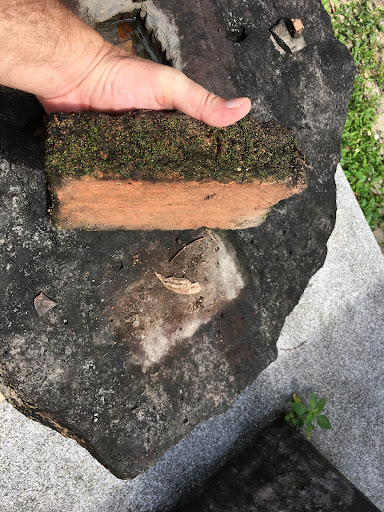
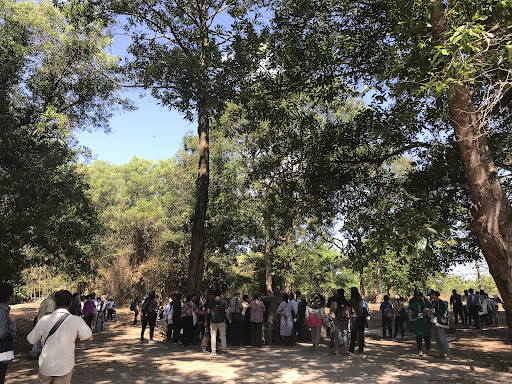
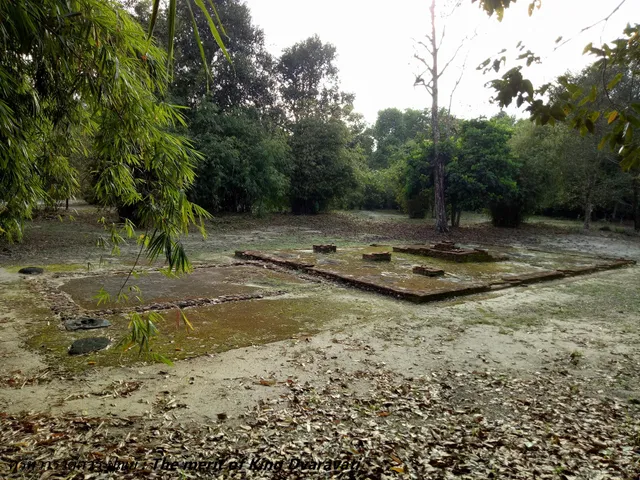
The year before the tsunami 2003 I visited this site with my the 11years old son in August during the rainy season . We came from a small house that I had rented 60 kms further north. I had read about it in a publication of the Siam Society. When we got there we found almost no indication that this had been an important archeological site of the Indian (Pallava?) occupation as a trading post between Arabia Felix and China of 1200 years ago. Now there is a small and rather neglected museum at the site with some more info. We found the remains of some square brick buildings which had been partly excavated. Probably temples, as housing would have been built in less permanent wood, bamboo and thatch. Around them the sand had been washed away by the heavy rains leaving many tiny sand pillars each supporting a stone or a small shard of pottery. The largest we foun was about 5 cm (2") long. Obviously whoever had dug out the site had not shifted through the sand or done it with a too large sieve. Some were easily identififed as Chinese; others seemed more simple hand layered local clay pots and one piece was a stunning turquoise blue which reminded me of some mosques I had visited. in Isfahan, Iran. We took a few samples with the intention to bring them to the Siam Society in Bangkok to be identified. But before i had to take my son back to Europe as his school holidays were ending. When i came back to Thailand a few months later I was busy; I also wanted to go to Bkk with my son. He flew into Bkk with his elder brother and his mother on Xmas night. And i drove from Phangnga to Bangkok to pick them up. But instead of driving straight back with them to enjoy the beach I took them to see Ayutthaya...i love old stuff and a little culture before the fun never did any harm! While we were in a hotel room there having breakfast in bed and watching a terrible Christmas movie the Tsunami struck the Phangnga coast and obliterated to the floor my recently refurbished little house on the beach taking with her (its a she isn't she?) my precious library, my computer and my antique pottery shards including the Khorramshar turquoise one (I had in the meantime identified it as coming from Iraq around 1200 years ago). My sailing catamaran was beached and damaged but nobody in my village died while further South the death toll was terrible. The story goes on but the connection to this antique Indian trading...
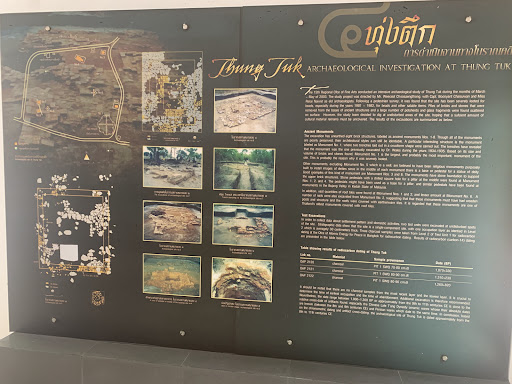
   Read moreThe Ban Thung Teuk site is an ancient village dating back to the first century CE . The site itself is basically not much to see as much of what was there ...is no longer there other than a foundation with some ancient bricks in the ground where you can see that at one time a structure was here...but that's about it. The village apparently was once called "Tagola" and was on a major trade route in the early days of the silk trade mostly between kingdoms in India, China, Arabia and Malay. The ancient city is referred in more modern times as "Thunk Teuk" . In around 1935 the area was excavated where they uncovered earthenware from the Tang Dynasty period as well as beads, Persian Glassware and other archaeological finds. There is a small museum / info center at the site however I have never seen anyone there working it and the buildings as of the last time I was there were run down and seemingly abandoned. If you walk through the info center you can glean some interesting facts from the numerous bill-board style displays they...
   Read more#āđāļĄāļ·āļāļāđāļāļĢāļēāļāļāļļāđāļāļāļķāļ āļŦāļĢāļ·āļāđāļĄāļ·āļāļāđāļāļĢāļēāļāđāļŦāļĄāļ·āļāļāļāļāļ āļāļāļĢāļāļāļāļēāļāļŠāļēāļĒāđāļŦāļĄāļāļēāļāļāļ°āđāļĨ āļ.āđāļāļēāļ°āļāļāđāļāļē āļāļģāđāļ āļāļāļ°āļāļąāđāļ§āļāđāļē āļāļąāļāļŦāļ§āļąāļāļāļąāļāļāļē āļāļēāļĒāļļ āļĢāļēāļ§āļāļļāļāļāļĻāļāļ§āļĢāļĢāļĐāļāļĩāđ 13 - 16 (āļāļēāļĒāļļāļāļĩāđāđāļāđāļāđāļāļĩāļĒāļāļāļēāļĒāļļāļāļēāļāļāļēāļĢāļāļļāļāļāđāļāļĨāđāļēāļŠāļļāļ āļāļķāđāļāļĒāļąāļāđāļĄāđāđāļāđāļāđāļāļŠāļĢāļļāļāđāļĢāļ·āđāļāļāļĒāļļāļāđāļĢāļīāđāļĄāļāđāļāđāļĨāļ°āļŠāļīāđāļāļŠāļļāļāļāļāļāđāļĄāļ·āļāļāđāļāļĢāļēāļāļāļļāđāļāļāļķāļ āļĒāļąāļāļāđāļāļāļāļļāļāļāđāļāļŦāļēāļŦāļĨāļąāļāļāļēāļāļāđāļāđāļ) #āļāđāļāļŠāļąāļāļāļīāļĐāļāļēāļāļāļēāļāđāļāļĢāļēāļāļāļāļĩ āļŠāļąāļāļāļīāļĐāļāļēāļāļāļąāļāļ§āđāļēāļāļ·āļ "āđāļĄāļ·āļāļāļāļąāļāđāļāļĨāļē" āđāļāļŦāđāļ§āļāļāļļāļāļāļĻāļāļ§āļĢāļĢāļĐāļāļĩāđ 13 - 16 āđāļāļ·āđāļāļāļāļēāļāļĒāđāļēāļĒāļĻāļđāļāļĒāđāļāļĨāļēāļāļāļēāļāļāļĨāļāļāļāđāļāļĄ āļ.āļāļĢāļ°āļāļĩāđ āļŦāļĢāļ·āļāđāļāļēāļāļāļ āļ.āļĢāļ°āļāļāļ āļāļķāđāļāļāđāļāļāļāļŦāļĨāļąāļāļāļēāļāļāļĩāđāđāļāđāļēāļāļ§āđāļēāļĄāļēāļĒāļąāļāļāļļāđāļāļāļķāļ āļāļąāļāļĄāļĩāļŠāļēāđāļŦāļāļļāļĄāļēāļāļēāļāļāļēāļĢāļāļąāļāļāļēāđāļāļāđāļāđāļĨāļĒāļĩāļāļēāļĢāđāļāļīāļāđāļĢāļ·āļ āļāļķāđāļāđāļāđāđāļāļīāļĄāđāļāļīāļāđāļĢāļ·āļāļāđāļēāļāļēāļĒāđāļĢāļĩāļĒāļāļāļēāļĒāļāļąāđāļ āļŠāļĄāļąāļĒāļāđāļāļĄāļēāļĄāļĩāļāļēāļĢāđāļāđāļĄāļĢāļŠāļļāļĄāļāļ°āļ§āļąāļāļāļāđāļāļĩāļĒāļāđāļāđ "āļāļēāļāļŠāļēāļĒāđāļŦāļĄāļāļēāļāļāļ°āđāļĨ" āļāļķāđāļāļāļ°āļĄāļēāļāļķāđāļāļāļāļāļĩāđāļāļĢāļīāđāļ§āļāđāļāļēāļ°āļāļāđāļāļēāļāļāļāļĩ āļāđāļāļāļāļĩāđāļāļ°āļāļāļāļāļāļāđāļēāļĄāļāļēāļāļŠāļĄāļļāļāļĢāđāļāļāļēāļāļāļ°āļ§āļąāļāļāļāļāļŠāļđāđāļāđāļēāļ§āļāđāļēāļāļāļāļ āđāļāļ·āđāļāđāļāļīāļāļāļēāļāđāļ āđāļĄāļ·āļāļāđāļāļĢāļēāļāļāđāļāļāđāļāļ§ āļāļĢāļ°āđāļāļĻāđāļ§āļĩāļĒāļāļāļēāļĄ , āđāļĄāļ·āļāļāđāļāļĢāļēāļāļĻāļĢāļĩāļĄāđāļŦāļŠāļ āļ.āļāļĢāļēāļāļĩāļāļāļļāļĢāļĩ , āđāļĄāļ·āļāļāđāļāļĢāļēāļāļāļĢāļ°āļĢāļ āļ.āļāļĨāļāļļāļĢāļĩ , āđāļĄāļ·āļāļāđāļāļĢāļēāļāđāļāļāļĩāļĒāļ āļ.āļāļąāļāļāļāļļāļĢāļĩāļŦāļĢāļ·āļāļāļēāļāđāļāļīāļāļāļēāļāļāđāļēāļāļēāļĒāļāļąāļāđāļĄāļ·āļāļāđāļāļāļāđāļēāļ§āđāļāļĒ #āļŦāļĨāļąāļāļāļēāļāļāļĩāđāļāđāļāļāļ āđāļāļāļĢāļīāđāļ§āļāđāļĄāļ·āļāļāđāļāļĢāļēāļāļāļļāđāļāļāļķāļ āļĄāļĩāļāļēāļĢāļāđāļāļāļāđāļāļĢāļēāļāļŠāļāļēāļāļāļģāļāļ§āļ 8 āđāļŦāđāļ āđāļāļĒāđāļāļĢāļēāļāļŠāļāļēāļāļāļĩāđāđāļŦāļāđāļāļĩāđāļŠāļļāļ āļāļ·āļ āđāļāļĢāļēāļāļŠāļāļēāļāļŦāļĄāļēāļĒāđāļĨāļ 1 āļāļķāđāļāļĄāļĩāļŠāļ āļēāļāļāļąāļāļāļĨāļēāļĒ āđāļĨāļ°āļĄāļĩāļāļēāļĢāļāđāļāļāļāđāļāļĢāļēāļāļ§āļąāļāļāļļāļāļĢāļ°āđāļ āļāļāđāļēāļāđ āđāļāđāļ āđāļāļ§āļĢāļđāļ āļāļĢāļ°āļāļļāļāļāļĢāļđāļ āļĨāļđāļāļāļąāļ āđāļāļĢāļ·āđāļāļāđāļāđāļ§ āđāļāļĢāļ·āđāļāļāļāļąāđāļāļāļīāļāđāļāļē āđāļāļĢāļ·āđāļāļāļāđāļ§āļĒāļāđāļēāļ āđāļŦāļĢāļĩāļĒāļāļāļĐāļēāļāļāđ āđāļāđāļāļāđāļ #āļŠāļ āļēāļāļāļąāļāļāļļāļāļąāļ āļĄāļĩāļāļēāļĢāļāļąāļāļŠāļĢāđāļēāļāļāļēāļāļēāļĢāļāļąāļāđāļŠāļāļāđāļāđāļāļāļāļĒāļąāļāđāļĄāđāļĄāļĩāđāļāļāļāļēāļĢāļāļđāđāļĨāļĢāļąāļāļĐāļēāļāļĩāđāđāļŦāļĄāļēāļ°āļŠāļĄ āļāļķāļāļāļđāļāļāļĨāđāļāļĒāļĢāļāļĢāđāļēāļ āđāļāļĢāļēāļāļŠāļāļēāļāļāļĩāđāļāļđāļĢāļāļ°āđāļŠāļĢāđāļāđāļĢāļĩāļĒāļāļĢāđāļāļĒ āļāļ·āļ āđāļāļĢāļēāļāļŠāļāļēāļāļŦāļĄāļēāļĒāđāļĨāļ 3 āđāļĨāļ° 4 āļāļķāđāļāļāđāļāļ·āļāļ§āđāļēāļĒāļąāļāđāļĄāđāđāļāđāļĢāļąāļāļāļēāļĢāļāļđāđāļĨāļāļĩāđāđāļŦāļĄāļēāļ°āļŠāļĄ āļāļāļāļāļēāļāļāļąāđāļāļĒāļąāļāļĄāļĩāļĢāđāļāļāļĢāļāļĒāļāļēāļĢāļāļļāļāļŦāļēāđāļāļĢāļēāļāļ§āļąāļāļāļļāļāļĒāļđāđāļāļąāđāļ§āđāļ...
   Read more