Mrigadayavan Palace, located in Hua Hin, Phetchaburi province, is a beautiful and historically significant royal residence that offers a fascinating glimpse into Thailand’s architectural and royal heritage. Often referred to as the "Palace of Love and Hope," it was built during the reign of King Rama VI and served as a summer residence for the Thai royal family.
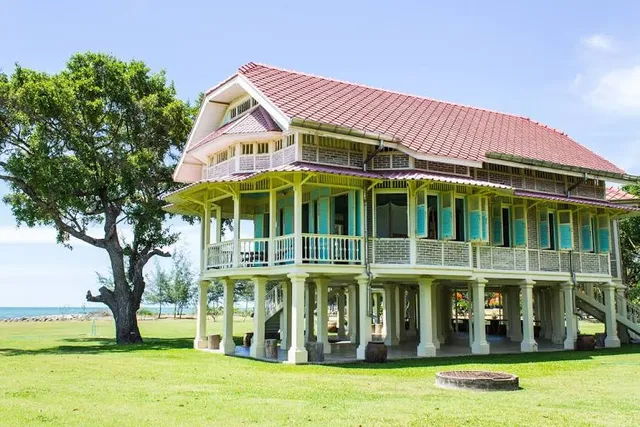
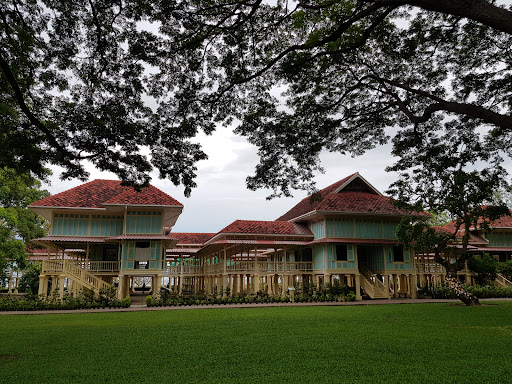
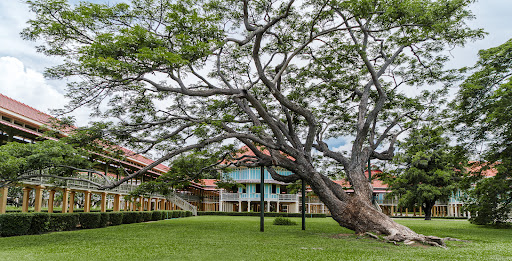
One of the standout features of Mrigadayavan Palace is its elegant design and well-preserved architecture. The palace is renowned for its striking wooden structure, with a series of interconnected pavilions set amidst lush gardens and serene ponds. The design reflects traditional Thai architectural style, combined with colonial influences, creating a unique and aesthetically pleasing blend.
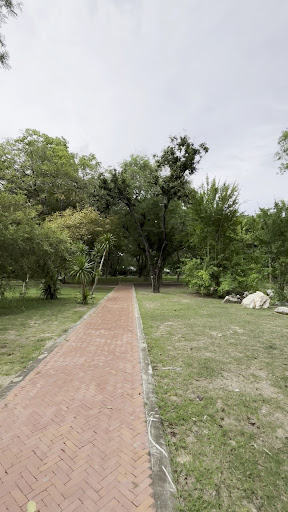
Visitors to the palace can explore its beautifully landscaped grounds, which include manicured gardens, fountains, and tranquil walkways. The palace's interiors, though modest compared to other royal residences, are thoughtfully decorated with period furnishings and artifacts, providing insight into the royal lifestyle during the early 20th century.
The palace also offers educational displays and exhibits about its history and the reign of King Rama VI. These exhibits are informative and enhance the visitor experience by providing context and background about the significance of the palace and its role in Thai history.
One of the highlights of a visit to Mrigadayavan Palace is the opportunity to stroll through the gardens and enjoy the peaceful atmosphere. The palace’s location, with views of the nearby coastline, adds to the charm and provides a pleasant backdrop for leisurely walks and photography.
The palace is well-maintained, with clean facilities and courteous staff who are available to assist and provide information. It’s a good idea to check the opening hours and any visitor requirements before planning your trip.
In summary, Mrigadayavan Palace is a captivating destination that offers a blend of historical significance, architectural beauty, and serene natural surroundings. Its elegant design, informative exhibits, and tranquil gardens make it a worthwhile visit for those interested in Thai history, architecture, and...
Read moreSummer palace of His Majesty King Vajiravudh or Rama VI. King Rama VI of Siam, present day Thailand, ruled Siam from 1910 to 1925.
King Vajiravudh visited the palace twice during his reign. His first visit was during the summer of 1924 when he stayed for three months. His second visit lasted two months in the summer of 1925, after which he died. The palace is now a property of the Crown Property Bureau and is under the management of The Foundation of Mrigadayavan Palace under the patronage of Princess Bejaratana(FMP), the only daughter of Vajiravudh.
The palace was commissioned by King Vajiravudh to serve as a holiday villa. The king drafted the designs for the villa, which consists of sixteen teak buildings raised on concrete pillars and linked together by a series of walkways. Construction took place during 1923–1924, overseen by Italian architect, Ercole Manfredi.
Around the year 1917, because King Vajiravudh had suffered from rheumatoid arthritis, his physician, Phraya Phaet Phongsavisuttatibhadi, suggested that he sojourn in a warm and airy seaside climate. Mrigadayavan Palace was thus constructed in 1923. At first, there were three choices of sites for building the summer palace. The first one was in HuaHin, Prachuab KiriKhan Province which was already a popular beach destination at that time. However, since the customary law prohibited the general public from entering areas where the king resided, King Vajiravudh decided to avoid troubling his people and considered alternative locations for his summer palace. He subsequently commanded the Royal Thai Navy to research appropriate sites. The beach at Bang Thalu in Phetchaburi was its first choice. This led to the construction of the summer palace in 1917 at Bang Thalu. The adjoining beach area was renamed Chao Samran Beach, which means 'the...
Read moreThe former royal summer residence, Mrigadayavan Palace, offers a unique glimpse into Thailand’s regal past. The sprawling teakwood structure, built during the reign of King Rama VI, stands out with its elegant colonial architecture and tranquil seaside location. The ongoing renovations are visibly advanced, yet the palace is still far from fully restored. That said, the effort and care being invested into preserving this historical site are evident, and it's encouraging to see such heritage being maintained rather than neglected. Admission for the upper floor is 316 Baht — not exactly cheap by local standards — but it's worth the price if you take the time to explore this floor. Here, several rooms have been thoughtfully staged with original furnishings, giving visitors a more authentic sense of how the royal family once lived. It’s a rare chance to see beyond the typical “empty palace” experience. Importantly, the entrance fee supports a foundation that clearly isn’t overflowing with funds. The revenue helps cover the cost of restoration and, not least, the salaries of the attentive (and sometimes underappreciated) museum staff who make the visit possible. All in all, Mrigadayavan Palace and the park is a peaceful and historically rich destination. While not everything is perfect or polished, the charm lies precisely in its quiet authenticity and the evident effort to breathe life back into an...
Read more