HTML SitemapExplore
logo
Find Things to DoFind The Best Restaurants

Wildlife Friends Foundation Thailand (WFFT) — Attraction in Phetchaburi Province

Name
Wildlife Friends Foundation Thailand (WFFT)
Description
Nearby attractions
Wat Phra Phutthabat Khao Luk Chang
36 Soi Pipitpattana 6, Tha Mai Ruak, Tha Yang District, Phetchaburi 76130, Thailand
Nearby restaurants
Nearby hotels
Related posts
Keywords
Wildlife Friends Foundation Thailand (WFFT) tourism.Wildlife Friends Foundation Thailand (WFFT) hotels.Wildlife Friends Foundation Thailand (WFFT) bed and breakfast. flights to Wildlife Friends Foundation Thailand (WFFT).Wildlife Friends Foundation Thailand (WFFT) attractions.Wildlife Friends Foundation Thailand (WFFT) restaurants.Wildlife Friends Foundation Thailand (WFFT) travel.Wildlife Friends Foundation Thailand (WFFT) travel guide.Wildlife Friends Foundation Thailand (WFFT) travel blog.Wildlife Friends Foundation Thailand (WFFT) pictures.Wildlife Friends Foundation Thailand (WFFT) photos.Wildlife Friends Foundation Thailand (WFFT) travel tips.Wildlife Friends Foundation Thailand (WFFT) maps.Wildlife Friends Foundation Thailand (WFFT) things to do.
Wildlife Friends Foundation Thailand (WFFT) things to do, attractions, restaurants, events info and trip planning
Wildlife Friends Foundation Thailand (WFFT)
ThailandPhetchaburi ProvinceWildlife Friends Foundation Thailand (WFFT)

Basic Info

Wildlife Friends Foundation Thailand (WFFT)

108, Tha Mai Ruak, Tha Yang District, Phetchaburi 76130, Thailand
4.7(668)
Open 24 hours
Save
spot

Ratings & Description

Info

Cultural
Outdoor
Adventure
Family friendly
Accessibility
attractions: Wat Phra Phutthabat Khao Luk Chang, restaurants:
logoLearn more insights from Wanderboat AI.
Phone
+66 32 706 906
Website
wfft.org

Plan your stay

hotel
Pet-friendly Hotels in Phetchaburi Province
Find a cozy hotel nearby and make it a full experience.
hotel
Affordable Hotels in Phetchaburi Province
Find a cozy hotel nearby and make it a full experience.
hotel
The Coolest Hotels You Haven't Heard Of (Yet)
Find a cozy hotel nearby and make it a full experience.
hotel
Trending Stays Worth the Hype in Phetchaburi Province
Find a cozy hotel nearby and make it a full experience.

Reviews

Nearby attractions of Wildlife Friends Foundation Thailand (WFFT)

Wat Phra Phutthabat Khao Luk Chang

Wat Phra Phutthabat Khao Luk Chang

Wat Phra Phutthabat Khao Luk Chang

4.6

(109)

Open 24 hours
Click for details

Things to do nearby

Palm Village Cooking, one night on the mountain
Sat, Dec 13 • 9:00 AM
Tambon Tha Mai Ruak, Chang Wat Phetchaburi, 76130, Thailand
View details
Flavour of the Forest, one night on the mountain
Sun, Dec 14 • 9:00 AM
Kaeng Krachan, Phetchaburi, 76170, Thailand
View details
Get the Appoverlay
Get the AppOne tap to find yournext favorite spots!
Wanderboat LogoWanderboat

Your everyday Al companion for getaway ideas

CompanyAbout Us
InformationAI Trip PlannerSitemap
SocialXInstagramTiktokLinkedin
LegalTerms of ServicePrivacy Policy

Get the app

© 2025 Wanderboat. All rights reserved.
logo

Reviews of Wildlife Friends Foundation Thailand (WFFT)

4.7
(668)
avatar
5.0
16w

It was an absolutely fantastic, impressive, informative day. It is absolutely essential to make a reservation if you want to visit — otherwise, you won’t see any animals, and walk-ins are not possible. We booked five days in advance and there was only one slot left for the entire week. This is clearly explained on their website, so anyone who takes the time to read it will know. People who don’t check and then complain (as some reviewers here do) really have only themselves to blame.

Signage could be better: when you arrive at the entrance, follow the small signs to the lodge, which can be easily overseen. It’s about a 10-minute drive from the reserve entrance. We had to ask several staff members along the way before we found it. Once there, everything was perfectly organized, and they were expecting us.

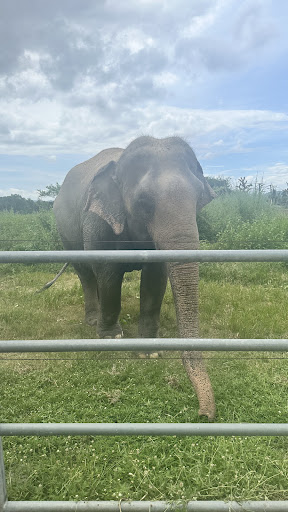
The lodge has a terrace with a restaurant and a small kiosk selling snacks and drinks at normal, reasonable prices — not the tourist-gouging you see elsewhere. From the terrace, you can already see the first elephants up close.

One thing that baffled me: despite clear signs and repeated instructions, some people still tried to feed the elephants whatever they had, even holding small children or babies over the wall. Some did it again the moment the park rangers turned their backs after warning them. If anything happens, it will of course be “the bad elephants.” Personally, I’d kick such people out without warning.

Also clearly stated on the website: all tours are in English. We booked the full-day tour, with little children; it was easy enough to translate for the little ones.

After a short introduction to the park, we set off in open buses to see various rescue areas — monkeys, several species of deer, bears, tortoises, and more. Each animal comes with its rescue story. Many are not native to Thailand and cannot be released back into the wild, so they live here in large enclosures.

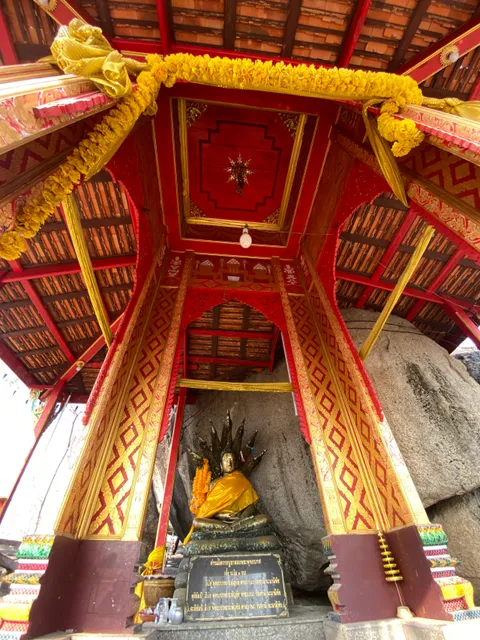
The monkeys and gibbons go through several stages: quarantine cages, socialization with other monkeys, and finally release onto a large, natural island in the reserve as the last step before reintroduction to the wild. There are parts where you have to walk through the grounds, so bring water and insect repellent — again, all explained on the website, so no excuses for later complaints. The website also mentions that this is temple ground and temple-appropriate clothing is required — however, in reality, regular clothing was fine and there was no dress code enforced.

Lunch was a small buffet with rice, chicken skewers, and Thai curry — not a huge selection, but tasty, fresh, and more than enough.

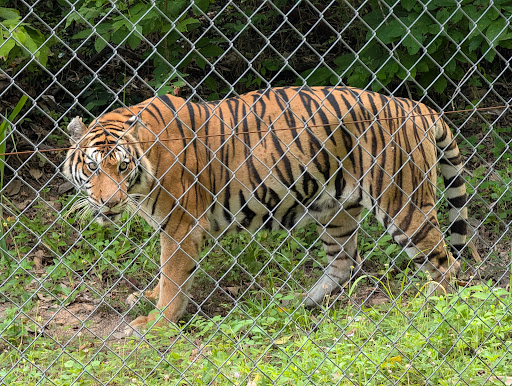
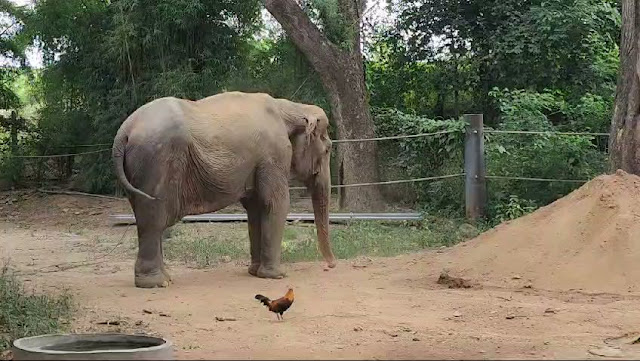
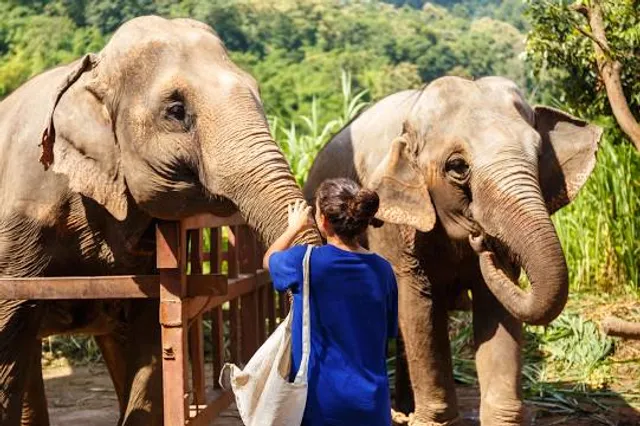
In the afternoon, we visited the big cats’ enclosures — the tigers are truly impressive — and saw more elephants. The day ended with feeding two blind elephants, who rely on humans to bring them fruit.

Overall, it was incredibly moving to see the animals so close. The park even has a modern animal hospital and two very modern animal ambulance cars. The staff are clearly dedicated, and the grounds are well maintained. The tour guides were more than happy to answer all our questions.

We felt far more comfortable here than at the many other “attractions” where you can ride elephants in chains or pet sedated tigers. Here, you get the feeling that animal welfare is genuinely the priority — and we were more than happy to pay the slightly higher...

   Read more
avatar
5.0
1y

First and foremost, Wildlife Friends Foundation Thailand (WFFT) is not a zoo—it’s an animal rehabilitation centre that focuses on rescuing and rehabilitating animals that have suffered abuse and mistreatment. Here, you won’t be petting or feeding animals. Instead, you’ll witness the incredible work being done to give these creatures a second chance at life. Visiting WFFT requires booking and paying for a tour, but this experience is worth every moment and penny, as you are directly supporting the rehabilitation of these magnificent animals.

The animals here come from heartbreaking backgrounds: elephants once forced to beg on the streets, animals rescued from the notorious Phuket Zoo, bears saved from bear bile farms, and tigers from horrific breeding camps. It’s difficult to hear their stories, but what’s uplifting is seeing the effort that the WFFT team puts into rehabilitating them. Many are released back into the wild, while those too traumatised are provided with a peaceful and comfortable life for the rest of their days. The dedication of the staff and volunteers is nothing short of inspirational.

WFFT doesn’t stop at helping animals. They make a huge impact on the local community by employing over 120 locals and working with nearby farmers to source sustainable and ethical produce to feed the animals. They even offer free veterinary services to the surrounding areas, making them a true force for good both for wildlife and people.

For those who take the full-day tour, you’ll enjoy a delicious buffet lunch that caters to all dietary needs, served at their lovely lodge. The lodge, which also offers comfortable accommodation, is home to rescue cats and dogs, now living in comfort, cared for by the staff and adored by the guests.

Here’s why it’s so important to visit places like WFFT: Thailand’s wildlife is under threat from exploitative tourism. Far too many places that claim to be “sanctuaries” are actually abusing animals behind the scenes. If you’ve ever seen opportunities to take photos with elephants or tigers, know that these animals are often drugged and kept in horrible conditions. Even some animal shows that claim to be safe hide cruel practices. WFFT stands as a true sanctuary, and by visiting, you are supporting the right kind of care—care that prioritises the well-being and dignity of animals over profits.

Choosing to visit WFFT and other genuine rehabilitation centres ensures that your tourism dollars go towards supporting ethical animal treatment. It’s not just a tour—it’s an opportunity to make a real difference while experiencing Thailand’s incredible wildlife in the most responsible and meaningful way. So, if you’re looking for an unforgettable experience that aligns with compassionate travel, WFFT is the...

   Read more
avatar
5.0
1y

WFFT is truly an incredible place. I volunteered here for two weeks and also joined the tour on one of my days off. Out of the 40 days I spent in Thailand, this experience was by far the highlight of my trip. I’ve been searching for a sanctuary that genuinely cares for animals, without profiting off volunteers or tourists, and it took me a while to discover WFFT. Unlike many other so-called “sanctuaries,” WFFT doesn’t spend money on marketing through Google, which is likely why it took some time to find.

At first, 640€ for two weeks might seem like a lot, but it’s a small price to pay for what you’re supporting. Your contribution covers not just your food and accommodation, but more importantly, the significant daily costs of caring for over 800 animals from hundreds of species. There has been a huge investment in state-of-the-art veterinary equipment, as well as a dedicated team of vets and staff who guide volunteers and care for the animals—particularly the animals that can be more dangerous. The permanent staff are incredibly passionate about what they do, and the sanctuary couldn’t operate without their commitment and this extends to the cooks and housekeeping support team.

It’s important to understand that the animals in enclosures are there because they can’t survive on their own in the wild. They are given plenty of space and enrichment to ensure they live happy and safe lives.

If you’re a volunteer wondering whether WFFT is truly “making a difference,” rest assured it is. The founder, Edwin, has rescued thousands of animals who’ve endured horrific abuse at the hands of cruel zookeepers and exploitative tourism operators. There are no chains or ropes here—every animal is monitored and cared for around the clock, with daily enrichment to keep themselves occupied.

The sanctuary operates with a strict hands-off policy when it comes to the animals, so don’t expect to be cuddling exotic species. Any issues that arise are handled swiftly. Having said that, there are many dogs around the centre that have been rescued and treated by vets, who now reside there, so you will always be able to hang out with them! If you find a sanctuary where holding/petting wildlife animals is a part of the program, unless you are a vet or a vet student under professional supervision, stay away. As a volunteer, the accommodation is simple, but it builds character if you’ve been staying in fancy hostels/hotels. I’ve made amazing friends during my time here and hope to return one day to volunteer again....

   Read more
Page 1 of 7
Previous
Next

Posts

Volker UVolker U
It was an absolutely fantastic, impressive, informative day. It is absolutely essential to make a reservation if you want to visit — otherwise, you won’t see any animals, and walk-ins are not possible. We booked five days in advance and there was only one slot left for the entire week. This is clearly explained on their website, so anyone who takes the time to read it will know. People who don’t check and then complain (as some reviewers here do) really have only themselves to blame. Signage could be better: when you arrive at the entrance, follow the small signs to the lodge, which can be easily overseen. It’s about a 10-minute drive from the reserve entrance. We had to ask several staff members along the way before we found it. Once there, everything was perfectly organized, and they were expecting us. The lodge has a terrace with a restaurant and a small kiosk selling snacks and drinks at normal, reasonable prices — not the tourist-gouging you see elsewhere. From the terrace, you can already see the first elephants up close. One thing that baffled me: despite clear signs and repeated instructions, some people still tried to feed the elephants whatever they had, even holding small children or babies over the wall. Some did it again the moment the park rangers turned their backs after warning them. If anything happens, it will of course be “the bad elephants.” Personally, I’d kick such people out without warning. Also clearly stated on the website: all tours are in English. We booked the full-day tour, with little children; it was easy enough to translate for the little ones. After a short introduction to the park, we set off in open buses to see various rescue areas — monkeys, several species of deer, bears, tortoises, and more. Each animal comes with its rescue story. Many are not native to Thailand and cannot be released back into the wild, so they live here in large enclosures. The monkeys and gibbons go through several stages: quarantine cages, socialization with other monkeys, and finally release onto a large, natural island in the reserve as the last step before reintroduction to the wild. There are parts where you have to walk through the grounds, so bring water and insect repellent — again, all explained on the website, so no excuses for later complaints. The website also mentions that this is temple ground and temple-appropriate clothing is required — however, in reality, regular clothing was fine and there was no dress code enforced. Lunch was a small buffet with rice, chicken skewers, and Thai curry — not a huge selection, but tasty, fresh, and more than enough. In the afternoon, we visited the big cats’ enclosures — the tigers are truly impressive — and saw more elephants. The day ended with feeding two blind elephants, who rely on humans to bring them fruit. Overall, it was incredibly moving to see the animals so close. The park even has a modern animal hospital and two very modern animal ambulance cars. The staff are clearly dedicated, and the grounds are well maintained. The tour guides were more than happy to answer all our questions. We felt far more comfortable here than at the many other “attractions” where you can ride elephants in chains or pet sedated tigers. Here, you get the feeling that animal welfare is genuinely the priority — and we were more than happy to pay the slightly higher price for that.
Luke StewartLuke Stewart
First and foremost, Wildlife Friends Foundation Thailand (WFFT) is not a zoo—it’s an animal rehabilitation centre that focuses on rescuing and rehabilitating animals that have suffered abuse and mistreatment. Here, you won’t be petting or feeding animals. Instead, you’ll witness the incredible work being done to give these creatures a second chance at life. Visiting WFFT requires booking and paying for a tour, but this experience is worth every moment and penny, as you are directly supporting the rehabilitation of these magnificent animals. The animals here come from heartbreaking backgrounds: elephants once forced to beg on the streets, animals rescued from the notorious Phuket Zoo, bears saved from bear bile farms, and tigers from horrific breeding camps. It’s difficult to hear their stories, but what’s uplifting is seeing the effort that the WFFT team puts into rehabilitating them. Many are released back into the wild, while those too traumatised are provided with a peaceful and comfortable life for the rest of their days. The dedication of the staff and volunteers is nothing short of inspirational. WFFT doesn’t stop at helping animals. They make a huge impact on the local community by employing over 120 locals and working with nearby farmers to source sustainable and ethical produce to feed the animals. They even offer free veterinary services to the surrounding areas, making them a true force for good both for wildlife and people. For those who take the full-day tour, you’ll enjoy a delicious buffet lunch that caters to all dietary needs, served at their lovely lodge. The lodge, which also offers comfortable accommodation, is home to rescue cats and dogs, now living in comfort, cared for by the staff and adored by the guests. Here’s why it’s so important to visit places like WFFT: Thailand’s wildlife is under threat from exploitative tourism. Far too many places that claim to be “sanctuaries” are actually abusing animals behind the scenes. If you’ve ever seen opportunities to take photos with elephants or tigers, know that these animals are often drugged and kept in horrible conditions. Even some animal shows that claim to be safe hide cruel practices. WFFT stands as a true sanctuary, and by visiting, you are supporting the right kind of care—care that prioritises the well-being and dignity of animals over profits. Choosing to visit WFFT and other genuine rehabilitation centres ensures that your tourism dollars go towards supporting ethical animal treatment. It’s not just a tour—it’s an opportunity to make a real difference while experiencing Thailand’s incredible wildlife in the most responsible and meaningful way. So, if you’re looking for an unforgettable experience that aligns with compassionate travel, WFFT is the place to visit.
Sarah HerndonSarah Herndon
After a thorough search for a truly ethical way for my family to see elephants during our time in Thailand, I was delighted to find WFFT. We booked the full day tour with pickup and return to our hotel in Bangkok, and it was the highlight of our trip. After the air-conditioned drive (about 2.5 hours from our hotel), we met at the I Love Phants lodge and then walked through the bear and gibbon enclosures, heard the Gibbon Song, and learned more about the animals and their stories. Lunch was fresh and delicious, and the ice cream and drinks were appreciated since it was a hot day. Then we drove around the elephant and big cat areas, meeting more rescued animals, including 9 starved tigers who had just been saved from a zoo that had closed. We ended the day by feeding three of the friendlier elephants their afternoon snack. Natalie, our tour guide, was thoughtful, informative and generous as she led the tour, sharing personal stories of many of the animals who have experienced such suffering in their lives before being rescued by the team at WFFT. Their veterinary services are extensive and loving, and they offer free vet care to the local villages after 5:00 pm each day! They regularly work with police and other sanctuaries to rescue animals and provide them with care, support, and an stress-free environment. They can live their lives free from the burden of pleasing humans. The only interaction we had was a regular feeding of three friendly elephants with their mahouts nearby to prevent unnecessary petting. Our purpose was simply to feed them, and my family was honored to do so. The animals’ stories were heartbreaking, their rescue stories harrowing, but there is joy here. The team provides huge enclosures and works tirelessly to give the animals what had been taken from them: their free will. Many sanctuaries will claim to be “ethical,” but the only truly ethical way to care for wild animals is to protect their space and leave them alone. Our family was so moved by the work of WFFT that my older kids are talking about coming back to volunteer! Thank you for everything you did to make our trip memorable and meaningful, and thank you for dedicating your lives for these animals to live free.
See more posts
See more posts
hotel
Find your stay

Pet-friendly Hotels in Phetchaburi Province

Find a cozy hotel nearby and make it a full experience.

It was an absolutely fantastic, impressive, informative day. It is absolutely essential to make a reservation if you want to visit — otherwise, you won’t see any animals, and walk-ins are not possible. We booked five days in advance and there was only one slot left for the entire week. This is clearly explained on their website, so anyone who takes the time to read it will know. People who don’t check and then complain (as some reviewers here do) really have only themselves to blame. Signage could be better: when you arrive at the entrance, follow the small signs to the lodge, which can be easily overseen. It’s about a 10-minute drive from the reserve entrance. We had to ask several staff members along the way before we found it. Once there, everything was perfectly organized, and they were expecting us. The lodge has a terrace with a restaurant and a small kiosk selling snacks and drinks at normal, reasonable prices — not the tourist-gouging you see elsewhere. From the terrace, you can already see the first elephants up close. One thing that baffled me: despite clear signs and repeated instructions, some people still tried to feed the elephants whatever they had, even holding small children or babies over the wall. Some did it again the moment the park rangers turned their backs after warning them. If anything happens, it will of course be “the bad elephants.” Personally, I’d kick such people out without warning. Also clearly stated on the website: all tours are in English. We booked the full-day tour, with little children; it was easy enough to translate for the little ones. After a short introduction to the park, we set off in open buses to see various rescue areas — monkeys, several species of deer, bears, tortoises, and more. Each animal comes with its rescue story. Many are not native to Thailand and cannot be released back into the wild, so they live here in large enclosures. The monkeys and gibbons go through several stages: quarantine cages, socialization with other monkeys, and finally release onto a large, natural island in the reserve as the last step before reintroduction to the wild. There are parts where you have to walk through the grounds, so bring water and insect repellent — again, all explained on the website, so no excuses for later complaints. The website also mentions that this is temple ground and temple-appropriate clothing is required — however, in reality, regular clothing was fine and there was no dress code enforced. Lunch was a small buffet with rice, chicken skewers, and Thai curry — not a huge selection, but tasty, fresh, and more than enough. In the afternoon, we visited the big cats’ enclosures — the tigers are truly impressive — and saw more elephants. The day ended with feeding two blind elephants, who rely on humans to bring them fruit. Overall, it was incredibly moving to see the animals so close. The park even has a modern animal hospital and two very modern animal ambulance cars. The staff are clearly dedicated, and the grounds are well maintained. The tour guides were more than happy to answer all our questions. We felt far more comfortable here than at the many other “attractions” where you can ride elephants in chains or pet sedated tigers. Here, you get the feeling that animal welfare is genuinely the priority — and we were more than happy to pay the slightly higher price for that.
Volker U

Volker U

hotel
Find your stay

Affordable Hotels in Phetchaburi Province

Find a cozy hotel nearby and make it a full experience.

Get the Appoverlay
Get the AppOne tap to find yournext favorite spots!
First and foremost, Wildlife Friends Foundation Thailand (WFFT) is not a zoo—it’s an animal rehabilitation centre that focuses on rescuing and rehabilitating animals that have suffered abuse and mistreatment. Here, you won’t be petting or feeding animals. Instead, you’ll witness the incredible work being done to give these creatures a second chance at life. Visiting WFFT requires booking and paying for a tour, but this experience is worth every moment and penny, as you are directly supporting the rehabilitation of these magnificent animals. The animals here come from heartbreaking backgrounds: elephants once forced to beg on the streets, animals rescued from the notorious Phuket Zoo, bears saved from bear bile farms, and tigers from horrific breeding camps. It’s difficult to hear their stories, but what’s uplifting is seeing the effort that the WFFT team puts into rehabilitating them. Many are released back into the wild, while those too traumatised are provided with a peaceful and comfortable life for the rest of their days. The dedication of the staff and volunteers is nothing short of inspirational. WFFT doesn’t stop at helping animals. They make a huge impact on the local community by employing over 120 locals and working with nearby farmers to source sustainable and ethical produce to feed the animals. They even offer free veterinary services to the surrounding areas, making them a true force for good both for wildlife and people. For those who take the full-day tour, you’ll enjoy a delicious buffet lunch that caters to all dietary needs, served at their lovely lodge. The lodge, which also offers comfortable accommodation, is home to rescue cats and dogs, now living in comfort, cared for by the staff and adored by the guests. Here’s why it’s so important to visit places like WFFT: Thailand’s wildlife is under threat from exploitative tourism. Far too many places that claim to be “sanctuaries” are actually abusing animals behind the scenes. If you’ve ever seen opportunities to take photos with elephants or tigers, know that these animals are often drugged and kept in horrible conditions. Even some animal shows that claim to be safe hide cruel practices. WFFT stands as a true sanctuary, and by visiting, you are supporting the right kind of care—care that prioritises the well-being and dignity of animals over profits. Choosing to visit WFFT and other genuine rehabilitation centres ensures that your tourism dollars go towards supporting ethical animal treatment. It’s not just a tour—it’s an opportunity to make a real difference while experiencing Thailand’s incredible wildlife in the most responsible and meaningful way. So, if you’re looking for an unforgettable experience that aligns with compassionate travel, WFFT is the place to visit.
Luke Stewart

Luke Stewart

hotel
Find your stay

The Coolest Hotels You Haven't Heard Of (Yet)

Find a cozy hotel nearby and make it a full experience.

hotel
Find your stay

Trending Stays Worth the Hype in Phetchaburi Province

Find a cozy hotel nearby and make it a full experience.

After a thorough search for a truly ethical way for my family to see elephants during our time in Thailand, I was delighted to find WFFT. We booked the full day tour with pickup and return to our hotel in Bangkok, and it was the highlight of our trip. After the air-conditioned drive (about 2.5 hours from our hotel), we met at the I Love Phants lodge and then walked through the bear and gibbon enclosures, heard the Gibbon Song, and learned more about the animals and their stories. Lunch was fresh and delicious, and the ice cream and drinks were appreciated since it was a hot day. Then we drove around the elephant and big cat areas, meeting more rescued animals, including 9 starved tigers who had just been saved from a zoo that had closed. We ended the day by feeding three of the friendlier elephants their afternoon snack. Natalie, our tour guide, was thoughtful, informative and generous as she led the tour, sharing personal stories of many of the animals who have experienced such suffering in their lives before being rescued by the team at WFFT. Their veterinary services are extensive and loving, and they offer free vet care to the local villages after 5:00 pm each day! They regularly work with police and other sanctuaries to rescue animals and provide them with care, support, and an stress-free environment. They can live their lives free from the burden of pleasing humans. The only interaction we had was a regular feeding of three friendly elephants with their mahouts nearby to prevent unnecessary petting. Our purpose was simply to feed them, and my family was honored to do so. The animals’ stories were heartbreaking, their rescue stories harrowing, but there is joy here. The team provides huge enclosures and works tirelessly to give the animals what had been taken from them: their free will. Many sanctuaries will claim to be “ethical,” but the only truly ethical way to care for wild animals is to protect their space and leave them alone. Our family was so moved by the work of WFFT that my older kids are talking about coming back to volunteer! Thank you for everything you did to make our trip memorable and meaningful, and thank you for dedicating your lives for these animals to live free.
Sarah Herndon

Sarah Herndon

See more posts
See more posts