HTML SitemapExplore

Phanthai Norasing Shrine — Attraction in Samut Sakhon Province

Name
Phanthai Norasing Shrine
Description
Nearby attractions
Nearby restaurants
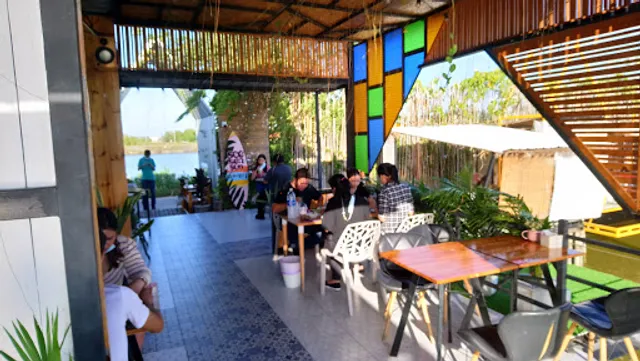
See Sea Sun -​ āđāļšāļšāļ‡āđˆāļēāļĒāđ†
Unnamed Road Phanthai Norasing, Mueang Samut Sakhon District, Samut Sakhon 74000, Thailand
Nearby local services
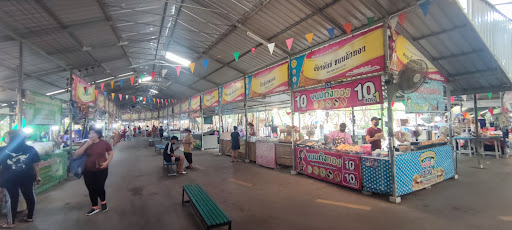
Phanthai Norasing Canal Market
G9MH+F7W, Phanthai Norasing, Mueang Samut Sakhon District, Samut Sakhon 74000, Thailand
Nearby hotels
Related posts
Keywords
Phanthai Norasing Shrine tourism.Phanthai Norasing Shrine hotels.Phanthai Norasing Shrine bed and breakfast. flights to Phanthai Norasing Shrine.Phanthai Norasing Shrine attractions.Phanthai Norasing Shrine restaurants.Phanthai Norasing Shrine local services.Phanthai Norasing Shrine travel.Phanthai Norasing Shrine travel guide.Phanthai Norasing Shrine travel blog.Phanthai Norasing Shrine pictures.Phanthai Norasing Shrine photos.Phanthai Norasing Shrine travel tips.Phanthai Norasing Shrine maps.Phanthai Norasing Shrine things to do.
Phanthai Norasing Shrine things to do, attractions, restaurants, events info and trip planning
Phanthai Norasing Shrine
ThailandSamut Sakhon ProvincePhanthai Norasing Shrine

Basic Info

Phanthai Norasing Shrine

G9MH+7CR, Phanthai Norasing, Mueang Samut Sakhon District, Samut Sakhon 74000, Thailand
4.5(1.8K)
Closed
Save
spot

Ratings & Description

Info

Cultural
Scenic
Family friendly
attractions: , restaurants: See Sea Sun -​ āđāļšāļšāļ‡āđˆāļēāļĒāđ†, local businesses: Phanthai Norasing Canal Market
logoLearn more insights from Wanderboat AI.
Website
facebook.com
Open hoursSee all hours
Mon7 AM - 6 PMClosed

Plan your stay

hotel
Pet-friendly Hotels in Samut Sakhon Province
Find a cozy hotel nearby and make it a full experience.

hotel
Affordable Hotels in Samut Sakhon Province
Find a cozy hotel nearby and make it a full experience.

hotel
The Coolest Hotels You Haven't Heard Of (Yet)
Find a cozy hotel nearby and make it a full experience.

hotel
Trending Stays Worth the Hype in Samut Sakhon Province
Find a cozy hotel nearby and make it a full experience.

Reviews

Live events
Bangkok Backstreets Food Tour with 15-plus tasting
Thu, Jan 22 â€Ē 5:00 PM
Samphanthawong, Bangkok, 10100, Thailand
View details
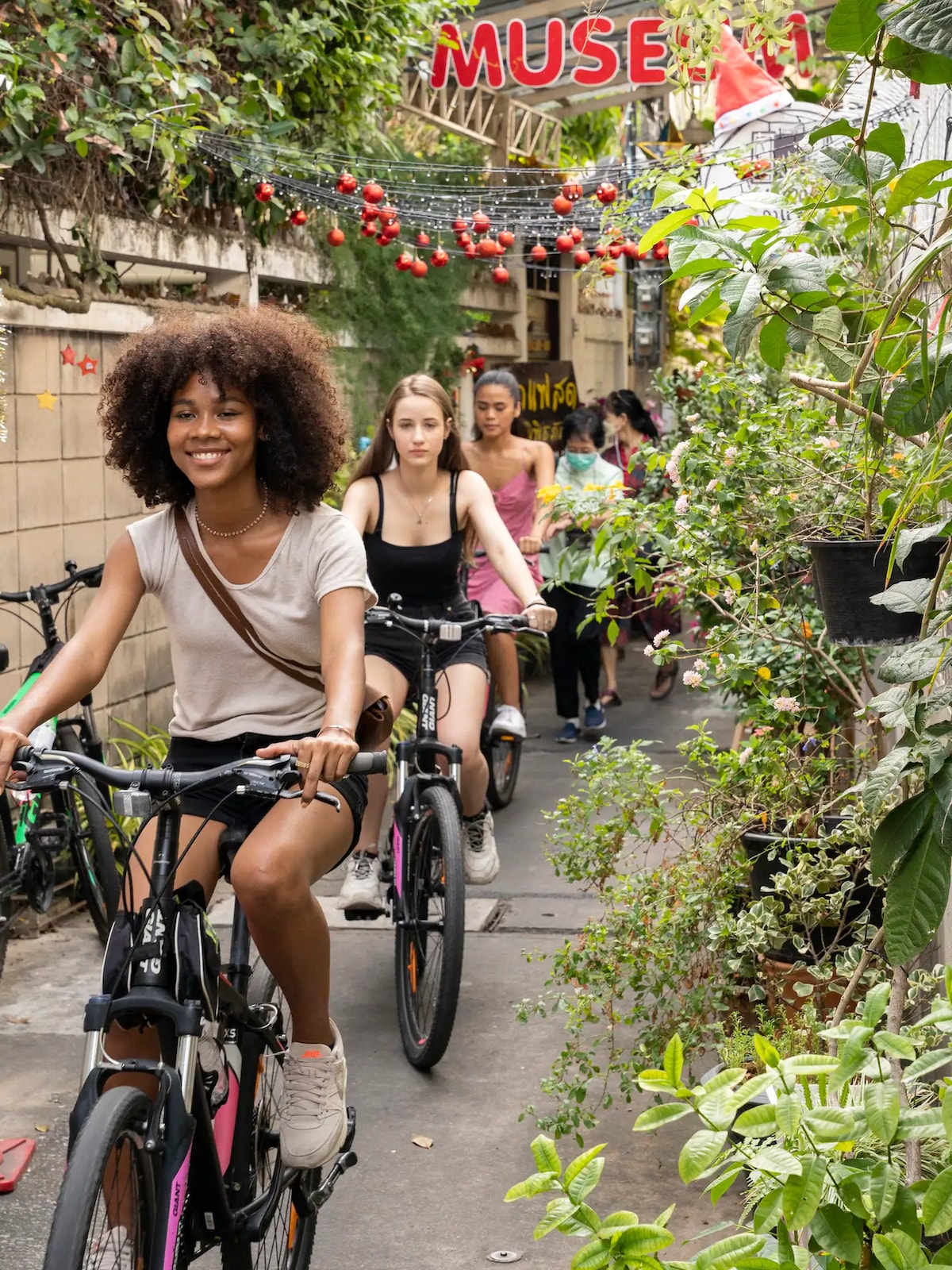
Must-Try: Hidden Bangkok Bike and Food tour
Mon, Jan 19 â€Ē 3:30 PM
Khlong San, Bangkok, 10600, Thailand
View details
Hands-on Thai Cooking Class & Local Market Tour
Mon, Jan 19 â€Ē 8:30 AM
Khlong Toei, Bangkok, 10110, Thailand
View details

Nearby restaurants of Phanthai Norasing Shrine

See Sea Sun -​ āđāļšāļšāļ‡āđˆāļēāļĒāđ†

See Sea Sun -​ āđāļšāļšāļ‡āđˆāļēāļĒāđ†

See Sea Sun -​ āđāļšāļšāļ‡āđˆāļēāļĒāđ†

4.3

(164)

Closed
Click for details

Nearby local services of Phanthai Norasing Shrine

Phanthai Norasing Canal Market

Phanthai Norasing Canal Market

Phanthai Norasing Canal Market

4.3

(493)

Click for details
Get the Appoverlay
Get the AppOne tap to find yournext favorite spots!
Wanderboat LogoWanderboat

Your everyday Al companion for getaway ideas

CompanyAbout Us
InformationAI Trip PlannerSitemap
SocialXInstagramTiktokLinkedin
LegalTerms of ServicePrivacy Policy

Get the app

ÂĐ 2025 Wanderboat. All rights reserved.

Reviews of Phanthai Norasing Shrine

4.5
(1,838)
avatar
5.0
2y

Pls click LIKE my review, if you think this is useful*

If you're in the Samut Sakhon province, a visit to the "Pun Tai Nor Ra Sing" shrine is definitely worth your time. The shrine is easily accessible by car, and there are plenty of free parking lots available for visitors.

At the shrine, you can pay your respects to the deity with a statue of "Pun Tai Nor Ra Sing" for worship. It is customary to offer a rooster model as a payoff following local faith, and there are plenty of rooster models available for purchase at the shrine.

In addition to the religious aspect, the shrine also has other attractions to offer. For example, there is an ancient ship on display, which is an interesting piece of history to explore.

After visiting the shrine, you can also explore the nearby area, which is home to many famous seafood restaurants. This is a great opportunity to indulge in some delicious seafood dishes and experience the local cuisine.

For families with young children, there is also a fish feeding spot on the walk through the shrine, which can be a fun activity for kids. Additionally, there is a short conservation trekking trail into the mangrove forest nearby, with some street art on the path. This is a great place for taking pictures and enjoying the natural beauty of the area.

Overall, the "Pun Tai Nor Ra Sing" shrine is a great destination to visit. With its unique religious offerings, historical ship, and nearby seafood restaurants, it is a great place to spend a day exploring and experiencing the...

   Read more
avatar
5.0
10w

Phanthai Norasingh Historical Park is located in Phanthai Norasing Subdistrict, on the site where the prow of King Sua’s royal barge once broke. It was established as a memorial to Phanthai Norasingh, a local villager who served as the helmsman of the royal barge Ekkachai during the reign of King Sanphet VIII (King Sua) of the Ayutthaya Kingdom.

During a royal voyage, as the barge reached Khlong Khok Kham—a narrow and winding canal—the prow struck a large tree branch along the bank and broke off. Phanthai Norasingh then bowed before King Sua and requested to be executed according to the Royal Court Law, which prescribed death for anyone who caused damage to royal property. Although the King was deeply reluctant, he ordered the execution in accordance with the law. A shrine was later built on the site, and both Phanthai Norasingh’s head and the broken prow of the royal barge were enshrined there as a symbol of his loyalty and devotion.

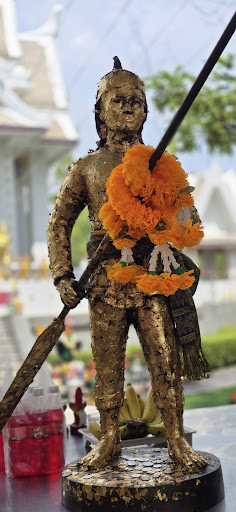
Within the historical park stands the Shrine of Phanthai Norasingh, featuring a life-sized statue of him holding the rudder of the barge. The shrine is highly revered by locals.

This place is not far from Bangkok only 1.5 hrs driving.

Walking past the shrine and crossing the red bridge, visitors will find the Phor Phanthai Norasing Riverside Market—a lively market with over 200 stalls selling Thai desserts, local dishes, fresh seafood, household goods, and a wide variety of OTOP products from Samut...

   Read more
avatar
5.0
7y

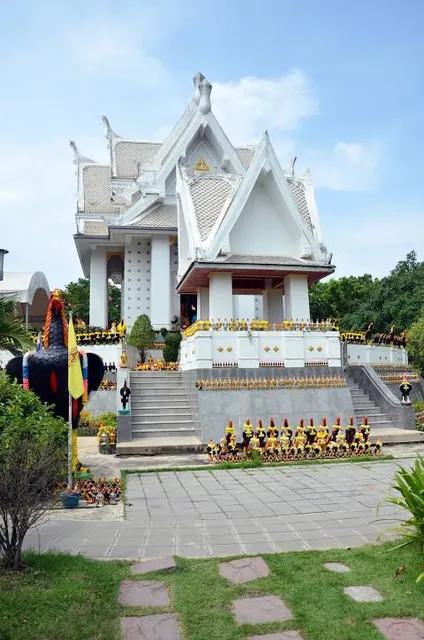
The PhanthaiNorasing Shrine was constructed in memory of Phanthai Norasing, a legendary coxswain of the Ekkachai royal barge, noted for his and honesty. He took responsibility for damage to the sacred figurehead of a barge he was steering when the prow hit a large tree by a river canal. It is said that PhanthaiNorasing begged the king, Phrachao Suea, to execute him in accordance with royal law. Phrachao Suea complied against his own will, then ordered the construction of a temporary shrine. Phanthai’s head as well as the broken figurehead of the Ekkachai royal barge were placed in the shrine to symbolize his honesty and loyalty.

Later on, the Fine Arts Department constructed a new shrine as the original one had fallen into disrepair. Inside, there is a life-sized statue of Phanthai Norasing in the position of steering at the stern of the barge, widely respected among the locals.

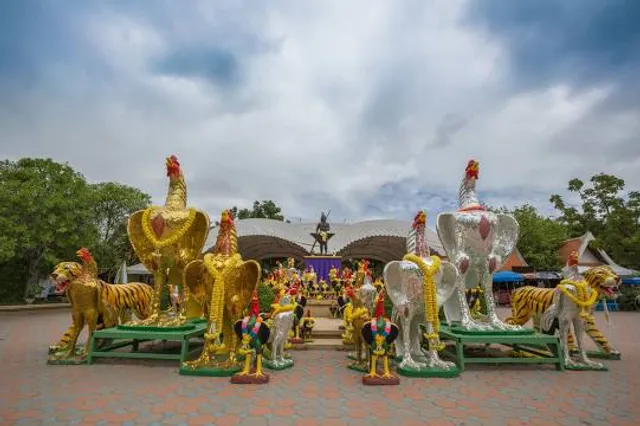
The shrine is surrounded by rooster statues as Panthai Norasing loved cocktail fighting. There are shades areas, stalls, an ATM and trees around the shrine as well as the remains of...

   Read more
Page 1 of 7
Previous
Next

Posts

Kanokenath SuthasiriKanokenath Suthasiri
Phanthai Norasingh Historical Park is located in Phanthai Norasing Subdistrict, on the site where the prow of King Sua’s royal barge once broke. It was established as a memorial to Phanthai Norasingh, a local villager who served as the helmsman of the royal barge Ekkachai during the reign of King Sanphet VIII (King Sua) of the Ayutthaya Kingdom. During a royal voyage, as the barge reached Khlong Khok Kham—a narrow and winding canal—the prow struck a large tree branch along the bank and broke off. Phanthai Norasingh then bowed before King Sua and requested to be executed according to the Royal Court Law, which prescribed death for anyone who caused damage to royal property. Although the King was deeply reluctant, he ordered the execution in accordance with the law. A shrine was later built on the site, and both Phanthai Norasingh’s head and the broken prow of the royal barge were enshrined there as a symbol of his loyalty and devotion. Within the historical park stands the Shrine of Phanthai Norasingh, featuring a life-sized statue of him holding the rudder of the barge. The shrine is highly revered by locals. This place is not far from Bangkok only 1.5 hrs driving. Walking past the shrine and crossing the red bridge, visitors will find the Phor Phanthai Norasing Riverside Market—a lively market with over 200 stalls selling Thai desserts, local dishes, fresh seafood, household goods, and a wide variety of OTOP products from Samut Sakhon Province.
YhunYhun
The Phanthai Norasing Shrine in Samut Sakhon, Thailand is a must-visit destination for anyone interested in Thai history and culture. The shrine is situated on a hill overlooking the sea, and the peaceful and serene atmosphere is a welcome break from the hustle and bustle of city life. The shrine is a significant historical site that connects Thailand's past with its present. The Phanthai Norasing legend tells the story of a brave warrior who sacrificed his life for the good of his people, and the shrine serves as a testament to his courage and selflessness. The architecture of the shrine is impressive, with intricate carvings and beautiful artwork on display throughout the grounds. Visitors can also learn about the history and significance of the site through informative exhibits and displays. Overall, the Phanthai Norasing Shrine is a fascinating and culturally rich destination that should not be missed. Whether you're a history buff or simply looking for a peaceful and beautiful place to visit, this shrine is definitely worth a trip.
Suthin SoonthornnontSuthin Soonthornnont
āļĻāļēāļĨāļžāļąāļ™āļ—āđ‰āļēāļĒāļ™āļĢāļŠāļīāļ‡āļŦāđŒ : āļ­āļļāļ—āļēāļŦāļĢāļ“āđŒāđāļŦāđˆāļ‡āļ„āļ§āļēāļĄāļ‹āļ·āđˆāļ­āļŠāļąāļ•āļĒāđŒ āļˆāļ‡āļĢāļąāļāļ āļąāļāļ”āļĩāļĒāļīāđˆāļ‡āļŠāļĩāļ§āļīāļ• âœĻ āđƒāļ™āļˆāļąāļ‡āļŦāļ§āļąāļ”āļŠāļĄāļļāļ—āļĢāļŠāļēāļ„āļĢ āļĄāļĩāļŠāļ–āļēāļ™āļ—āļĩāđˆāļĻāļąāļāļ”āļīāđŒāļŠāļīāļ—āļ˜āļīāđŒāđāļĨāļ°āļ›āļĢāļ°āļ§āļąāļ•āļīāļĻāļēāļŠāļ•āļĢāđŒāļŠāļģāļ„āļąāļāļ—āļĩāđˆāđ€āļĨāđˆāļēāļ‚āļēāļ™āļ–āļķāļ‡āļ„āļ§āļēāļĄāļ‹āļ·āđˆāļ­āļŠāļąāļ•āļĒāđŒāļŠāļļāļˆāļĢāļīāļ•āđāļĨāļ°āļˆāļ‡āļĢāļąāļāļ āļąāļāļ”āļĩāļ‚āļ­āļ‡ â€œāļžāļąāļ™āļ—āđ‰āļēāļĒāļ™āļĢāļŠāļīāļ‡āļŦāđŒâ€ āļ™āļēāļĒāļ—āđ‰āļēāļĒāđ€āļĢāļ·āļ­āļžāļĢāļ°āļ—āļĩāđˆāļ™āļąāđˆāļ‡āđƒāļ™āļŠāļĄāļąāļĒāļŠāļĄāđ€āļ”āđ‡āļˆāļžāļĢāļ°āđ€āļˆāđ‰āļēāđ€āļŠāļ·āļ­ āđāļŦāđˆāļ‡āļāļĢāļļāļ‡āļĻāļĢāļĩāļ­āļĒāļļāļ˜āļĒāļē āļĻāļēāļĨāđāļŦāđˆāļ‡āļ™āļĩāđ‰āđ„āļĄāđˆāđ€āļžāļĩāļĒāļ‡āđ€āļ›āđ‡āļ™āđāļŦāļĨāđˆāļ‡āļŠāļąāļāļāļēāļĢāļ° āđāļ•āđˆāļĒāļąāļ‡āđ€āļ›āđ‡āļ™āđ€āļ„āļĢāļ·āđˆāļ­āļ‡āđ€āļ•āļ·āļ­āļ™āđƒāļˆāļ–āļķāļ‡āļ„āļļāļ“āļ˜āļĢāļĢāļĄāļ—āļĩāđˆāļ„āļ§āļĢāļĒāļķāļ”āļ–āļ·āļ­ âœĻ āļ•āļģāļ™āļēāļ™āļžāļąāļ™āļ—āđ‰āļēāļĒāļ™āļĢāļŠāļīāļ‡āļŦāđŒ : āļ„āļ§āļēāļĄāļ‹āļ·āđˆāļ­āļŠāļąāļ•āļĒāđŒāļ—āļĩāđˆāļĒāļīāđˆāļ‡āđƒāļŦāļāđˆāļāļ§āđˆāļēāļŠāļĩāļ§āļīāļ• āļžāļąāļ™āļ—āđ‰āļēāļĒāļ™āļĢāļŠāļīāļ‡āļŦāđŒāđ€āļ›āđ‡āļ™āļ™āļēāļĒāļ—āđ‰āļēāļĒāđ€āļĢāļ·āļ­āļžāļĢāļ°āļ—āļĩāđˆāļ™āļąāđˆāļ‡āđ€āļ­āļāđ„āļŠāļĒ āļœāļđāđ‰āđ€āļŠāļĩāđˆāļĒāļ§āļŠāļēāļāđƒāļ™āļāļēāļĢāļ„āļąāļ”āļ—āđ‰āļēāļĒāđ€āļĢāļ·āļ­ āļ§āļąāļ™āļŦāļ™āļķāđˆāļ‡āļ‚āļ“āļ°āļ™āļģāđ€āļĢāļ·āļ­āļžāļĢāļ°āļ—āļĩāđˆāļ™āļąāđˆāļ‡āļœāđˆāļēāļ™āļ„āļĨāļ­āļ‡āđ‚āļ„āļāļ‚āļēāļĄ āļ‹āļķāđˆāļ‡āļ„āļ”āđ€āļ„āļĩāđ‰āļĒāļ§āļĄāļēāļ āļŦāļąāļ§āđ€āļĢāļ·āļ­āļŠāļ™āļāļīāđˆāļ‡āđ„āļĄāđ‰āđƒāļŦāļāđˆāļˆāļ™āļŦāļąāļāļ•āļāļĨāļ‡āļ™āđ‰āļģ āđāļĄāđ‰āđ€āļ›āđ‡āļ™āđ€āļŦāļ•āļļāļŠāļļāļ”āļ§āļīāļŠāļąāļĒāđāļĨāļ°āļŠāļĄāđ€āļ”āđ‡āļˆāļžāļĢāļ°āđ€āļˆāđ‰āļēāđ€āļŠāļ·āļ­āļ—āļĢāļ‡āđƒāļŦāđ‰āļ­āļ āļąāļĒ āđāļ•āđˆāļžāļąāļ™āļ—āđ‰āļēāļĒāļ™āļĢāļŠāļīāļ‡āļŦāđŒāļĒāļ·āļ™āļĒāļąāļ™āļĢāļąāļšāđ‚āļ—āļĐāļ›āļĢāļ°āļŦāļēāļĢāđ€āļžāļ·āđˆāļ­āļĢāļąāļāļĐāļēāļ‚āļ™āļšāļ˜āļĢāļĢāļĄāđ€āļ™āļĩāļĒāļĄāđāļĨāļ°āļāļŽāļĄāļ“āđ€āļ‘āļĩāļĒāļĢāļšāļēāļĨ ⚡ āļ‚āļ­āļĒāļ­āļĄāļŠāļĨāļ°āļŠāļĩāļ§āļīāļ• āđ€āļžāļ·āđˆāļ­āđ„āļĄāđˆāđƒāļŦāđ‰āđ€āļ›āđ‡āļ™āđ€āļĒāļĩāđˆāļĒāļ‡āļ­āļĒāđˆāļēāļ‡āđāļāđˆāļœāļđāđ‰āļ­āļ·āđˆāļ™ āļšāļēāļ‡āļ•āļģāļ™āļēāļ™āđ€āļĨāđˆāļēāļ§āđˆāļē āļžāļąāļ™āļ—āđ‰āļēāļĒāļ™āļĢāļŠāļīāļ‡āļŦāđŒāļˆāļ‡āđƒāļˆāļ™āļģāđ€āļĢāļ·āļ­āļŦāļĨāļšāļŦāļ™āļĩāļāļēāļĢāļĨāļ­āļšāļ›āļĨāļ‡āļžāļĢāļ°āļŠāļ™āļĄāđŒāļ‚āļ­āļ‡āļāļšāļ āđāļĄāđ‰āļ•āđ‰āļ­āļ‡āđāļĨāļāļ”āđ‰āļ§āļĒāļŠāļĩāļ§āļīāļ•āļāđ‡āļ•āļēāļĄ ðŸ“āļĻāļēāļĨāļžāļąāļ™āļ—āđ‰āļēāļĒāļ™āļĢāļŠāļīāļ‡āļŦāđŒ : āļŠāļ–āļēāļ™āļ—āļĩāđˆāļĻāļąāļāļ”āļīāđŒāļŠāļīāļ—āļ˜āļīāđŒāļ„āļđāđˆāļŠāļĄāļļāļ—āļĢāļŠāļēāļ„āļĢ āļĻāļēāļĨāđāļŦāđˆāļ‡āļ™āļĩāđ‰āļŠāļĢāđ‰āļēāļ‡āļ‚āļķāđ‰āļ™āđ€āļžāļ·āđˆāļ­āļĢāļģāļĨāļķāļāļ–āļķāļ‡āļ„āļ§āļēāļĄāļ”āļĩāļ‚āļ­āļ‡āļžāļąāļ™āļ—āđ‰āļēāļĒāļ™āļĢāļŠāļīāļ‡āļŦāđŒ āļ āļēāļĒāđƒāļ™āļ›āļĢāļ°āļ”āļīāļĐāļāļēāļ™āļĢāļđāļ›āđ€āļŦāļĄāļ·āļ­āļ™ āļ‚āļ­āļ‡āļ—āđˆāļēāļ™āđƒāļ™āļ—āđˆāļēāļ–āļ·āļ­āļ—āđ‰āļēāļĒāđ€āļĢāļ·āļ­ āļžāļĢāđ‰āļ­āļĄāļŦāļąāļ§āđ€āļĢāļ·āļ­āļžāļĢāļ°āļ—āļĩāđˆāļ™āļąāđˆāļ‡āđ€āļ­āļāđ„āļŠāļĒāļ—āļĩāđˆāļŦāļąāļ āļœāļđāđ‰āļ„āļ™āļ™āļīāļĒāļĄāļĄāļēāļ‚āļ­āļžāļĢāđ€āļĢāļ·āđˆāļ­āļ‡āļ„āļ§āļēāļĄāļŠāļģāđ€āļĢāđ‡āļˆāđƒāļ™āļŦāļ™āđ‰āļēāļ—āļĩāđˆāļāļēāļĢāļ‡āļēāļ™ āđāļĨāļ°āđāļāđ‰āļšāļ™āļ”āđ‰āļ§āļĒ *āđ„āļāđˆāđāļāđ‰āļ§ āđ„āļĄāđ‰āļžāļēāļĒāđ€āļĢāļ·āļ­ āļŦāļĢāļ·āļ­āļ™āļ§āļĄāļŠāļāļĄāļ§āļĒ* āđ€āļ™āļ·āđˆāļ­āļ‡āļˆāļēāļāļ—āđˆāļēāļ™āļŠāļ·āđˆāļ™āļŠāļ­āļšāļāļĩāļŽāļēāđ€āļŦāļĨāđˆāļēāļ™āļĩāđ‰ â™Ķïļ āļˆāļļāļ”āļ™āđˆāļēāļŠāļ™āđƒāļˆ â™Ķïļ - āļ­āļļāļ—āļĒāļēāļ™āļ›āļĢāļ°āļ§āļąāļ•āļīāļĻāļēāļŠāļ•āļĢāđŒāļžāļąāļ™āļ—āđ‰āļēāļĒāļ™āļĢāļŠāļīāļ‡āļŦāđŒ – āļžāļ·āđ‰āļ™āļ—āļĩāđˆāļāļ§āđ‰āļēāļ‡ 100 āđ„āļĢāđˆ āļĢāļ§āļšāļĢāļ§āļĄāđ‚āļšāļĢāļēāļ“āļ§āļąāļ•āļ–āļļāđāļĨāļ°āđ€āļĢāļ·āđˆāļ­āļ‡āļĢāļēāļ§āļ›āļĢāļ°āļ§āļąāļ•āļīāļĻāļēāļŠāļ•āļĢāđŒ - āļĻāļēāļĨāđ€āļˆāđ‰āļēāđāļĄāđˆāļĻāļĢāļĩāļ™āļ§āļĨ – āđ€āļŠāļ·āđˆāļ­āļ§āđˆāļēāđ€āļ›āđ‡āļ™āļ āļĢāļĢāļĒāļēāļ‚āļ­āļ‡āļžāļąāļ™āļ—āđ‰āļēāļĒāļ™āļĢāļŠāļīāļ‡āļŦāđŒ - āļĻāļēāļĨāļžāļąāļ™āļ—āđ‰āļēāļĒāļ™āļĢāļŠāļīāļ‡āļŦāđŒ (āļ›āļēāļāļ„āļĨāļ­āļ‡āđ‚āļ„āļāļ‚āļēāļĄ), āļĻāļēāļĨāļžāļąāļ™āļ—āđ‰āļēāļĒāļ™āļĢāļŠāļīāļ‡āļŦāđŒāļ§āļąāļ”āđ‚āļ„āļāļ‚āļēāļĄ â€“ āļŠāļ–āļēāļ™āļ—āļĩāđˆāđ€āļŠāļ·āđˆāļ­āļĄāđ‚āļĒāļ‡āļāļąāļšāļ•āļģāļ™āļēāļ™āļāļēāļĢāļ›āļĢāļ°āļŦāļēāļĢ āļ‚āđ‰āļ­āļĄāļđāļĨāļāļēāļĢāđ€āļĒāļĩāđˆāļĒāļĄāļŠāļĄ ðŸ“ āļ—āļĩāđˆāļ•āļąāđ‰āļ‡: āļ•.āļžāļąāļ™āļ—āđ‰āļēāļĒāļ™āļĢāļŠāļīāļ‡āļŦāđŒ āļ­.āđ€āļĄāļ·āļ­āļ‡ āļˆ.āļŠāļĄāļļāļ—āļĢāļŠāļēāļ„āļĢ â° āđ€āļ§āļĨāļēāđ€āļ›āļīāļ”: - āļˆāļąāļ™āļ—āļĢāđŒ-āļĻāļļāļāļĢāđŒ 08.00-18.00 āļ™. - āđ€āļŠāļēāļĢāđŒ-āļ­āļēāļ—āļīāļ•āļĒāđŒ 08.00-19.00 āļ™. āļĻāļēāļĨāļžāļąāļ™āļ—āđ‰āļēāļĒāļ™āļĢāļŠāļīāļ‡āļŦāđŒāđ„āļĄāđˆāđ€āļžāļĩāļĒāļ‡āđ€āļ›āđ‡āļ™āđāļŦāļĨāđˆāļ‡āļ—āđˆāļ­āļ‡āđ€āļ—āļĩāđˆāļĒāļ§āđ€āļŠāļīāļ‡āļ›āļĢāļ°āļ§āļąāļ•āļīāļĻāļēāļŠāļ•āļĢāđŒ āđāļ•āđˆāļĒāļąāļ‡āļŠāļ°āļ—āđ‰āļ­āļ™āļ„āđˆāļēāļ™āļīāļĒāļĄ *āļ‹āļ·āđˆāļ­āļŠāļąāļ•āļĒāđŒ āļāļ•āļąāļāļāļđ āđāļĨāļ°āļĢāļąāļāļĐāļēāļĢāļ°āđ€āļšāļĩāļĒāļšāļ§āļīāļ™āļąāļĒ* āļ—āļĩāđˆāļ„āļ§āļĢāļ„āđˆāļēāđāļāđˆāļāļēāļĢāļŠāļ·āļšāļŠāļēāļ™ #āļžāļąāļ™āļ—āđ‰āļēāļĒāļ™āļĢāļŠāļīāļ‡āļŦāđŒ #āļĻāļēāļĨāļžāļąāļ™āļ—āđ‰āļēāļĒāļ™āļĢāļŠāļīāļ‡āļŦāđŒ #āļŠāļĄāļļāļ—āļĢāļŠāļēāļ„āļĢ #āļ›āļĢāļ°āļ§āļąāļ•āļīāļĻāļēāļŠāļ•āļĢāđŒāđ„āļ—āļĒ #āļ—āļĩāđˆāđ€āļ—āļĩāđˆāļĒāļ§āđ€āļŠāļīāļ‡āļ§āļąāļ’āļ™āļ˜āļĢāļĢāļĄ #āļ‚āļ­āļžāļĢāļŠāļģāđ€āļĢāđ‡āļˆ #āđāļāđ‰āļšāļ™āļ”āđ‰āļ§āļĒāđ„āļāđˆāđāļāđ‰āļ§ #āļ„āļ§āļēāļĄāļ‹āļ·āđˆāļ­āļŠāļąāļ•āļĒāđŒ
See more posts
See more posts
hotel
Find your stay

Pet-friendly Hotels in Samut Sakhon Province

Find a cozy hotel nearby and make it a full experience.

Phanthai Norasingh Historical Park is located in Phanthai Norasing Subdistrict, on the site where the prow of King Sua’s royal barge once broke. It was established as a memorial to Phanthai Norasingh, a local villager who served as the helmsman of the royal barge Ekkachai during the reign of King Sanphet VIII (King Sua) of the Ayutthaya Kingdom. During a royal voyage, as the barge reached Khlong Khok Kham—a narrow and winding canal—the prow struck a large tree branch along the bank and broke off. Phanthai Norasingh then bowed before King Sua and requested to be executed according to the Royal Court Law, which prescribed death for anyone who caused damage to royal property. Although the King was deeply reluctant, he ordered the execution in accordance with the law. A shrine was later built on the site, and both Phanthai Norasingh’s head and the broken prow of the royal barge were enshrined there as a symbol of his loyalty and devotion. Within the historical park stands the Shrine of Phanthai Norasingh, featuring a life-sized statue of him holding the rudder of the barge. The shrine is highly revered by locals. This place is not far from Bangkok only 1.5 hrs driving. Walking past the shrine and crossing the red bridge, visitors will find the Phor Phanthai Norasing Riverside Market—a lively market with over 200 stalls selling Thai desserts, local dishes, fresh seafood, household goods, and a wide variety of OTOP products from Samut Sakhon Province.
Kanokenath Suthasiri

Kanokenath Suthasiri

hotel
Find your stay

Affordable Hotels in Samut Sakhon Province

Find a cozy hotel nearby and make it a full experience.

Get the Appoverlay
Get the AppOne tap to find yournext favorite spots!
The Phanthai Norasing Shrine in Samut Sakhon, Thailand is a must-visit destination for anyone interested in Thai history and culture. The shrine is situated on a hill overlooking the sea, and the peaceful and serene atmosphere is a welcome break from the hustle and bustle of city life. The shrine is a significant historical site that connects Thailand's past with its present. The Phanthai Norasing legend tells the story of a brave warrior who sacrificed his life for the good of his people, and the shrine serves as a testament to his courage and selflessness. The architecture of the shrine is impressive, with intricate carvings and beautiful artwork on display throughout the grounds. Visitors can also learn about the history and significance of the site through informative exhibits and displays. Overall, the Phanthai Norasing Shrine is a fascinating and culturally rich destination that should not be missed. Whether you're a history buff or simply looking for a peaceful and beautiful place to visit, this shrine is definitely worth a trip.
Yhun

Yhun

hotel
Find your stay

The Coolest Hotels You Haven't Heard Of (Yet)

Find a cozy hotel nearby and make it a full experience.

hotel
Find your stay

Trending Stays Worth the Hype in Samut Sakhon Province

Find a cozy hotel nearby and make it a full experience.

āļĻāļēāļĨāļžāļąāļ™āļ—āđ‰āļēāļĒāļ™āļĢāļŠāļīāļ‡āļŦāđŒ : āļ­āļļāļ—āļēāļŦāļĢāļ“āđŒāđāļŦāđˆāļ‡āļ„āļ§āļēāļĄāļ‹āļ·āđˆāļ­āļŠāļąāļ•āļĒāđŒ āļˆāļ‡āļĢāļąāļāļ āļąāļāļ”āļĩāļĒāļīāđˆāļ‡āļŠāļĩāļ§āļīāļ• âœĻ āđƒāļ™āļˆāļąāļ‡āļŦāļ§āļąāļ”āļŠāļĄāļļāļ—āļĢāļŠāļēāļ„āļĢ āļĄāļĩāļŠāļ–āļēāļ™āļ—āļĩāđˆāļĻāļąāļāļ”āļīāđŒāļŠāļīāļ—āļ˜āļīāđŒāđāļĨāļ°āļ›āļĢāļ°āļ§āļąāļ•āļīāļĻāļēāļŠāļ•āļĢāđŒāļŠāļģāļ„āļąāļāļ—āļĩāđˆāđ€āļĨāđˆāļēāļ‚āļēāļ™āļ–āļķāļ‡āļ„āļ§āļēāļĄāļ‹āļ·āđˆāļ­āļŠāļąāļ•āļĒāđŒāļŠāļļāļˆāļĢāļīāļ•āđāļĨāļ°āļˆāļ‡āļĢāļąāļāļ āļąāļāļ”āļĩāļ‚āļ­āļ‡ â€œāļžāļąāļ™āļ—āđ‰āļēāļĒāļ™āļĢāļŠāļīāļ‡āļŦāđŒâ€ āļ™āļēāļĒāļ—āđ‰āļēāļĒāđ€āļĢāļ·āļ­āļžāļĢāļ°āļ—āļĩāđˆāļ™āļąāđˆāļ‡āđƒāļ™āļŠāļĄāļąāļĒāļŠāļĄāđ€āļ”āđ‡āļˆāļžāļĢāļ°āđ€āļˆāđ‰āļēāđ€āļŠāļ·āļ­ āđāļŦāđˆāļ‡āļāļĢāļļāļ‡āļĻāļĢāļĩāļ­āļĒāļļāļ˜āļĒāļē āļĻāļēāļĨāđāļŦāđˆāļ‡āļ™āļĩāđ‰āđ„āļĄāđˆāđ€āļžāļĩāļĒāļ‡āđ€āļ›āđ‡āļ™āđāļŦāļĨāđˆāļ‡āļŠāļąāļāļāļēāļĢāļ° āđāļ•āđˆāļĒāļąāļ‡āđ€āļ›āđ‡āļ™āđ€āļ„āļĢāļ·āđˆāļ­āļ‡āđ€āļ•āļ·āļ­āļ™āđƒāļˆāļ–āļķāļ‡āļ„āļļāļ“āļ˜āļĢāļĢāļĄāļ—āļĩāđˆāļ„āļ§āļĢāļĒāļķāļ”āļ–āļ·āļ­ âœĻ āļ•āļģāļ™āļēāļ™āļžāļąāļ™āļ—āđ‰āļēāļĒāļ™āļĢāļŠāļīāļ‡āļŦāđŒ : āļ„āļ§āļēāļĄāļ‹āļ·āđˆāļ­āļŠāļąāļ•āļĒāđŒāļ—āļĩāđˆāļĒāļīāđˆāļ‡āđƒāļŦāļāđˆāļāļ§āđˆāļēāļŠāļĩāļ§āļīāļ• āļžāļąāļ™āļ—āđ‰āļēāļĒāļ™āļĢāļŠāļīāļ‡āļŦāđŒāđ€āļ›āđ‡āļ™āļ™āļēāļĒāļ—āđ‰āļēāļĒāđ€āļĢāļ·āļ­āļžāļĢāļ°āļ—āļĩāđˆāļ™āļąāđˆāļ‡āđ€āļ­āļāđ„āļŠāļĒ āļœāļđāđ‰āđ€āļŠāļĩāđˆāļĒāļ§āļŠāļēāļāđƒāļ™āļāļēāļĢāļ„āļąāļ”āļ—āđ‰āļēāļĒāđ€āļĢāļ·āļ­ āļ§āļąāļ™āļŦāļ™āļķāđˆāļ‡āļ‚āļ“āļ°āļ™āļģāđ€āļĢāļ·āļ­āļžāļĢāļ°āļ—āļĩāđˆāļ™āļąāđˆāļ‡āļœāđˆāļēāļ™āļ„āļĨāļ­āļ‡āđ‚āļ„āļāļ‚āļēāļĄ āļ‹āļķāđˆāļ‡āļ„āļ”āđ€āļ„āļĩāđ‰āļĒāļ§āļĄāļēāļ āļŦāļąāļ§āđ€āļĢāļ·āļ­āļŠāļ™āļāļīāđˆāļ‡āđ„āļĄāđ‰āđƒāļŦāļāđˆāļˆāļ™āļŦāļąāļāļ•āļāļĨāļ‡āļ™āđ‰āļģ āđāļĄāđ‰āđ€āļ›āđ‡āļ™āđ€āļŦāļ•āļļāļŠāļļāļ”āļ§āļīāļŠāļąāļĒāđāļĨāļ°āļŠāļĄāđ€āļ”āđ‡āļˆāļžāļĢāļ°āđ€āļˆāđ‰āļēāđ€āļŠāļ·āļ­āļ—āļĢāļ‡āđƒāļŦāđ‰āļ­āļ āļąāļĒ āđāļ•āđˆāļžāļąāļ™āļ—āđ‰āļēāļĒāļ™āļĢāļŠāļīāļ‡āļŦāđŒāļĒāļ·āļ™āļĒāļąāļ™āļĢāļąāļšāđ‚āļ—āļĐāļ›āļĢāļ°āļŦāļēāļĢāđ€āļžāļ·āđˆāļ­āļĢāļąāļāļĐāļēāļ‚āļ™āļšāļ˜āļĢāļĢāļĄāđ€āļ™āļĩāļĒāļĄāđāļĨāļ°āļāļŽāļĄāļ“āđ€āļ‘āļĩāļĒāļĢāļšāļēāļĨ ⚡ āļ‚āļ­āļĒāļ­āļĄāļŠāļĨāļ°āļŠāļĩāļ§āļīāļ• āđ€āļžāļ·āđˆāļ­āđ„āļĄāđˆāđƒāļŦāđ‰āđ€āļ›āđ‡āļ™āđ€āļĒāļĩāđˆāļĒāļ‡āļ­āļĒāđˆāļēāļ‡āđāļāđˆāļœāļđāđ‰āļ­āļ·āđˆāļ™ āļšāļēāļ‡āļ•āļģāļ™āļēāļ™āđ€āļĨāđˆāļēāļ§āđˆāļē āļžāļąāļ™āļ—āđ‰āļēāļĒāļ™āļĢāļŠāļīāļ‡āļŦāđŒāļˆāļ‡āđƒāļˆāļ™āļģāđ€āļĢāļ·āļ­āļŦāļĨāļšāļŦāļ™āļĩāļāļēāļĢāļĨāļ­āļšāļ›āļĨāļ‡āļžāļĢāļ°āļŠāļ™āļĄāđŒāļ‚āļ­āļ‡āļāļšāļ āđāļĄāđ‰āļ•āđ‰āļ­āļ‡āđāļĨāļāļ”āđ‰āļ§āļĒāļŠāļĩāļ§āļīāļ•āļāđ‡āļ•āļēāļĄ ðŸ“āļĻāļēāļĨāļžāļąāļ™āļ—āđ‰āļēāļĒāļ™āļĢāļŠāļīāļ‡āļŦāđŒ : āļŠāļ–āļēāļ™āļ—āļĩāđˆāļĻāļąāļāļ”āļīāđŒāļŠāļīāļ—āļ˜āļīāđŒāļ„āļđāđˆāļŠāļĄāļļāļ—āļĢāļŠāļēāļ„āļĢ āļĻāļēāļĨāđāļŦāđˆāļ‡āļ™āļĩāđ‰āļŠāļĢāđ‰āļēāļ‡āļ‚āļķāđ‰āļ™āđ€āļžāļ·āđˆāļ­āļĢāļģāļĨāļķāļāļ–āļķāļ‡āļ„āļ§āļēāļĄāļ”āļĩāļ‚āļ­āļ‡āļžāļąāļ™āļ—āđ‰āļēāļĒāļ™āļĢāļŠāļīāļ‡āļŦāđŒ āļ āļēāļĒāđƒāļ™āļ›āļĢāļ°āļ”āļīāļĐāļāļēāļ™āļĢāļđāļ›āđ€āļŦāļĄāļ·āļ­āļ™ āļ‚āļ­āļ‡āļ—āđˆāļēāļ™āđƒāļ™āļ—āđˆāļēāļ–āļ·āļ­āļ—āđ‰āļēāļĒāđ€āļĢāļ·āļ­ āļžāļĢāđ‰āļ­āļĄāļŦāļąāļ§āđ€āļĢāļ·āļ­āļžāļĢāļ°āļ—āļĩāđˆāļ™āļąāđˆāļ‡āđ€āļ­āļāđ„āļŠāļĒāļ—āļĩāđˆāļŦāļąāļ āļœāļđāđ‰āļ„āļ™āļ™āļīāļĒāļĄāļĄāļēāļ‚āļ­āļžāļĢāđ€āļĢāļ·āđˆāļ­āļ‡āļ„āļ§āļēāļĄāļŠāļģāđ€āļĢāđ‡āļˆāđƒāļ™āļŦāļ™āđ‰āļēāļ—āļĩāđˆāļāļēāļĢāļ‡āļēāļ™ āđāļĨāļ°āđāļāđ‰āļšāļ™āļ”āđ‰āļ§āļĒ *āđ„āļāđˆāđāļāđ‰āļ§ āđ„āļĄāđ‰āļžāļēāļĒāđ€āļĢāļ·āļ­ āļŦāļĢāļ·āļ­āļ™āļ§āļĄāļŠāļāļĄāļ§āļĒ* āđ€āļ™āļ·āđˆāļ­āļ‡āļˆāļēāļāļ—āđˆāļēāļ™āļŠāļ·āđˆāļ™āļŠāļ­āļšāļāļĩāļŽāļēāđ€āļŦāļĨāđˆāļēāļ™āļĩāđ‰ â™Ķïļ āļˆāļļāļ”āļ™āđˆāļēāļŠāļ™āđƒāļˆ â™Ķïļ - āļ­āļļāļ—āļĒāļēāļ™āļ›āļĢāļ°āļ§āļąāļ•āļīāļĻāļēāļŠāļ•āļĢāđŒāļžāļąāļ™āļ—āđ‰āļēāļĒāļ™āļĢāļŠāļīāļ‡āļŦāđŒ – āļžāļ·āđ‰āļ™āļ—āļĩāđˆāļāļ§āđ‰āļēāļ‡ 100 āđ„āļĢāđˆ āļĢāļ§āļšāļĢāļ§āļĄāđ‚āļšāļĢāļēāļ“āļ§āļąāļ•āļ–āļļāđāļĨāļ°āđ€āļĢāļ·āđˆāļ­āļ‡āļĢāļēāļ§āļ›āļĢāļ°āļ§āļąāļ•āļīāļĻāļēāļŠāļ•āļĢāđŒ - āļĻāļēāļĨāđ€āļˆāđ‰āļēāđāļĄāđˆāļĻāļĢāļĩāļ™āļ§āļĨ – āđ€āļŠāļ·āđˆāļ­āļ§āđˆāļēāđ€āļ›āđ‡āļ™āļ āļĢāļĢāļĒāļēāļ‚āļ­āļ‡āļžāļąāļ™āļ—āđ‰āļēāļĒāļ™āļĢāļŠāļīāļ‡āļŦāđŒ - āļĻāļēāļĨāļžāļąāļ™āļ—āđ‰āļēāļĒāļ™āļĢāļŠāļīāļ‡āļŦāđŒ (āļ›āļēāļāļ„āļĨāļ­āļ‡āđ‚āļ„āļāļ‚āļēāļĄ), āļĻāļēāļĨāļžāļąāļ™āļ—āđ‰āļēāļĒāļ™āļĢāļŠāļīāļ‡āļŦāđŒāļ§āļąāļ”āđ‚āļ„āļāļ‚āļēāļĄ â€“ āļŠāļ–āļēāļ™āļ—āļĩāđˆāđ€āļŠāļ·āđˆāļ­āļĄāđ‚āļĒāļ‡āļāļąāļšāļ•āļģāļ™āļēāļ™āļāļēāļĢāļ›āļĢāļ°āļŦāļēāļĢ āļ‚āđ‰āļ­āļĄāļđāļĨāļāļēāļĢāđ€āļĒāļĩāđˆāļĒāļĄāļŠāļĄ ðŸ“ āļ—āļĩāđˆāļ•āļąāđ‰āļ‡: āļ•.āļžāļąāļ™āļ—āđ‰āļēāļĒāļ™āļĢāļŠāļīāļ‡āļŦāđŒ āļ­.āđ€āļĄāļ·āļ­āļ‡ āļˆ.āļŠāļĄāļļāļ—āļĢāļŠāļēāļ„āļĢ â° āđ€āļ§āļĨāļēāđ€āļ›āļīāļ”: - āļˆāļąāļ™āļ—āļĢāđŒ-āļĻāļļāļāļĢāđŒ 08.00-18.00 āļ™. - āđ€āļŠāļēāļĢāđŒ-āļ­āļēāļ—āļīāļ•āļĒāđŒ 08.00-19.00 āļ™. āļĻāļēāļĨāļžāļąāļ™āļ—āđ‰āļēāļĒāļ™āļĢāļŠāļīāļ‡āļŦāđŒāđ„āļĄāđˆāđ€āļžāļĩāļĒāļ‡āđ€āļ›āđ‡āļ™āđāļŦāļĨāđˆāļ‡āļ—āđˆāļ­āļ‡āđ€āļ—āļĩāđˆāļĒāļ§āđ€āļŠāļīāļ‡āļ›āļĢāļ°āļ§āļąāļ•āļīāļĻāļēāļŠāļ•āļĢāđŒ āđāļ•āđˆāļĒāļąāļ‡āļŠāļ°āļ—āđ‰āļ­āļ™āļ„āđˆāļēāļ™āļīāļĒāļĄ *āļ‹āļ·āđˆāļ­āļŠāļąāļ•āļĒāđŒ āļāļ•āļąāļāļāļđ āđāļĨāļ°āļĢāļąāļāļĐāļēāļĢāļ°āđ€āļšāļĩāļĒāļšāļ§āļīāļ™āļąāļĒ* āļ—āļĩāđˆāļ„āļ§āļĢāļ„āđˆāļēāđāļāđˆāļāļēāļĢāļŠāļ·āļšāļŠāļēāļ™ #āļžāļąāļ™āļ—āđ‰āļēāļĒāļ™āļĢāļŠāļīāļ‡āļŦāđŒ #āļĻāļēāļĨāļžāļąāļ™āļ—āđ‰āļēāļĒāļ™āļĢāļŠāļīāļ‡āļŦāđŒ #āļŠāļĄāļļāļ—āļĢāļŠāļēāļ„āļĢ #āļ›āļĢāļ°āļ§āļąāļ•āļīāļĻāļēāļŠāļ•āļĢāđŒāđ„āļ—āļĒ #āļ—āļĩāđˆāđ€āļ—āļĩāđˆāļĒāļ§āđ€āļŠāļīāļ‡āļ§āļąāļ’āļ™āļ˜āļĢāļĢāļĄ #āļ‚āļ­āļžāļĢāļŠāļģāđ€āļĢāđ‡āļˆ #āđāļāđ‰āļšāļ™āļ”āđ‰āļ§āļĒāđ„āļāđˆāđāļāđ‰āļ§ #āļ„āļ§āļēāļĄāļ‹āļ·āđˆāļ­āļŠāļąāļ•āļĒāđŒ
Suthin Soonthornnont

Suthin Soonthornnont

See more posts
See more posts