If you are in Barra you have to go there!
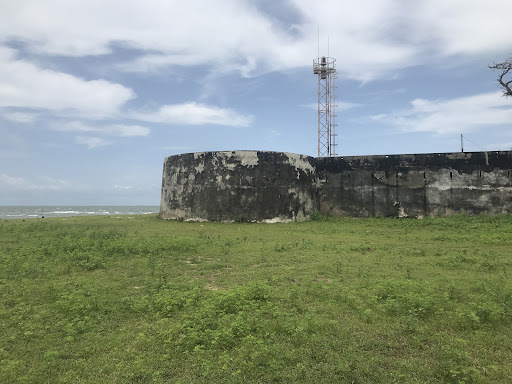
Fort Bullen, located in Barra, Gambia, stands as a historical testament to the British Empire’s efforts to abolish the transatlantic slave trade. Constructed in 1826, the fort was strategically positioned at the mouth of the River Gambia to intercept and prevent slave ships from continuing their inhumane voyages.
The Gambia River, due to its depth, was a significant waterway for transporting enslaved individuals during the peak of the slave trade in the 18th century. It is estimated that a staggering 12.5 million people were forcibly moved across the Atlantic during this dark period, with a survival rate of only 85%1. The Gambia was a central point in this trade, with every sixth West African enslaved person believed to have come from this region1.
Fort Bullen was part of a broader attempt to control the river passage and stop slave ships. Despite these efforts, the fort could not cover the entire distance of the river estuary, and thus, its effectiveness was limited1. After the British officially ended the slave trade in 1870, the fort was abandoned and remained unused until World War II, when it served as a defense site against potential threats from Senegal1.
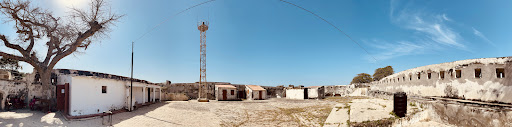
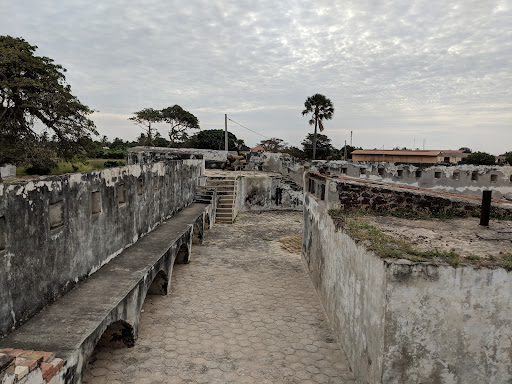
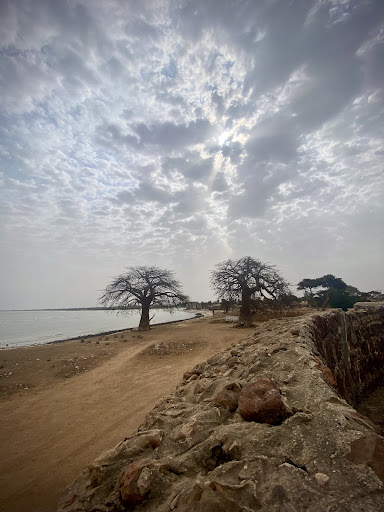
In 2003, Fort Bullen was recognized for its historical significance and was inscribed as a UNESCO World Heritage Site under Kunta Kinteh Island and Related Sites1. Today, it houses a small museum that showcases the history of the slave trade in the region, along with ethnographic and historical exhibitions. Visitors can explore the walled square courtyard, the rounded defenses on each corner, and the remaining gun batteries, all surrounded by the iconic baobabs of the area1. The fort is a poignant reminder of the past and serves as an educational site for those looking to understand the impact of the slave trade in...
Read more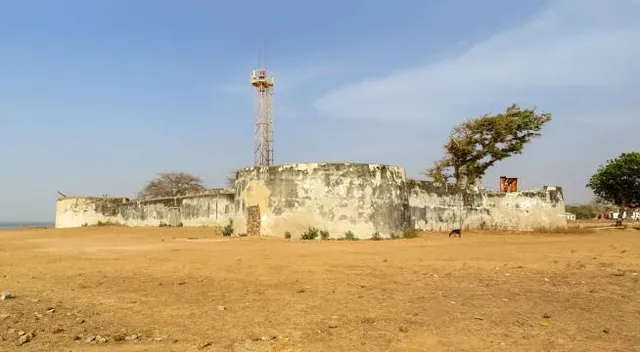
 Learn more insights from Wanderboat AI.