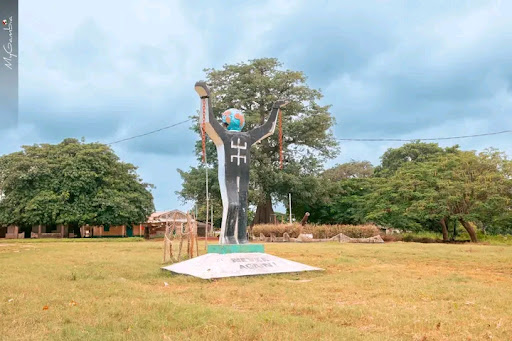
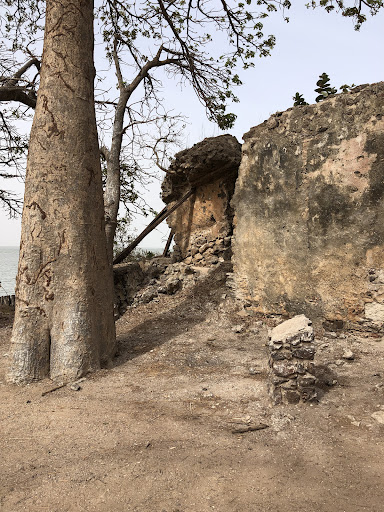
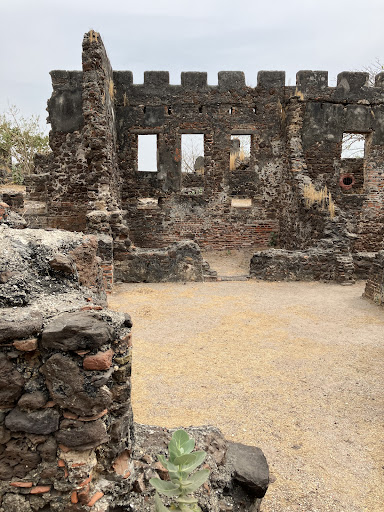
A genuinely unmissable (if somewhat sobering) place to visit if you can. This fort served as a slave station and was the point from which slaves, both men and women, were put on ships.
At the time, women in the area had multiple strings of beads round their ankles, which were cut off just before they were put on the ships. If you sift through the sand on the beach you can still find them. They are around a quarter inch in diameter, in many different designs.
Over the course of a couple of hours we found around 8 beads and on returning to the UK incorporated 5 of them into a unique necklace made especially for the purpose, which seemed the appropriate thing to do in the circumstances. Others may disagree. One thing became obvious, and that was that although it may be the point of departure for Alex Haileys Kunta Kinte, the "Roots" village is so close that it cannot be where his ancestors came from.
The Gambian people are extremely forgiving of British tourists over our involvement in the slave trade. For some reason, the reserve their ire for the Germans, who they refer to as the "muscle necks" or "muscle heads".
We encountered some of the finest musians we'd ever heard whilst there.
I'd strongly recommend hiring a local guide and getting as far out of Banjul and the coast as possible because they have a number of world heritage sites that few tourists ever visit, and there is less chance of being followed round by children begging and adults wanting to sell you fruit, drinks etc. which can be tedious. We found no reasonable way of dealing with this as any small purchase would just encourage more people to join in.
Incidentally, a local guide will also prevent the average tourist from making cultural faux pas such as taking pictures without asking first, amongst other things.
Finally, for anyone wanting to stroll down the beach, without attracting a queue of local vendors, I'd suggest walking in the breaking waves, or swimming. Very few people in the Gambia can swim. From time to time the police have crackdowns on behaviour that puts tourists off, but it soon returns out of financial necessity in such a...
Read more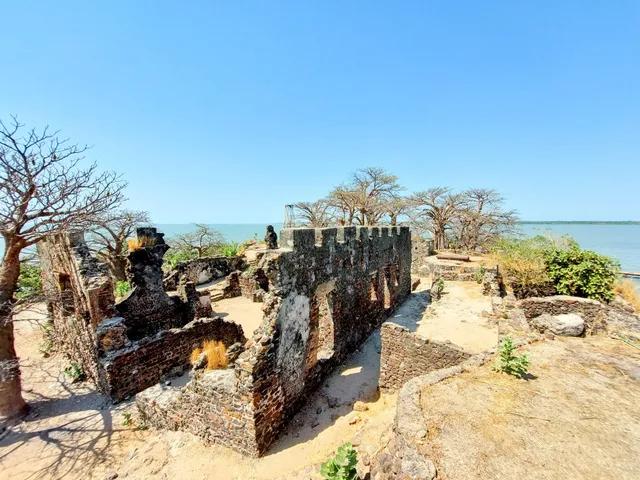
 Learn more insights from Wanderboat AI.