Temple of Juno Caelestis things to do, attractions, restaurants, events info and trip planning
Basic Info
Temple of Juno Caelestis
C6F8+573, Téboursouk, Tunisia
4.8(12)
Open 24 hours
Save
spot
spot
Ratings & Description
Info
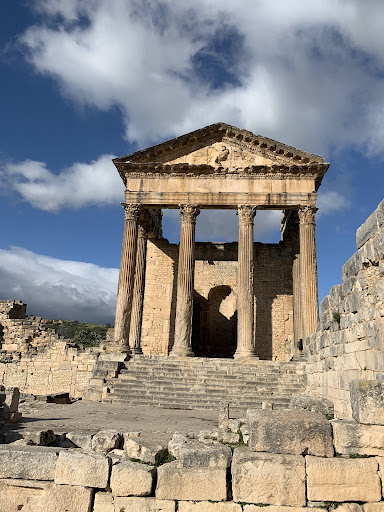
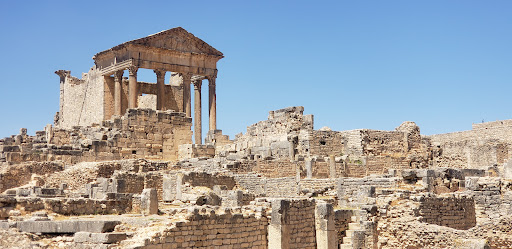
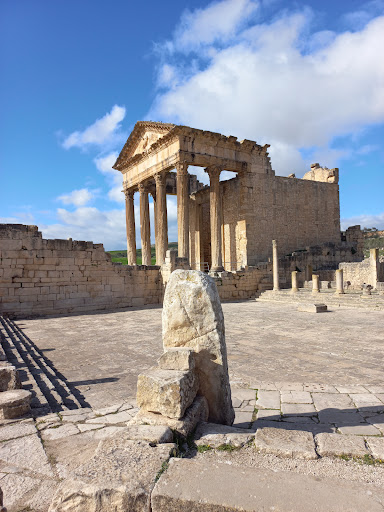
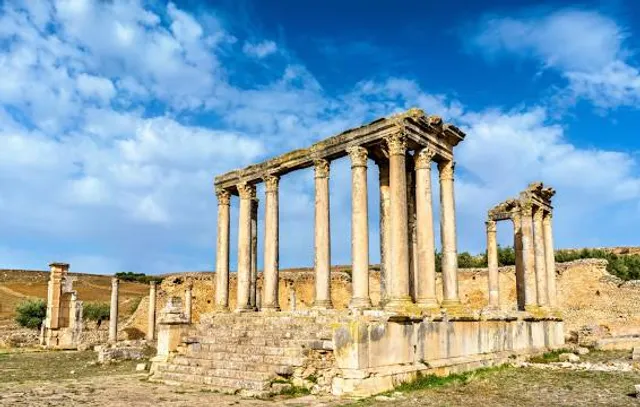
The Temple of Juno Caelestis is an archaeological site in Dougga, Tunisia. The ruined temple was dedicated to the Roman goddess Juno, herself an evolution of the Punic goddess Tanit. The temple was built between AD 222 and 235, and is one of the best preserved temples dedicated to Juno in Africa.
Cultural
Scenic
Outdoor
attractions: Dougga, Arch of Alexander Severus, Roman Theater of Dougga, House of the Trifolium, Atban Punic Mausoleum, restaurants: , local businesses:
 Learn more insights from Wanderboat AI.
Plan your stay

Pet-friendly Hotels in Béja
Find a cozy hotel nearby and make it a full experience.

Affordable Hotels in Béja
Find a cozy hotel nearby and make it a full experience.

The Coolest Hotels You Haven't Heard Of (Yet)
Find a cozy hotel nearby and make it a full experience.

Trending Stays Worth the Hype in Béja
Find a cozy hotel nearby and make it a full experience.
Reviews
Nearby attractions of Temple of Juno Caelestis
Dougga
Arch of Alexander Severus
Roman Theater of Dougga
House of the Trifolium
Atban Punic Mausoleum
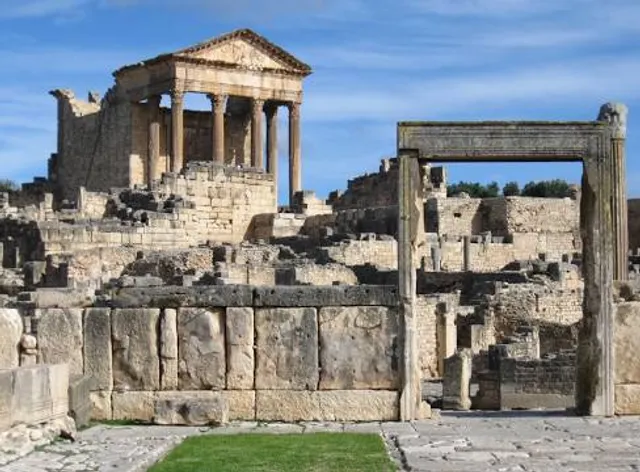
Dougga
4.8
(908)
Closed
Click for details
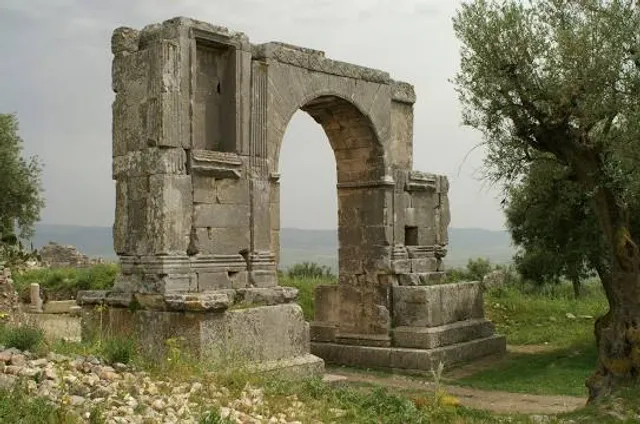
Arch of Alexander Severus
4.7
(8)
Open 24 hours
Click for details
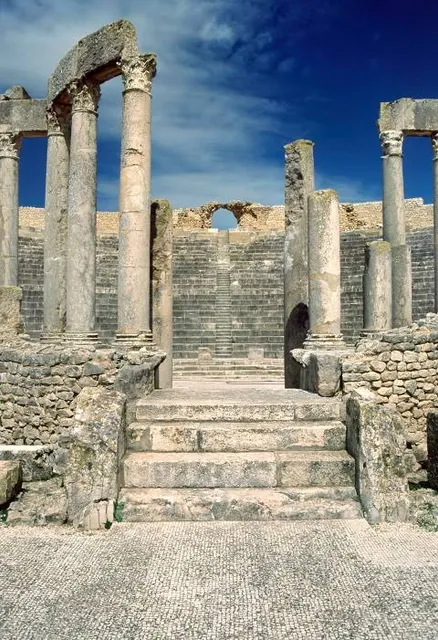
Roman Theater of Dougga
4.8
(242)
Open 24 hours
Click for details
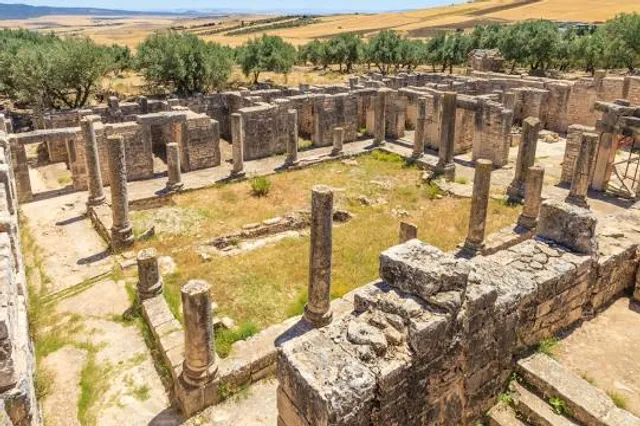
House of the Trifolium
4.2
(10)
Open 24 hours
Click for details