HTML SitemapExplore
logo
Find Things to DoFind The Best Restaurants

Testour Great Mosque — Attraction in Béja

Name
Testour Great Mosque
Description
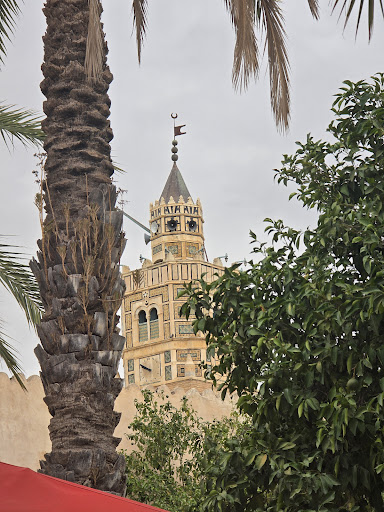
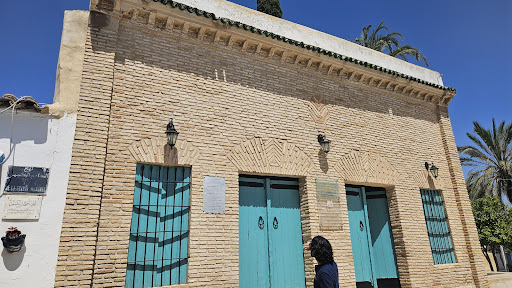
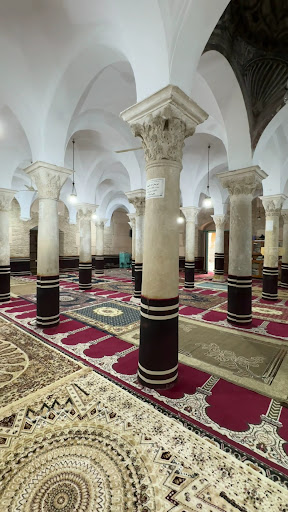
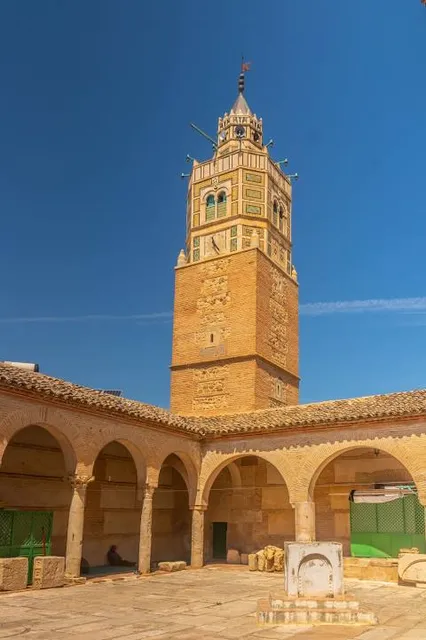
The Great Mosque of Testour is a mosque located in the city of Testour in Beja Governorate, Tunisia. It is 76 km from the capital Tunis, in the center of the old city. It embodies the Andalusian architecture, especially its minaret, which features Andalusian style inscriptions and architectural elements.
Nearby attractions
Nearby restaurants
Nearby hotels
Related posts
Keywords
Testour Great Mosque tourism.Testour Great Mosque hotels.Testour Great Mosque bed and breakfast. flights to Testour Great Mosque.Testour Great Mosque attractions.Testour Great Mosque restaurants.Testour Great Mosque travel.Testour Great Mosque travel guide.Testour Great Mosque travel blog.Testour Great Mosque pictures.Testour Great Mosque photos.Testour Great Mosque travel tips.Testour Great Mosque maps.Testour Great Mosque things to do.
Testour Great Mosque things to do, attractions, restaurants, events info and trip planning
Testour Great Mosque
TunisiaBéjaTestour Great Mosque

Basic Info

Testour Great Mosque

HC3W+GRC, Testour, Tunisia
4.6(197)
Open 24 hours
Save
spot

Ratings & Description

Info

The Great Mosque of Testour is a mosque located in the city of Testour in Beja Governorate, Tunisia. It is 76 km from the capital Tunis, in the center of the old city. It embodies the Andalusian architecture, especially its minaret, which features Andalusian style inscriptions and architectural elements.

Cultural
Scenic
Family friendly
Accessibility
attractions: , restaurants:
logoLearn more insights from Wanderboat AI.

Plan your stay

hotel
Pet-friendly Hotels in Béja
Find a cozy hotel nearby and make it a full experience.

hotel
Affordable Hotels in Béja
Find a cozy hotel nearby and make it a full experience.

hotel
The Coolest Hotels You Haven't Heard Of (Yet)
Find a cozy hotel nearby and make it a full experience.

hotel
Trending Stays Worth the Hype in Béja
Find a cozy hotel nearby and make it a full experience.

Reviews

Get the Appoverlay
Get the AppOne tap to find yournext favorite spots!
Wanderboat LogoWanderboat

Your everyday Al companion for getaway ideas

CompanyAbout Us
InformationAI Trip PlannerSitemap
SocialXInstagramTiktokLinkedin
LegalTerms of ServicePrivacy Policy

Get the app

© 2025 Wanderboat. All rights reserved.
logo

Posts

Reza Sattarzadeh NowbariReza Sattarzadeh Nowbari
The grand mosque of Testour has a very unique clock on its minaret which makes it absolutely distinctive from all the other old mosques in this region. Built in the 17th century by Moorish people who were expelled from Andalusia, the clock is one of the only four clocks in the world working in reverse order. The clock still functions and you can see the action of the hands. This is truly an interesting piece of machinery and for the days in which it was built, it was a sign of genius. It is said that the reason behind this is the sense of longing and nostalgia that the Andalusians felt for their homeland and their eagerness to reverse the time and go back to when they were living in the modern day Spain.
Kamel DidanKamel Didan
A beautiful piece of history, though sadly not well preserved. While there appears to be genuine effort to maintain the site, the surrounding environment, upkeep methods, and the presence of nearby shops and cafés have significantly diminished its original sense of serenity. We prayed there on the way to Dougga and it was very peaceful.
Zhala QadirZhala Qadir
It is not a historical place decorated in the guise of civilization, what distinguishes it from the existing clock that rotates physics counterclockwise for reasons that are not confirmed, which may be the nostalgia of Andalusians to return to their time.
See more posts
See more posts
hotel
Find your stay

Pet-friendly Hotels in Béja

Find a cozy hotel nearby and make it a full experience.

The grand mosque of Testour has a very unique clock on its minaret which makes it absolutely distinctive from all the other old mosques in this region. Built in the 17th century by Moorish people who were expelled from Andalusia, the clock is one of the only four clocks in the world working in reverse order. The clock still functions and you can see the action of the hands. This is truly an interesting piece of machinery and for the days in which it was built, it was a sign of genius. It is said that the reason behind this is the sense of longing and nostalgia that the Andalusians felt for their homeland and their eagerness to reverse the time and go back to when they were living in the modern day Spain.
Reza Sattarzadeh Nowbari

Reza Sattarzadeh Nowbari

hotel
Find your stay

Affordable Hotels in Béja

Find a cozy hotel nearby and make it a full experience.

Get the Appoverlay
Get the AppOne tap to find yournext favorite spots!
A beautiful piece of history, though sadly not well preserved. While there appears to be genuine effort to maintain the site, the surrounding environment, upkeep methods, and the presence of nearby shops and cafés have significantly diminished its original sense of serenity. We prayed there on the way to Dougga and it was very peaceful.
Kamel Didan

Kamel Didan

hotel
Find your stay

The Coolest Hotels You Haven't Heard Of (Yet)

Find a cozy hotel nearby and make it a full experience.

hotel
Find your stay

Trending Stays Worth the Hype in Béja

Find a cozy hotel nearby and make it a full experience.

It is not a historical place decorated in the guise of civilization, what distinguishes it from the existing clock that rotates physics counterclockwise for reasons that are not confirmed, which may be the nostalgia of Andalusians to return to their time.
Zhala Qadir

Zhala Qadir

See more posts
See more posts

Reviews of Testour Great Mosque

4.6
(197)
avatar
5.0
13w

The grand mosque of Testour has a very unique clock on its minaret which makes it absolutely distinctive from all the other old mosques in this region. Built in the 17th century by Moorish people who were expelled from Andalusia, the clock is one of the only four clocks in the world working in reverse order. The clock still functions and you can see the action of the hands. This is truly an interesting piece of machinery and for the days in which it was built, it was a sign of genius. It is said that the reason behind this is the sense of longing and nostalgia that the Andalusians felt for their homeland and their eagerness to reverse the time and go back to when they were living in the...

   Read more
avatar
5.0
3y

"الساعة المعكوسة" و هي ساعة موجودة بالجامع الكبير بتستور تم بناءه من قبل محمد تغرينو سنة 1630م و هذه الساعة تعبر عن رغبة الاندلسيين في العودة بالزمن الى الوراء و العودة الى حياتهم السابقة قبل قدومهم الي تونس و الاستقرار في عدد من مدنها من بينهم تستور المدينة الاندلسية و التي تم انشائها من قبلهم حيث أن تستور كان اسمها "تشيلا" اي الهضبة الخصبة و مع قدوم الاندلسيين الى "تشيلا" احضرو معهم العديد من العادات و المواد التي كانو يستخدمونها سواء في البناء او حتى في اساليب الحياة اليومية من بين المعمار الذي انشاه الاندلسيون "الجامع الكبير" وهو يجسد فن العمارة الأندلسية وخاصة الصومعة التي يظهر في أعلاها نقوش وهندسة معمارية أندلسية، كما تنفتح واجهاته بنوافذ صغيرة مزدوجة وغنية بالزخارف المصنوعة من الزليج، إضافة إلى ساعة ميكانيكيّة توجد في أعلى الصومعة كانت قديما تعدّل عن طريق ساعة شمسية موجودة في صحن الجامع، ويقترب مظهر الصومعة من أبراج الأجراس الأراغونية الموجودة في جنوب إسبانيا. ويتسع المصلى في الجامع الكبير بتستور حوالي 1000 مصل بالإضافة إلى الصحن الموجود في وسط الجامع.يوجد اليوم في أعلى الصومعة ساعة ميكانيكيّة إلكترونية ، تقوم الأقمار الصناعية بتعديلها أوتوماتيكيّا ووقع إصلاحها و إعادتها إلى الحياة في نوفمبر 2014 و بعد تجديدها جلبت الكثير من الزوار. هذه السّاعة طريفة و عجيبة، إذ أنّها كانت معطّلة و في غيوية منذ 3 قرون، و هي أوّل ساعة ميكانيكيّة معلّقة أعلى مئذنة في العام الإسلامي، ثبّتها الأندلسيّون المؤسسّون للمدينة و جعلوا ميناها من الحجر الرّخامي و ثبّتوا فيه أرقاما خزفيّة تتّجه من اليمين إلى اليسار و نحو المحورو لهذا فعقاربها تدور على خلاف ما عهدناه و تعودّنا عليه في زمننا...

   Read more
avatar
5.0
8y

الجامع الكبير بتستور من أهم المعالم المعمارية التي شيدها الأندلسيون في المدينة. وجاء هذا الجامع بعد أن أصبح الجامع المبني بحي الرحيبة سنة 1609 للميلاد غير قادر على استيعاب أعداد المصلين إثر قدوم موجة ثانية من المهاجرين. ويذكر أحمد الحمروني في كتابه «معجم المدائن التونسية» أن هذا الجامع قد شُرع في بنائه سنة 1630 على يد محمد تغرينو، وكانت البداية ببيت الصلاة ثم الصومعة، ثم جاء الدور على الصحن الكبير، حيث توجد المزولة التي صنعها أحمد الحرار سنة 1760 للميلاد، ثم أضيفت بعد ذلك الأروقة والمحراب الخارجي المشابه لجامع ابن طولون بالقاهرة. أما بالنسبة إلى الصحن الصغير المفتوح على بطحاء السوق ببوابتيه ورواقه وكذلك الميضأة، فقد أضيفت إلى الجامع سنة 1730 للميلاد، أي بعد قرن من بداية تشييد الجامع.

وقد وظفت في الجامع الكبير بتستور الأعمدة والتيجان التي تم جلبها من المواقع الأثرية الرومانية، وعددها كما يذكر أحمد الحمروني 68، ثم تم اقتناء سبعة أعمدة وتيجان جديدة من الطراز الحسيني من تونس العاصمة لإضافة الصحن الصغير. وتتضح تأثيرات الأراقونيين والعمارة في طليطلة في بناء وزخرفة هذا الجامع، فعمارته تجسم النهضة المعمارية التي عرفتها إيطاليا وإسبانيا خلال تلك الفترة، فقد تم تزويق المحراب بالآجر البارز، كما بنيت الجدران بصناديق من التربة المحلية مدعومة بالآجر، وهو ما يعرف إلى اليوم بـ«الطابية». وبنيت الصومعة بقسميها على قاعدة مربعة ودربوز مدرجه حلزوني. وتوجد بالصومعة ساعة فريدة تتوسط إحدى الواجهات وتدور عقاربها من اليمين إلى اليسار معاكسة...

   Read more
Page 1 of 7
Previous
Next