HTML SitemapExplore

Knidos Ancient City — Attraction in Datça

Name
Knidos Ancient City
Description
Nearby attractions
Nearby restaurants
Nearby local services
Nearby hotels
Related posts
Keywords
Knidos Ancient City tourism.Knidos Ancient City hotels.Knidos Ancient City bed and breakfast. flights to Knidos Ancient City.Knidos Ancient City attractions.Knidos Ancient City restaurants.Knidos Ancient City local services.Knidos Ancient City travel.Knidos Ancient City travel guide.Knidos Ancient City travel blog.Knidos Ancient City pictures.Knidos Ancient City photos.Knidos Ancient City travel tips.Knidos Ancient City maps.Knidos Ancient City things to do.
Knidos Ancient City things to do, attractions, restaurants, events info and trip planning
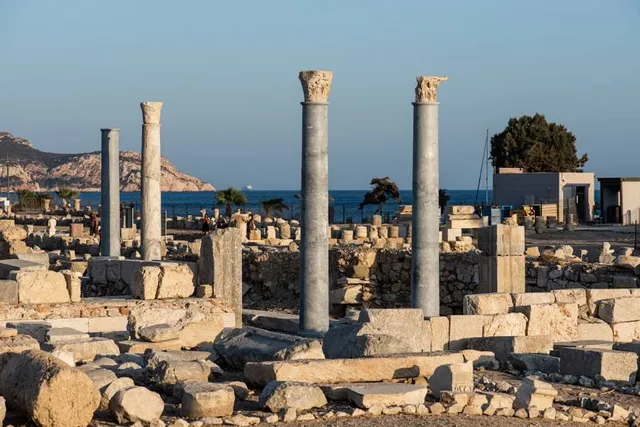
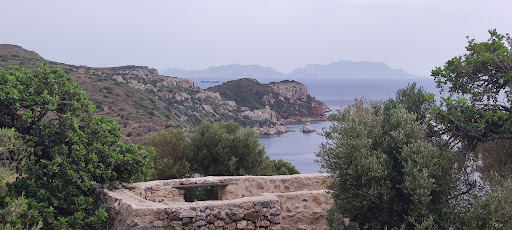
Knidos Ancient City
TurkeyMuğlaDatçaKnidos Ancient City

Basic Info

Knidos Ancient City

Yazı, Çevre Yolu, 48900 Datça/Muğla, Türkiye
4.6(4K)
Closed
Save
spot

Ratings & Description

Info

Cultural
Outdoor
N/a
attractions: , restaurants: , local businesses:

logoLearn more insights from Wanderboat AI.
Phone
+90 252 412 14 59
Website
kulturportali.gov.tr
Open hoursSee all hours
Mon9 AM - 7 PMClosed

Plan your stay

hotel
Pet-friendly Hotels in Datça
Find a cozy hotel nearby and make it a full experience.

hotel
Affordable Hotels in Datça
Find a cozy hotel nearby and make it a full experience.

hotel
The Coolest Hotels You Haven't Heard Of (Yet)
Find a cozy hotel nearby and make it a full experience.

hotel
Trending Stays Worth the Hype in Datça
Find a cozy hotel nearby and make it a full experience.

Reviews

Live events
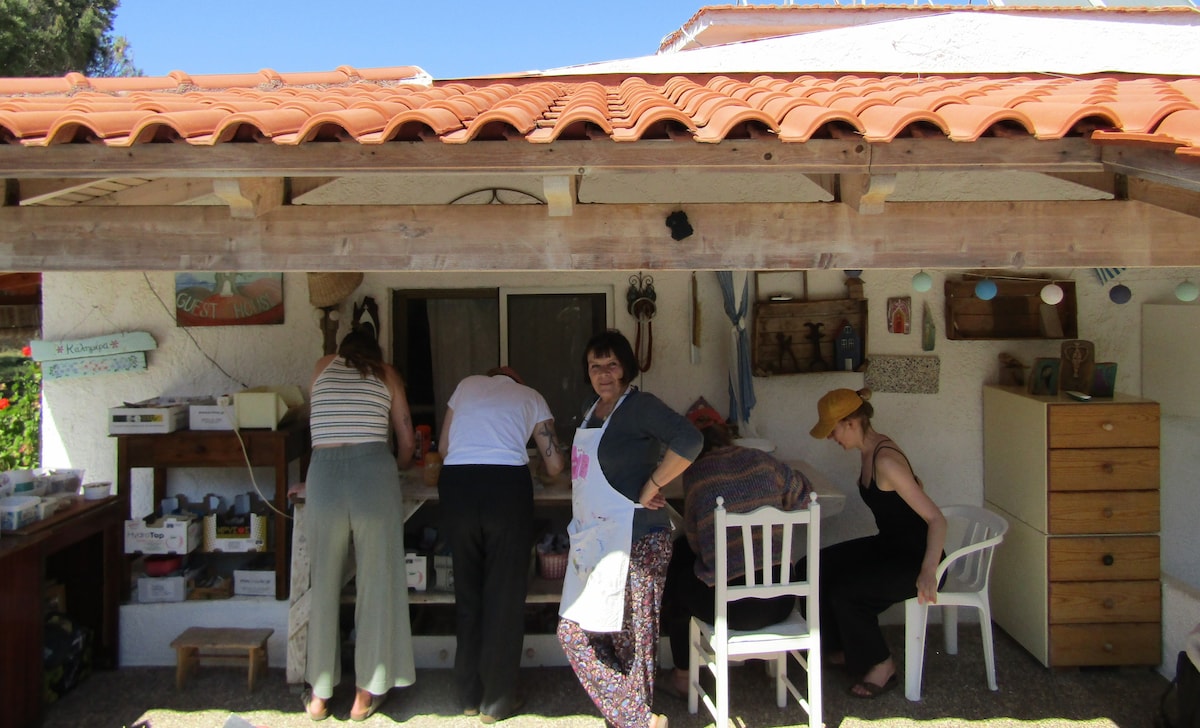
Your mosaic mirror
Your mosaic mirror
Tue, Feb 10 • 9:00 AM
853 00, Kos, Greece
View details

Get the Appoverlay
Get the AppOne tap to find yournext favorite spots!
Wanderboat LogoWanderboat

Your everyday Al companion for getaway ideas

CompanyAbout Us
InformationAI Trip PlannerSitemap
SocialXInstagramTiktokLinkedin
LegalTerms of ServicePrivacy Policy

Get the app

© 2025 Wanderboat. All rights reserved.

Reviews of Knidos Ancient City

4.6
(4,021)
avatar
5.0
4y

KNIDOS ANCIENT CITY Knidos, one of the rich and famous cities of the Classical Era world, is today 70 km. It was established on the Tekir Cape at the point where the Aegean and Mediterranean Seas meet at the far end of the Datça Peninsula. The ancient city of Knidos is one of the most important Western Anatolian coastal cities. It is within the borders of Yazı Village, Datça District of Muğla Province. It is connected to Datça by a road of 35 km, the last 8 km of which is stabilized. Sea transportation is done by excursion boats and yachts during the tourism season. Knidos was built on terraces both on the south-facing tip of the peninsula and on the northern slope of Kap Krio (Deve Boynu), which was originally an island but was turned into a peninsula over time. The city is surrounded by a strong fortification wall with round and angular towers. It is possible to see the best preserved parts of the fortification walls, which are thought to have been built in the 4th century BC, in the Acropolis. Outside the city walls, approximately 7 km to the east. There is a Necropolis (cemetery) spread over a wide area in length. A street extending in the east-west direction on the mainland on the axis, and below and above this road, public buildings, up and down theaters, Demeter Sanctuary, a small odeon, Aphrodite Temple, Corinthian Temple, Roman Tomb, Agora, Monumental Building, Hellenistic Stoa, Dionysus Temple and Byzantine Church, Roman Period Bouleuterion, Propylon and building remains such as stepped street are located. Strabo states that Knidos was founded along the coast and on the island in front of it. Later, the sea between the island and the land was filled, thus two separate ports were obtained. Of these, the smaller one in the north was called the "North Harbour". This port was used for military purposes. The southern port on the other side is reserved for trade ships. Today, the ruins of the breakwater that covers the harbor mouth and the tower in the northern harbor can be seen. The city of Knidos was established according to the grid plan of Hippodamos. Therefore, four wide streets parallel to each other in the east-west direction intersect with a steep street in the north-south direction. In accordance with the location of the land, streets and avenues sometimes crossed each other by stairs and...

   Read more
avatar
5.0
3y

A very special open-air museum and ancient site. Located directly on the sea with a view of today's Greek islands from ancient Greece.

Knidos was an ancient city located in modern-day Turkey, which flourished during the Hellenistic and Roman periods. It was situated on the Datça Peninsula, at the intersection of the Aegean and Mediterranean Seas, which made it an important center for trade and commerce.

The city was famous for its architecture, especially the Temple of Aphrodite, which was one of the most important religious sites in the ancient world. The temple was built by the architect Sostratus of Cnidus and was adorned with many works of art, including the famous statue of Aphrodite by Praxiteles.

Knidos was also known for its medical school, which was founded by the philosopher Eudoxus in the 4th century BCE. The school was renowned for its studies in anatomy and physiology, and it produced many famous doctors and medical scholars.

The city was heavily influenced by Greek culture, and its architecture, art, and literature reflected this. However, it also had a diverse population, with many traders and merchants from other parts of the Mediterranean.

Unfortunately, Knidos was destroyed by an earthquake in the 4th century CE, and its ruins were largely forgotten until the 19th century when archaeologists began to excavate the site. Today, visitors can explore the ruins of the ancient city, including the remains of the Temple of Aphrodite, the theater, and the agora.

Overall, Knidos was an important center of culture, learning, and trade in the ancient world, and its legacy can still be seen in the ruins that...

   Read more
avatar
5.0
1y

Knidos Antik Kenti is a mesmerizing archaeological site nestled along the stunning coastline of Turkey. Steeped in history and surrounded by breathtaking natural beauty, this ancient city offers a truly unforgettable experience for history enthusiasts and nature lovers alike.

Walking through the ruins of Knidos is like stepping back in time, as you wander among the remnants of ancient temples, theaters, and streets that once bustled with life. The well-preserved structures provide a glimpse into the rich cultural heritage of this former Greek settlement, offering insights into daily life, trade, and architecture during antiquity.

Perched on the tip of the Datça Peninsula, Knidos boasts panoramic views of the Aegean Sea, making it a photographer's paradise. Whether you're exploring the remains of the iconic Temple of Aphrodite or admiring the intricate details of the ancient amphitheater, every corner of Knidos offers a photo-worthy moment against the backdrop of azure waters and rugged cliffs.

Aside from its historical significance and natural beauty, Knidos also offers visitors a tranquil escape from the hustle and bustle of modern life. The serene atmosphere invites contemplation and reflection, making it the perfect place to unwind and reconnect with the past.

Overall, Knidos Antik Kenti is a hidden gem waiting to be discovered. With its fascinating history, stunning scenery, and serene ambiance, it's an experience that will leave a lasting impression on all who visit. Highly recommend adding this extraordinary site to your...

   Read more
Page 1 of 7
Previous
Next

Posts

Nihat ÖzkanNihat Özkan
A very special open-air museum and ancient site. Located directly on the sea with a view of today's Greek islands from ancient Greece. Knidos was an ancient city located in modern-day Turkey, which flourished during the Hellenistic and Roman periods. It was situated on the Datça Peninsula, at the intersection of the Aegean and Mediterranean Seas, which made it an important center for trade and commerce. The city was famous for its architecture, especially the Temple of Aphrodite, which was one of the most important religious sites in the ancient world. The temple was built by the architect Sostratus of Cnidus and was adorned with many works of art, including the famous statue of Aphrodite by Praxiteles. Knidos was also known for its medical school, which was founded by the philosopher Eudoxus in the 4th century BCE. The school was renowned for its studies in anatomy and physiology, and it produced many famous doctors and medical scholars. The city was heavily influenced by Greek culture, and its architecture, art, and literature reflected this. However, it also had a diverse population, with many traders and merchants from other parts of the Mediterranean. Unfortunately, Knidos was destroyed by an earthquake in the 4th century CE, and its ruins were largely forgotten until the 19th century when archaeologists began to excavate the site. Today, visitors can explore the ruins of the ancient city, including the remains of the Temple of Aphrodite, the theater, and the agora. Overall, Knidos was an important center of culture, learning, and trade in the ancient world, and its legacy can still be seen in the ruins that remain today.
Your browser does not support the video tag.
Engin L.Engin L.
Türkiye’nin en batısında güneşi batırmaya gittik.Manzara gerçekten ilham vericiydi.Müze kartla giriş yapabiliyorsunuz bilginize.Alan büyük spor ayakkabı daha iyi olur.Ender yerlerden biri bence.Yol biraz virajlı ve uzun ama yine de görmeye değer. “Buraya kadar gelmişken” yerlerinden değil yani😊
Daldaban RecepDaldaban Recep
Knidos Antik Kenti, Muğla ilinin Datça ilçesi sınırlarında yer alan ve Ege Bölgesi’nin en önemli antik kentlerinden biri olan Knidos, antik çağda Karya bölgesinin en gelişmiş şehirlerinden biriydi. Bugün, Datça Yarımadası’nın ucunda, Deniz Feneri’nin yakınlarında yer alan bu antik kent, hem tarihi hem de doğa açısından büyük bir öneme sahiptir. Tarihçe: Knidos, antik çağda, MÖ 4. yüzyıldan itibaren önemli bir ticaret merkezi ve liman kenti olarak varlık göstermiştir. Kent, özellikle MÖ 5. yüzyılda büyük bir gelişim göstererek önemli bir denizcilik ve ticaret merkezi haline gelmiştir. Knidos, Helenistik dönemde bir kültür ve bilim merkezi olarak da tanınmıştır. Knidos’un kuruluşu, MÖ 4. yüzyılda Ionia’dan gelen koloniler tarafından gerçekleştirilmiştir. Kent, büyük limanları, ticaret yolları ve zengin kültürel mirası ile dikkat çekmiştir. Knidos, aynı zamanda **dönemin ünlü heykeltıraşı Praksiteles’in en ünlü heykellerinden birini yapmış olduğu yerdir: Afrodit Heykeli. Bu heykel, Roma dönemine kadar büyük bir üne sahip olmuştur. Knidos Antik Kenti’nin Öne Çıkan Özellikleri: 1. Tiyatro: Knidos’un tiyatrosu, Helenistik dönemin en güzel örneklerinden birine sahiptir. Tiyatro, özellikle deniz manzarasıyla dikkat çeker. Bu tiyatroda, tarihi performanslar izlenebilir ve antik dönemde halkın eğlenceli zaman geçirdiği alanlardan biri olmuştur. 2. Apollon Tapınağı: Knidos’ta, Apollon’a adanmış bir tapınak da bulunmaktaydı. Tapınak, antik dönemde büyük bir saygı görmüş ve bölgenin dini merkezi haline gelmiştir. Bugün, tapınağın bazı kalıntıları hala görülebilir. 3. Afrodit Heykeli: Knidos, özellikle Afrodit Heykeli ile ünlüdür. Praksiteles tarafından yapılan bu heykel, antik çağda en önemli eserlerden biri olarak kabul edilmiştir. Roma İmparatorluğu’nda bile büyük bir üne sahipti. Afrodit, güzellik ve aşk tanrıçası olarak kabul edilir ve bu heykel onun en güzel temsilcisi olarak kabul edilmiştir. 4. Agora: Knidos’un Agora’sı, kent hayatının merkeziydi. Burada ticaret yapıldığı gibi, sosyal ve dini etkinlikler de gerçekleştirilirdi. Agora’nın kalıntıları, Knidos’un toplumsal yapısını ve ekonomik faaliyetlerini gösteren önemli ipuçları sunmaktadır. 5. Köprü ve Liman: Knidos, önemli bir liman kenti olarak, gemi trafiği ve ticaret için önemli bir noktaydı. Antik kentin limanı, gemi kalıntıları ve denizcilik mirası ile keşfedilebilir. Limanın hemen yakınlarında, kayıklar ve tekneler için kullanılan bazı yapılar hala görülebilir. 6. Zeytin Bahçeleri ve Doğa: Knidos, sadece tarihi değil, aynı zamanda doğal güzellikleriyle de dikkat çeker. Kent, zeytin ağaçları ve deniz manzarası ile çevrilidir. Antik kentten deniz manzarası eşliğinde yürüyüş yapmak oldukça keyifli bir deneyim sunar. Knidos’a Ulaşım: Knidos, Datça Yarımadası’nın uç noktasında yer aldığından, ulaşım biraz zordur. Ancak, özel araçla ya da tekne turlarıyla kente ulaşmak mümkündür. • Datça merkezinden Knidos’a gitmek için gemi turu veya yolculukla yaklaşık 45 dakika sürmektedir. • Ayrıca, tekne turları ile Datça’dan Knidos’a ulaşmak oldukça popülerdir. Bu turlar, Deniz Feneri yakınındaki sahilden kalkar ve Knidos’a doğrudan ulaşır. Knidos’un Doğal Güzellikleri: Knidos sadece tarihi kalıntılarıyla değil, aynı zamanda doğal güzellikleriyle de dikkat çeker. Kent, Deniz Feneri ve uzun sahilleri ile ünlüdür. Bölge, denizle iç içe olmanızı sağlar. Knidos’tan çıkıp beyaz kumlu plajlarda denize girebilir ya da doğa yürüyüşleri yapabilirsiniz. Büyük ve küçük liman arasında uzanan koylarda, güneşin batışı da oldukça etkileyicidir. Ziyaret İçin Öneriler: • Tarih ve Arkeoloji Meraklıları İçin: Knidos, antik çağda önemli bir yerleşim yeri olduğundan, tarih ve arkeoloji ilgisi olanlar için harika bir ziyaret noktasıdır. Ziyaret sırasında antik kenti keşfederken, Afrodit Heykeli, Apollon Tapınağı ve tiyatro kalıntıları gibi önemli alanları gezmeyi unutmayın. • Doğa Severler İçin: Knidos, doğa ile iç içe bir deneyim sunar. Doğa yürüyüşleri yapmak, zeytin bahçelerinde gezinmek ve deniz kenarında dinlenmek mümkündür. Ayrıca, güneşin batışı bu bölgede oldukça büyüleyicidir.
See more posts
See more posts
hotel
Find your stay

Pet-friendly Hotels in Datça

Find a cozy hotel nearby and make it a full experience.

A very special open-air museum and ancient site. Located directly on the sea with a view of today's Greek islands from ancient Greece. Knidos was an ancient city located in modern-day Turkey, which flourished during the Hellenistic and Roman periods. It was situated on the Datça Peninsula, at the intersection of the Aegean and Mediterranean Seas, which made it an important center for trade and commerce. The city was famous for its architecture, especially the Temple of Aphrodite, which was one of the most important religious sites in the ancient world. The temple was built by the architect Sostratus of Cnidus and was adorned with many works of art, including the famous statue of Aphrodite by Praxiteles. Knidos was also known for its medical school, which was founded by the philosopher Eudoxus in the 4th century BCE. The school was renowned for its studies in anatomy and physiology, and it produced many famous doctors and medical scholars. The city was heavily influenced by Greek culture, and its architecture, art, and literature reflected this. However, it also had a diverse population, with many traders and merchants from other parts of the Mediterranean. Unfortunately, Knidos was destroyed by an earthquake in the 4th century CE, and its ruins were largely forgotten until the 19th century when archaeologists began to excavate the site. Today, visitors can explore the ruins of the ancient city, including the remains of the Temple of Aphrodite, the theater, and the agora. Overall, Knidos was an important center of culture, learning, and trade in the ancient world, and its legacy can still be seen in the ruins that remain today.
Nihat Özkan

Nihat Özkan

hotel
Find your stay

Affordable Hotels in Datça

Find a cozy hotel nearby and make it a full experience.

Get the Appoverlay
Get the AppOne tap to find yournext favorite spots!
Türkiye’nin en batısında güneşi batırmaya gittik.Manzara gerçekten ilham vericiydi.Müze kartla giriş yapabiliyorsunuz bilginize.Alan büyük spor ayakkabı daha iyi olur.Ender yerlerden biri bence.Yol biraz virajlı ve uzun ama yine de görmeye değer. “Buraya kadar gelmişken” yerlerinden değil yani😊
Engin L.

Engin L.

hotel
Find your stay

The Coolest Hotels You Haven't Heard Of (Yet)

Find a cozy hotel nearby and make it a full experience.

hotel
Find your stay

Trending Stays Worth the Hype in Datça

Find a cozy hotel nearby and make it a full experience.

Knidos Antik Kenti, Muğla ilinin Datça ilçesi sınırlarında yer alan ve Ege Bölgesi’nin en önemli antik kentlerinden biri olan Knidos, antik çağda Karya bölgesinin en gelişmiş şehirlerinden biriydi. Bugün, Datça Yarımadası’nın ucunda, Deniz Feneri’nin yakınlarında yer alan bu antik kent, hem tarihi hem de doğa açısından büyük bir öneme sahiptir. Tarihçe: Knidos, antik çağda, MÖ 4. yüzyıldan itibaren önemli bir ticaret merkezi ve liman kenti olarak varlık göstermiştir. Kent, özellikle MÖ 5. yüzyılda büyük bir gelişim göstererek önemli bir denizcilik ve ticaret merkezi haline gelmiştir. Knidos, Helenistik dönemde bir kültür ve bilim merkezi olarak da tanınmıştır. Knidos’un kuruluşu, MÖ 4. yüzyılda Ionia’dan gelen koloniler tarafından gerçekleştirilmiştir. Kent, büyük limanları, ticaret yolları ve zengin kültürel mirası ile dikkat çekmiştir. Knidos, aynı zamanda **dönemin ünlü heykeltıraşı Praksiteles’in en ünlü heykellerinden birini yapmış olduğu yerdir: Afrodit Heykeli. Bu heykel, Roma dönemine kadar büyük bir üne sahip olmuştur. Knidos Antik Kenti’nin Öne Çıkan Özellikleri: 1. Tiyatro: Knidos’un tiyatrosu, Helenistik dönemin en güzel örneklerinden birine sahiptir. Tiyatro, özellikle deniz manzarasıyla dikkat çeker. Bu tiyatroda, tarihi performanslar izlenebilir ve antik dönemde halkın eğlenceli zaman geçirdiği alanlardan biri olmuştur. 2. Apollon Tapınağı: Knidos’ta, Apollon’a adanmış bir tapınak da bulunmaktaydı. Tapınak, antik dönemde büyük bir saygı görmüş ve bölgenin dini merkezi haline gelmiştir. Bugün, tapınağın bazı kalıntıları hala görülebilir. 3. Afrodit Heykeli: Knidos, özellikle Afrodit Heykeli ile ünlüdür. Praksiteles tarafından yapılan bu heykel, antik çağda en önemli eserlerden biri olarak kabul edilmiştir. Roma İmparatorluğu’nda bile büyük bir üne sahipti. Afrodit, güzellik ve aşk tanrıçası olarak kabul edilir ve bu heykel onun en güzel temsilcisi olarak kabul edilmiştir. 4. Agora: Knidos’un Agora’sı, kent hayatının merkeziydi. Burada ticaret yapıldığı gibi, sosyal ve dini etkinlikler de gerçekleştirilirdi. Agora’nın kalıntıları, Knidos’un toplumsal yapısını ve ekonomik faaliyetlerini gösteren önemli ipuçları sunmaktadır. 5. Köprü ve Liman: Knidos, önemli bir liman kenti olarak, gemi trafiği ve ticaret için önemli bir noktaydı. Antik kentin limanı, gemi kalıntıları ve denizcilik mirası ile keşfedilebilir. Limanın hemen yakınlarında, kayıklar ve tekneler için kullanılan bazı yapılar hala görülebilir. 6. Zeytin Bahçeleri ve Doğa: Knidos, sadece tarihi değil, aynı zamanda doğal güzellikleriyle de dikkat çeker. Kent, zeytin ağaçları ve deniz manzarası ile çevrilidir. Antik kentten deniz manzarası eşliğinde yürüyüş yapmak oldukça keyifli bir deneyim sunar. Knidos’a Ulaşım: Knidos, Datça Yarımadası’nın uç noktasında yer aldığından, ulaşım biraz zordur. Ancak, özel araçla ya da tekne turlarıyla kente ulaşmak mümkündür. • Datça merkezinden Knidos’a gitmek için gemi turu veya yolculukla yaklaşık 45 dakika sürmektedir. • Ayrıca, tekne turları ile Datça’dan Knidos’a ulaşmak oldukça popülerdir. Bu turlar, Deniz Feneri yakınındaki sahilden kalkar ve Knidos’a doğrudan ulaşır. Knidos’un Doğal Güzellikleri: Knidos sadece tarihi kalıntılarıyla değil, aynı zamanda doğal güzellikleriyle de dikkat çeker. Kent, Deniz Feneri ve uzun sahilleri ile ünlüdür. Bölge, denizle iç içe olmanızı sağlar. Knidos’tan çıkıp beyaz kumlu plajlarda denize girebilir ya da doğa yürüyüşleri yapabilirsiniz. Büyük ve küçük liman arasında uzanan koylarda, güneşin batışı da oldukça etkileyicidir. Ziyaret İçin Öneriler: • Tarih ve Arkeoloji Meraklıları İçin: Knidos, antik çağda önemli bir yerleşim yeri olduğundan, tarih ve arkeoloji ilgisi olanlar için harika bir ziyaret noktasıdır. Ziyaret sırasında antik kenti keşfederken, Afrodit Heykeli, Apollon Tapınağı ve tiyatro kalıntıları gibi önemli alanları gezmeyi unutmayın. • Doğa Severler İçin: Knidos, doğa ile iç içe bir deneyim sunar. Doğa yürüyüşleri yapmak, zeytin bahçelerinde gezinmek ve deniz kenarında dinlenmek mümkündür. Ayrıca, güneşin batışı bu bölgede oldukça büyüleyicidir.
Daldaban Recep

Daldaban Recep

See more posts
See more posts