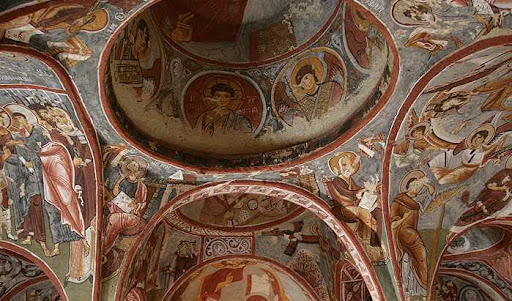
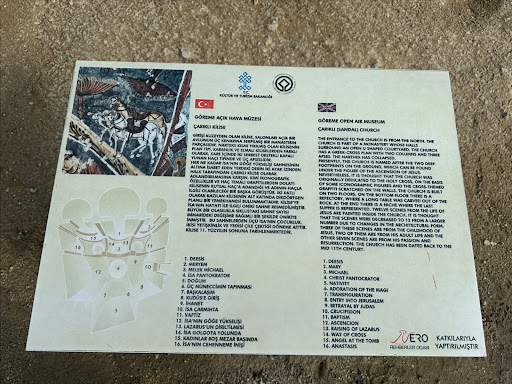
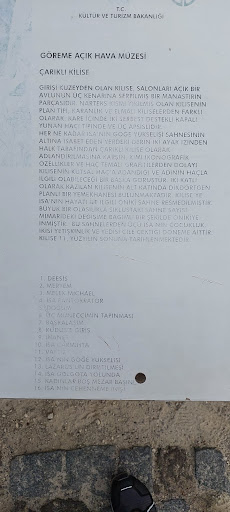
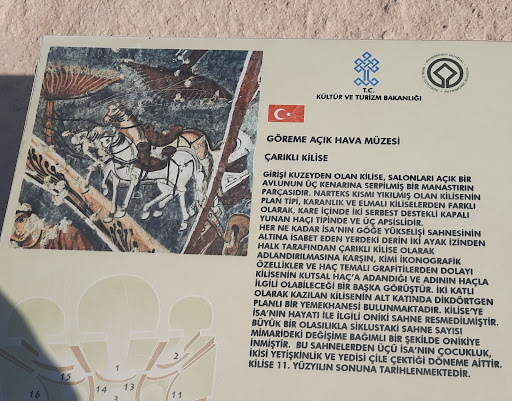
Çarıklı Kilise (the Church with Sandals) things to do, attractions, restaurants, events info and trip planning
Basic Info
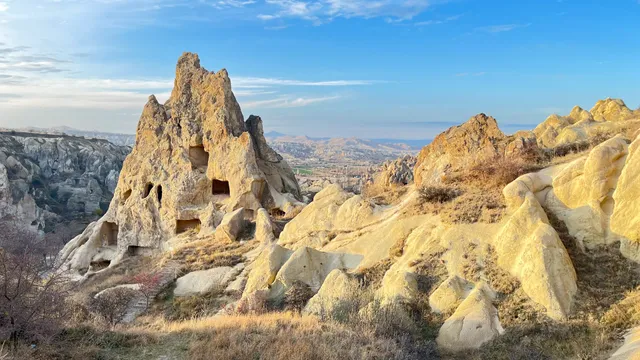
Çarıklı Kilise (the Church with Sandals)
İsali - Gaferli - Avcılar, 50180 Göreme/Nevşehir Merkez/Nevşehir, Türkiye
4.7(16)
Open 24 hours
Save
spot
spot
Ratings & Description
Info
Cultural
Scenic
Family friendly
Off the beaten path
attractions: Dark Church, Elmali Church (open air museum), The Buckle Church, Kılıçlar Vadisi, Al Nazar Church, Aynalı (Fırkatan) Church, Zemi Vadisi, Meskendir Vadisi, restaurants: Asmalı, Volcanic Cave, local businesses: Göreme Open Air Museum, Chapel of St. Basil, Capadoccia Hot Air Balloon Observatory, Cappadocia Adventure, Sunset of Cappadocia
 Learn more insights from Wanderboat AI.
Plan your stay

Pet-friendly Hotels in Göreme
Find a cozy hotel nearby and make it a full experience.

Affordable Hotels in Göreme
Find a cozy hotel nearby and make it a full experience.

The Coolest Hotels You Haven't Heard Of (Yet)
Find a cozy hotel nearby and make it a full experience.

Trending Stays Worth the Hype in Göreme
Find a cozy hotel nearby and make it a full experience.
Reviews
Live events
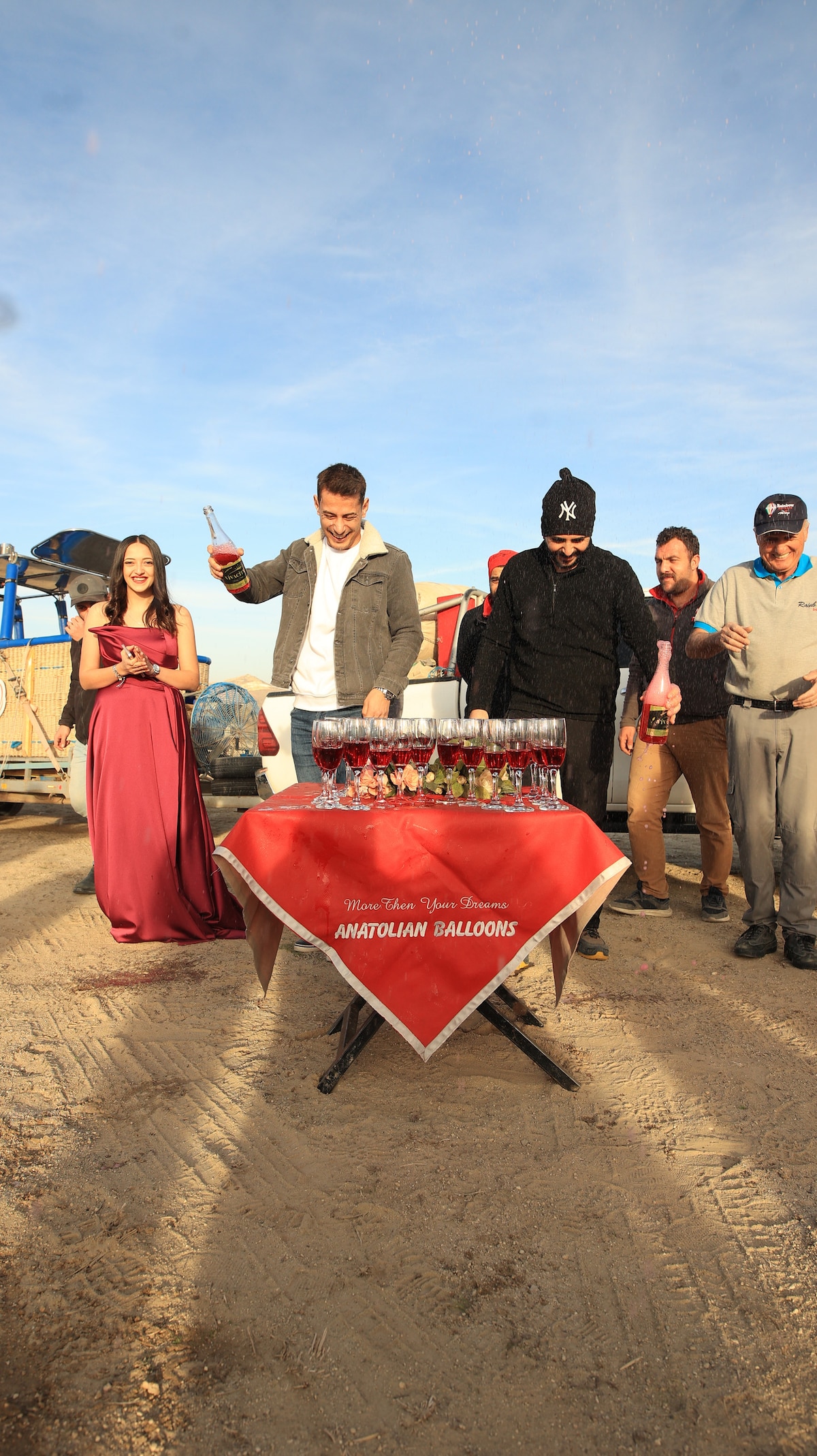
Hot Air Balloon Flight In Cappadocia - Deposit
Mon, Feb 9 • 6:00 AM
50180, Göreme, Nevşehir, Turkey
View details
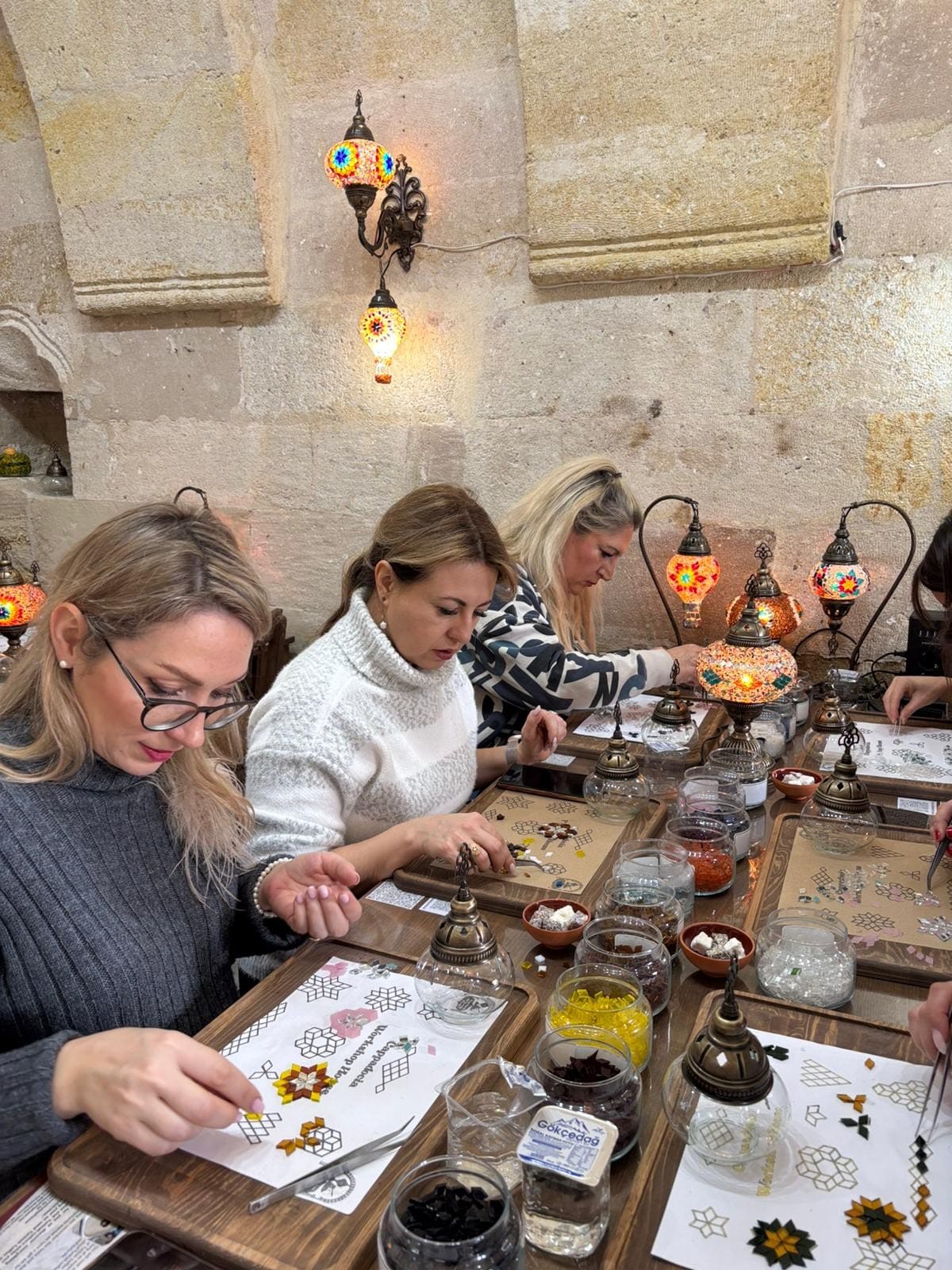
Make your mosaic lamp in the natural stone carving workshop
Sat, Feb 7 • 2:00 PM
50100, Göreme, Nevşehir, Turkey
View details
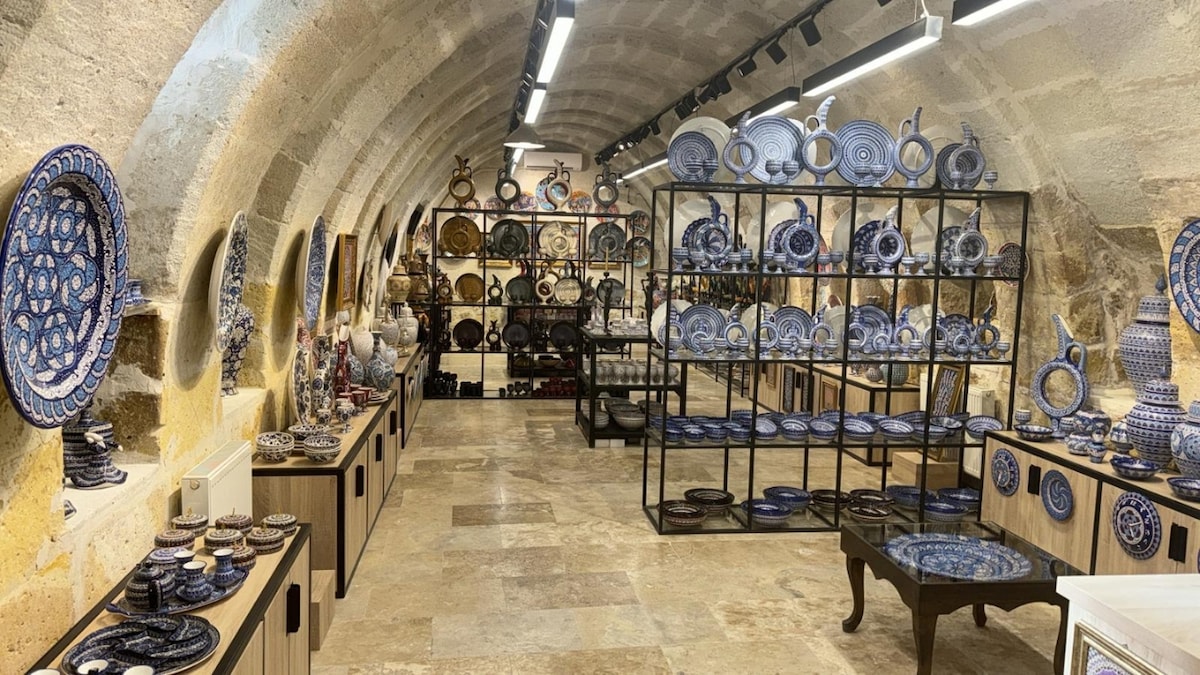
Cappadocia Pottery Workshop
Sun, Feb 8 • 1:00 PM
50500, Avanos, Nevşehir, Turkey
View details
Nearby attractions of Çarıklı Kilise (the Church with Sandals)
Dark Church
Elmali Church (open air museum)
The Buckle Church
Kılıçlar Vadisi
Al Nazar Church
Aynalı (Fırkatan) Church
Zemi Vadisi
Meskendir Vadisi
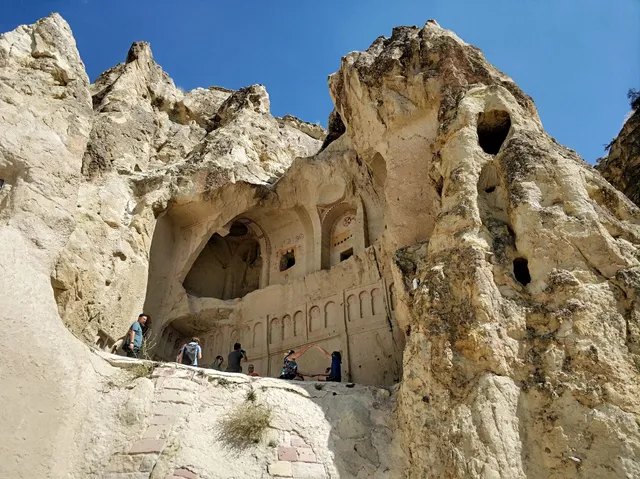
Dark Church
4.2
(414)
Open until 4:45 PM
Click for details
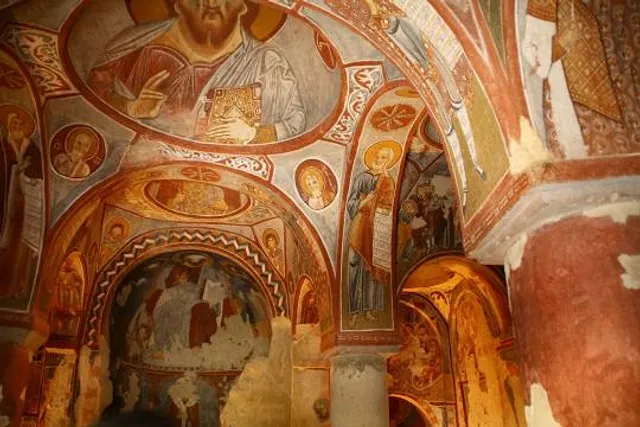
Elmali Church (open air museum)
4.6
(62)
Open 24 hours
Click for details
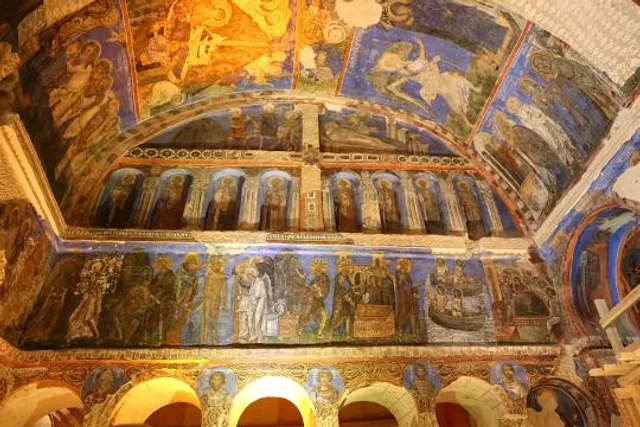
The Buckle Church
4.6
(411)
Open until 5:00 PM
Click for details
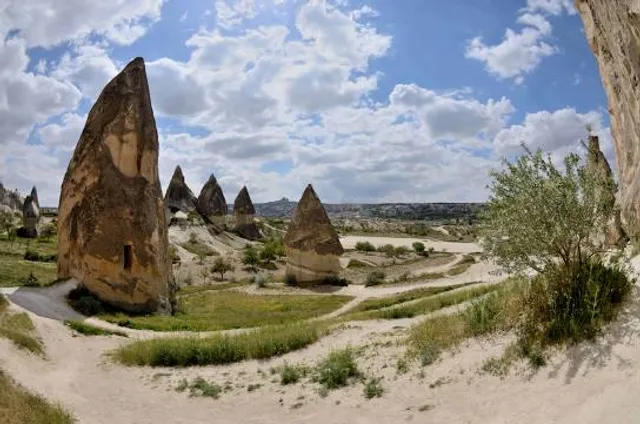
Kılıçlar Vadisi
4.9
(117)
Open 24 hours
Click for details
Nearby restaurants of Çarıklı Kilise (the Church with Sandals)
Asmalı
Volcanic Cave
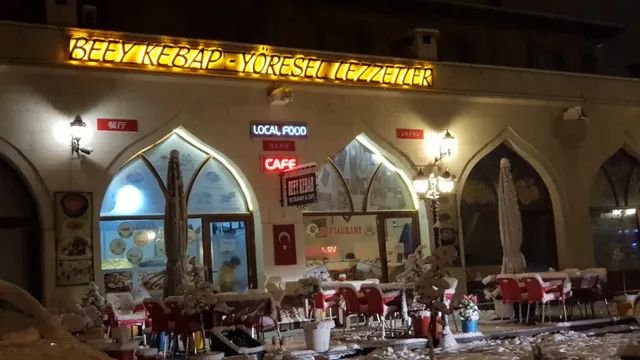
Asmalı
4.6
(5.1K)
$$
Open until 6:00 PM
Click for details
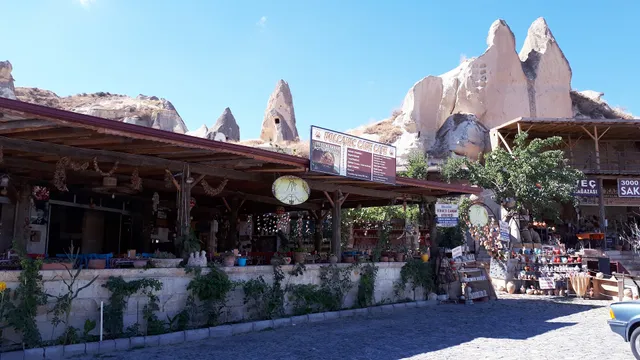
Volcanic Cave
4.4
(165)
Open until 3:00 AM
Click for details
Nearby local services of Çarıklı Kilise (the Church with Sandals)
Göreme Open Air Museum
Chapel of St. Basil
Capadoccia Hot Air Balloon Observatory
Cappadocia Adventure
Sunset of Cappadocia
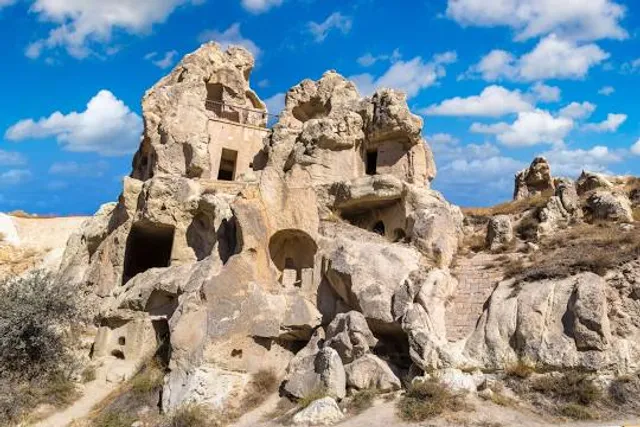
Göreme Open Air Museum
4.6
(10K)
Click for details
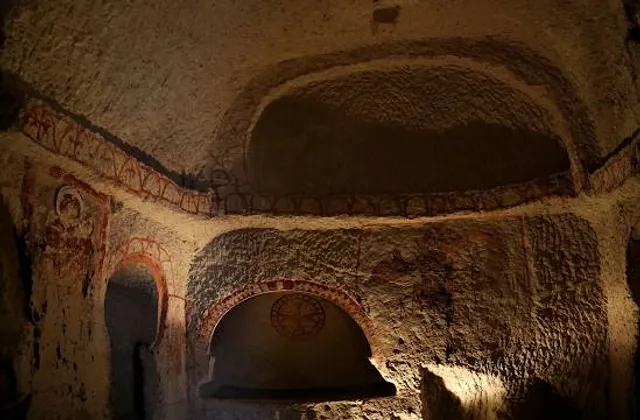
Chapel of St. Basil
4.6
(52)
Click for details
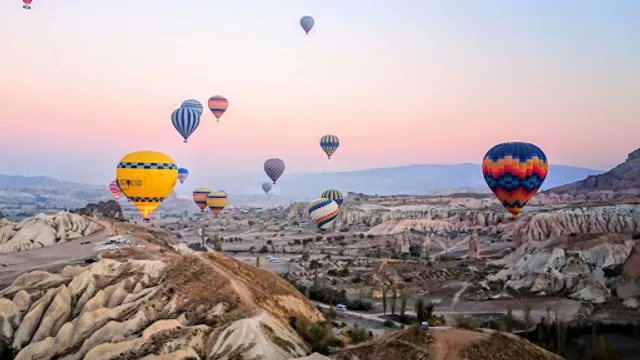
Capadoccia Hot Air Balloon Observatory
4.6
(62)
Click for details
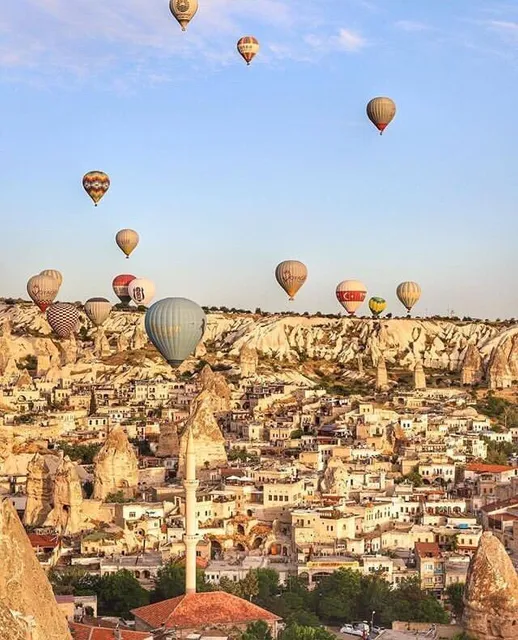
Cappadocia Adventure
4.7
(1.0K)
Click for details