HTML SitemapExplore
logo
Find Things to DoFind The Best Restaurants

Yazılıkaya — Attraction in Han

Name
Yazılıkaya
Description
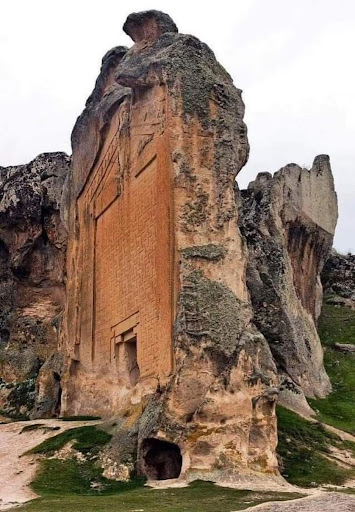
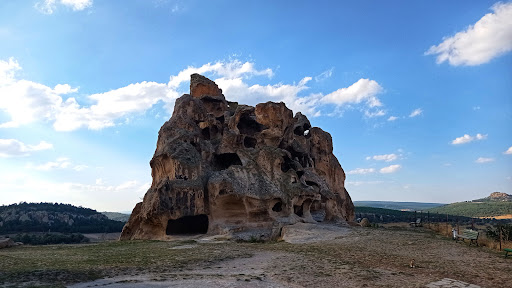
Yazılıkaya was a sanctuary of Hattusa, the capital city of the Hittite Empire, today in the Çorum Province, Turkey. Rock reliefs are a prominent aspect of Hittite art, and these are generally regarded as the most important group.
Nearby attractions
Nearby restaurants
Nearby hotels
Related posts
Keywords
Yazılıkaya tourism.Yazılıkaya hotels.Yazılıkaya bed and breakfast. flights to Yazılıkaya.Yazılıkaya attractions.Yazılıkaya restaurants.Yazılıkaya travel.Yazılıkaya travel guide.Yazılıkaya travel blog.Yazılıkaya pictures.Yazılıkaya photos.Yazılıkaya travel tips.Yazılıkaya maps.Yazılıkaya things to do.
Yazılıkaya things to do, attractions, restaurants, events info and trip planning
Yazılıkaya
TurkeyEskişehirHanYazılıkaya

Basic Info

Yazılıkaya

Yazılı, Yazılıkaya Köyü Yolu, 26710 Han/Eskişehir, Türkiye
4.8(746)
Open 24 hours
Save
spot

Ratings & Description

Info

Yazılıkaya was a sanctuary of Hattusa, the capital city of the Hittite Empire, today in the Çorum Province, Turkey. Rock reliefs are a prominent aspect of Hittite art, and these are generally regarded as the most important group.

Cultural
Scenic
Outdoor
Off the beaten path
attractions: , restaurants:
logoLearn more insights from Wanderboat AI.

Plan your stay

hotel
Pet-friendly Hotels in Han
Find a cozy hotel nearby and make it a full experience.
hotel
Affordable Hotels in Han
Find a cozy hotel nearby and make it a full experience.
hotel
The Coolest Hotels You Haven't Heard Of (Yet)
Find a cozy hotel nearby and make it a full experience.
hotel
Trending Stays Worth the Hype in Han
Find a cozy hotel nearby and make it a full experience.

Reviews

Get the Appoverlay
Get the AppOne tap to find yournext favorite spots!
Wanderboat LogoWanderboat

Your everyday Al companion for getaway ideas

CompanyAbout Us
InformationAI Trip PlannerSitemap
SocialXInstagramTiktokLinkedin
LegalTerms of ServicePrivacy Policy

Get the app

© 2025 Wanderboat. All rights reserved.
logo

Reviews of Yazılıkaya

4.8
(746)
avatar
4.0
39w

The Midas Monument, also known as Yazılıkaya or Midas City, is a remarkable archaeological site located in the Eskişehir Province of Turkey. The area was first settled around 3,000 BCE, highlighting its long-standing historical importance.

Dating back to the 8th to 6th centuries BCE, the site served as a major religious center for the Phrygians, an ancient Anatolian civilization, second only to their political capital, Gordion.

Situated on a plateau at an altitude of over 1,300 meters, Yazılıkaya offers breathtaking views of the surrounding landscape while preserving the cultural and spiritual legacy of the Phrygians.

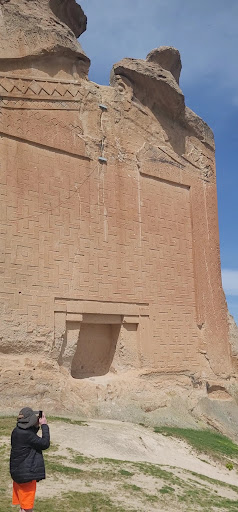
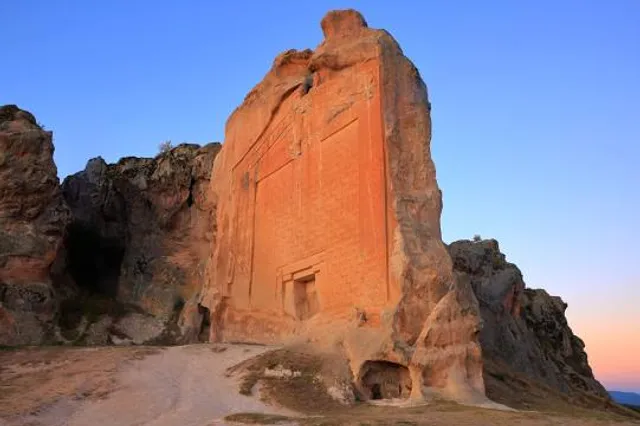
The most iconic feature of the site is the Midas Monument, a large, rock-carved façade standing 17 meters high. Adorned with intricate geometric and floral motifs, the monument also bears an Old Phrygian inscription honoring King Midas.

Despite early assumptions that it was the tomb of King Midas, scholars now believe the structure was a ceremonial sanctuary dedicated to the Mother Goddess Matar Kubileya, known later as Cybele.

A niche in the façade was likely designed to hold her statue, and the nearby altars and additional niches emphasize the site's role in religious rituals such as offerings and prayers.

The site continued to be of significance beyond the Phrygian era, remaining in use during the Persian, Hellenistic, Roman, and Byzantine periods, as evidenced by later additions and inscriptions. The architectural ingenuity of the Phrygians is reflected in the monument’s design, with triangular pediments and niches symbolizing open-air temples.

Accessible via a well-marked walking route with informative signage, the site requires private transportation due to limited public transit options.

Today, Yazılıkaya remains one of Turkey's most treasured cultural landmarks, offering a unique blend of natural beauty and historical depth. Through its impressive rock-carved monuments and enduring spiritual significance, Yazılıkaya provides a valuable glimpse into the ancient Phrygian culture and its artistic...

   Read more

avatar
5.0
3y

One of the most remarkable, yet remote, places I visited. If you're a history-lover like me, this is a delight. However, let me warn you: Rent a car. I was brave enough to go without one, thinking I might rely on local buses and hitchhiking. The result: cramps and sun burns. Yes, I walked over 25 kms to reach Yazılıkaya.

If you are considering hitchhiking, here's some tips. I took the local bus from Eskişehir to Seyitgazi at 11 p.m.. These buses go every hour or so and the last one returns at 5 p.m. Then I hitchhiked to the starting of the road to Yazılıkaya. As of September, 2022, the road is still 80% done. It used to be a dirt road before. However, there is no public transport here. In fact, I didn't see a single tourist. Just a few cars of the locals. There are around 4 villages on the way to Yazılıkaya. I was able to get a hitchhike between two of these villages but the rest I had to walk. The road was awesome and the scenery was breathtaking but I was not well equipped. However, I did get to visit all the historic monuments between Doğanlı kale and Yazılıkaya.

I reached Yazılıkaya at 5 p.m. and explored the area for over an hour. Make sure to walk around the back and reach the wooden staircase. The walk back to kümbet was one of the scariest of my life since it got dark and I had no shelter. Thankfully, a truck driver gave me a ride to Eskişehir. Definitely worth it...

   Read more
avatar
5.0
1y

Midas Anıtı ya da diğer adıyla Yazılı Kaya Frig kaya fasadlarının en görkemli örneğidir. Midas şehri platosunun kuzeydoğu eteğinde, öne doğru çıkıntı yapan kaya kütlesi üzerinde yer alır. İlk olarak 1800 yılında W. M. Leake ve arkadaşları tarafından incelenerek kabataslak çizimi yapılmıştır. G. Koehler’e ait bu çizim, birçok hata ve eksikliklerine rağmen, Frig fasadlarının genel görünüşü hakkında fikir veren ilk çizim olması nedeniyle özel bir yere sahiptir. 1834’de Ch. Texier, anıtı inceleyerek gravürünü yapmıştır. Bu, anıtın aslına uygun ve tüm görkemini yansıtan ilk ve tek gravürdür.

Anıtın sol üst kısmında, düzleştirilmiş ana kaya üzerindeki Frigce yazıtta geçen Midai kelimesinden dolayı anıta bu ad verilmiştir. Yöre halkı ise üzerindeki yazıtlar nedeni ile anıtı, Yazılı Kaya olarak adlandırmıştır. Günümüzde her iki isim de kullanılır. Doğuya bakan anıt 17 metre yüksekliğinde, 16.5 metre genişliğindedir. Yerden yüksekliği, 1.20-1.80 metredir. Tepe akroteri karşılıklı iki daire parçasından oluşur. Alınlık ve cephe duvarı geometrik motiflerden oluşan zengin bir bezeme ile süslüdür. Anıtın merkezinde kapıyı simgeleyen büyük bir niş yer alır. Burası dinî törenler sırasında içine tanrıça Matar’ın heykelinin yerleştirildiği en kutsal bölümdür.

Midas Anıtı’nın üzerinde ne yazıyor?

Anıtın üzerinde Frigce yazıtlar vardır. Birinci yazıt, anıtın sol üst kısmında, düzleştirilmiş ana kaya üzerine kazınmıştır. 11 metre uzunluğundadır. Burada Kral Midas’ın ismi okunmaktadır. İkinci yazıt, sağ yan çerçeve üzerindedir. Bezeme ile çerçeve kenarı arasında kalan boşluğa yanlamasına soldan sağa doğru yazılmıştır. 4.75 metre uzunluğundadır. Baba sözcüğü ilginçtir. Okunabilmekle birlikte anlamları kesin olarak çözülemeyen bu yazıtlardan birincisi konum itibarıyla anıtın tümü ile ilgilidir. İkincisi ise daha özeldir. Ayrıca, nişi çevreleyen ikinci çerçevenin her iki yanında ve nişin sağındaki bezemenin alt kısmında çıplak gözle güçlükle seçilebilen birkaç Frigce kelime vardır. Bunlar oldukça kaba ve yüzeysel olarak kazınmıştır. Bunlarda Ana Tanrıça Matar’ın adının geçmesi önemlidir.

Anıtın solundaki nişin içinde bulunan yazıt, nişin sol duvarından başlar, arka duvarı ve sağ duvarı üzerinde devam eder. 4.45 metre uzunluğundadır. 1936 ve 1937 yıllarında, anıtın önünde arkeolojik kazılar yapılmıştır. Ana kayanın üzerinde yer yer 3 metre kalınlığa ulaşan dolgu toprağın altından kuzeye doğru meyilli bir avlu (17mx19m), hemen güneyinde sütunlu bir galeriye ait ana kayaya oyulmuş düzgün bir taban ile 4 adet sütun kaidesi gün ışığına çıkartılmıştır Doğu-batı doğrultusunda uzanan galeri, batı yönde büyük nişle sınırlanmaktadır. Araştırmacılar burada bir anıtsal fasad, üzeri açık bir avlu ve bir sütunlu galeriden meydana gelen, Ana Tanrıça Matar’a adanmış büyük bir açık hava kült kompleksi bulunduğu görüşünde birleşmektedir.

Birinci Yazıt

Alınlığın sol üst kısmında, düzleştirilmiş ana kaya üzerinde yer almaktadır. Alınlığın sol köşe hizasından başlayarak akrotlere doğru kavisli bir şekilde soldan sağa doğru yazılmıştır. 11 metre uzunluğundadır. Harf boyları 0.45 metre- 0.40 metredir. Yazıtta Ates ve Midai sözcükleri de görülmektedir.

İkinci Yazıt

Anıtın sağ yan çerçevesi üzerindedir. Soldan sağa doğru yazılmıştır. 4.75 metre uzunluğundadır. Harf boyları 0.25 metredir.

Üçüncü Yazıt

Anıtın solundaki nişin içinde bulunan yazıt, nişin sol duvarından başlar, arka duvarı ve sağ duvarı üzerinde devam eder. 4.45 metre uzunluğundadır. Harf boyları 0.40- 0.45 metredir.

Kaynak: Eskişehir Valiliği.(2014). Eskişehir...

   Read more
Page 1 of 7
Previous
Next

Posts

A J BashhaA J Bashha
The Midas Monument, also known as Yazılıkaya or Midas City, is a remarkable archaeological site located in the Eskişehir Province of Turkey. The area was first settled around 3,000 BCE, highlighting its long-standing historical importance. Dating back to the 8th to 6th centuries BCE, the site served as a major religious center for the Phrygians, an ancient Anatolian civilization, second only to their political capital, Gordion. Situated on a plateau at an altitude of over 1,300 meters, Yazılıkaya offers breathtaking views of the surrounding landscape while preserving the cultural and spiritual legacy of the Phrygians. The most iconic feature of the site is the Midas Monument, a large, rock-carved façade standing 17 meters high. Adorned with intricate geometric and floral motifs, the monument also bears an Old Phrygian inscription honoring King Midas. Despite early assumptions that it was the tomb of King Midas, scholars now believe the structure was a ceremonial sanctuary dedicated to the Mother Goddess Matar Kubileya, known later as Cybele. A niche in the façade was likely designed to hold her statue, and the nearby altars and additional niches emphasize the site's role in religious rituals such as offerings and prayers. The site continued to be of significance beyond the Phrygian era, remaining in use during the Persian, Hellenistic, Roman, and Byzantine periods, as evidenced by later additions and inscriptions. The architectural ingenuity of the Phrygians is reflected in the monument’s design, with triangular pediments and niches symbolizing open-air temples. Accessible via a well-marked walking route with informative signage, the site requires private transportation due to limited public transit options. Today, Yazılıkaya remains one of Turkey's most treasured cultural landmarks, offering a unique blend of natural beauty and historical depth. Through its impressive rock-carved monuments and enduring spiritual significance, Yazılıkaya provides a valuable glimpse into the ancient Phrygian culture and its artistic achievements.
Adil ShaikhAdil Shaikh
One of the most remarkable, yet remote, places I visited. If you're a history-lover like me, this is a delight. However, let me warn you: Rent a car. I was brave enough to go without one, thinking I might rely on local buses and hitchhiking. The result: cramps and sun burns. Yes, I walked over 25 kms to reach Yazılıkaya. If you are considering hitchhiking, here's some tips. I took the local bus from Eskişehir to Seyitgazi at 11 p.m.. These buses go every hour or so and the last one returns at 5 p.m. Then I hitchhiked to the starting of the road to Yazılıkaya. As of September, 2022, the road is still 80% done. It used to be a dirt road before. However, there is no public transport here. In fact, I didn't see a single tourist. Just a few cars of the locals. There are around 4 villages on the way to Yazılıkaya. I was able to get a hitchhike between two of these villages but the rest I had to walk. The road was awesome and the scenery was breathtaking but I was not well equipped. However, I did get to visit all the historic monuments between Doğanlı kale and Yazılıkaya. I reached Yazılıkaya at 5 p.m. and explored the area for over an hour. Make sure to walk around the back and reach the wooden staircase. The walk back to kümbet was one of the scariest of my life since it got dark and I had no shelter. Thankfully, a truck driver gave me a ride to Eskişehir. Definitely worth it in hindsight!
Tunç K.Tunç K.
Yazılıkaya, also known as the Midas Monument, is an ancient Phrygian rock-cut façade located in the southern side of Eskisehir, Turkiye. It’s about 1-hour drive distance from the Eskisehir center. Dating back to the 8th–6th centuries BC, it served as a religious sanctuary rather than a tomb. The monument features an elaborate geometric design and an Old Phrygian inscription dedicated by a man named Ates, son of Arkias, to a figure named "Midai"—believed to be either King Midas or the Phrygian Mother Goddess Cybele. The site reflects the deep spiritual culture of the Phrygians and is one of the most iconic remnants of their civilization. It’s like an open air museum. You may park the car at one the village’s school car park and walk 3 minutes to the monument. Also, you can do a quick 1 hour tracking on the site. There are some cisterns and an acropolis on the top, nothing much. But the monument is amazing!
See more posts
See more posts
hotel
Find your stay

Pet-friendly Hotels in Han

Find a cozy hotel nearby and make it a full experience.

The Midas Monument, also known as Yazılıkaya or Midas City, is a remarkable archaeological site located in the Eskişehir Province of Turkey. The area was first settled around 3,000 BCE, highlighting its long-standing historical importance. Dating back to the 8th to 6th centuries BCE, the site served as a major religious center for the Phrygians, an ancient Anatolian civilization, second only to their political capital, Gordion. Situated on a plateau at an altitude of over 1,300 meters, Yazılıkaya offers breathtaking views of the surrounding landscape while preserving the cultural and spiritual legacy of the Phrygians. The most iconic feature of the site is the Midas Monument, a large, rock-carved façade standing 17 meters high. Adorned with intricate geometric and floral motifs, the monument also bears an Old Phrygian inscription honoring King Midas. Despite early assumptions that it was the tomb of King Midas, scholars now believe the structure was a ceremonial sanctuary dedicated to the Mother Goddess Matar Kubileya, known later as Cybele. A niche in the façade was likely designed to hold her statue, and the nearby altars and additional niches emphasize the site's role in religious rituals such as offerings and prayers. The site continued to be of significance beyond the Phrygian era, remaining in use during the Persian, Hellenistic, Roman, and Byzantine periods, as evidenced by later additions and inscriptions. The architectural ingenuity of the Phrygians is reflected in the monument’s design, with triangular pediments and niches symbolizing open-air temples. Accessible via a well-marked walking route with informative signage, the site requires private transportation due to limited public transit options. Today, Yazılıkaya remains one of Turkey's most treasured cultural landmarks, offering a unique blend of natural beauty and historical depth. Through its impressive rock-carved monuments and enduring spiritual significance, Yazılıkaya provides a valuable glimpse into the ancient Phrygian culture and its artistic achievements.
A J Bashha

A J Bashha

hotel
Find your stay

Affordable Hotels in Han

Find a cozy hotel nearby and make it a full experience.

Get the Appoverlay
Get the AppOne tap to find yournext favorite spots!
One of the most remarkable, yet remote, places I visited. If you're a history-lover like me, this is a delight. However, let me warn you: Rent a car. I was brave enough to go without one, thinking I might rely on local buses and hitchhiking. The result: cramps and sun burns. Yes, I walked over 25 kms to reach Yazılıkaya. If you are considering hitchhiking, here's some tips. I took the local bus from Eskişehir to Seyitgazi at 11 p.m.. These buses go every hour or so and the last one returns at 5 p.m. Then I hitchhiked to the starting of the road to Yazılıkaya. As of September, 2022, the road is still 80% done. It used to be a dirt road before. However, there is no public transport here. In fact, I didn't see a single tourist. Just a few cars of the locals. There are around 4 villages on the way to Yazılıkaya. I was able to get a hitchhike between two of these villages but the rest I had to walk. The road was awesome and the scenery was breathtaking but I was not well equipped. However, I did get to visit all the historic monuments between Doğanlı kale and Yazılıkaya. I reached Yazılıkaya at 5 p.m. and explored the area for over an hour. Make sure to walk around the back and reach the wooden staircase. The walk back to kümbet was one of the scariest of my life since it got dark and I had no shelter. Thankfully, a truck driver gave me a ride to Eskişehir. Definitely worth it in hindsight!
Adil Shaikh

Adil Shaikh

hotel
Find your stay

The Coolest Hotels You Haven't Heard Of (Yet)

Find a cozy hotel nearby and make it a full experience.

hotel
Find your stay

Trending Stays Worth the Hype in Han

Find a cozy hotel nearby and make it a full experience.

Yazılıkaya, also known as the Midas Monument, is an ancient Phrygian rock-cut façade located in the southern side of Eskisehir, Turkiye. It’s about 1-hour drive distance from the Eskisehir center. Dating back to the 8th–6th centuries BC, it served as a religious sanctuary rather than a tomb. The monument features an elaborate geometric design and an Old Phrygian inscription dedicated by a man named Ates, son of Arkias, to a figure named "Midai"—believed to be either King Midas or the Phrygian Mother Goddess Cybele. The site reflects the deep spiritual culture of the Phrygians and is one of the most iconic remnants of their civilization. It’s like an open air museum. You may park the car at one the village’s school car park and walk 3 minutes to the monument. Also, you can do a quick 1 hour tracking on the site. There are some cisterns and an acropolis on the top, nothing much. But the monument is amazing!
Tunç K.

Tunç K.

See more posts
See more posts