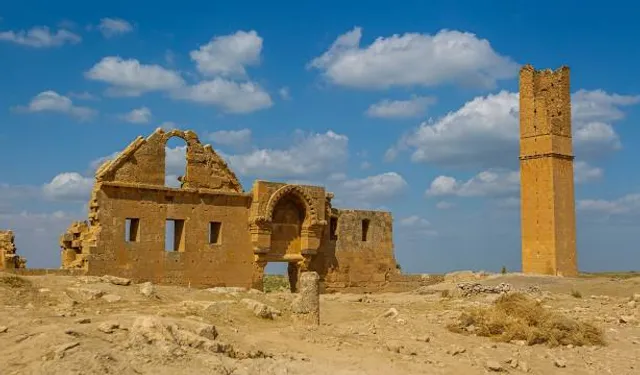
Harran was founded between the XXV and XX centuries BC, possibly as a trading colony of Sumerian merchants from Ur. Early in its early history, Harran quickly developed into a major cultural, commercial, and religious center of Mesopotamia. It became a religiously and politically influential city due to its association with the moon deity Sin; many prominent Mesopotamian rulers consulted with the priests of the temple of the moon "Ekhulhul" in Harran, and also repaired it. Harran came under Assyrian rule under Adad-Nirari I (circa 1305-1274 BC) and became the capital of a province often second in importance only to the Assyrian capital of Assyria. During the collapse of the Assyrian Empire, Harran briefly became the last capital of the New Assyrian Empire (612-609 BC). The city continued to occupy a prominent place after the fall of Assyria and experienced varying degrees of foreign cultural influence during the time under the rule of the New Babylonian Kingdom (609-539 BC), Achaemenid (539-330 BC), Macedonian (330-312 BC) and Seleucid (312-132 BC) empires. During classical antiquity, the Roman Empire and the Parthian Kingdom, and later the Sassanian Empire, often fought for Harran. In 53 BC, Harran became the site of the Battle of Carrhae, one of the most serious military defeats in Roman history. The Harran pagan lunar cult of Sin proved to be extremely tenacious and lasted until the Middle Ages, the last time it was mentioned in the XI century AD. Harran was captured by the Rashidun caliphate in 640 and remained an important city during the Islamic period. It flourished as a center of science and learning and was the location of the first Islamic university (Harran University) and the oldest mosque in Anatolia (Harran Grand Mosque). Harran was the capital twice in the Middle Ages, first briefly under the Umayyad Caliphate (744-750), and then under the Numayrid Emirate (990-1081). The city was conquered by the...
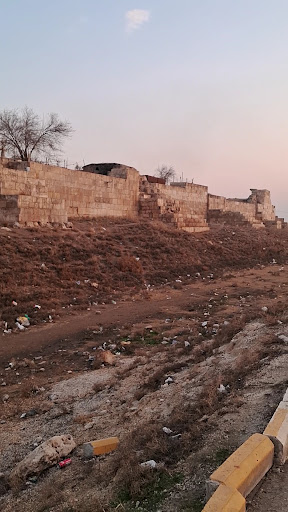
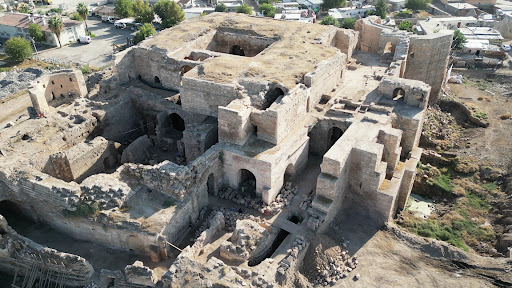
Read moreHarran Kalesi, şehrin güneydoğusunda şehir suruna bitişik olarak inşa edilmiştir. İslami kaynaklarda kalenin yerinde bir Sabii tapınağının bulunduğundan bahsedilir. Emevi halifesi II. Mervan'ın 10 milyon dirhem altın harcayarak yaptırdığı sarayın, kalenin esasını oluşturduğu tahmin edilmektedir. 90x130 metre boyutlarındaki kale üç katlıdır. Düzensiz dikdörtgen planındaki kalenin dört köşesinde onikigen birer kule bulunmaktadır.
HARRAN HÖYÜĞÜ Arkeolog Dr. Nurettin Yardımcı başkanlığında 2003 yılından buyana höyükte yapılan kazıçalışmaları çeşitli devirlere ait eserler ortaya çıkarılmıştır. Höyükteki kazılarda, M.Ö. 7. bine Halaf devrine tarihlenen buluntuları, Eski Tunç devrine ait figürin ve figürin başları, M.Ö. 1.950 Eski Assur dönemine tarihlenen silindir mühürler, M.Ö. 6. yüzyıla tarihlenen Kral Nabuna’id ve Sin mabedinden bahseden çivi yazılı pişmiş toprak tablet ve adak kitabeleri bulunmuştur. Höyük ve çevresi tarih öncesi çağlardan beri Halaf, Ubeyd, Uruk, Tunç Çağları, Hitit, Hurri, Mitanni, Assur, Babil, Helenistik, Roma, Bizans ve İslam devrinde de Emeviler, Abbasiler, Fatimiler, Zengiler, Eyyubiler ve Selçuklular gibi önemli uygarlıkları sinesinde barındırmıştır. Kazılardan elde edilen eserler Şanlıurfa Müzesi’nde sergilenmektedir. İslam Devrine ait şehir kalıntılarında ortaya çıkan mimari yapılar, dar sokaklara açılan bitişik nizamlı ve avluya açılan odaları bulunan dikdörtgen ve kare planlı evlerden oluşmaktadır. Mimari kalıntılar arasında insan gücüyle döndürülen değirmenler, zamanın öğütme sanayisi hakkında bilgi vermektedir. Açığa çıkarılan kent kalıntıları, ayrıca gelişmiş bir şehir planlamacılığı ve o devrin sosyo-ekonomik yaşam düzeyi hakkında da...
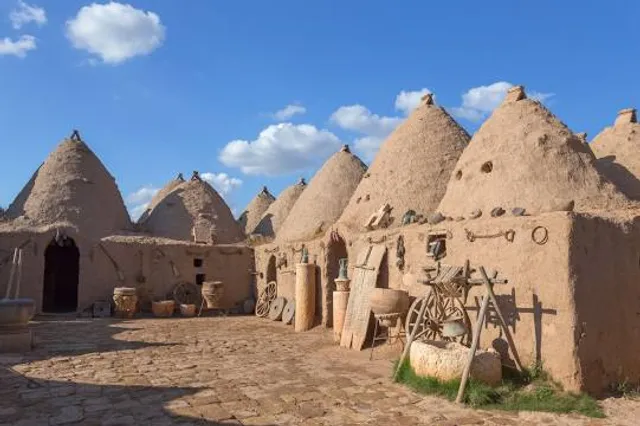
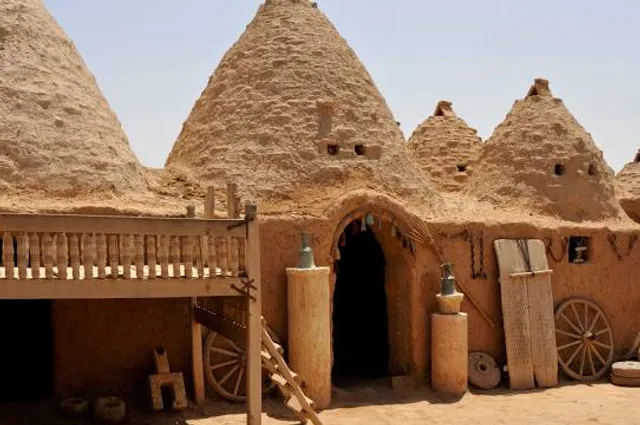
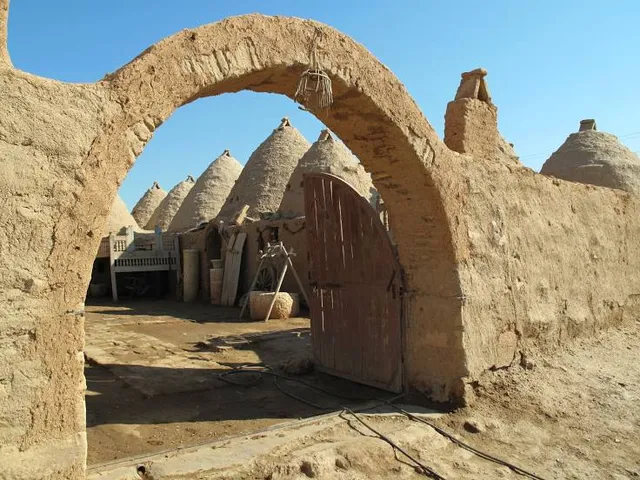
Read moreI went to this place with a local guide so I didn't meet any children asking for money. The houses are located, in a middle of a village that is not well maintened,.so it may look confused and scary to get there. To be honest houses are beautiful and it's possible to visit the inside, an antique medresa (coranic school) is being renovated, which is great. If you are visiting Gobekli Tepe and have time to stop in Harran, why not but the visit is super short (10min) so it is clearly...
Read more