HTML SitemapExplore
logo
Find Things to DoFind The Best Restaurants

Yesemek Open Air Museum — Attraction in Islahiye

Name
Yesemek Open Air Museum
Description
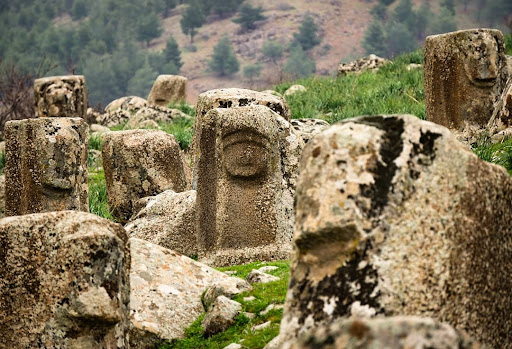
Yesemek Quarry and Sculpture Workshop is an open-air museum and archaeological site in Gaziantep Province, Turkey. The site was a quarry in Hittite times and occupies a 100000 m² area, making it the largest known stonemasonry workshop from the ancient Near East.
Nearby attractions
Nearby restaurants
Nearby hotels
Related posts
Keywords
Yesemek Open Air Museum tourism.Yesemek Open Air Museum hotels.Yesemek Open Air Museum bed and breakfast. flights to Yesemek Open Air Museum.Yesemek Open Air Museum attractions.Yesemek Open Air Museum restaurants.Yesemek Open Air Museum travel.Yesemek Open Air Museum travel guide.Yesemek Open Air Museum travel blog.Yesemek Open Air Museum pictures.Yesemek Open Air Museum photos.Yesemek Open Air Museum travel tips.Yesemek Open Air Museum maps.Yesemek Open Air Museum things to do.
Yesemek Open Air Museum things to do, attractions, restaurants, events info and trip planning
Yesemek Open Air Museum
TurkeyGaziantepIslahiyeYesemek Open Air Museum

Basic Info

Yesemek Open Air Museum

Yesemek, 27800 İslahiye/Gaziantep, Türkiye
4.4(314)
Open 24 hours
Save
spot

Ratings & Description

Info

Yesemek Quarry and Sculpture Workshop is an open-air museum and archaeological site in Gaziantep Province, Turkey. The site was a quarry in Hittite times and occupies a 100000 m² area, making it the largest known stonemasonry workshop from the ancient Near East.

Cultural
Outdoor
Scenic
Family friendly
Off the beaten path
attractions: , restaurants:
logoLearn more insights from Wanderboat AI.
Website
gaziantep.ktb.gov.tr

Plan your stay

hotel
Pet-friendly Hotels in Islahiye
Find a cozy hotel nearby and make it a full experience.
hotel
Affordable Hotels in Islahiye
Find a cozy hotel nearby and make it a full experience.
hotel
The Coolest Hotels You Haven't Heard Of (Yet)
Find a cozy hotel nearby and make it a full experience.
hotel
Trending Stays Worth the Hype in Islahiye
Find a cozy hotel nearby and make it a full experience.

Reviews

Get the Appoverlay
Get the AppOne tap to find yournext favorite spots!
Wanderboat LogoWanderboat

Your everyday Al companion for getaway ideas

CompanyAbout Us
InformationAI Trip PlannerSitemap
SocialXInstagramTiktokLinkedin
LegalTerms of ServicePrivacy Policy

Get the app

© 2025 Wanderboat. All rights reserved.
logo

Reviews of Yesemek Open Air Museum

4.4
(314)
avatar
4.0
6y

Mysterious and fascinating place. A little out of the way and close to the Syrian border but its been safe and peaceful both times that I've visited. If you're a bronze age history fan then this is definitely worth popping in to see.

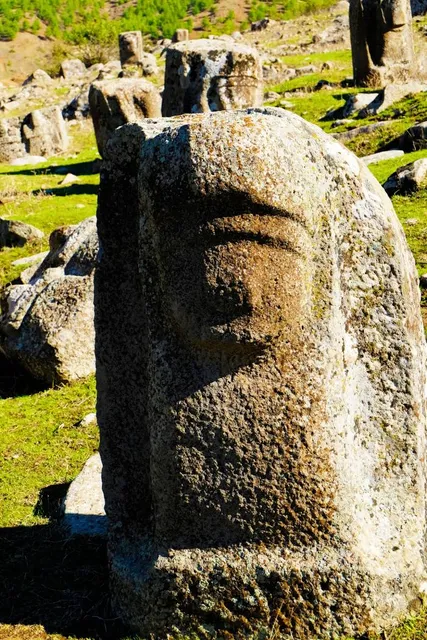
As time goes on lichen is growing on the basalt and it's becoming harder to make out the various carvings.

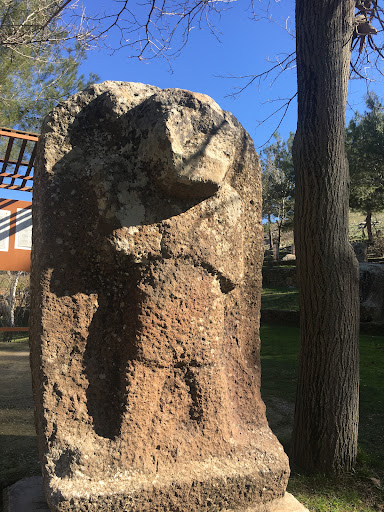
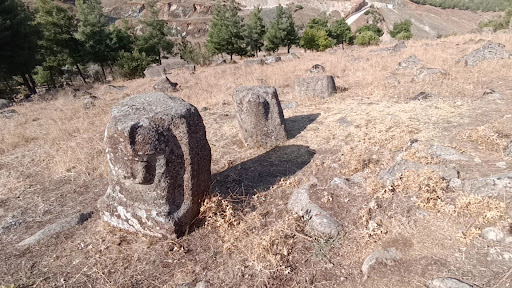
At Yesemek statues were prepared but not quite completed. Rough stones would be quarried, shaped, then the rough form would be traced into the stone. Later, once the stones were installed into their final location the finer details would be carved.

The majority of the items found at Yesemek were lion, sphinx, and mountain-god statues. Apart from these there were a handful of monumental lions weighing nearly 15 tons. Beyond these there’s also a bear-man figure and an incomplete scene depicting a chariot riding over a man.

The workshop was founded by the Hittite king Suppiluliluma around 1350 BC. It was abandoned 100 years later with the collapse of the Hittite Empire, then used again by the neo-Hittite Kingdom of Sam’al (Zincirli). The Yesemek Statue Workshop was actually discovered in the late 1800’s when excavations were underway at the nearby...

   Read more
avatar
5.0
1y

Yaşamak Açık Hava Müzesi: Türkiye'nin Kültürel Mirasına Yolculuk Yaşamak Açık Hava Müzesi, Türkiye'nin zengin kültürel mirasını yaşayan bir şekilde deneyimlemek isteyenler için eşsiz bir fırsat sunuyor. Bu tür müzeler, geçmişin izlerini taşıyan yapıları, eşyaları ve geleneksel yaşam biçimlerini günümüzde sergileyerek ziyaretçilere adeta bir zaman yolculuğu yaşatıyor. Yaşamak Açık Hava Müzelerinin Özellikleri Kırsal Yaşamın Canlandırılması: Bu müzelerde genellikle köy evleri, ahırlar, zanaatkâr atölyeleri gibi yapılar yer alır. Bu sayede ziyaretçiler, geçmişte insanların nasıl yaşadığını, ne yediğini, ne giydiğini ve hangi işlerle uğraştığını gözlemleyebilir. Geleneksel El Sanatları: Dokuma, çömlekçilik, ahşap işleme gibi geleneksel el sanatlarının yapım aşamaları burada sergilenir ve hatta ziyaretçilere deneyimleme imkanı sunulabilir. Tarım Aletleri ve Hayvancılık: Geçmişte kullanılan tarım aletleri ve hayvancılıkla ilgili malzemeler, müzelerde sergilenir. Etkinlikler ve Gösteriler: Bazı müzelerde düzenli olarak yöresel yemekler, müzik ve dans gösterileri gibi etkinlikler düzenlenir. Bu sayede ziyaretçiler, bölgenin kültürel zenginliğini daha yakından tanıyabilir. Türkiye'deki Önemli Yaşamak Açık Hava Müzeleri Göreme Açık Hava Müzesi (Nevşehir): Kapadokya'nın eşsiz doğal güzellikleri içinde yer alan bu müze, kaya kiliseleri, yeraltı şehirleri ve manastırlarla dolu bir açık hava müzesidir. Sirince Açık Hava Müzesi (İzmir): Tarihi taş evleri, dar sokakları ve geleneksel yaşam tarzıyla dikkat çeken Sirince, özellikle yunan mimarisiyle etkileyicidir. Selimiye Açık Hava Müzesi (Tekirdağ): Tarihi yarımada üzerinde kurulu olan Selimiye, Osmanlı dönemi mimarisinin güzel örneklerini barındırır. Safranbolu Açık Hava Müzesi (Karabük): UNESCO Dünya Mirası Listesi'nde yer alan Safranbolu, Osmanlı dönemi evleriyle ünlü bir tarihi kenttir. Neden Yaşamak Açık Hava Müzelerini Ziyaret Etmelisiniz? Tarihi ve Kültürel Bilgi Edinmek: Bu müzeler, geçmişimiz hakkında bilgi sahibi olmamızı sağlar. Stres Atmak ve Dinlenmek: Doğal ve tarihi bir ortamda vakit geçirmek, ruh sağlığı için faydalıdır. Çocukların Eğitimi: Çocuklar için eğlenceli ve eğitici bir deneyim sunar. Yerel Ürünleri Tatmak: Müzeler çevresinde yer alan dükkanlardan yöresel ürünler satın alınabilir. Yaşamak açık hava müzeleri, sadece tarihi yapıları değil, aynı zamanda bir toplumun kültürünü, geleneklerini ve yaşam tarzını da yansıtır. Bu müzeleri ziyaret etmek, Türkiye'nin zengin kültürel mirasını daha yakından tanımak için harika bir fırsattır. [Buraya Türkiye'deki farklı bölgelerdeki yaşamak açık hava müzelerinin fotoğraflarını ekleyebilirsiniz.] Not: Türkiye'de birçok farklı ilde yaşamak açık hava müzesi bulunmaktadır. Ziyaret etmeyi düşündüğünüz müze hakkında daha detaylı bilgi almak için internet üzerinden araştırma yapabilirsiniz. Siz hangi yaşamak açık hava müzesini ziyaret...

   Read more

avatar
5.0
1y

Loved this museum. It's an outdoor space with hittite period basalt statues that's are showcased in multiple museums and also hattusa.

The space is small but great to visit. Ali the caretaker is great and managed to explain the details to us even tho we have no Turkish language. Ali is also involved in the excavations, which is absolutely epic.

Ps: if you did want a quick stop for lunch you can head to Reşat Ustanin Yeri in the nearby town Islahiye. You can park round the corner and walk up. There is also an amazing bakery two doors from...

   Read more
Page 1 of 7
Previous
Next

Posts

Jash RijversJash Rijvers
Mysterious and fascinating place. A little out of the way and close to the Syrian border but its been safe and peaceful both times that I've visited. If you're a bronze age history fan then this is definitely worth popping in to see. As time goes on lichen is growing on the basalt and it's becoming harder to make out the various carvings. At Yesemek statues were prepared but not quite completed. Rough stones would be quarried, shaped, then the rough form would be traced into the stone. Later, once the stones were installed into their final location the finer details would be carved. The majority of the items found at Yesemek were lion, sphinx, and mountain-god statues. Apart from these there were a handful of monumental lions weighing nearly 15 tons. Beyond these there’s also a bear-man figure and an incomplete scene depicting a chariot riding over a man. The workshop was founded by the Hittite king Suppiluliluma around 1350 BC. It was abandoned 100 years later with the collapse of the Hittite Empire, then used again by the neo-Hittite Kingdom of Sam’al (Zincirli). The Yesemek Statue Workshop was actually discovered in the late 1800’s when excavations were underway at the nearby site of Zincirli
R SR S
If you avoid the highway on the road from Gaziantep to Hatay, you can pass through this ancient query fron Hittie civilization. It might not worth just coming the whole way to see it though unless you are a historian! The visit does not make you any viser about Hittie civilization since like many other sites in Turkey background information is missing on the site. The guy serving at the coffee is ready to extort you pretending he is a guard! The view is nice from the hill.
Robert MoasheimerRobert Moasheimer
Yesemek was a Hittite sculpture workshop from the 14th century BC, later reused in the 9th century under Aramean rule. Covering 100,000 m², it produced basalt statues like sphinxes, lions, and gods. The artworks reflect Hittite, Aramean, and Assyrian influences. Fine details were usually completed at the final destination. The method of transporting the large stone figures remains unknown.
See more posts
See more posts
hotel
Find your stay

Pet-friendly Hotels in Islahiye

Find a cozy hotel nearby and make it a full experience.

Mysterious and fascinating place. A little out of the way and close to the Syrian border but its been safe and peaceful both times that I've visited. If you're a bronze age history fan then this is definitely worth popping in to see. As time goes on lichen is growing on the basalt and it's becoming harder to make out the various carvings. At Yesemek statues were prepared but not quite completed. Rough stones would be quarried, shaped, then the rough form would be traced into the stone. Later, once the stones were installed into their final location the finer details would be carved. The majority of the items found at Yesemek were lion, sphinx, and mountain-god statues. Apart from these there were a handful of monumental lions weighing nearly 15 tons. Beyond these there’s also a bear-man figure and an incomplete scene depicting a chariot riding over a man. The workshop was founded by the Hittite king Suppiluliluma around 1350 BC. It was abandoned 100 years later with the collapse of the Hittite Empire, then used again by the neo-Hittite Kingdom of Sam’al (Zincirli). The Yesemek Statue Workshop was actually discovered in the late 1800’s when excavations were underway at the nearby site of Zincirli
Jash Rijvers

Jash Rijvers

hotel
Find your stay

Affordable Hotels in Islahiye

Find a cozy hotel nearby and make it a full experience.

Get the Appoverlay
Get the AppOne tap to find yournext favorite spots!
If you avoid the highway on the road from Gaziantep to Hatay, you can pass through this ancient query fron Hittie civilization. It might not worth just coming the whole way to see it though unless you are a historian! The visit does not make you any viser about Hittie civilization since like many other sites in Turkey background information is missing on the site. The guy serving at the coffee is ready to extort you pretending he is a guard! The view is nice from the hill.
R S

R S

hotel
Find your stay

The Coolest Hotels You Haven't Heard Of (Yet)

Find a cozy hotel nearby and make it a full experience.

hotel
Find your stay

Trending Stays Worth the Hype in Islahiye

Find a cozy hotel nearby and make it a full experience.

Yesemek was a Hittite sculpture workshop from the 14th century BC, later reused in the 9th century under Aramean rule. Covering 100,000 m², it produced basalt statues like sphinxes, lions, and gods. The artworks reflect Hittite, Aramean, and Assyrian influences. Fine details were usually completed at the final destination. The method of transporting the large stone figures remains unknown.
Robert Moasheimer

Robert Moasheimer

See more posts
See more posts