HTML SitemapExplore
logo
Find Things to DoFind The Best Restaurants

Patara Ancient City — Attraction in Kaş

Name
Patara Ancient City
Description
Nearby attractions
Nearby restaurants
Related posts
Keywords
Patara Ancient City tourism.Patara Ancient City hotels.Patara Ancient City bed and breakfast. flights to Patara Ancient City.Patara Ancient City attractions.Patara Ancient City restaurants.Patara Ancient City travel.Patara Ancient City travel guide.Patara Ancient City travel blog.Patara Ancient City pictures.Patara Ancient City photos.Patara Ancient City travel tips.Patara Ancient City maps.Patara Ancient City things to do.
Patara Ancient City things to do, attractions, restaurants, events info and trip planning
Patara Ancient City
TurkeyAntalyaKaşPatara Ancient City

Basic Info

Patara Ancient City

Kalkan, 07960 Kaş/Antalya, Türkiye
4.6(2.9K)
Open 24 hours
Save
spot

Ratings & Description

Info

Cultural
Outdoor
Family friendly
attractions: , restaurants:
logoLearn more insights from Wanderboat AI.
Phone
+90 242 843 50 18
Website
kulturportali.gov.tr

Plan your stay

hotel
Pet-friendly Hotels in Kaş
Find a cozy hotel nearby and make it a full experience.
hotel
Affordable Hotels in Kaş
Find a cozy hotel nearby and make it a full experience.
hotel
The Coolest Hotels You Haven't Heard Of (Yet)
Find a cozy hotel nearby and make it a full experience.
hotel
Trending Stays Worth the Hype in Kaş
Find a cozy hotel nearby and make it a full experience.

Reviews

Things to do nearby

Explore daily life in a Mediterranean village
Sat, Dec 6 • 3:00 PM
07960, Bezirgan, Antalya, Turkey
View details
Get the Appoverlay
Get the AppOne tap to find yournext favorite spots!
Wanderboat LogoWanderboat

Your everyday Al companion for getaway ideas

CompanyAbout Us
InformationAI Trip PlannerSitemap
SocialXInstagramTiktokLinkedin
LegalTerms of ServicePrivacy Policy

Get the app

© 2025 Wanderboat. All rights reserved.
logo

Reviews of Patara Ancient City

4.6
(2,929)
avatar
5.0
2y

"Patara: An Enthralling Harmony of Ancient Ruins and Natural Beauty"

Patara, tucked away in southwestern Turkey, is a mesmerizing blend of historic resonance and untouched natural charm. This ancient city, a significant hub in Lycian civilization, is where the echoes of history meet the pristine beaches of the Mediterranean.

As a major maritime city in antiquity, Patara was pivotal in commerce and politics. Its legacy reverberates through the ruins, such as the Patara Lighthouse, believed to be the oldest surviving lighthouse globally. Though in ruins, it radiates a sense of historic grandeur, hinting at Patara's once thriving maritime life.

Nearby, the Roman triumphal arch, an imposing structure standing as a historical sentinel, offers glimpses into Patara's past. This city was once buzzing with traders, mariners, and scholars, but now, it is enveloped in serene silence, with only echoes of ancient stories.

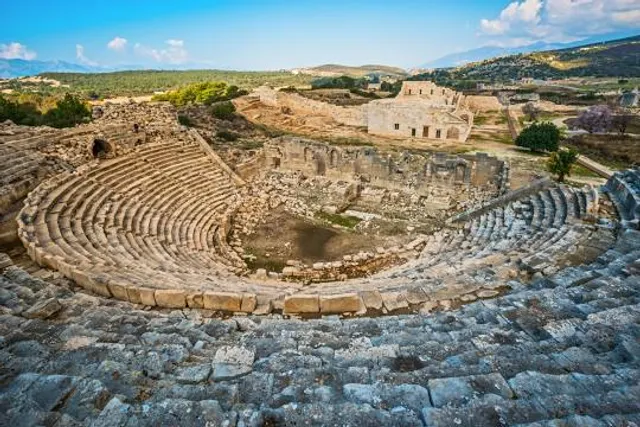
The ancient theatre, with a seating capacity of 5000, mirrors Patara's rich cultural legacy. The remains of the theatre almost resonate with the performances of a bygone era, offering an intimate connection with the city's history.

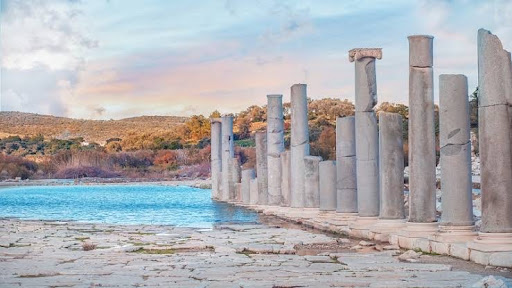
Not far from here stands the Parliament building, a testament to the Lycian League's democratic ethos. The grand amphitheater and intricately designed columns symbolize a civilization that valued public discourse and participation.

Adjacent to these ancient ruins, Patara Beach offers a refreshing natural contrast. This tranquil coastline, a protected national park, stretches for 18 kilometers and is home to a diverse range of bird species and the endangered Loggerhead turtles. It provides a serene setting untouched by the march of human civilization.

Patara's allure lies in this seamless blend of history and nature. It offers a unique experience where you transition from a ruined city echoing with tales of power and innovation to a tranquil beach humming with the gentle rhythms of nature.

Patara extends beyond a mere historical site or a beach holiday. It is a timeless voyage through the human narrative and the enduring beauty of nature. A reminder of our place in history, the strength of human ingenuity, and the resilience of nature.

Patara is a testament to the grandeur of history and the eternal charm of nature. A visit here is a soulful journey that transcends time and leaves a lasting imprint on every visitor's heart. Amid the ruins of this ancient city, life thrives, providing a poignant reflection on the relationship between civilizations and nature. In conclusion, Patara is an experience that beautifully intertwines the remnants of human civilization with the captivating beauty of the natural world, offering a unique and...

   Read more
avatar
5.0
2y

Behind the longest sandy beach in the world lie the ruins of a city over 3000 years old. Patara Ancient City is one of the most important cities of Lycia. Patara beach is one of the beaches where Mediterranean turtles Caretta-Caretta have laid their eggs and hatched for millions of years (they also spawn on the beach of Dalyan Iztuzu, which can be considered close to here). The area where the ancient city is located had a port in ancient times, but the port became unusable as alluvium filled the port. For this reason, the city is far from the sea coast. You can visit the ancient city with a museum card. Walking in hot weather can be a bit difficult as the area is large. Carry equipment with you to protect yourself from the sun. You can also see historical artifacts among the trees behind the theater. There are hundreds of historical artifacts in a fairly large area. If you want to stay here for a long time and see everything, you should prefer to visit in spring or autumn instead of going in the heat of summer. After visiting the ancient city, you can continue to the beach and enjoy the sea. There are also ancient ruins of the cities of Xanthos and Letoon near here. you should see them too. When you continue towards the sea from the ruins of Letoon, you come to the point where the blowing river meets the sea. This is a great spot where you can take very interesting photos. One of the most magnificent ruins in Patara is the Roman Triumphal Arch. Triumphal Arch, M.S. It was built at the end of the 1st century. Among the ruins that can be seen towards the hill are the Byzantine basilica and sanctuaries. The theater is on the slope of the hill. There is a large cistern and a mausoleum on the hill where the theater leans.

The lighthouse built by the Roman emperor Nero is also located here. This lighthouse is considered one of the oldest lighthouses in history. Since the lighthouse was destroyed, only its remains are present. As a result of the restoration, the lighthouse will be able to be visited again. You can visit this ancient city until 20:30 in the evening in summer. Visiting hours vary according to the season. The visit period ends at 17:30 during the...

   Read more
avatar
4.0
25w

Gece gezdim gece müzeciliği vardı ama etraftan kükreyen hayvan sesleri geldi karanlık yerlerde gezemedim çok az aydınlatma vardı

Patara Antik Kenti Nerededir?

Patara Antik Kenti Fethiye-Kalkan arasında Xanthos Vadisi'nin güneybatı ucunda bugünkü Gelemiş Köyü'nde yer almaktadır ve Likya'nın en önemli ve en eski şehirlerinden biridir.

Fotoğraf: Gülcan Acar

1988 yılından beri kazıları sürdürülen Patara Antik Kenti, arkeolojik ve tarihsel değerlerinin yanında Akdeniz kaplumbağaları Caretta-Carettaların milyonlarca yıldır yumurtalarını bırakıp yavruladıkları ender sahillerden biri olması ile de ayrı bir öneme sahiptir.

Fotoğraf: Gülcan Acar

Patara Antik Kenti Tarihi

MÖ 13'üncü yüzyıla ait Hitit metinlerinde şehrin adı Patar olarak geçmektedir. Tepecik Akropolü'nde ele geçen seramik parçaları, Orta Tunç Çağı özelikleri içerirken, yine Tepecik'in doğu yamacı eteklerinde ortaya çıkarılan, Demir Çağı öncesine ait taş balta Patara'nın tarihinin ne kadar eskilere gittiğini göstermektedir. Xanthos Vadisi'nde denize açılabilecek tek yer olması nedeniyle tarih boyunca önemli kent olma özelliğini her çağda devam ettirmiş olan Patara'nın yazıt ve sikkelerde Likya dilindeki adı Patara olarak geçer.

Fotoğraf: Gülcan Acar

Patara MÖ 3'üncü yüzyılda Ptolemaios egemenliğine girmesiyle Likya'nın önder kenti durumuna gelir. MÖ 2'nci yüzyılın başında Likya'nın Seleukos Krallığı tarafından kontrol edilmeye başlanmasıyla Patara, Likya'nın başkenti gibi kabul görür. Bu durum Patara'nın Roma'ya karşı özerkliğini ve Rhodos'a karşı da bağımsızlığını kazandığı MÖ 167/168 yılında resmileşir ve Patara Likya Birliği'nin başkenti olur. Başkentte Helenistik Dönem'de inşa edilen Meclis Binası ve Tiyatro gibi anıtsal yapılar bu tarihsel süreçle paralellik gösterirler. Roma egemenliğine geçtikten sonra da önemini yitirmeyen Patara, Roma Valiliklerinin adli işlerini gördüğü bir merkez oluşu yanında Roma'nın doğu eyaletleriyle bağlantısını kurduğu bir deniz üssü olarak da önemini korumuştur. MS 43 yılında Likya, Roma eyaleti olurken, MS 74'de Likya ile Pamphylia birleştirilerek tek eyalet haline getirilir ve Patara'nın başkentliği devam eder.

Fotoğraf: Gülcan Acar

Apollon'un önemli bir kehanet merkezi olarak ün yapmış olan Patara aynı zamanda Anadolu'dan Roma'ya nakledilen tahılların depolandığı ve saklandığı bir limandır. Bizans Dönemi'nde de önemini devam ettiren kent Hristiyanlar için önemli bir merkez olmuştur. "Noel Baba" diye anılan Saint Nicholaos, Pataralı'dır. Ayrıca St. Paul Roma'ya gitmek için Patara'dan gemiye binmiştir. İmparator Konstantin'in başkanlık ettiği MS 325'teki İznik Konsülü'nde Lykia'nın tek imza yetkilisi Piskopos Eudemos'un Patara Piskoposu oluşu kentin bu devirde de gözde oluşunun kanıtıdır. Ortaçağ boyunca önemini sürdüren Patara, Türklerin gelmesiyle de önemli bir merkez olarak günümüze ulaşmıştır.

Fotoğraf: Gülcan Acar

Şehre günümüz kalıntılarına giriş, görkemli ve çok iyi korunmuş Roma Zafer Takı'ndan yapılmaktadır. MS 100 yıllarında bölge valisi adına inşa edildiği, kitabelerinden anlaşılmaktadır. Tak'ın batısındaki tepenin yamaçlarında, Likya tipi lahitlerin bulunduğu mezarlık alanı uzanır. Kentin en güney ucunda Kurşunlu Tepe'ye yaslanmış olan tiyatronun depremden sonra MS 147 yılında yeniden inşa edildiği yazıtlardan anlaşılmaktadır.

Fotoğraf: Gülcan Acar

Tiyatronun yaslandığı Kurşunlu Tepe şehrin genel görünümünün seyredildiği en güzel köşedir. Buradan şehrin diğer kalıntıları; Vespasian Hamamı, Korinth Tapınağı, ana cadde, liman ve tahıl ambarı rahatlıkla izlenebilir. Tepenin kuzeybatısındaki bataklığın arkasındaki tahıl ambarı (granarium), Patara'nın günümüzde kalmış anıtsal yapılarından biri olup, İmparator Hadrian ve eşi Sabina tarafından MS 2.yüzyılda yaptırılmıştır. Tiyatronun kuzeyinde Likya Birliğinin başkenti olan Patara'nın, toplantılara ev sahipliği yaptığı Parlamento Binası yer almaktadır. Şehrin suyu yaklaşık 20 kilometre kuzeydoğusundaki İslamlar Köyü yakınlarında, Kızıltepe yamacındaki kayalıktan getirilmiştir. Kaynakla şehir arasında, Fırnaz iskelesinin...

   Read more
Page 1 of 7
Previous
Next

Posts

Uğur UçarUğur Uçar
"Patara: An Enthralling Harmony of Ancient Ruins and Natural Beauty" Patara, tucked away in southwestern Turkey, is a mesmerizing blend of historic resonance and untouched natural charm. This ancient city, a significant hub in Lycian civilization, is where the echoes of history meet the pristine beaches of the Mediterranean. As a major maritime city in antiquity, Patara was pivotal in commerce and politics. Its legacy reverberates through the ruins, such as the Patara Lighthouse, believed to be the oldest surviving lighthouse globally. Though in ruins, it radiates a sense of historic grandeur, hinting at Patara's once thriving maritime life. Nearby, the Roman triumphal arch, an imposing structure standing as a historical sentinel, offers glimpses into Patara's past. This city was once buzzing with traders, mariners, and scholars, but now, it is enveloped in serene silence, with only echoes of ancient stories. The ancient theatre, with a seating capacity of 5000, mirrors Patara's rich cultural legacy. The remains of the theatre almost resonate with the performances of a bygone era, offering an intimate connection with the city's history. Not far from here stands the Parliament building, a testament to the Lycian League's democratic ethos. The grand amphitheater and intricately designed columns symbolize a civilization that valued public discourse and participation. Adjacent to these ancient ruins, Patara Beach offers a refreshing natural contrast. This tranquil coastline, a protected national park, stretches for 18 kilometers and is home to a diverse range of bird species and the endangered Loggerhead turtles. It provides a serene setting untouched by the march of human civilization. Patara's allure lies in this seamless blend of history and nature. It offers a unique experience where you transition from a ruined city echoing with tales of power and innovation to a tranquil beach humming with the gentle rhythms of nature. Patara extends beyond a mere historical site or a beach holiday. It is a timeless voyage through the human narrative and the enduring beauty of nature. A reminder of our place in history, the strength of human ingenuity, and the resilience of nature. Patara is a testament to the grandeur of history and the eternal charm of nature. A visit here is a soulful journey that transcends time and leaves a lasting imprint on every visitor's heart. Amid the ruins of this ancient city, life thrives, providing a poignant reflection on the relationship between civilizations and nature. In conclusion, Patara is an experience that beautifully intertwines the remnants of human civilization with the captivating beauty of the natural world, offering a unique and timeless retreat.
Erhan TelliogluErhan Tellioglu
Behind the longest sandy beach in the world lie the ruins of a city over 3000 years old. Patara Ancient City is one of the most important cities of Lycia. Patara beach is one of the beaches where Mediterranean turtles Caretta-Caretta have laid their eggs and hatched for millions of years (they also spawn on the beach of Dalyan Iztuzu, which can be considered close to here). The area where the ancient city is located had a port in ancient times, but the port became unusable as alluvium filled the port. For this reason, the city is far from the sea coast. You can visit the ancient city with a museum card. Walking in hot weather can be a bit difficult as the area is large. Carry equipment with you to protect yourself from the sun. You can also see historical artifacts among the trees behind the theater. There are hundreds of historical artifacts in a fairly large area. If you want to stay here for a long time and see everything, you should prefer to visit in spring or autumn instead of going in the heat of summer. After visiting the ancient city, you can continue to the beach and enjoy the sea. There are also ancient ruins of the cities of Xanthos and Letoon near here. you should see them too. When you continue towards the sea from the ruins of Letoon, you come to the point where the blowing river meets the sea. This is a great spot where you can take very interesting photos. One of the most magnificent ruins in Patara is the Roman Triumphal Arch. Triumphal Arch, M.S. It was built at the end of the 1st century. Among the ruins that can be seen towards the hill are the Byzantine basilica and sanctuaries. The theater is on the slope of the hill. There is a large cistern and a mausoleum on the hill where the theater leans. The lighthouse built by the Roman emperor Nero is also located here. This lighthouse is considered one of the oldest lighthouses in history. Since the lighthouse was destroyed, only its remains are present. As a result of the restoration, the lighthouse will be able to be visited again. You can visit this ancient city until 20:30 in the evening in summer. Visiting hours vary according to the season. The visit period ends at 17:30 during the winter months.
KoSeKuKoSeKu
Gece gezdim gece müzeciliği vardı ama etraftan kükreyen hayvan sesleri geldi karanlık yerlerde gezemedim çok az aydınlatma vardı Patara Antik Kenti Nerededir? Patara Antik Kenti Fethiye-Kalkan arasında Xanthos Vadisi'nin güneybatı ucunda bugünkü Gelemiş Köyü'nde yer almaktadır ve Likya'nın en önemli ve en eski şehirlerinden biridir. Fotoğraf: Gülcan Acar 1988 yılından beri kazıları sürdürülen Patara Antik Kenti, arkeolojik ve tarihsel değerlerinin yanında Akdeniz kaplumbağaları Caretta-Carettaların milyonlarca yıldır yumurtalarını bırakıp yavruladıkları ender sahillerden biri olması ile de ayrı bir öneme sahiptir. Fotoğraf: Gülcan Acar Patara Antik Kenti Tarihi MÖ 13'üncü yüzyıla ait Hitit metinlerinde şehrin adı Patar olarak geçmektedir. Tepecik Akropolü'nde ele geçen seramik parçaları, Orta Tunç Çağı özelikleri içerirken, yine Tepecik'in doğu yamacı eteklerinde ortaya çıkarılan, Demir Çağı öncesine ait taş balta Patara'nın tarihinin ne kadar eskilere gittiğini göstermektedir. Xanthos Vadisi'nde denize açılabilecek tek yer olması nedeniyle tarih boyunca önemli kent olma özelliğini her çağda devam ettirmiş olan Patara'nın yazıt ve sikkelerde Likya dilindeki adı Patara olarak geçer. Fotoğraf: Gülcan Acar Patara MÖ 3'üncü yüzyılda Ptolemaios egemenliğine girmesiyle Likya'nın önder kenti durumuna gelir. MÖ 2'nci yüzyılın başında Likya'nın Seleukos Krallığı tarafından kontrol edilmeye başlanmasıyla Patara, Likya'nın başkenti gibi kabul görür. Bu durum Patara'nın Roma'ya karşı özerkliğini ve Rhodos'a karşı da bağımsızlığını kazandığı MÖ 167/168 yılında resmileşir ve Patara Likya Birliği'nin başkenti olur. Başkentte Helenistik Dönem'de inşa edilen Meclis Binası ve Tiyatro gibi anıtsal yapılar bu tarihsel süreçle paralellik gösterirler. Roma egemenliğine geçtikten sonra da önemini yitirmeyen Patara, Roma Valiliklerinin adli işlerini gördüğü bir merkez oluşu yanında Roma'nın doğu eyaletleriyle bağlantısını kurduğu bir deniz üssü olarak da önemini korumuştur. MS 43 yılında Likya, Roma eyaleti olurken, MS 74'de Likya ile Pamphylia birleştirilerek tek eyalet haline getirilir ve Patara'nın başkentliği devam eder. Fotoğraf: Gülcan Acar Apollon'un önemli bir kehanet merkezi olarak ün yapmış olan Patara aynı zamanda Anadolu'dan Roma'ya nakledilen tahılların depolandığı ve saklandığı bir limandır. Bizans Dönemi'nde de önemini devam ettiren kent Hristiyanlar için önemli bir merkez olmuştur. "Noel Baba" diye anılan Saint Nicholaos, Pataralı'dır. Ayrıca St. Paul Roma'ya gitmek için Patara'dan gemiye binmiştir. İmparator Konstantin'in başkanlık ettiği MS 325'teki İznik Konsülü'nde Lykia'nın tek imza yetkilisi Piskopos Eudemos'un Patara Piskoposu oluşu kentin bu devirde de gözde oluşunun kanıtıdır. Ortaçağ boyunca önemini sürdüren Patara, Türklerin gelmesiyle de önemli bir merkez olarak günümüze ulaşmıştır. Fotoğraf: Gülcan Acar Şehre günümüz kalıntılarına giriş, görkemli ve çok iyi korunmuş Roma Zafer Takı'ndan yapılmaktadır. MS 100 yıllarında bölge valisi adına inşa edildiği, kitabelerinden anlaşılmaktadır. Tak'ın batısındaki tepenin yamaçlarında, Likya tipi lahitlerin bulunduğu mezarlık alanı uzanır. Kentin en güney ucunda Kurşunlu Tepe'ye yaslanmış olan tiyatronun depremden sonra MS 147 yılında yeniden inşa edildiği yazıtlardan anlaşılmaktadır. Fotoğraf: Gülcan Acar Tiyatronun yaslandığı Kurşunlu Tepe şehrin genel görünümünün seyredildiği en güzel köşedir. Buradan şehrin diğer kalıntıları; Vespasian Hamamı, Korinth Tapınağı, ana cadde, liman ve tahıl ambarı rahatlıkla izlenebilir. Tepenin kuzeybatısındaki bataklığın arkasındaki tahıl ambarı (granarium), Patara'nın günümüzde kalmış anıtsal yapılarından biri olup, İmparator Hadrian ve eşi Sabina tarafından MS 2.yüzyılda yaptırılmıştır. Tiyatronun kuzeyinde Likya Birliğinin başkenti olan Patara'nın, toplantılara ev sahipliği yaptığı Parlamento Binası yer almaktadır. Şehrin suyu yaklaşık 20 kilometre kuzeydoğusundaki İslamlar Köyü yakınlarında, Kızıltepe yamacındaki kayalıktan getirilmiştir. Kaynakla şehir arasında, Fırnaz iskelesinin kuzeyindeki; mahall
See more posts
See more posts
hotel
Find your stay

Pet-friendly Hotels in Kaş

Find a cozy hotel nearby and make it a full experience.

"Patara: An Enthralling Harmony of Ancient Ruins and Natural Beauty" Patara, tucked away in southwestern Turkey, is a mesmerizing blend of historic resonance and untouched natural charm. This ancient city, a significant hub in Lycian civilization, is where the echoes of history meet the pristine beaches of the Mediterranean. As a major maritime city in antiquity, Patara was pivotal in commerce and politics. Its legacy reverberates through the ruins, such as the Patara Lighthouse, believed to be the oldest surviving lighthouse globally. Though in ruins, it radiates a sense of historic grandeur, hinting at Patara's once thriving maritime life. Nearby, the Roman triumphal arch, an imposing structure standing as a historical sentinel, offers glimpses into Patara's past. This city was once buzzing with traders, mariners, and scholars, but now, it is enveloped in serene silence, with only echoes of ancient stories. The ancient theatre, with a seating capacity of 5000, mirrors Patara's rich cultural legacy. The remains of the theatre almost resonate with the performances of a bygone era, offering an intimate connection with the city's history. Not far from here stands the Parliament building, a testament to the Lycian League's democratic ethos. The grand amphitheater and intricately designed columns symbolize a civilization that valued public discourse and participation. Adjacent to these ancient ruins, Patara Beach offers a refreshing natural contrast. This tranquil coastline, a protected national park, stretches for 18 kilometers and is home to a diverse range of bird species and the endangered Loggerhead turtles. It provides a serene setting untouched by the march of human civilization. Patara's allure lies in this seamless blend of history and nature. It offers a unique experience where you transition from a ruined city echoing with tales of power and innovation to a tranquil beach humming with the gentle rhythms of nature. Patara extends beyond a mere historical site or a beach holiday. It is a timeless voyage through the human narrative and the enduring beauty of nature. A reminder of our place in history, the strength of human ingenuity, and the resilience of nature. Patara is a testament to the grandeur of history and the eternal charm of nature. A visit here is a soulful journey that transcends time and leaves a lasting imprint on every visitor's heart. Amid the ruins of this ancient city, life thrives, providing a poignant reflection on the relationship between civilizations and nature. In conclusion, Patara is an experience that beautifully intertwines the remnants of human civilization with the captivating beauty of the natural world, offering a unique and timeless retreat.
Uğur Uçar

Uğur Uçar

hotel
Find your stay

Affordable Hotels in Kaş

Find a cozy hotel nearby and make it a full experience.

Get the Appoverlay
Get the AppOne tap to find yournext favorite spots!
Behind the longest sandy beach in the world lie the ruins of a city over 3000 years old. Patara Ancient City is one of the most important cities of Lycia. Patara beach is one of the beaches where Mediterranean turtles Caretta-Caretta have laid their eggs and hatched for millions of years (they also spawn on the beach of Dalyan Iztuzu, which can be considered close to here). The area where the ancient city is located had a port in ancient times, but the port became unusable as alluvium filled the port. For this reason, the city is far from the sea coast. You can visit the ancient city with a museum card. Walking in hot weather can be a bit difficult as the area is large. Carry equipment with you to protect yourself from the sun. You can also see historical artifacts among the trees behind the theater. There are hundreds of historical artifacts in a fairly large area. If you want to stay here for a long time and see everything, you should prefer to visit in spring or autumn instead of going in the heat of summer. After visiting the ancient city, you can continue to the beach and enjoy the sea. There are also ancient ruins of the cities of Xanthos and Letoon near here. you should see them too. When you continue towards the sea from the ruins of Letoon, you come to the point where the blowing river meets the sea. This is a great spot where you can take very interesting photos. One of the most magnificent ruins in Patara is the Roman Triumphal Arch. Triumphal Arch, M.S. It was built at the end of the 1st century. Among the ruins that can be seen towards the hill are the Byzantine basilica and sanctuaries. The theater is on the slope of the hill. There is a large cistern and a mausoleum on the hill where the theater leans. The lighthouse built by the Roman emperor Nero is also located here. This lighthouse is considered one of the oldest lighthouses in history. Since the lighthouse was destroyed, only its remains are present. As a result of the restoration, the lighthouse will be able to be visited again. You can visit this ancient city until 20:30 in the evening in summer. Visiting hours vary according to the season. The visit period ends at 17:30 during the winter months.
Erhan Tellioglu

Erhan Tellioglu

hotel
Find your stay

The Coolest Hotels You Haven't Heard Of (Yet)

Find a cozy hotel nearby and make it a full experience.

hotel
Find your stay

Trending Stays Worth the Hype in Kaş

Find a cozy hotel nearby and make it a full experience.

Gece gezdim gece müzeciliği vardı ama etraftan kükreyen hayvan sesleri geldi karanlık yerlerde gezemedim çok az aydınlatma vardı Patara Antik Kenti Nerededir? Patara Antik Kenti Fethiye-Kalkan arasında Xanthos Vadisi'nin güneybatı ucunda bugünkü Gelemiş Köyü'nde yer almaktadır ve Likya'nın en önemli ve en eski şehirlerinden biridir. Fotoğraf: Gülcan Acar 1988 yılından beri kazıları sürdürülen Patara Antik Kenti, arkeolojik ve tarihsel değerlerinin yanında Akdeniz kaplumbağaları Caretta-Carettaların milyonlarca yıldır yumurtalarını bırakıp yavruladıkları ender sahillerden biri olması ile de ayrı bir öneme sahiptir. Fotoğraf: Gülcan Acar Patara Antik Kenti Tarihi MÖ 13'üncü yüzyıla ait Hitit metinlerinde şehrin adı Patar olarak geçmektedir. Tepecik Akropolü'nde ele geçen seramik parçaları, Orta Tunç Çağı özelikleri içerirken, yine Tepecik'in doğu yamacı eteklerinde ortaya çıkarılan, Demir Çağı öncesine ait taş balta Patara'nın tarihinin ne kadar eskilere gittiğini göstermektedir. Xanthos Vadisi'nde denize açılabilecek tek yer olması nedeniyle tarih boyunca önemli kent olma özelliğini her çağda devam ettirmiş olan Patara'nın yazıt ve sikkelerde Likya dilindeki adı Patara olarak geçer. Fotoğraf: Gülcan Acar Patara MÖ 3'üncü yüzyılda Ptolemaios egemenliğine girmesiyle Likya'nın önder kenti durumuna gelir. MÖ 2'nci yüzyılın başında Likya'nın Seleukos Krallığı tarafından kontrol edilmeye başlanmasıyla Patara, Likya'nın başkenti gibi kabul görür. Bu durum Patara'nın Roma'ya karşı özerkliğini ve Rhodos'a karşı da bağımsızlığını kazandığı MÖ 167/168 yılında resmileşir ve Patara Likya Birliği'nin başkenti olur. Başkentte Helenistik Dönem'de inşa edilen Meclis Binası ve Tiyatro gibi anıtsal yapılar bu tarihsel süreçle paralellik gösterirler. Roma egemenliğine geçtikten sonra da önemini yitirmeyen Patara, Roma Valiliklerinin adli işlerini gördüğü bir merkez oluşu yanında Roma'nın doğu eyaletleriyle bağlantısını kurduğu bir deniz üssü olarak da önemini korumuştur. MS 43 yılında Likya, Roma eyaleti olurken, MS 74'de Likya ile Pamphylia birleştirilerek tek eyalet haline getirilir ve Patara'nın başkentliği devam eder. Fotoğraf: Gülcan Acar Apollon'un önemli bir kehanet merkezi olarak ün yapmış olan Patara aynı zamanda Anadolu'dan Roma'ya nakledilen tahılların depolandığı ve saklandığı bir limandır. Bizans Dönemi'nde de önemini devam ettiren kent Hristiyanlar için önemli bir merkez olmuştur. "Noel Baba" diye anılan Saint Nicholaos, Pataralı'dır. Ayrıca St. Paul Roma'ya gitmek için Patara'dan gemiye binmiştir. İmparator Konstantin'in başkanlık ettiği MS 325'teki İznik Konsülü'nde Lykia'nın tek imza yetkilisi Piskopos Eudemos'un Patara Piskoposu oluşu kentin bu devirde de gözde oluşunun kanıtıdır. Ortaçağ boyunca önemini sürdüren Patara, Türklerin gelmesiyle de önemli bir merkez olarak günümüze ulaşmıştır. Fotoğraf: Gülcan Acar Şehre günümüz kalıntılarına giriş, görkemli ve çok iyi korunmuş Roma Zafer Takı'ndan yapılmaktadır. MS 100 yıllarında bölge valisi adına inşa edildiği, kitabelerinden anlaşılmaktadır. Tak'ın batısındaki tepenin yamaçlarında, Likya tipi lahitlerin bulunduğu mezarlık alanı uzanır. Kentin en güney ucunda Kurşunlu Tepe'ye yaslanmış olan tiyatronun depremden sonra MS 147 yılında yeniden inşa edildiği yazıtlardan anlaşılmaktadır. Fotoğraf: Gülcan Acar Tiyatronun yaslandığı Kurşunlu Tepe şehrin genel görünümünün seyredildiği en güzel köşedir. Buradan şehrin diğer kalıntıları; Vespasian Hamamı, Korinth Tapınağı, ana cadde, liman ve tahıl ambarı rahatlıkla izlenebilir. Tepenin kuzeybatısındaki bataklığın arkasındaki tahıl ambarı (granarium), Patara'nın günümüzde kalmış anıtsal yapılarından biri olup, İmparator Hadrian ve eşi Sabina tarafından MS 2.yüzyılda yaptırılmıştır. Tiyatronun kuzeyinde Likya Birliğinin başkenti olan Patara'nın, toplantılara ev sahipliği yaptığı Parlamento Binası yer almaktadır. Şehrin suyu yaklaşık 20 kilometre kuzeydoğusundaki İslamlar Köyü yakınlarında, Kızıltepe yamacındaki kayalıktan getirilmiştir. Kaynakla şehir arasında, Fırnaz iskelesinin kuzeyindeki; mahall
KoSeKu

KoSeKu

See more posts
See more posts