HTML SitemapExplore
logo
Find Things to DoFind The Best Restaurants

Zeugma Antik Kenti — Attraction in Nizip

Name
Zeugma Antik Kenti
Description
Nearby attractions
Nearby restaurants
Nearby hotels
Related posts
Keywords
Zeugma Antik Kenti tourism.Zeugma Antik Kenti hotels.Zeugma Antik Kenti bed and breakfast. flights to Zeugma Antik Kenti.Zeugma Antik Kenti attractions.Zeugma Antik Kenti restaurants.Zeugma Antik Kenti travel.Zeugma Antik Kenti travel guide.Zeugma Antik Kenti travel blog.Zeugma Antik Kenti pictures.Zeugma Antik Kenti photos.Zeugma Antik Kenti travel tips.Zeugma Antik Kenti maps.Zeugma Antik Kenti things to do.
Zeugma Antik Kenti things to do, attractions, restaurants, events info and trip planning
Zeugma Antik Kenti
TurkeyGaziantepNizipZeugma Antik Kenti

Basic Info

Zeugma Antik Kenti

Belkıs Merkez, 27700 Belkıs Köyü/Nizip/Gaziantep, Türkiye
4.6(1.3K)
Closed
Save
spot

Ratings & Description

Info

Cultural
Outdoor
Family friendly
attractions: , restaurants:
logoLearn more insights from Wanderboat AI.
Phone
+90 342 325 27 27
Website
kulturportali.gov.tr
Open hoursSee all hours
Mon8:30 AM - 5 PMClosed

Plan your stay

hotel
Pet-friendly Hotels in Nizip
Find a cozy hotel nearby and make it a full experience.
hotel
Affordable Hotels in Nizip
Find a cozy hotel nearby and make it a full experience.
hotel
The Coolest Hotels You Haven't Heard Of (Yet)
Find a cozy hotel nearby and make it a full experience.
hotel
Trending Stays Worth the Hype in Nizip
Find a cozy hotel nearby and make it a full experience.

Reviews

Get the Appoverlay
Get the AppOne tap to find yournext favorite spots!
Wanderboat LogoWanderboat

Your everyday Al companion for getaway ideas

CompanyAbout Us
InformationAI Trip PlannerSitemap
SocialXInstagramTiktokLinkedin
LegalTerms of ServicePrivacy Policy

Get the app

© 2025 Wanderboat. All rights reserved.
logo

Reviews of Zeugma Antik Kenti

4.6
(1,275)
avatar
5.0
35w

Zeugma was founded soon after 300 BC as the city of Seleucia by Seleucus I Nicator, a Diadochus (successor) to Alexander the Great and Macedonian founder of the Seleucid Kingdom, on the site where he had the first bridge over the Euphrates built. In 64 BC, the Roman Republic gained control of the city. Zeugma was of great importance to the Roman Empire as it was located at a strategically important place. Up to 70,000 people lived in the city, and it became a center for the military and commerce for the ancient Romans. In 253 AD, it was destroyed by the Sassanids, but was later rebuilt. In late antiquity, Zeugma was a diocese of the early Roman church, but the place seems to have been abandoned in the 7th century due to Sassanid Persian and then Arab raids by the Umayyad Caliphate. Arabs lived there temporarily in the Middle Ages. By the 17th century the Ottoman Turkish village of Belkis was built near the ruins.

Zeugma has been on the UNESCO World Heritage Site tentative list since 2012. Extant archaeological remains at the site include "the Hellenistic Agora, the Roman Agora, two sanctuaries, the stadium, the theatre, two bathhouses, the Roman legionary base, administrative structures of the Roman legion, the majority of the residential quarters, Hellenistic and Roman city walls, and the East, South and West...

   Read more
avatar
5.0
4y

🏛️ Kuruluşu ve İsmi:

Kent, M.Ö. 300 yıllarında Büyük İskender’in generallerinden I. Seleukos Nikator tarafından "Selevkia Euphrates" adıyla kurulmuştur.

M.Ö. 64'te Roma egemenliğine girmiş ve ismi "Zeugma" olmuştur. Yunanca “köprü” ya da “geçit” anlamına gelir. Çünkü Fırat üzerindeki köprü, iki yakayı birbirine bağlıyordu.

🌉 Stratejik Önemi:

Zeugma, İpek Yolu üzerindeydi ve doğu-batı arasında önemli bir geçiş noktasıydı.

Roma döneminde burada bir askeri garnizon ve büyük bir ticaret merkezi kurulmuştur.

💎 Mozaik Sanatının Başkenti:

Zeugma, özellikle zemin mozaikleri ile ünlüdür. Roma villalarının tabanlarında inanılmaz detayda mozaikler yer alır.

En ünlüsü: “Çingene Kızı” mozaiği. Bu eser, gözleriyle her açıdan izliyormuş hissi verir. Kimliğine dair farklı yorumlar olsa da “Persephone” olduğu düşünülür.

🇺🇸 Amerika’dan Dönen Parçalar:

2018’de ABD’de bir müzede bulunan 12 eksik parça Türkiye’ye getirildi ve Zeugma Mozaik Müzesi’nde sergilendi. (Aralarında Çingene Kızı'nın eksik parçaları da vardı.)

🌊 Sular Altında Kalan Şehir:

2000’li yıllarda Birecik Barajı'nın yapımı nedeniyle Zeugma'nın büyük bölümü sular altında kaldı. Acil kazılar başlatıldı, ama her şey kurtarılamadı.

👑 Lüks Roma Villaları:

Zeugma’da zengin tüccar ve askerlerin yaşadığı lüks villalar ortaya çıkarıldı. Bu evlerde mozaiklerin yanı sıra duvar freskleri, heykeller ve fildişi objeler bulundu.

🗺️ 20.000'e Yakın Mühür:

Kentte yapılan kazılarda yaklaşık 20.000 adet mühür baskısı (bulla) bulundu. Bu, Roma dünyasında şimdiye dek tek bir yerleşimde ele geçen en büyük mühür koleksiyonudur.

🏺 Zeus, Dionysos ve Aşk Tanrıları:

Mozaiklerde sıkça Zeus, Dionysos, Afrodit, Eros ve Persephone gibi mitolojik figürler yer alır. Bu, kentin dini ve kültürel zenginliğini gösterir.

🏛️ Foundation and Name:

The city was founded around 300 BCE by Seleucus I Nicator, one of Alexander the Great’s generals, under the name “Seleucia Euphrates.”

In 64 BCE, it came under Roman rule and was renamed “Zeugma,” a Greek word meaning “bridge” or “crossing,” referring to the bridge that connected the two banks of the Euphrates River.

🌉 Strategic Importance:

Zeugma was located on the Silk Road and served as a major crossroads between the East and the West.

During the Roman period, it became a significant military garrison and a prosperous trade center.

💎 Capital of Mosaic Art:

Zeugma is especially famous for its floor mosaics, which adorned the villas of wealthy Romans with incredible detail.

Its most famous piece is the “Gypsy Girl” mosaic, known for its haunting gaze that appears to follow the viewer. Though debated, the figure is believed to represent Persephone.

🇺🇸 Fragments Returned from the U.S.:

In 2018, 12 missing fragments of mosaics, including parts of the “Gypsy Girl,” were returned from a museum in the United States and are now displayed in the Zeugma Mosaic Museum in Turkey.

🌊 City Beneath the Waters:

In the early 2000s, large portions of Zeugma were submerged due to the construction of the Birecik Dam. Emergency excavations were launched, but not everything could be saved.

👑 Luxurious Roman Villas:

Excavations uncovered lavish villas belonging to wealthy merchants and soldiers. These homes featured not only mosaics but also wall frescoes, statues, and ivory artifacts.

🗺️ Nearly 20,000 Seal Impressions:

Around 20,000 bullae (seal impressions) were discovered in the city—this is the largest known collection of such items ever found in a single Roman settlement.

🏺 Zeus, Dionysus, and Gods of Love:

The mosaics frequently depict Zeus, Dionysus, Aphrodite, Eros, and Persephone, reflecting the city’s rich religious and...

   Read more
avatar
4.0
3y

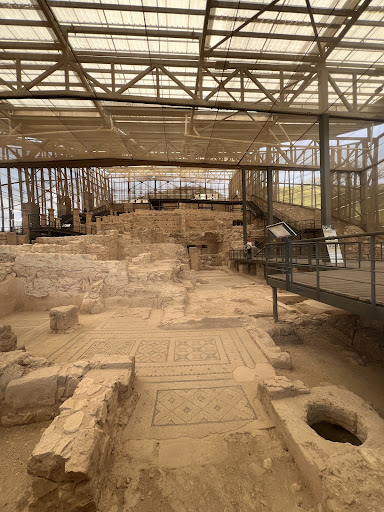
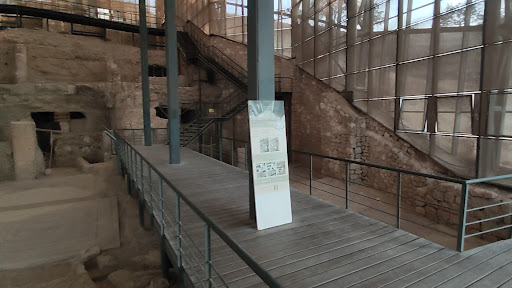
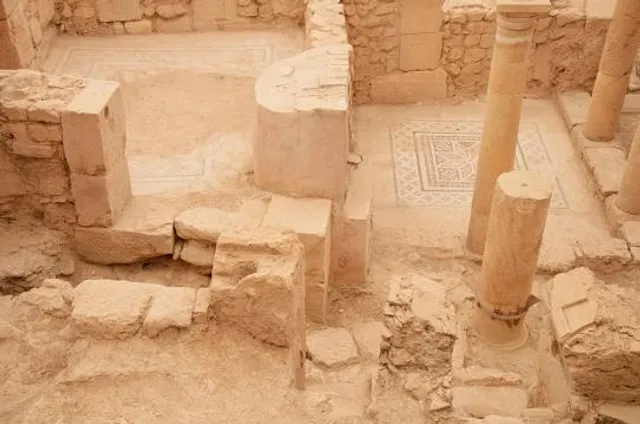
Beautiful location and welcoming. The canteen is clean basic and affordable. Nice place to sit and look at the water of the Euphrates. Bathrooms clean. According to the worker in the canteen, more foreigners come here than locals. The main antik housing site is well protected from rain or sun. There is an interesting feature to scan a QR code with your phone, which then with your smartphone shows you around the site with a reconstructed 'virtual' image. We did not see any mention of the Zeugma Girl Mosaic which was found here The original mosaic is in the Gaziantep museum. She is not featured very much (in fact i do not recall seeing any mention of her)at all at this site which I found a bit disappointing. Smaller site. Took us about an hour or more to see what we wanted. More being...

   Read more
Page 1 of 7
Previous
Next

Posts

Ari ZingilliogluAri Zingillioglu
Zeugma was founded soon after 300 BC as the city of Seleucia by Seleucus I Nicator, a Diadochus (successor) to Alexander the Great and Macedonian founder of the Seleucid Kingdom, on the site where he had the first bridge over the Euphrates built. In 64 BC, the Roman Republic gained control of the city. Zeugma was of great importance to the Roman Empire as it was located at a strategically important place. Up to 70,000 people lived in the city, and it became a center for the military and commerce for the ancient Romans. In 253 AD, it was destroyed by the Sassanids, but was later rebuilt. In late antiquity, Zeugma was a diocese of the early Roman church, but the place seems to have been abandoned in the 7th century due to Sassanid Persian and then Arab raids by the Umayyad Caliphate. Arabs lived there temporarily in the Middle Ages. By the 17th century the Ottoman Turkish village of Belkis was built near the ruins. Zeugma has been on the UNESCO World Heritage Site tentative list since 2012. Extant archaeological remains at the site include "the Hellenistic Agora, the Roman Agora, two sanctuaries, the stadium, the theatre, two bathhouses, the Roman legionary base, administrative structures of the Roman legion, the majority of the residential quarters, Hellenistic and Roman city walls, and the East, South and West necropoles."
ThrkymzThrkymz
1. 🏛️ Kuruluşu ve İsmi: Kent, M.Ö. 300 yıllarında Büyük İskender’in generallerinden I. Seleukos Nikator tarafından "Selevkia Euphrates" adıyla kurulmuştur. 2. M.Ö. 64'te Roma egemenliğine girmiş ve ismi "Zeugma" olmuştur. Yunanca “köprü” ya da “geçit” anlamına gelir. Çünkü Fırat üzerindeki köprü, iki yakayı birbirine bağlıyordu. 3. 🌉 Stratejik Önemi: Zeugma, İpek Yolu üzerindeydi ve doğu-batı arasında önemli bir geçiş noktasıydı. Roma döneminde burada bir askeri garnizon ve büyük bir ticaret merkezi kurulmuştur. 4. 💎 Mozaik Sanatının Başkenti: Zeugma, özellikle zemin mozaikleri ile ünlüdür. Roma villalarının tabanlarında inanılmaz detayda mozaikler yer alır. En ünlüsü: “Çingene Kızı” mozaiği. Bu eser, gözleriyle her açıdan izliyormuş hissi verir. Kimliğine dair farklı yorumlar olsa da “Persephone” olduğu düşünülür. 5. 🇺🇸 Amerika’dan Dönen Parçalar: 2018’de ABD’de bir müzede bulunan 12 eksik parça Türkiye’ye getirildi ve Zeugma Mozaik Müzesi’nde sergilendi. (Aralarında Çingene Kızı'nın eksik parçaları da vardı.) 6. 🌊 Sular Altında Kalan Şehir: 2000’li yıllarda Birecik Barajı'nın yapımı nedeniyle Zeugma'nın büyük bölümü sular altında kaldı. Acil kazılar başlatıldı, ama her şey kurtarılamadı. 7. 👑 Lüks Roma Villaları: Zeugma’da zengin tüccar ve askerlerin yaşadığı lüks villalar ortaya çıkarıldı. Bu evlerde mozaiklerin yanı sıra duvar freskleri, heykeller ve fildişi objeler bulundu. 8. 🗺️ 20.000'e Yakın Mühür: Kentte yapılan kazılarda yaklaşık 20.000 adet mühür baskısı (bulla) bulundu. Bu, Roma dünyasında şimdiye dek tek bir yerleşimde ele geçen en büyük mühür koleksiyonudur. 9. 🏺 Zeus, Dionysos ve Aşk Tanrıları: Mozaiklerde sıkça Zeus, Dionysos, Afrodit, Eros ve Persephone gibi mitolojik figürler yer alır. Bu, kentin dini ve kültürel zenginliğini gösterir. 🏛️ Foundation and Name: The city was founded around 300 BCE by Seleucus I Nicator, one of Alexander the Great’s generals, under the name “Seleucia Euphrates.” In 64 BCE, it came under Roman rule and was renamed “Zeugma,” a Greek word meaning “bridge” or “crossing,” referring to the bridge that connected the two banks of the Euphrates River. --- 🌉 Strategic Importance: Zeugma was located on the Silk Road and served as a major crossroads between the East and the West. During the Roman period, it became a significant military garrison and a prosperous trade center. --- 💎 Capital of Mosaic Art: Zeugma is especially famous for its floor mosaics, which adorned the villas of wealthy Romans with incredible detail. Its most famous piece is the “Gypsy Girl” mosaic, known for its haunting gaze that appears to follow the viewer. Though debated, the figure is believed to represent Persephone. --- 🇺🇸 Fragments Returned from the U.S.: In 2018, 12 missing fragments of mosaics, including parts of the “Gypsy Girl,” were returned from a museum in the United States and are now displayed in the Zeugma Mosaic Museum in Turkey. --- 🌊 City Beneath the Waters: In the early 2000s, large portions of Zeugma were submerged due to the construction of the Birecik Dam. Emergency excavations were launched, but not everything could be saved. --- 👑 Luxurious Roman Villas: Excavations uncovered lavish villas belonging to wealthy merchants and soldiers. These homes featured not only mosaics but also wall frescoes, statues, and ivory artifacts. --- 🗺️ Nearly 20,000 Seal Impressions: Around 20,000 bullae (seal impressions) were discovered in the city—this is the largest known collection of such items ever found in a single Roman settlement. --- 🏺 Zeus, Dionysus, and Gods of Love: The mosaics frequently depict Zeus, Dionysus, Aphrodite, Eros, and Persephone, reflecting the city’s rich religious and cultural identity.
sinbad Sailorsinbad Sailor
Zeugma is an incredible archeological site and is absolutely worth a visit. When we went, we didnt have to purchase tickets, though this may have been due to the pandemic. The site itself is a stunning piece of history and is divided into a few sections. There is the main parking/cafe area, and then a 10 minute walk to the site itself. At the site there is a mostly excavated ancient city in a building of sorts and then next to it there is an ongoing excavation of another section. Depending on what time you go, you can even see them excavating it live which is super interesting.
See more posts
See more posts
hotel
Find your stay

Pet-friendly Hotels in Nizip

Find a cozy hotel nearby and make it a full experience.

Zeugma was founded soon after 300 BC as the city of Seleucia by Seleucus I Nicator, a Diadochus (successor) to Alexander the Great and Macedonian founder of the Seleucid Kingdom, on the site where he had the first bridge over the Euphrates built. In 64 BC, the Roman Republic gained control of the city. Zeugma was of great importance to the Roman Empire as it was located at a strategically important place. Up to 70,000 people lived in the city, and it became a center for the military and commerce for the ancient Romans. In 253 AD, it was destroyed by the Sassanids, but was later rebuilt. In late antiquity, Zeugma was a diocese of the early Roman church, but the place seems to have been abandoned in the 7th century due to Sassanid Persian and then Arab raids by the Umayyad Caliphate. Arabs lived there temporarily in the Middle Ages. By the 17th century the Ottoman Turkish village of Belkis was built near the ruins. Zeugma has been on the UNESCO World Heritage Site tentative list since 2012. Extant archaeological remains at the site include "the Hellenistic Agora, the Roman Agora, two sanctuaries, the stadium, the theatre, two bathhouses, the Roman legionary base, administrative structures of the Roman legion, the majority of the residential quarters, Hellenistic and Roman city walls, and the East, South and West necropoles."
Ari Zingillioglu

Ari Zingillioglu

hotel
Find your stay

Affordable Hotels in Nizip

Find a cozy hotel nearby and make it a full experience.

Get the Appoverlay
Get the AppOne tap to find yournext favorite spots!
1. 🏛️ Kuruluşu ve İsmi: Kent, M.Ö. 300 yıllarında Büyük İskender’in generallerinden I. Seleukos Nikator tarafından "Selevkia Euphrates" adıyla kurulmuştur. 2. M.Ö. 64'te Roma egemenliğine girmiş ve ismi "Zeugma" olmuştur. Yunanca “köprü” ya da “geçit” anlamına gelir. Çünkü Fırat üzerindeki köprü, iki yakayı birbirine bağlıyordu. 3. 🌉 Stratejik Önemi: Zeugma, İpek Yolu üzerindeydi ve doğu-batı arasında önemli bir geçiş noktasıydı. Roma döneminde burada bir askeri garnizon ve büyük bir ticaret merkezi kurulmuştur. 4. 💎 Mozaik Sanatının Başkenti: Zeugma, özellikle zemin mozaikleri ile ünlüdür. Roma villalarının tabanlarında inanılmaz detayda mozaikler yer alır. En ünlüsü: “Çingene Kızı” mozaiği. Bu eser, gözleriyle her açıdan izliyormuş hissi verir. Kimliğine dair farklı yorumlar olsa da “Persephone” olduğu düşünülür. 5. 🇺🇸 Amerika’dan Dönen Parçalar: 2018’de ABD’de bir müzede bulunan 12 eksik parça Türkiye’ye getirildi ve Zeugma Mozaik Müzesi’nde sergilendi. (Aralarında Çingene Kızı'nın eksik parçaları da vardı.) 6. 🌊 Sular Altında Kalan Şehir: 2000’li yıllarda Birecik Barajı'nın yapımı nedeniyle Zeugma'nın büyük bölümü sular altında kaldı. Acil kazılar başlatıldı, ama her şey kurtarılamadı. 7. 👑 Lüks Roma Villaları: Zeugma’da zengin tüccar ve askerlerin yaşadığı lüks villalar ortaya çıkarıldı. Bu evlerde mozaiklerin yanı sıra duvar freskleri, heykeller ve fildişi objeler bulundu. 8. 🗺️ 20.000'e Yakın Mühür: Kentte yapılan kazılarda yaklaşık 20.000 adet mühür baskısı (bulla) bulundu. Bu, Roma dünyasında şimdiye dek tek bir yerleşimde ele geçen en büyük mühür koleksiyonudur. 9. 🏺 Zeus, Dionysos ve Aşk Tanrıları: Mozaiklerde sıkça Zeus, Dionysos, Afrodit, Eros ve Persephone gibi mitolojik figürler yer alır. Bu, kentin dini ve kültürel zenginliğini gösterir. 🏛️ Foundation and Name: The city was founded around 300 BCE by Seleucus I Nicator, one of Alexander the Great’s generals, under the name “Seleucia Euphrates.” In 64 BCE, it came under Roman rule and was renamed “Zeugma,” a Greek word meaning “bridge” or “crossing,” referring to the bridge that connected the two banks of the Euphrates River. --- 🌉 Strategic Importance: Zeugma was located on the Silk Road and served as a major crossroads between the East and the West. During the Roman period, it became a significant military garrison and a prosperous trade center. --- 💎 Capital of Mosaic Art: Zeugma is especially famous for its floor mosaics, which adorned the villas of wealthy Romans with incredible detail. Its most famous piece is the “Gypsy Girl” mosaic, known for its haunting gaze that appears to follow the viewer. Though debated, the figure is believed to represent Persephone. --- 🇺🇸 Fragments Returned from the U.S.: In 2018, 12 missing fragments of mosaics, including parts of the “Gypsy Girl,” were returned from a museum in the United States and are now displayed in the Zeugma Mosaic Museum in Turkey. --- 🌊 City Beneath the Waters: In the early 2000s, large portions of Zeugma were submerged due to the construction of the Birecik Dam. Emergency excavations were launched, but not everything could be saved. --- 👑 Luxurious Roman Villas: Excavations uncovered lavish villas belonging to wealthy merchants and soldiers. These homes featured not only mosaics but also wall frescoes, statues, and ivory artifacts. --- 🗺️ Nearly 20,000 Seal Impressions: Around 20,000 bullae (seal impressions) were discovered in the city—this is the largest known collection of such items ever found in a single Roman settlement. --- 🏺 Zeus, Dionysus, and Gods of Love: The mosaics frequently depict Zeus, Dionysus, Aphrodite, Eros, and Persephone, reflecting the city’s rich religious and cultural identity.
Thrkymz

Thrkymz

hotel
Find your stay

The Coolest Hotels You Haven't Heard Of (Yet)

Find a cozy hotel nearby and make it a full experience.

hotel
Find your stay

Trending Stays Worth the Hype in Nizip

Find a cozy hotel nearby and make it a full experience.

Zeugma is an incredible archeological site and is absolutely worth a visit. When we went, we didnt have to purchase tickets, though this may have been due to the pandemic. The site itself is a stunning piece of history and is divided into a few sections. There is the main parking/cafe area, and then a 10 minute walk to the site itself. At the site there is a mostly excavated ancient city in a building of sorts and then next to it there is an ongoing excavation of another section. Depending on what time you go, you can even see them excavating it live which is super interesting.
sinbad Sailor

sinbad Sailor

See more posts
See more posts